


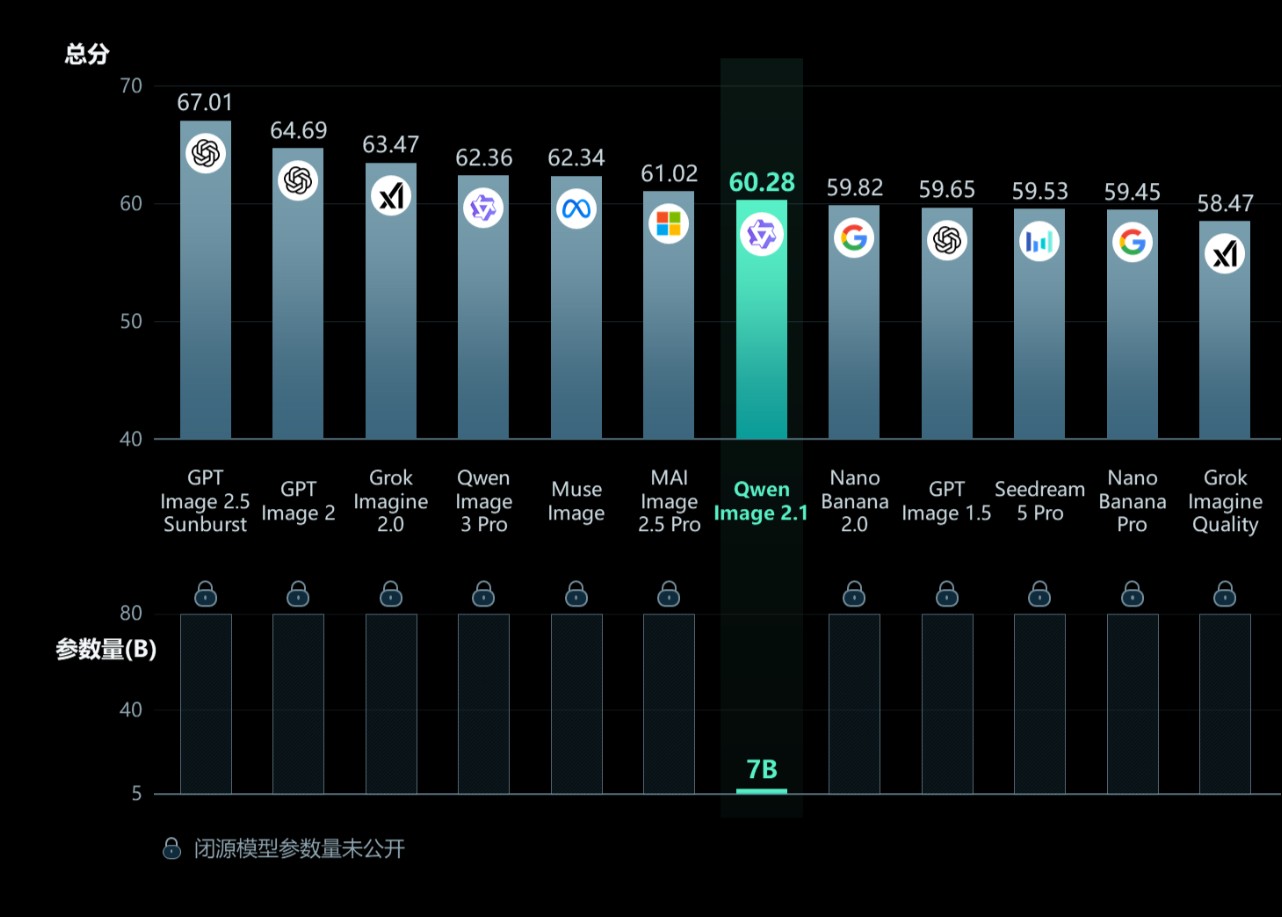
AlibabaQwen(QwenThe team officially open-sourced Qwen-Image-2.1 last night (September 20), a unified model that combines text-to-image generation and image editing. Compared with the previous generation, the new version’s biggest breakthrough is that its visual generation component has only 7B (7 billion) parameters, yet is claimed to outperform most closed-source image models on most benchmarks. This is also the first time the Qwen image series supports native transparent image (RGBA) generation and editing. In the past, generating images with transparent backgrounds usually required post-processing background removal or chaining multiple models together; Qwen-Image-2.1 integrates these capabilities into a single model, so everything from generating transparent stickers from text descriptions and editing transparent layers to extracting subjects from photos can be done within the same architecture. For designers and content creators, this greatly shortens the overall production time from initial composition to final product.
Qwen-Image-2.1 Four Core Improvements
According to the GitHub documentation, Qwen-Image-2.1 has four main improvements. The first isLightweight and high performanceThe visual generation component uses a 32-layer Single-Stream DiT architecture, combined with mixed-granularity attention and prefix KV cache reuse, maintaining high-quality image output at low computational cost. This allows the model to run on consumer-grade GPUs, greatly lowering the deployment barrier. According to officially published results, Qwen-Image-2.1 is also currently the smallest open-source model among all mainstream image generation models, with performance ranking among the best.
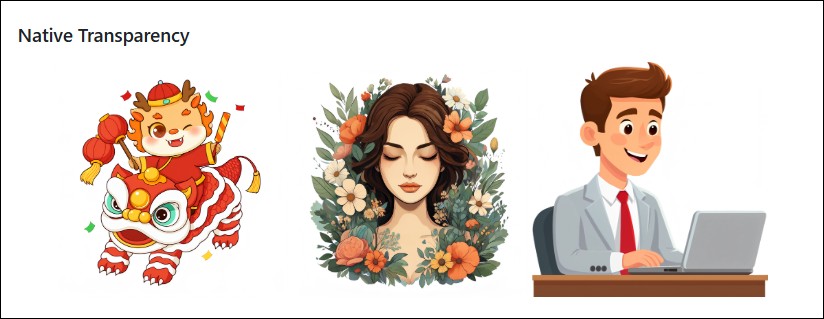
The second isNative transparency supportThe model can directly generate transparent images in RGBA format, without an extra background removal step. This is very practical for creators who need to make stickers, icons, and compositing assets, eliminating multiple steps in the traditional workflow: generate → remove background → composite.
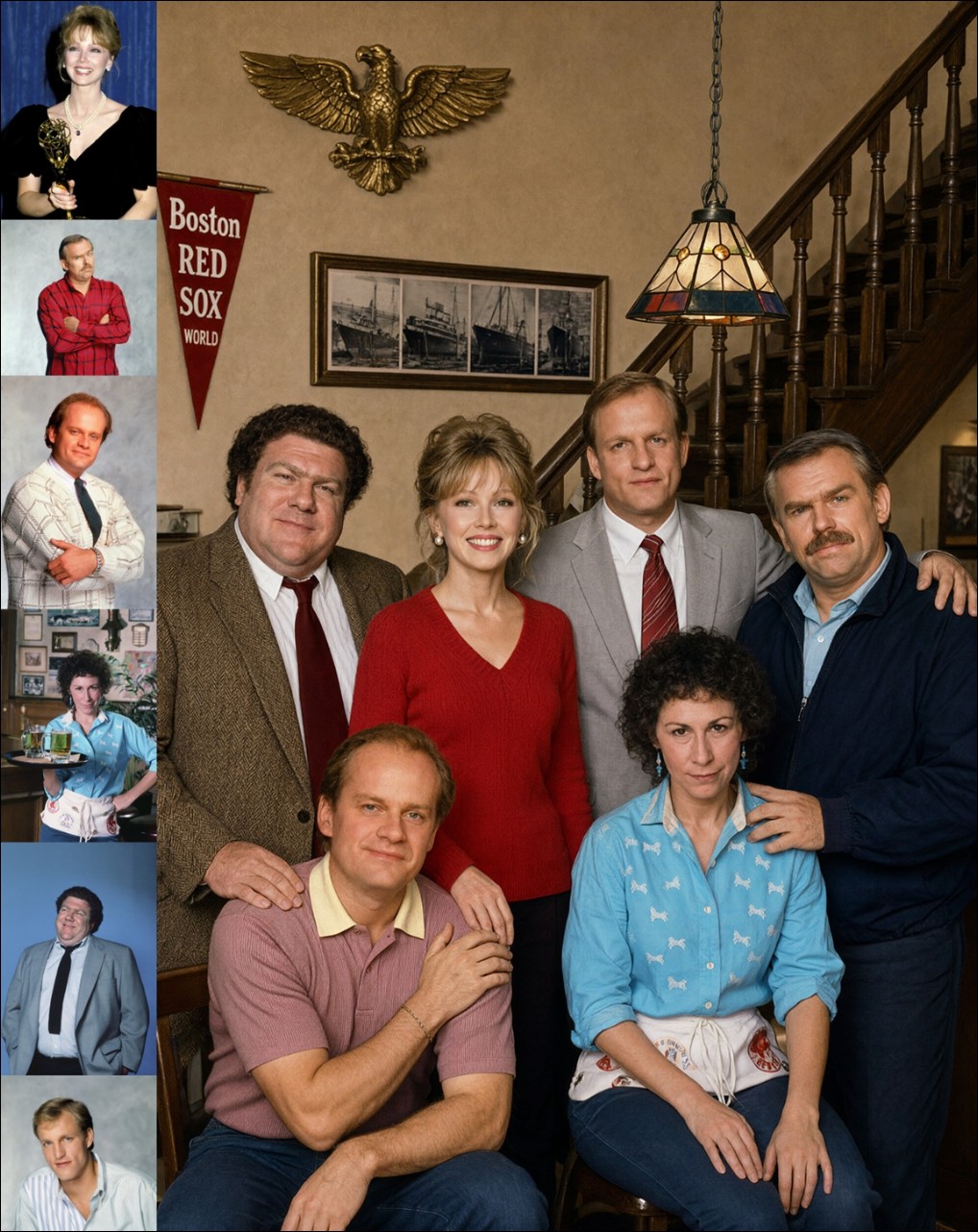
The third isMulti-image reference editing capabilityQwen-Image-2.1 supports up to 10 reference images for editing. Users can specify local edit areas by circling, scribbling annotations, or using independent masks, while preserving the identity features of people and products. This means users can composite elements from multiple photos into a new image and precisely control the editing range of each area.
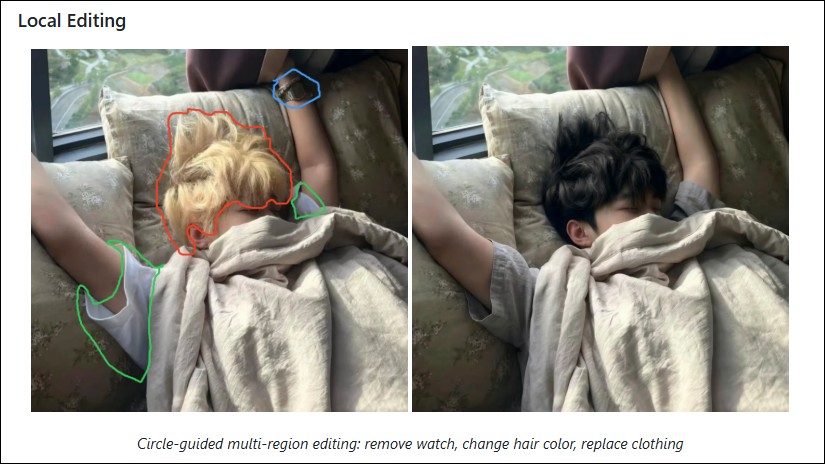
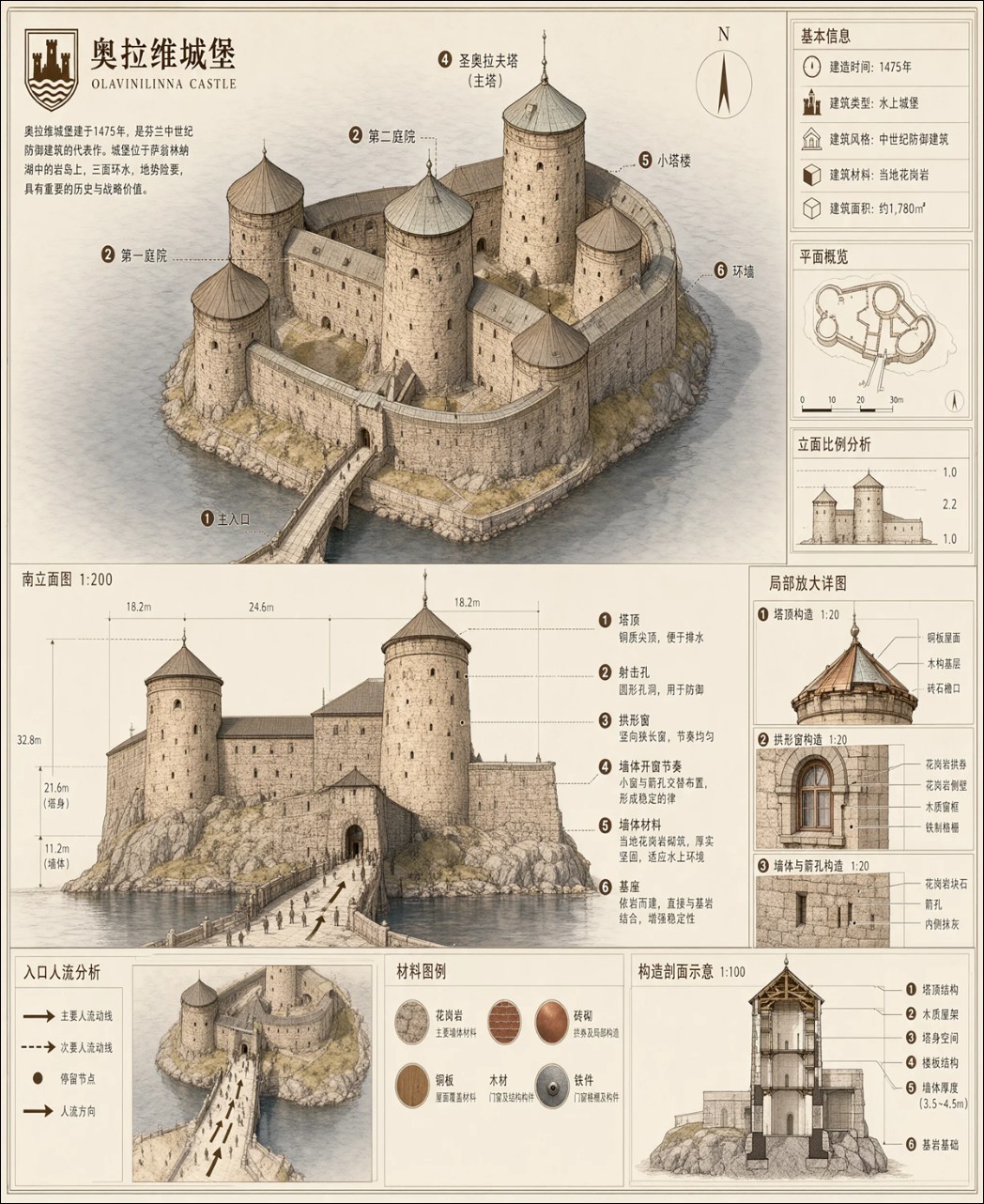
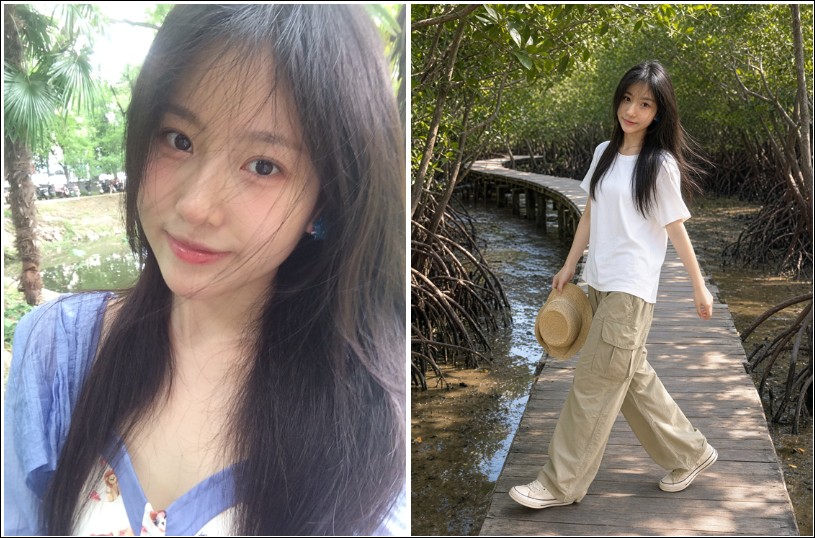
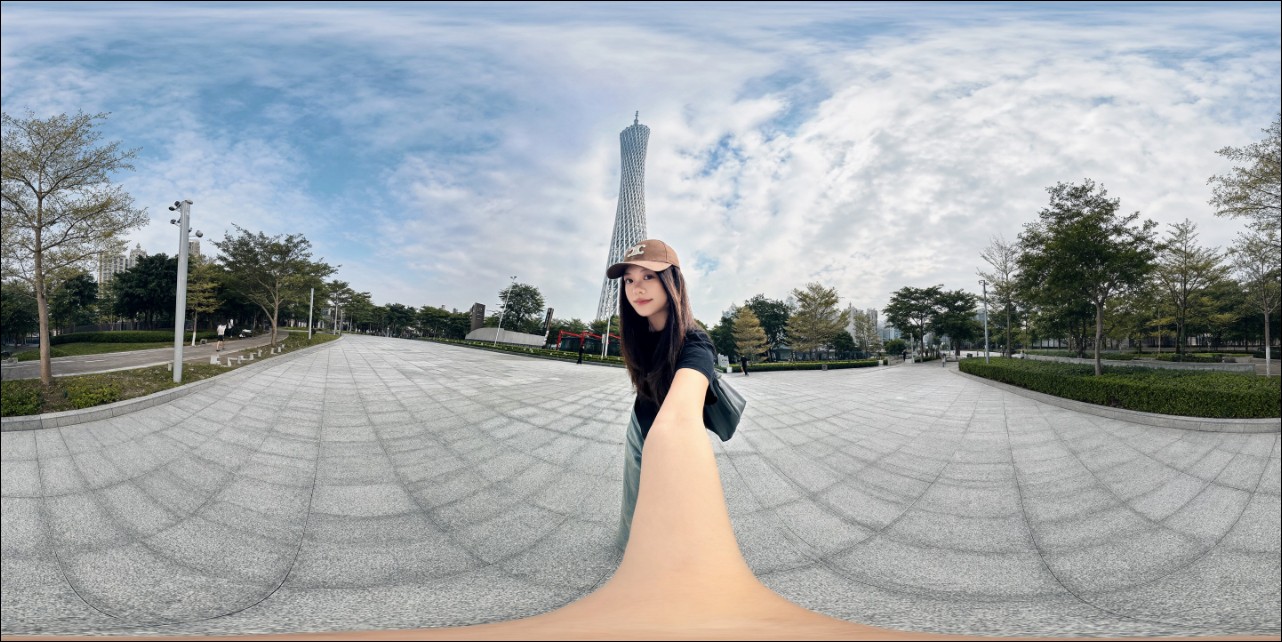
The fourth isPhotorealistic texture and aesthetic enhancement.The new version improves typography, portrait lighting, and detail rendering, and performs especially well in scenarios such as panoramas, infographics, and virtual try-on, producing more realistic textures and elegant layouts.
Technical Architecture and Specifications
Qwen-Image-2.1’s visual generation component has 7B parameters and uses a 32-layer Single-Stream DiT architecture. It natively supports 2K resolution output and multiple aspect ratios, including 1:1 (2048×2048), 4:3 (2400×1792), and 16:9 (2752×1536). During inference, it uses 40 denoising steps by default, with BF16 as the data format.
In addition, two Prompt Enhancer models fine-tuned on Qwen3.5-VL 9B are officially provided, for text-to-image and image editing scenarios respectively. These two models can expand short prompts into detailed, high-quality descriptions to improve generation results. For example, a user only needs to enter “a cute cat,” and the enhancement model will automatically expand it into a complete prompt that includes details such as scene, lighting, composition, and style, greatly improving generation quality. Users can perform batch inference via vLLM or deploy it as an API service.
Ecosystem Day 0 Support
Qwen-Image-2.1 gained native support from multiple mainstream inference frameworks on the day of release. HuggingFace Diffusers provided QwenImage21Pipeline from Day 0, so users can start generating images with just a few lines of Python code. ComfyUI simultaneously provided native support and example workflows (one set each for text-to-image and image editing).
For high-performance inference, vLLM-Omni offers optimizations such as step-by-step execution, prefix KV caching, CUDA Graph decoding, FP8 quantization, and tensor parallelism. SGLang likewise provides Day 0 support, including caching mechanisms, CUDA Graph, multiple parallelism strategies, and component offloading. LightX2V also offers acceleration solutions. This kind of full ecosystem support on launch day is quite rare among open-source image models, reflecting the Qwen team’s influence in the open-source community.
Conclusion
Qwen-Image-2.1, with a 7B parameter count, native transparency support, multi-image reference editing, and full inference framework ecosystem support, brings a fully featured new option with a low deployment barrier to the open-source image generation field. However, the claim that it “surpasses most closed-source models” still needs validation from independent benchmarks, and actual user experience also awaits community feedback. The Qwen Research License is not a fully open-source license, commercial use may be restricted, and users need to carefully check the license terms. The model weights have already been HuggingFace Now available for download simultaneously on ModelScope and another major platform, interested developers can start testing and deploying immediately.
Source: KOCPC Chinese