


The Bluetooth Special Interest Group (Bluetooth SIG), which leads Bluetooth technology standards, today officially released the next-generation heavyweight technology: Bluetooth HDT High Data Throughput (Bluetooth High Data Throughput, HDT). As a core optional feature in the latest Bluetooth Core Specification 7.0, this technology not only marks a comprehensive breakthrough in Bluetooth performance limits, but also lays the architectural foundation for the next generation of wireless audio, edge AI, and spatial computing (Spatial Computing).
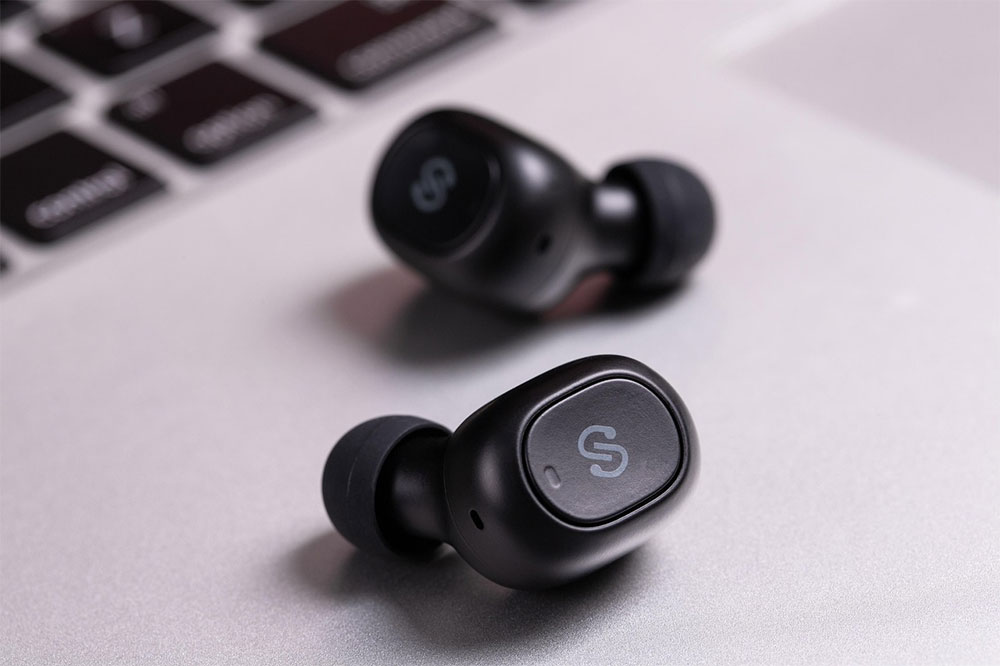
Bluetooth reaches a major milestone! Bluetooth HDT technology arrives: speeds surge 4x, and lossless audio and spatial computing are no longer bottlenecked.
Compared with the transmission performance of the existing Bluetooth LE 2M PHY, the newly introduced HDT physical layer adopts a more robust modulation scheme, boosting the maximum transmission rate to 7.5 Mbps and achieving nearly 4x growth. Neville Meijers, CEO of the Bluetooth SIG, said: “As the world’s most widely used wireless standard, the Bluetooth community has once again demonstrated its innovative momentum. Bluetooth HDT pushes technical performance to a new level, expanding the application possibilities in consumer, commercial, and industrial markets.”
In an increasingly crowded wireless spectrum environment, simply “getting faster” is not enough. Bluetooth HDT has deeply optimized its architecture across four key dimensions:
- Lightning-Fast Transfer: Nearly 4x bandwidth improvement dramatically shortens file sync and massive data transfer times, enabling more real-time interaction.
- Doubled capacity: significantly improves spectral efficiency, enabling multiple devices to smoothly exchange highly complex data within limited wireless resources.
- Improved energy efficiency: Because transmission time is significantly shortened, the antenna’s (RF) active RF transmission time is greatly reduced, allowing the device to remain in a low-power sleep state for longer and achieve the remarkable “higher performance while using less power” outcome.
- High reliability and interference resistance: enhanced robustness of signal links, maintaining stable connectivity even in harsh or complex wireless interference environments.
Samsung Electronics Executive Vice President Joonsuk Kim noted that the value of HDT technology goes far beyond speed itself; it also balances capacity, power consumption, and stability, providing hardware vendors and developers with a powerful foundation for building more complex applications.

As the application consumers care about most, the first wave of flagship Bluetooth HDT applications will focus on “standardized high-end wireless audio,” expected to officially debut in 2027. As HDT unlocks higher bandwidth and transmission performance, lossless audio, Hi-Res Audio, multichannel surround sound, and spatial audio—which were previously difficult to render perfectly due to insufficient Bluetooth bandwidth—will all receive standardized, full support, completely eliminating the loss of detail caused by audio compression in the past.
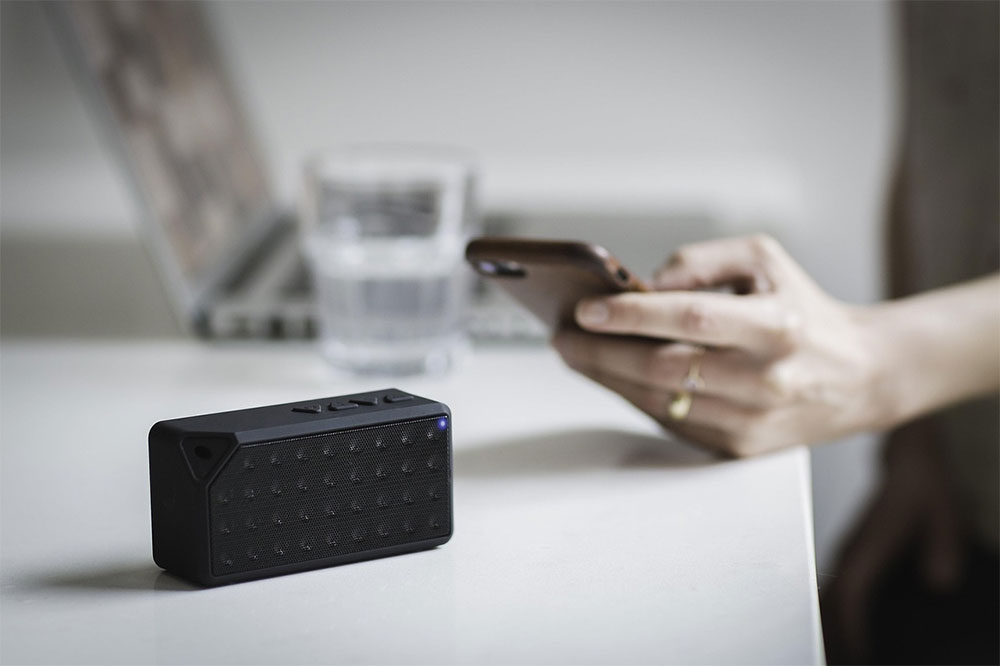
Beyond wireless audio, HDT technology’s high-bandwidth capabilities are also unlocking entirely new experiences across multiple cutting-edge fields:
- Immersive experiences and spatial computing: reducing transmission latency between XR devices and sensors for smoother virtual-physical interaction experiences.
- Edge AI devices: Enable endpoint devices to rapidly transmit contextual data and model inference data required for edge computing.
- Commercial and Industrial IoT (AIoT): providing robust connectivity for high-density automated monitoring and factory operations systems.
- Everyday wearables and smart homes: Nordic Semiconductor Executive Vice President Øyvind Strøm gives examples: future smartwatches will be able to sync hours of workout data in seconds; smart glasses can seamlessly offload heavy computing to a phone; and when smart home devices perform firmware updates (OTA), users won’t even notice any downtime.

Bluetooth HDT (High Data Throughput) technology has now been incorporated into the Bluetooth 7.0 specification for manufacturers to adopt. For more technical details and specification white papers, please visit bluetooth.com/HDT Browse.
Source: KOCPC Chinese