


YouTube continues to strengthen its copyright management mechanisms and help creators resolve music copyright issues through more smart tools. Recently, YouTube expanded the “Replace Song” feature in YouTube Studio to more countries and regions, allowing creators outside the European Economic Area to use this service as well, thereby reducing the risk of copyright disputes affecting video revenue or visibility.
YouTube’s AI feature for creators to replace copyright-protected songs expands to more regions.
In fact, the “Replace Song” feature was first launched in 2023. Its main purpose is to help creators quickly replace claimed songs with licensed music after a video receives a music copyright claim. With this tool, users do not need to re-edit the entire video or take down the content; they can replace the song with free music from the YouTube Audio Library in just a few steps, greatly simplifying the process of handling copyright issues.

Earlier this year, YouTube added generative AI technology to this feature, giving creators more customization options. Now, when a video receives a claim because its background music involves copyright issues, creators only need to log in to the desktop version of YouTube Studio, find the video that has been copyright-claimed, click the “Replace Song” feature, and then press the “Create” button among the suggested options. The system will then use artificial intelligence to automatically generate four brand-new royalty-free backing tracks for users to choose from.
YouTube states that these AI-created tracks are all unique versions, each up to three minutes long, and are suitable for use as background music. Creators can select the music that best matches their video style to replace content that originally involved copyright disputes. Notably, this AI-generated music can only be used in YouTube platform-related content and cannot be freely repurposed for other commercial uses or external platforms.
In recent years, YouTube has been actively developing various copyright management tools, hoping to protect the rights of copyright holders while also reducing the likelihood that creators will be penalized for misusing music. One of the most representative features is the AI-driven “Erase Song” tool launched in 2024. This technology attempts to identify copyrighted music in videos and, while preserving dialogue, vocals, or other important audio, remove only the problematic music segment, sparing creators from having to re-upload their videos.
For creators who don’t particularly care about certain visuals or background audio, YouTube also still offers a more traditional solution. Users can use the “Trim” tool to directly remove the segment on the video timeline that involves copyright issues. After editing is complete, the related copyright claims are usually resolved as well. Although this method is relatively straightforward, if the deleted content affects the video’s integrity, it may sacrifice some of the viewing experience, so many creators prefer newer solutions such as Replace Song or Erase Song.
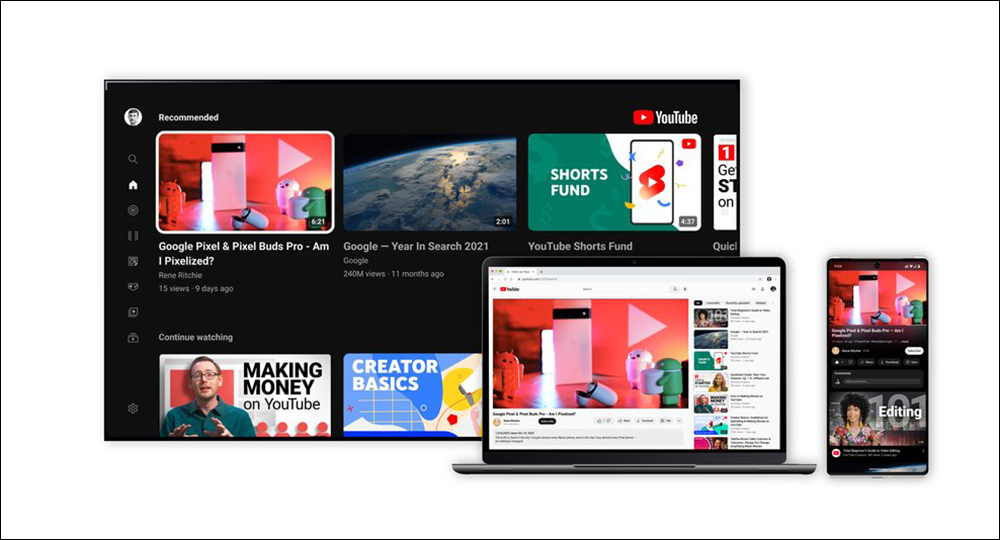
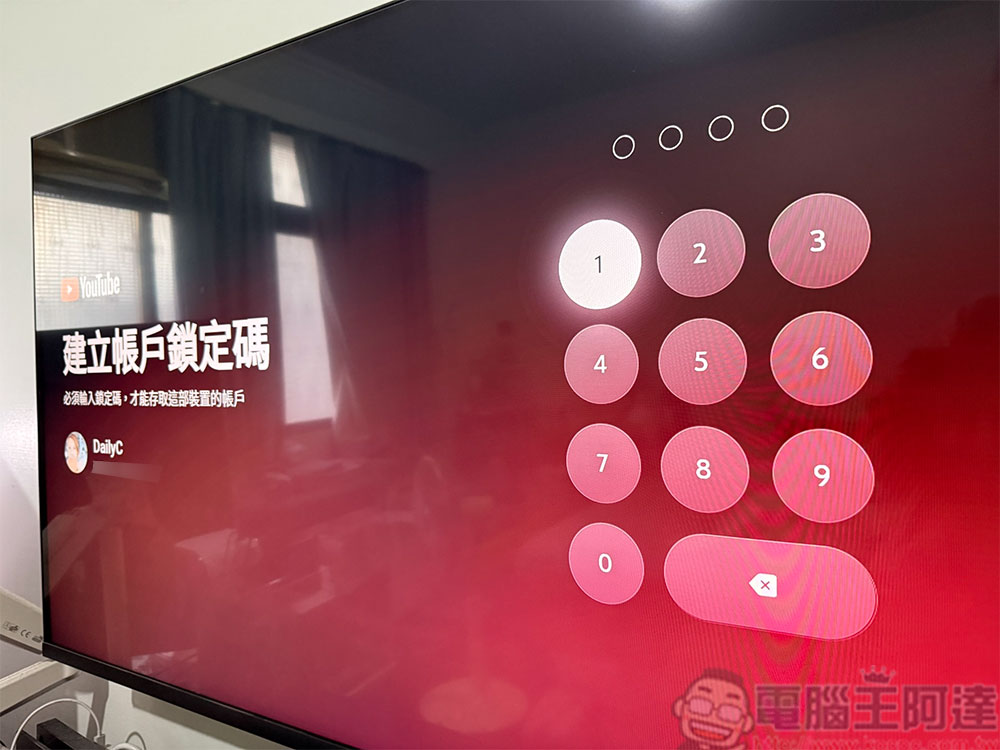
In addition to the continuous upgrades to its copyright features, YouTube has also recently beenThe smart TV platform has launched a new privacy protection mechanism called Smart Lock.This feature is designed primarily for shared family environments and is especially suited to situations where multiple family members share the same smart TV but each has their own YouTube account.
In the past, if users wanted to protect their personal watch history, recommendations, or subscription information, they had to enter a PIN code using the TV remote for verification. However, entering a password character by character with a TV remote is often time-consuming and inconvenient. To solve this issue, YouTube has integrated the verification process with mobile devices. When someone tries to open a protected account, the YouTube app on the account holder’s phone will immediately receive a notification, and they only need to tap to confirm to complete verification and unlock the account.
Overall, whether it’s AI music generation, smart copyright handling tools, or new account privacy protection mechanisms, all show that YouTube is accelerating the adoption of artificial intelligence technology in an attempt to achieve a better balance among creator convenience, copyright management, and user experience. For creators who frequently produce video and audio content, these new features not only save editing time but also help reduce copyright risks, making the content creation process smoother.
Data source:YouTube
Source: KOCPC Chinese