


Over the past few years, sharing photos, videos, and files through Apple’s iCloud service has become a routine activity for many users. Whether it’s a family vacation album, work documents, or large video files between friends, all it takes is creating a public link to quickly send them to anyone. However, most users may never have carefully considered this: besides the recipient, who else can see this content?
Will Apple scan publicly shared iCloud content? The new iOS 27.3 policy sparks debate over privacy and security.
In recent years, sharing photos, videos, and files via iCloud has become routine for many users. Whether it’s a family vacation album, work documents, or large video files between friends, all it takes is creating a public link to send them quickly to anyone. However, most users may never have carefully considered: besides the recipient, who else can see this content?
Today, Apple seems to have decided to answer this question head-on. According toApple’s latest support documentIn the future, once iOS 27.3, iPadOS 27.3, macOS 27.3, and visionOS 27.3 launch, the system will begin checking iCloud content shared via “Anyone with the link” to determine whether it contains harmful or violating information. Although the related feature has already appeared in developer betas, the official version is expected to launch in late 2026.
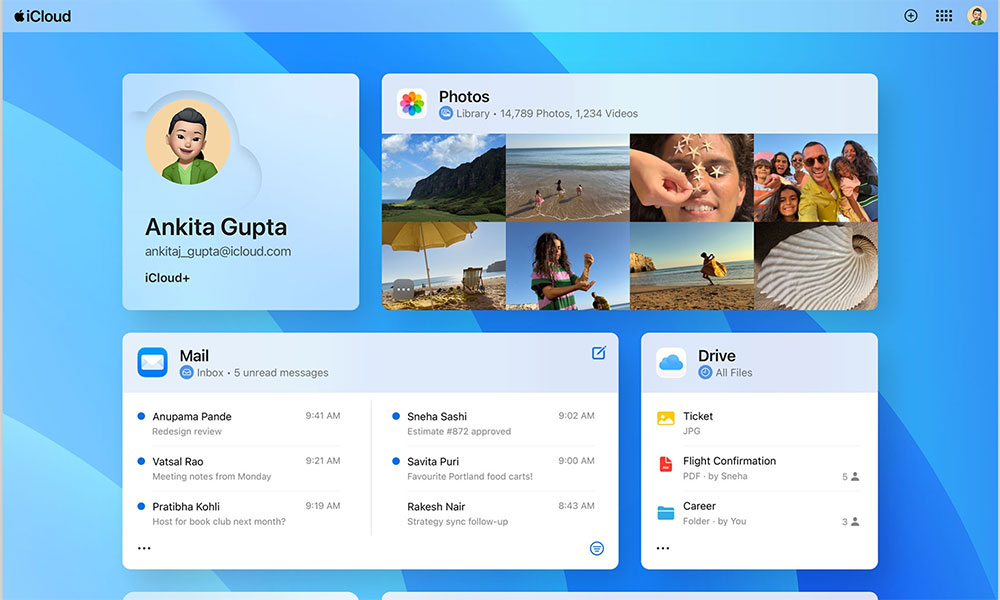
Currently, when users share content through iCloud Photos or iCloud Drive, Apple offers two main permission settings. The first is “People You Choose,” where only invited users can access the content; the second is “Anyone with the Link,” where anyone who has the URL can view or download the files. According to Apple, the new measure targets the latter, namely publicly shared links. In other words, content shared through private invitation mechanisms is not within the scope of this check.
To some extent, this policy is not a major technological shift in the true sense. Publicly shared data was never covered by end-to-end encryption, so Apple has in theory always had the ability to access and manage this content. The new measures are more like institutionalizing the management authority that already existed and further implementing platform governance responsibilities.
However, what has really drawn outside attention is that Apple’s definition of “Harmful Content” is quite vague. In public documents, Apple did not explain the detection mechanisms in detail or list specific violations. The company only mentioned that the relevant measures may involve cooperation with law enforcement agencies but did not further explain the criteria for determination. As a result, outsiders generally speculate that future detection may prioritize malware distribution, scam files, child sexual abuse material (CSAM), or other clearly illegal data. However, as of now, Apple has not confirmed any specific scope, so the relevant inferences still await further official clarification. For Apple, which has long made privacy protection a core part of its brand, how to strike a balance between platform security and user trust will become a key focus of outside observation.

If the system determines that shared content violates the rules, Apple reserves broad discretion. According to the support document, the company has the right to move, refuse, modify, remove, or directly delete the relevant material. In certain cases, Apple may even restrict or disable a user’s Apple Account and report to law enforcement as required by law. Although such measures help prevent illegal content from spreading through cloud platforms, they once again raise a long-standing debate in the tech industry: To what extent should platforms intervene? And how much privacy are users willing to sacrifice for security?
In fact, for the vast majority of iCloud users, this policy may have little to no noticeable impact. Publicly shared links are usually used for family photos, travel videos, event records, or work files, and rarely involve violating content. As a result, most people may not even notice that the system has begun performing additional checks.
However, this adjustment still reminds users to rethink how they share files. If the content involves personal privacy, confidential information, or sensitive data, choosing the restricted “Only People You Choose” sharing mode, or even sharing directly via “Send a Copy,” remains a relatively safe and controllable approach. From a broader perspective, Apple’s new policy reflects cloud services gradually moving toward more active content governance. Striking a balance between combating illegal content and protecting user privacy will be a key issue that all major technology platforms must face in the future.
Source: KOCPC Chinese