


Ice cream is many people’s favorite dessert on a hot summer day, but did you know that this refreshing treat has been around for nearly 2,500 years? From the sophisticated refrigeration technology of ancient Persia, to the Sushan that Chinese Tang Dynasty poet Wang Lingran described as “between solid and liquid, melting in the mouth”, to the careful research and development of European chefs in the 17th century, the evolution of ice cream is full of human persistence and wisdom in “eating ice”. This article will take you through time and space to explore how ice cream went from being a luxury treat for the aristocracy to becoming a national dessert that everyone can taste today.

Underground ice cellar technology in ancient Persia
The whole story originates from the Persian Empire around 400 BC, which is today’s Iran. At that time, people built a kind ofYakhchal” underground ice cellar, this architectural design is extremely sophisticated: the storage deep underground has good thermal insulation effect, the dome design allows hot air to rise and escape, and the special ventilation device guides the cold air to the bottom. This design allows people to preserve ice collected in winter all year round, even in the hot summer months.
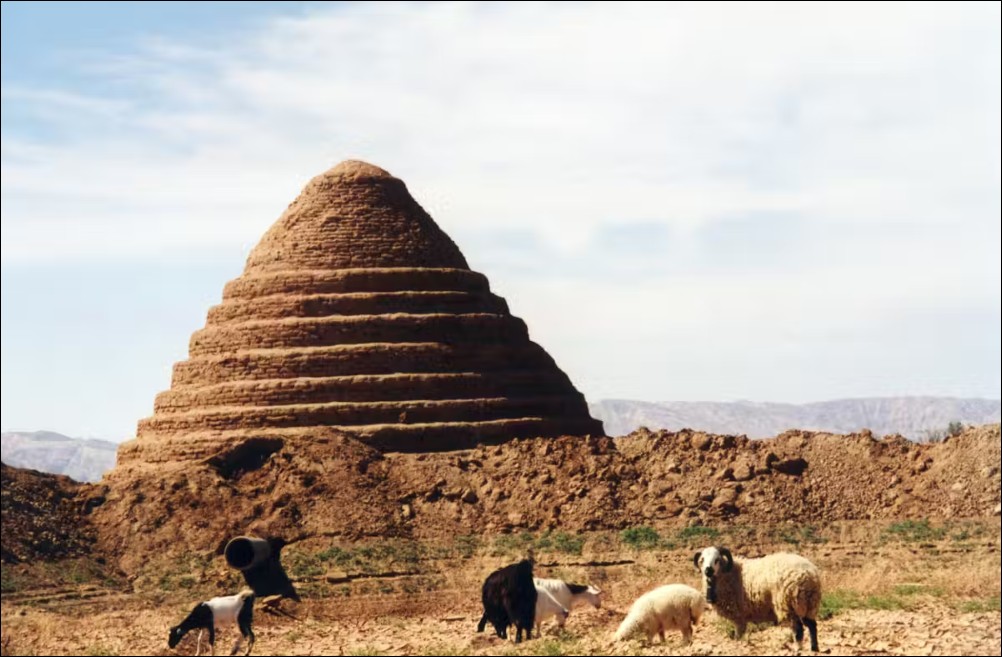
The function of Yakhchal is not just to store ice cubes, it is also a natural “ice making machine”. In winter, people will introduce water into these underground spaces and freeze the water through the principle of evaporative cooling. These precious ice cubes were then used to make a variety of early “ices,” including sorbets flavored with honey syrup, granular smoothies, and a unique dessert called faloode, made from rose water and cornstarch and made into noodle shapes. It was a specialty ice product during the Persian Empire.
As the Arab Empire expanded in the 7th century, the technology spread throughout the Middle East. In Syria, locals developed “buzza” and added orchid root powder (sarep) to create an ice product with a unique sticky texture. This is the prototype of modern ice cream texture.
The ice confection tradition of ancient Eastern countries: “Sushan” in the Tang Dynasty of China
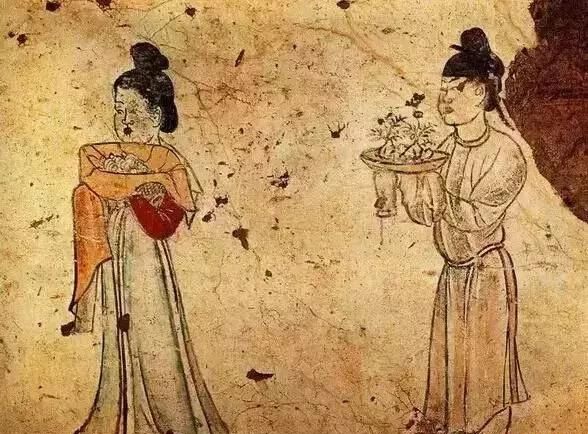
At almost the same time, a similar ice fruit culture also appeared in the ancient ancient country in the East: the Tang Dynasty of China. “Sushan” was a very popular dessert in the palace at that time. Its production method was similar to that of farade: goat milk curd (a solid dairy product similar to yogurt) was melted and filtered, then poured into a mountain-shaped metal mold to cool and shape. Wang Lingran, a poet of the Tang Dynasty, once described the taste of Sushan in beautiful words, saying that it is “between solid and liquid, melting in the mouth.” This vivid description gives us a glimpse of how Chinese nobles enjoyed summer ice cream thousands of years ago. It is worth noting that whether it is Farade from Persia or Sushan from China, these early ice fruits all have a common fatal weakness: they are easily melted at high temperatures and difficult to preserve for a long time.
The cooling technology revolution of the 16th century
The fortunes of ice cream took a major turn in the 16th century. In 1558, Giambattista della Porta, a natural philosopher from Naples, Italy, first recorded a key discovery in his book Magia Naturalis: adding saltpeter (potassium nitrate) to ice cubes rapidly cooled the surrounding liquid. This discovery opened the door to mass production of ice cream.
By the 17th century, scientists further discovered that a mixture of common table salt and ice cubes could also produce significant cooling effects. The freezing point of salt water mixtures is much lower than that of pure water, which means that even at higher ambient temperatures, ice-salt mixtures can stay below freezing, allowing liquids to freeze smoothly. This technological breakthrough has significantly reduced the cost and difficulty of making ice cream. From then on, the production of ice cream no longer relies entirely on the supply of natural ice cubes.
In addition, cheap cane sugar from European colonies in the Caribbean entered the European market in large quantities, which also became an important milestone in the history of ice cream development. Sugar plays a key role in ice cream: not only does it provide sweetness, it prevents the mixture from freezing into solid ice and gives the ice cream its creamy, smooth texture.
1690s: The birth of modern ice cream
After hundreds of years of technological accumulation, the recipe for modern ice cream finally appeared in Europe at the end of the 17th century, and similar recipes appeared in Italy and France almost at the same time. In Italy, Alberto Latini, a chef who worked for Cardinal Barberini, published his famous “milk sorbet” recipe. This dessert uses milk, sugar, fruit preserves and other ingredients, and is considered to be the direct ancestor of the classic Italian dessert “gelato”.
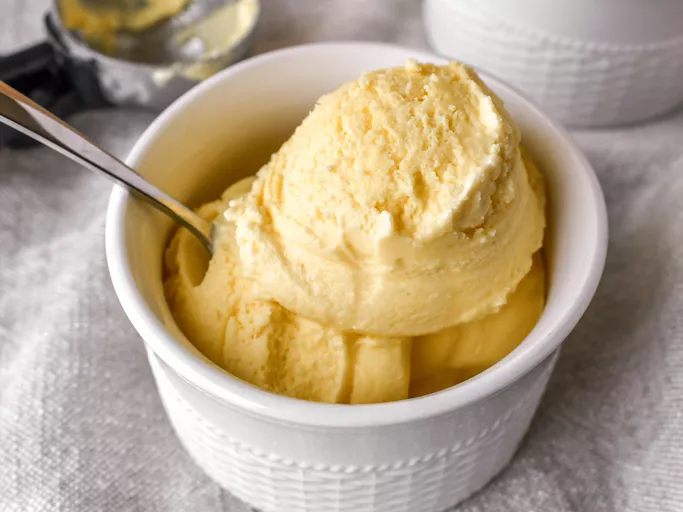
At almost the same time, in the cookbook “La maison réglée” published in 1692 by the royal cook Nicolas Audiger at the Palace of Versailles of Louis XIV, the French Sun King, he detailed the preparation method of ice cream flavored with sugar and orange blossom water.
Historians still debate who is the inventor of ice cream. Food historian Van Dyck believes that Audigier described in detail the technique of stirring and scraping the mixture to even out the texture and sugar distribution, suggesting that he may have studied in Italy and further refined the local techniques. Regardless, the 1690s were undoubtedly a watershed in the history of ice cream, as the dessert began to become popular among European aristocrats.
Big Ice Cream Consumers: The Surprising Love of Cold Countries
Today, ice cream has become one of the most popular desserts in the world. According to statistics, the country with the highest per capita ice cream consumption in the world is New Zealand, followed by the United States and Australia. This result may surprise many people. The top rankings are not tropical countries, but Nordic and North American countries known for their cold climate. After the top four, there are cold countries such as Finland, Sweden, Canada, and Denmark. Food historian Van Dyck put forward an interesting explanation for this phenomenon: “People seek to cool down when it is hot, and they hope to use ice cream to boost their mood when it is cold and gloomy.” Regardless of the season or climate, a cup of ice cream always seems to bring happiness and satisfaction.

Conclusion: Humankind’s obsession with “eating ice”
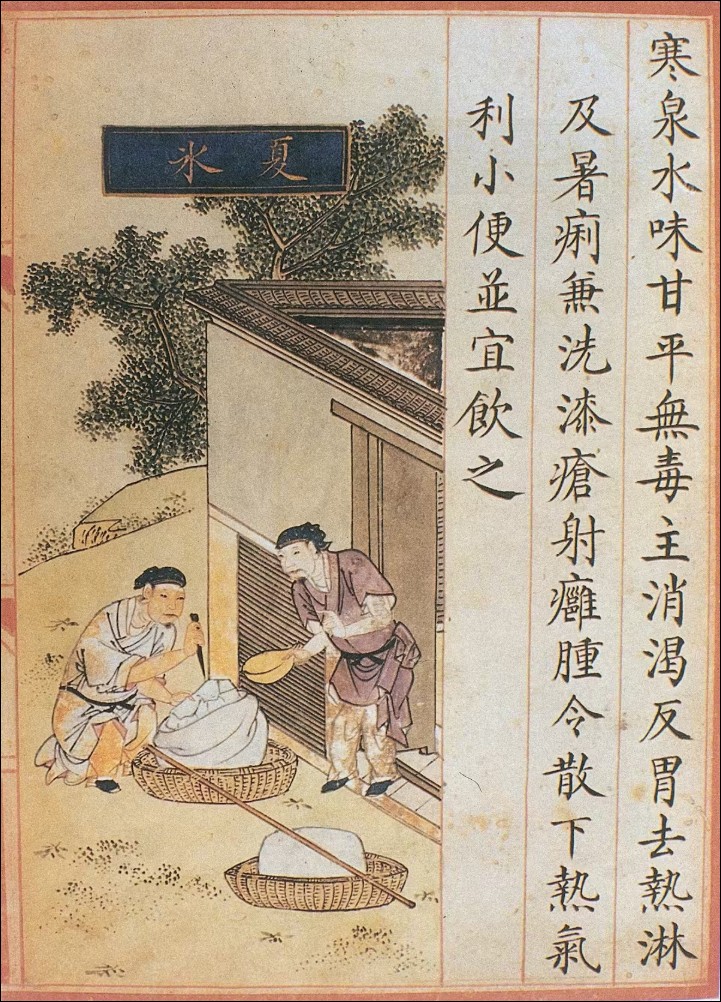
From the underground ice cellars of the Persian Plateau, to the Sushan Palace of the Tang Dynasty in China, to the royal kitchen of the Palace of Versailles in France, the evolution history of ice cream reflects mankind’s eternal desire to fight the heat and pursue delicious food. For 2,500 years, despite innovations in preparation techniques, the essence of this dessert has remained the same, bringing a touch of coolness in the heat of summer and a burst of sweetness on the tongue. The next time you taste ice cream, think about the long history of this dessert and the ancient people who racked their brains just to have a bite of ice in the summer before there were refrigeration. Perhaps, you will find that the ice cream in your hand becomes more delicious.
Source: KOCPC Chinese