


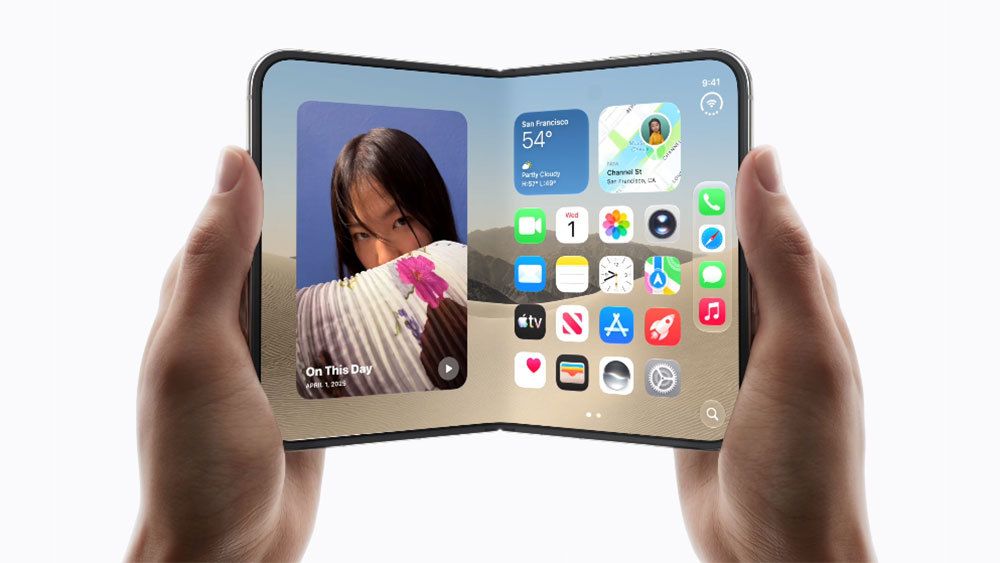
As widely expected, the newly announced iPhone Duo continues Apple’s signature minimalist aesthetic and top-tier craftsmanship; however, the dual-screen flagship’s $1,999 price tag has also caused quite a stir in the tech world.
For early adopters chasing the ultimate tech experience, the iPhone Duo is undoubtedly highly appealing; but if you value everyday practicality and cost-effectiveness more, you may want to think calmly: at this stage, is buying an iPhone 18 Pro plus an iPad smarter than going straight for a top-tier foldable? Putting a “phone-tablet 2-in-1” in your pocket sounds great on paper, but when it comes to real-world usage scenarios, these 8 practical considerations may make you reevaluate your purchase budget.
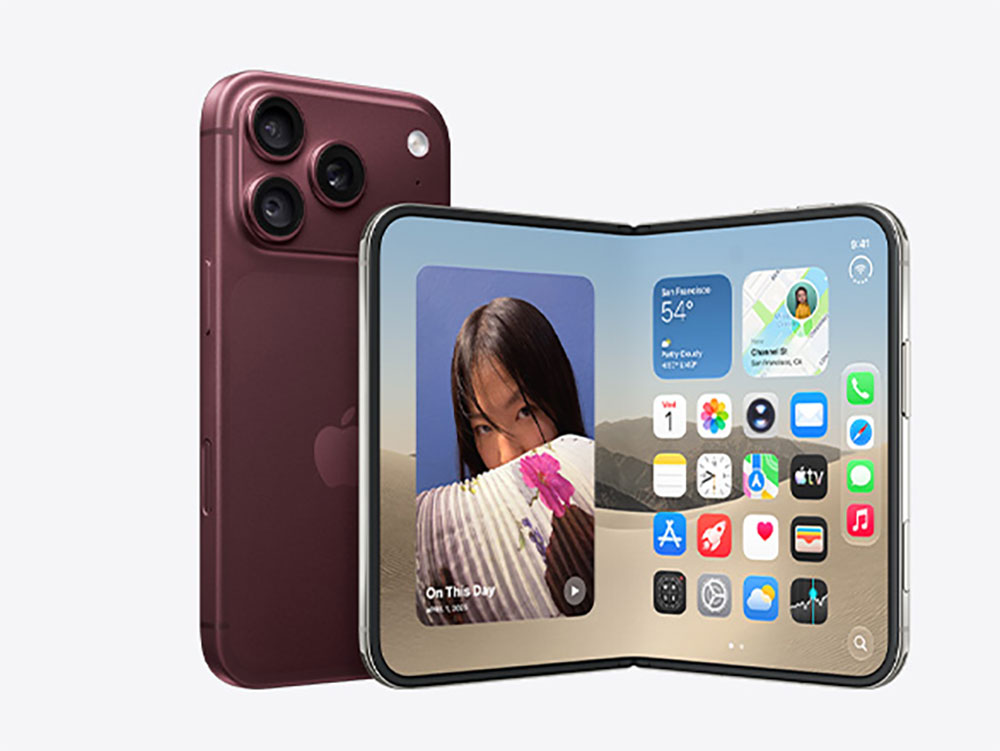
Why is it more cost-effective to buy an iPad alongside an iPhone than to go straight for an iPhone Duo?
1. Crunch the numbers: buying a phone and a tablet separately can actually save you money.
Admittedly, the iPhone Duo’s nano-textured polymer display feels exceptional, its screen-switching animations are silky smooth, and it even offers IP68 dust and water resistance that most modern foldables struggle to match. But however impressive the hardware is, the $1,999 price barrier is still daunting.
In fact, by splitting this budget, you can get a more complete dual-device experience:
- High-end combo: iPhone 18 Pro ($1,199) paired with the latest iPad Pro ($1,199). Although the total price is about $400 more than the iPhone Duo, you get two top-tier flagships in their respective categories.
- High-value combo: If you replace the tablet with an iPad Air paired with an iPhone 18 Pro, the total comes to about $50 less than buying a single iPhone Duo; choosing the standard model saves even more.
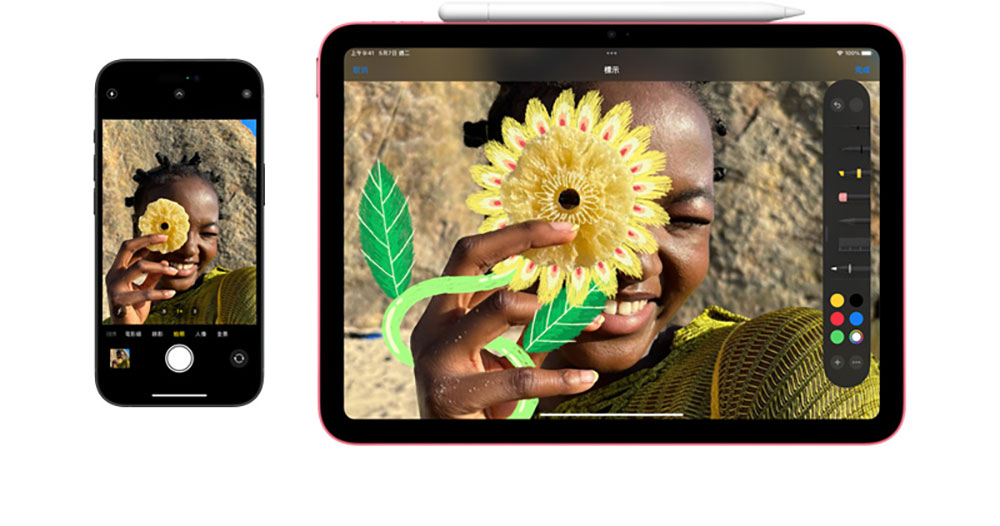
2. When it comes to true multitasking productivity, the iPad still has the final say.
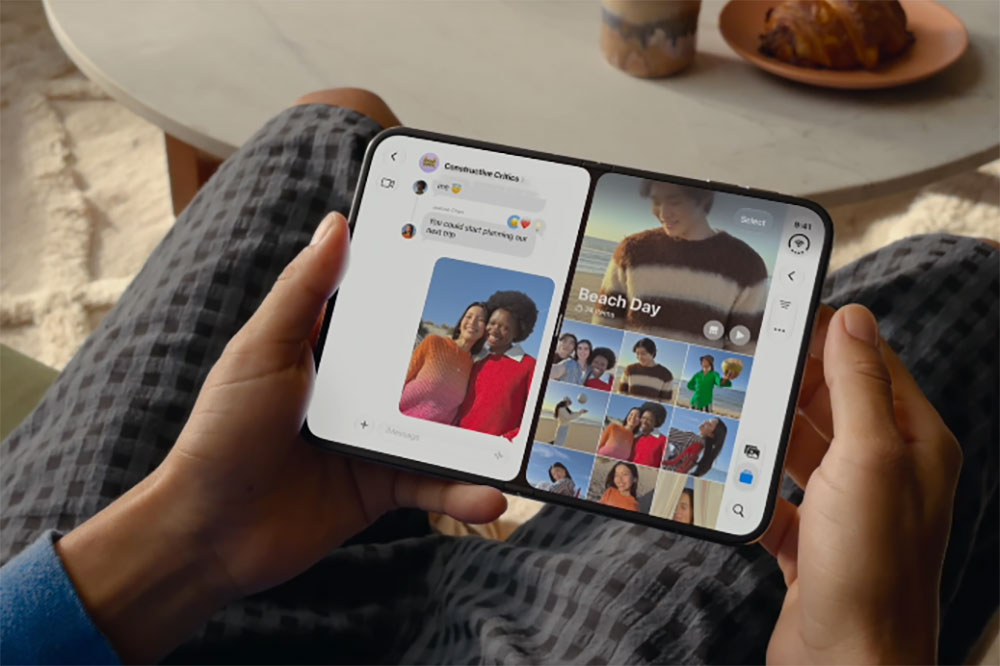
The iPhone Duo’s 7.6-inch inner screen supports split-screen, letting two apps run side by side—genuinely more capable than an ordinary smartphone. But when it comes to real productivity, the iPad remains the undisputed king.
Through Multitasking & Gestures in iPadOS Settings, you can turn on Windowed Apps to resize windows freely, or enable Stage Manager to group multiple apps and switch between them quickly. Not to mention those familiar red-yellow-green traffic-light buttons in the top-left corner of windows that Mac users know so well—one click for full screen, minimize, or close, with a smoothness far beyond what phone-level split screen can match.
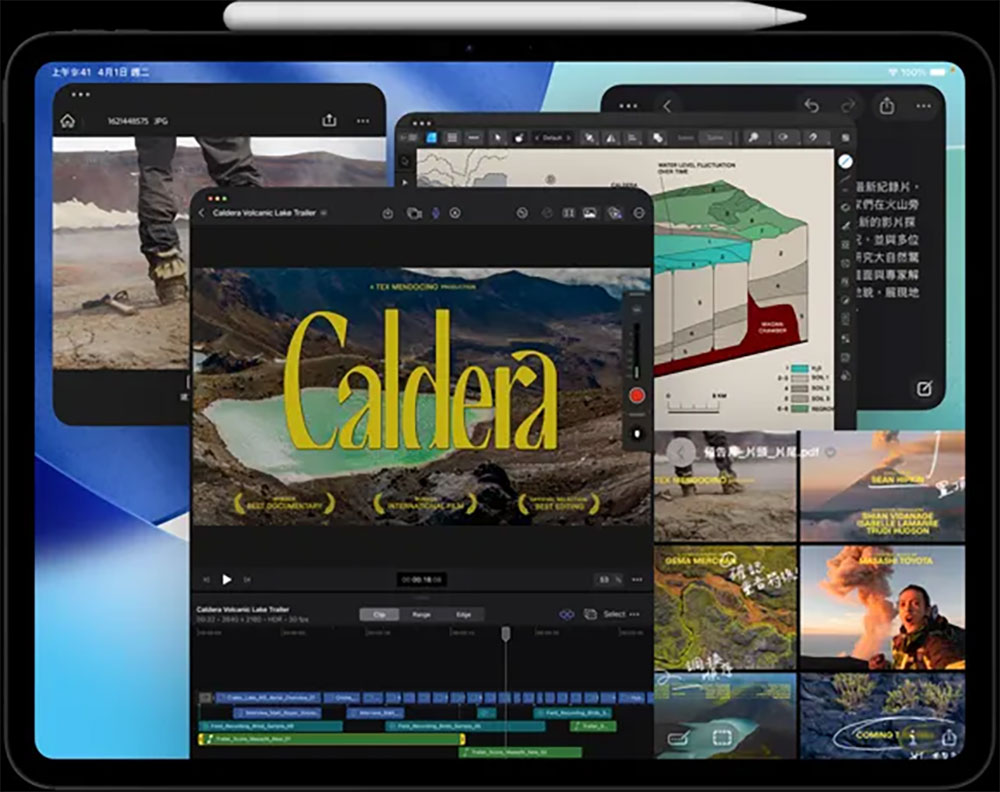
3. The maturity of ecosystem accessories is not on the same order of magnitude.
As a first-generation product, the iPhone Duo still has a rather sparse accessory ecosystem; at present, the only thing that comes to mind is basically a protective case with a built-in stand. In contrast, the iPad, which has been established for many years, already has a vast and mature lineup of accessories:
- Apple Pencil experience gap: Although both can use Apple Pencil, the iPad’s large screen is clearly better suited for drawing and note-taking, and it supports magnetic wireless charging; the iPhone Duo can only attach via the weak magnetic force at the hinge, cannot charge, and does not even support Apple Pencil Pro, so it completely misses out on advanced gestures such as pressure sensitivity, double-tap, and squeeze.
- Keyboard turns into laptop: With its dedicated Magic Keyboard, the iPad can transform into a lightweight 2-in-1 laptop; although the iPhone Duo can connect to an external USB-C keyboard, it lacks an integrated case-style keyboard solution, greatly reducing the convenience of working on the go.
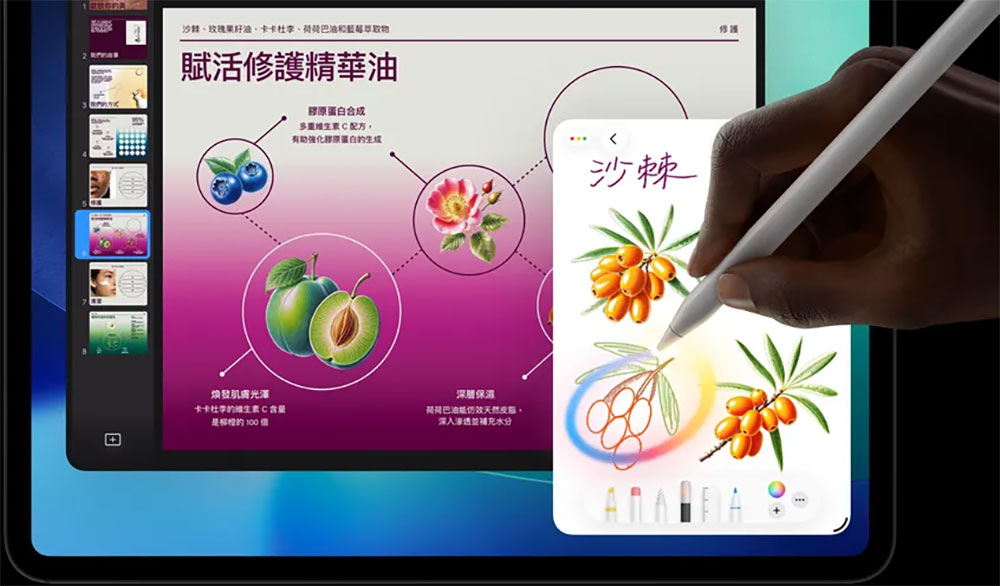
4. The software ecosystem has yet to catch up, leaving the large screen as little more than a “bigger phone.”
The hardware specs are in place, but the software is still lagging behind. Currently, most third-party apps have yet to optimize their interfaces for the iPhone Duo’s inner screen, making it difficult to take advantage of the expanded space:
- Google’s suite performs mediocrely: Sheets, Docs, Drive, and Calendar under Google are not fully adapted to large screens; the only one that can fill the screen, Gmail, also feels quite half-baked due to the lack of a Split View mode.
- Everyday commonly used apps are conspicuously absent: including Uber, LinkedIn, DoorDash, Instacart, and most online banking apps, on the inner screen they are currently just simple stretched interfaces. Until developers fully catch up, the practicality of this large screen remains in question.
5. The repair bill is shocking—without AppleCare+, you really can’t afford the repair.
Without adding AppleCare+, out-of-warranty repairs for Apple products have always been expensive, and the iPhone Duo has raised the ceiling even higher—its maximum repair cost is a full $300 more than the iPad Pro’s, reaching $1,499 (almost as much as buying another new phone).
Although Apple offers granular repair options for the iPhone Duo, from the outer protective film to the inner display module, the repair cost is still jaw-dropping once the damage goes beyond the battery, screen, or screen protector. By comparison, the worst-case repair cost for the iPad Pro is $1,149, and for the iPad Air ($699), iPad mini ($529), or standard iPad ($379), upkeep costs are much more affordable.
6. Choosing a foldable phone means compromising on flagship cameras.
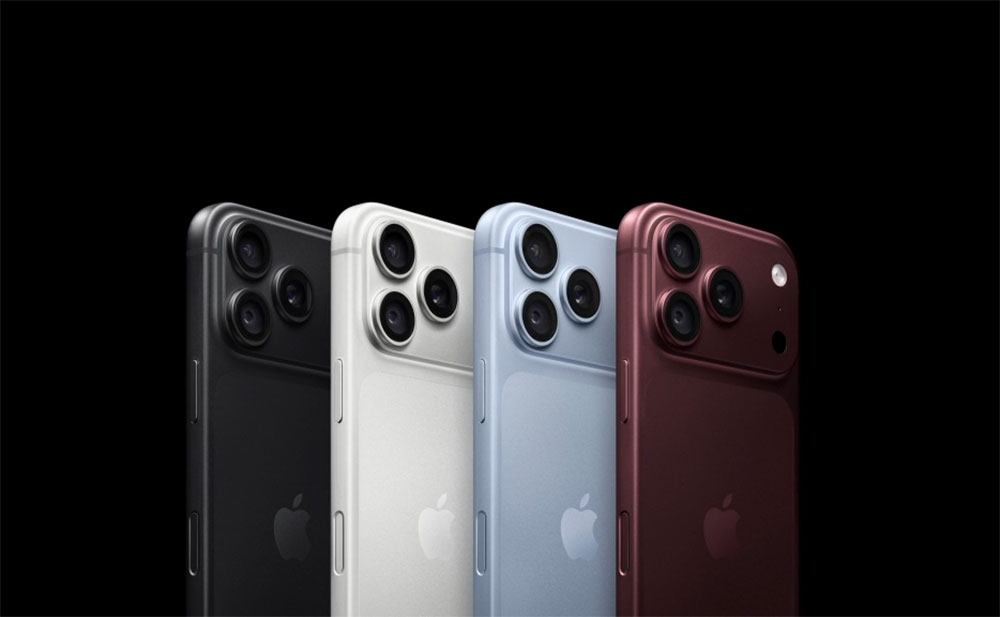
The iPhone Duo features dual 48-megapixel cameras (main + ultra-wide). Although its on-paper specs easily beat the iPad Pro’s single 12-megapixel camera, the gap becomes immediately apparent when compared with the same-generation iPhone 18 Pro; the Duo’s imaging quality falls roughly in the range of the previous-generation iPhone 17 Pro.
Not only does it lack a dedicated telephoto lens and variable aperture design, but even its 12-megapixel front camera is inferior to the iPhone 18 Pro’s 18-megapixel specification. Although the Duo can take advantage of its foldable form factor to preview via the cover screen and use the main camera for high-quality selfies, this is also its only advantage over the Pro model in the imaging system.
7. Flexible screens are inherently delicate and far less durable than the iPad.
To achieve the physical property of being bendable, the inner screen of a foldable phone must use flexible materials, which inevitably makes it more fragile than traditional glass screens.
According to testing by the well-known torture-test channel JerryRigEverything, the iPhone Duo’s outer screen is no different from that of a regular phone and can withstand scratches at Mohs hardness level 7; but the inner screen develops visible scratches at Mohs hardness level 2 and above, meaning keys, sand, dust, or even fingernails could all be screen killers. By comparison, the glass screen on a traditional iPad can withstand Mohs hardness levels 6 to 7, so there is no need to worry at all in daily use.
8. Flexible size options: take your pick from 8.5 inches to 13 inches
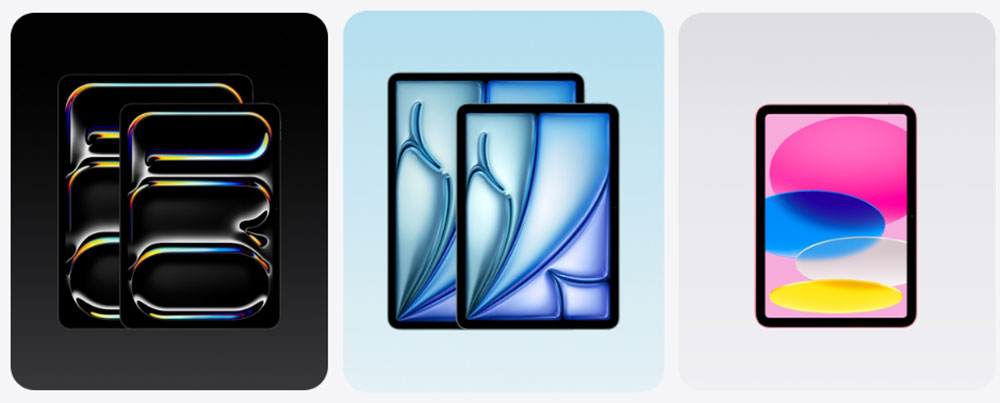
Although the 7.6-inch screen on the iPhone Duo when unfolded is portable, the “single-size” design may not satisfy everyone. If you’re after a more immersive visual experience or more reading space, the iPad lineup offers a full spectrum from small to large:
- Ultimate portability: The 8.5-inch iPad mini is the closest in size to the unfolded iPhone Duo, making it effortless to hold with one hand.
- Golden ratio: the 11-inch standard iPad, iPad Air, and iPad Pro, balancing portability with a working view.
- Big-screen enjoyment: The 13-inch iPad Air and iPad Pro offer a broad canvas comparable to a laptop.
9. The hidden ace: iPad is the most reliable wireless secondary display for Mac.
After all, the iPhone Duo is a standalone phone and cannot deeply integrate its display with other Apple devices; the iPad, however, can instantly turn into a second screen for a MacBook through the built-in Sidecar feature.
As long as you sign in with the same Apple ID, you can move Mac windows to iPad or back to Mac with one click, seamlessly switching between mirroring and extended desktop to create a highly mobile dual-screen workstation. (Even if you’re a cross-platform user, you can connect to a Windows computer via Duet Display or Luna Display—a productivity boost that phones absolutely cannot achieve.)
Source: KOCPC Chinese