


Generative AI is rapidly reshaping the barriers to software development. From Opal, launched by Google, to the app-building capabilities integrated into Google AI Studio, to the Vibe Coding concept championed by platforms such as Replit, more and more tools are enabling users to build applications through natural language without needing a traditional software development background.
Now Meta has officially joined this AI app-generation race, but is taking a different path.
Meta launches Spaces: turning AI into a personal app factory
Meta recently announced that its Muse app has added a “Spaces” feature, allowing users to create personalized interactive experiences through conversation. Unlike companies such as Google and Replit, which tend to describe such products as “apps” or “mini apps,” Meta positions them as customized digital spaces built around personal interests, daily habits, and work needs.
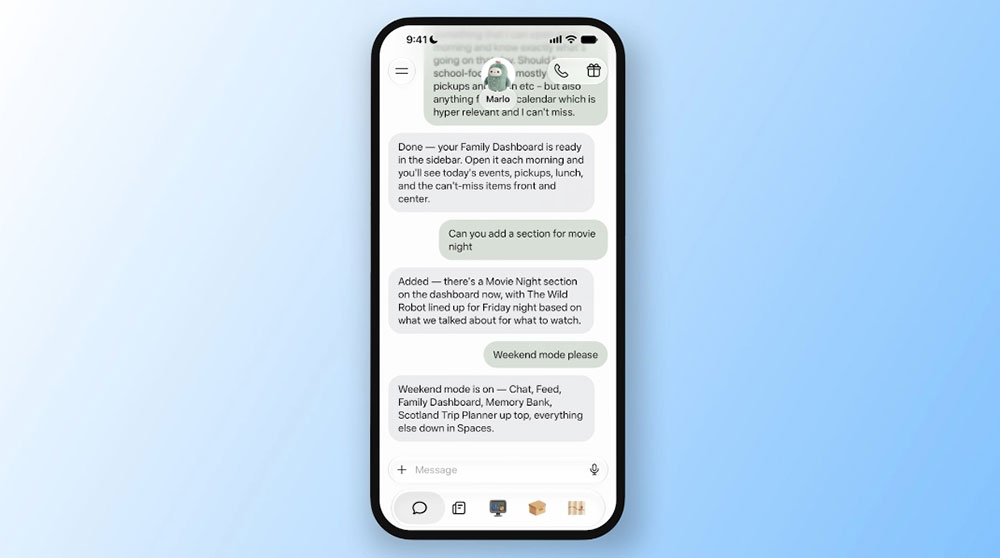
Using it is quite intuitive. Users only need to describe their ideas to Muse—for example, wanting to create a travel planning tool, an interface for tracking a shopping list, or a dashboard for managing daily work—and the AI will automatically generate the corresponding experience from scratch. After it is completed, users can continue to adjust the content through natural language, asking Muse to add new features, change the design style, or rearrange the workflow to further optimize the overall experience.
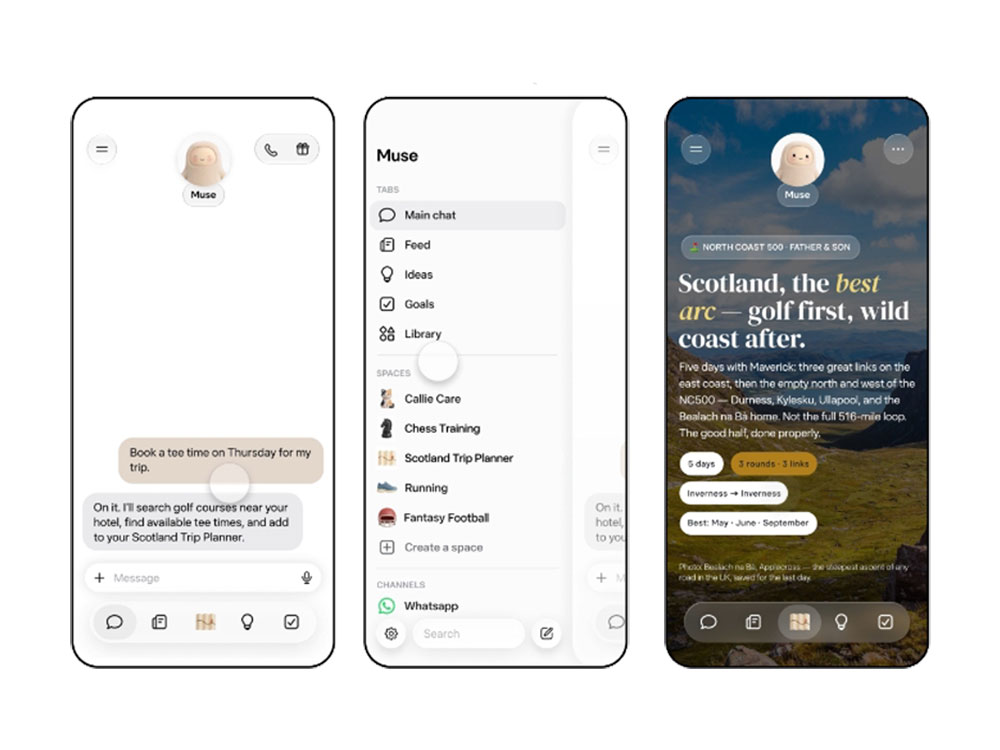
Unlike ordinary standalone applications, all Spaces exist within the same Muse ecosystem. Users can pin frequently used spaces to the sidebar or home tab, hide specific spaces as needed, and even configure different content to display at different times. For example, on weekdays it automatically shows work schedules and project planning panels, while on weekends it switches to leisure activities or personal travel planning tools, allowing the interface to dynamically adjust with the rhythm of life.
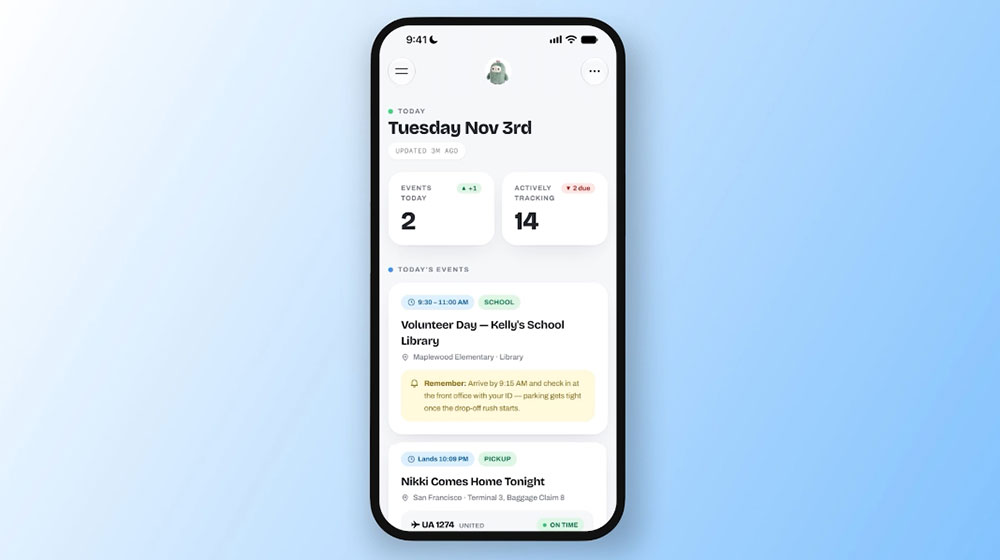
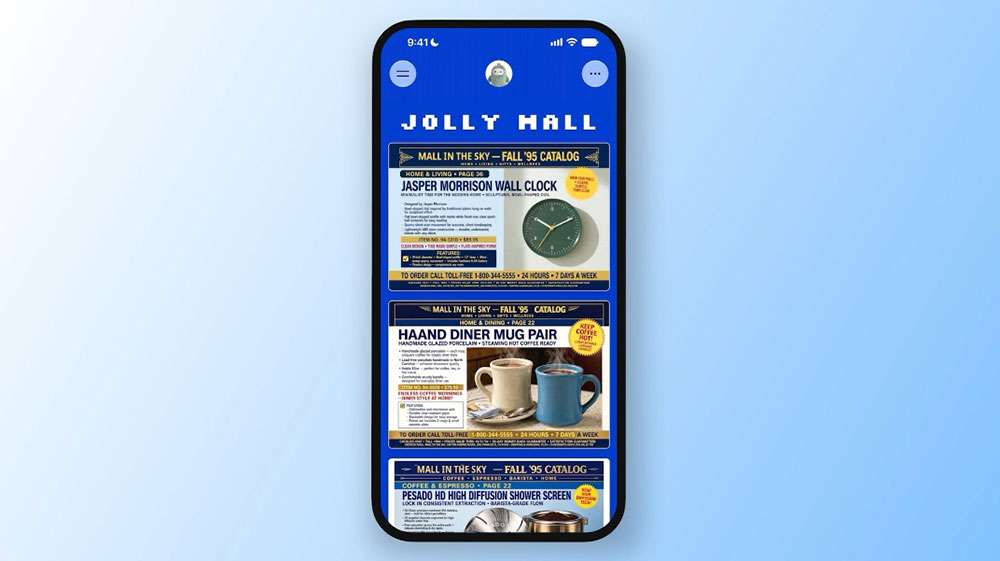
Meta also showcased several potential use cases. Consumers can create a personalized shopping hub to centrally manage wish lists, product tracking, and gift ideas; music fans can build a concert-tracking dashboard to get real-time updates on new albums and concerts from their favorite artists. In addition, school course management platforms, wedding planning tools, podcast production studios, order tracking systems, and customer management centers can all be quickly generated through Spaces.
Playing around with spaces in Muse lately — tell Muse what you need and it builds it. I’ve made a BBQ game, an event tracker, and a home control dashboard. Excited to see what you build. https://t.co/ksaKEQVKa9
— Mark Zuckerberg (@finkd) November 6, 2026
From a product positioning perspective, what Meta is trying to solve is the problem of “ideas being hard to implement.” Many users often have various needs and ideas, but due to limited technical ability or development costs, they ultimately remain at the conceptual stage. The core concept of Spaces is to turn AI into a personalized development partner, enabling any idea to be quickly transformed into a practical digital tool. To some extent, Spaces can be seen as an “app within an app.” Each space is a personal dedicated environment from the moment it is created. When users further connect commonly used services and data sources, the system can also continuously sync and update information in the background, including price changes, shopping deals, or other tracking data, proactively providing relevant assistance without the need to frequently switch between different apps.
In addition to the Spaces feature, Meta also announced a new generation of models designed specifically for Meta AI and Muse. According to the company, these models are built on the technical foundation of the Muse Wonder model family and have stronger contextual memory capabilities, enabling them to retain users’ important information and preferences over extended periods. At the same time, when the system encounters interruptions or errors while executing tasks, it can more effectively recover previous progress, improving the overall fluency and reliability of interactions.
As Google, Meta, Replit, and other companies successively enter the field of AI-native app generation, “everyone can build their own software” is gradually moving from concept to reality. And the vision Meta has proposed through Spaces is clearly not just about lowering the development barrier; it also aims to make AI a personal digital operating system, integrating work, entertainment, and life needs into a single intelligent platform. Whether this new model of “generating apps through conversation” can become the mainstream entry point for the next wave of consumer AI is worth continued observation.
Source: KOCPC Chinese