


In recent years, the smart TV market has continued to thrive, with much of the discussion focused on how OEM manufacturers collect, use, and protect consumers’ personal data. However, beyond the privacy issues between companies and users, privacy protection among family members is also equally important. As smart TVs gradually become the core of home entertainment, many people place TVs in public spaces such as the living room and log into multiple accounts in the YouTube app so that family members can share it. However, this practice has long had an obvious privacy loophole, and YouTube has now finally introduced a solution to this problem.
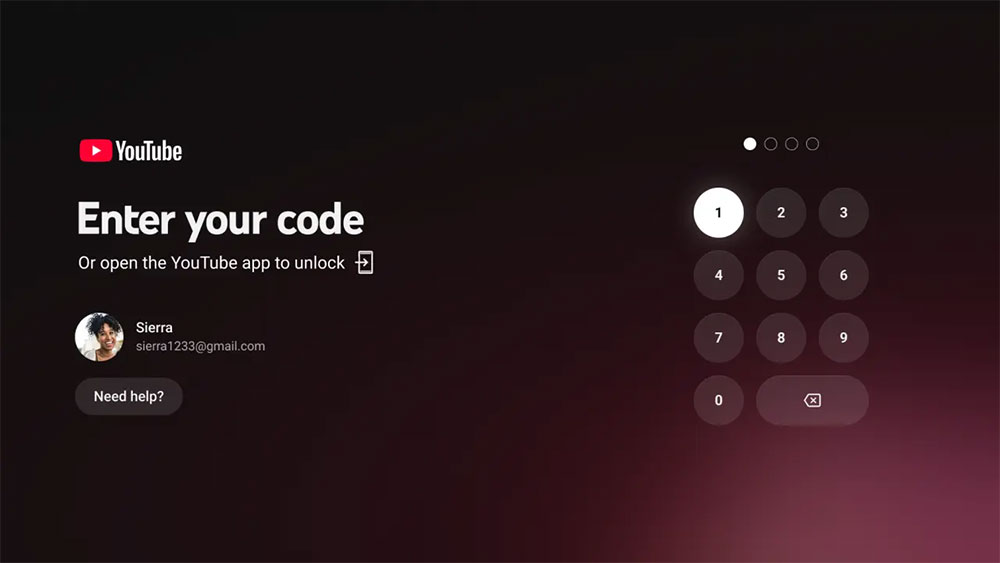
YouTube enhances smart TV privacy protection, adds 4-digit PIN lock feature
In the past, on the smart TV version of YouTube, as long as multiple accounts were saved on the device, anyone could freely switch between them and open any profile, and the system would not further verify the user’s identity. In other words, as long as one had access to the TV, whether family, friends, or even guests, they could potentially view other accounts’ watch history, search history, recommended content, and personalized settings. Although smart TVs are usually located in shared spaces, and many people may not deliberately hide their viewing preferences, for those who value personal privacy, this design undoubtedly poses a certain risk.
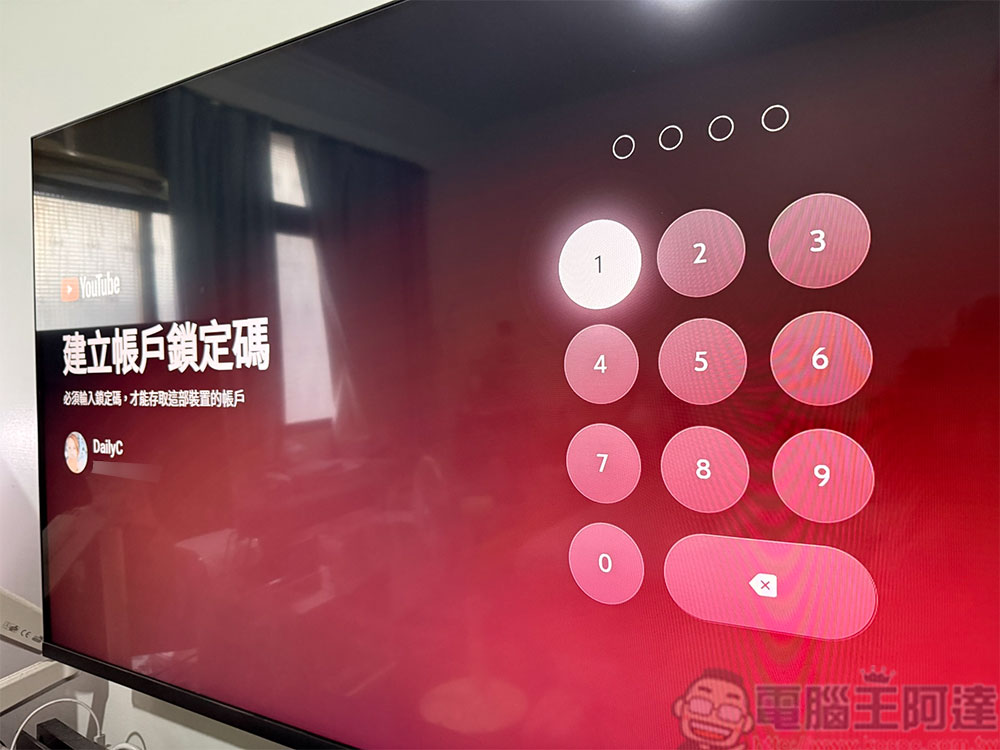
To address this issue, YouTube has now added an account lock feature to its smart TV version, allowing users to set a unique 4-digit PIN for their profile. This new mechanism is conceptually similar to the lock feature in mobile apps, but the biggest difference is that it is an official native feature built directly into YouTube, so it can be used without installing additional third-party tools.
The setup is fairly simple. First, users need to open the YouTube app on their smart TV, then go to their account page through the left navigation bar. After that, select the “Settings” option under Account and follow the on-screen instructions to enable account locking. Once done, simply create a 4-digit PIN to add extra protection to your YouTube profile.
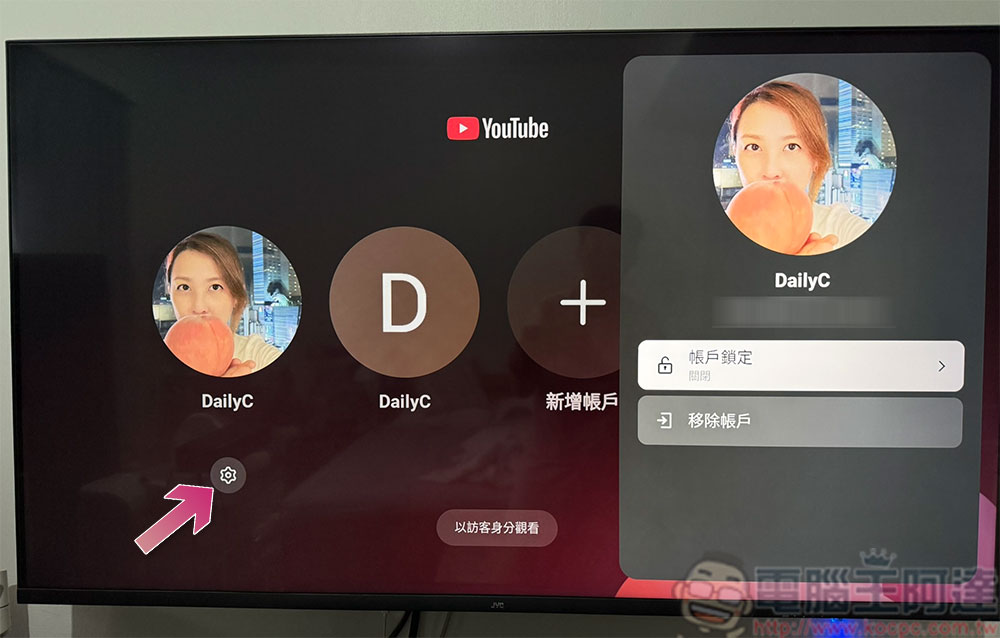
Once the account lock feature is enabled, anyone trying to open that profile must first pass identity verification. Users can enter a PIN directly using the TV remote, or complete the verification process through the YouTube app on their phone. If they choose to verify by phone, the system will also proactively send a push notification asking the account holder to confirm the login request, further enhancing security. In addition, Google provides a dedicated management page that lets users see which devices are using their account information, making it easy to keep track of login status at any time and reduce the risk of account misuse.
This feature may seem simple, but it effectively solves a long-standing privacy issue with smart TVs. For many families, sharing the same TV is an entirely ordinary part of daily life, yet different family members want to keep their viewing preferences and search history to themselves and don’t want others to browse them easily. With a PIN lock mechanism, users can safely use their personal accounts on a shared device without worrying about their browsing history or recommended content being accidentally exposed.
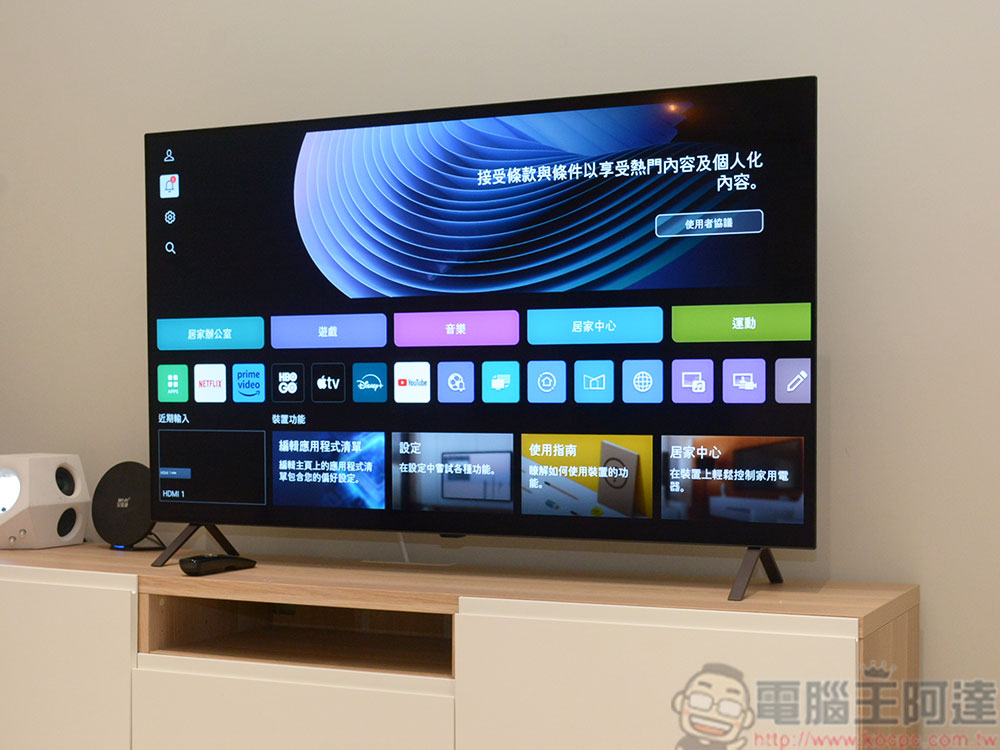
In fact, in the past, many users would create a separate Google account specifically for the whole family to share and sign in to it only on the living room TV, thereby preventing their personal account information from being exposed. Although this approach did provide a certain degree of privacy protection, it also sacrificed personalized recommendations and cross-device syncing. Now, with YouTube rolling out PIN protection for accounts, users finally no longer have to choose between convenience and privacy. For those who often share a smart TV with family members, this update not only improves account security but also delivers a more flexible experience, making it a fairly practical and welcome privacy upgrade.
Source: KOCPC Chinese