


It is common knowledge that virtually every app in China shows an overwhelming amount of ads as soon as it opens, which greatly affects the user experience. However, an incident recently occurred in China in which ads nearly delayed a firefighting response. A citizen in Shenzhen noticed a neighbor’s house on fire and called 119. The dispatcher sent a link via text message and asked the caller to upload a video of the scene to help assess the fire. But when the citizen tapped the link, the phone browser first displayed a splash-screen ad. While trying to close it, he accidentally exited the browser, and it was only after reopening it that he managed to finish uploading the video—wasting about half a minute in total. After the incident went viral online, it sparked heated discussions among Chinese netizens about such ads.
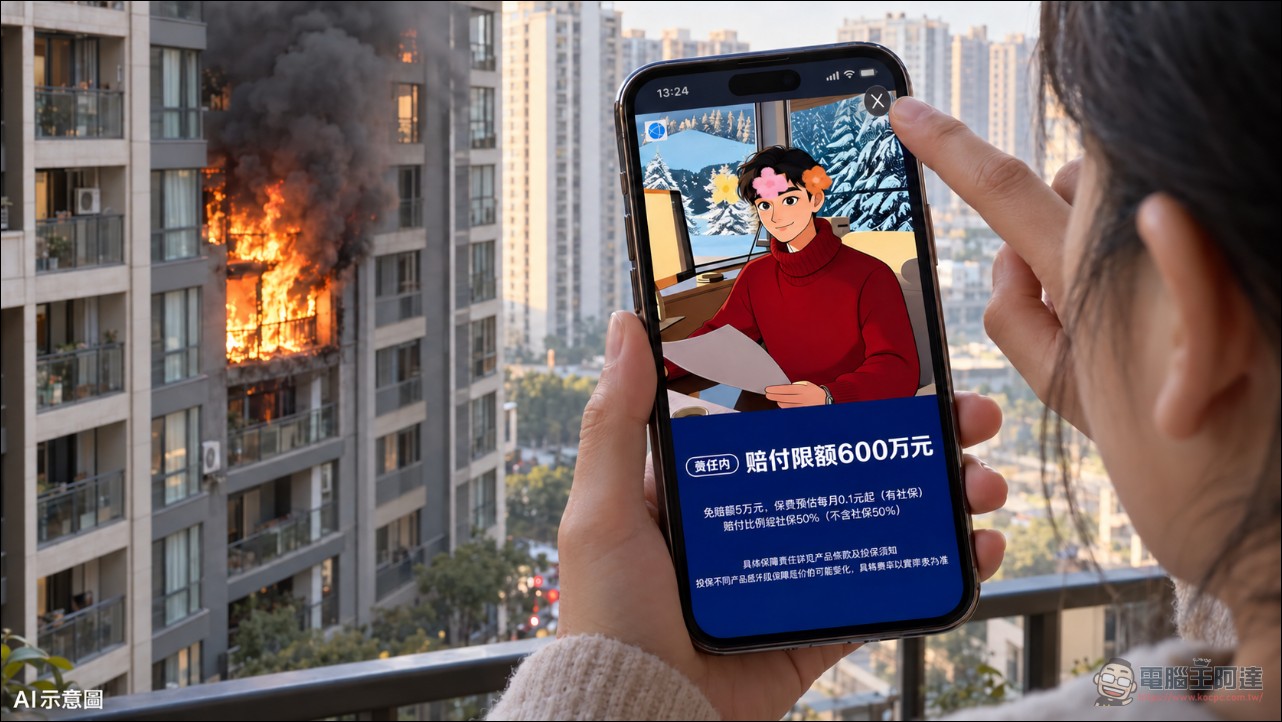
After the incident, the command center of the Shenzhen Fire and Rescue Bureau responded on the evening of September 2, stating that after 119 received the alarm, it immediately entered the dispatch and handling procedure. Fire rescue forces moved as ordered, and the uploaded on-site video was only to assist in assessing the situation and did not affect the response progress. It also emphasized that the advertisement was a splash-screen ad published by the caller’s personal mobile browser app and had no direct connection to the SMS link sent by the fire department.
A woman in Shenzhen was delayed nearly a minute by a splash-screen ad when trying to send a video to report a fire.
Ms. Zhang (pseudonym) posted on a social media platform stating that she noticed a fire in a neighbor’s home in her residential complex, with flames already visible from the balcony, and she immediately called 119. After recording the fire’s location and conditions, the dispatcher sent her a link via text message, asking her to upload video of the fire at the scene so that firefighters could further assess the situation.
However, after clicking the link in the text message, the phone opened the browser, and the first thing that appeared on the screen was a full-screen splash ad. Ms. Zhang said that the situation was urgent at the time; she hurriedly tried to close the ad, but accidentally closed the entire browser window instead. She had to return to the text message and click the link again. When she entered the second time, the splash ad appeared again. This time she chose “Skip” and finally entered the fire department page to complete the video upload.
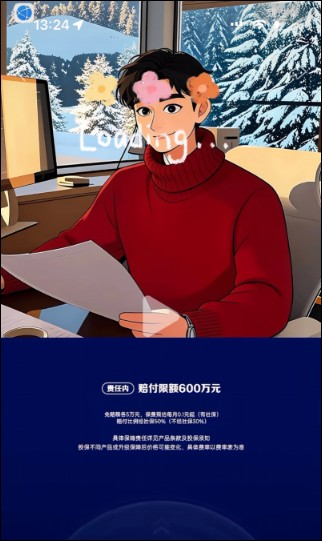
Ms. Zhang said that before she called 119, her neighbors had already reported the incident, and fire trucks arrived at the scene shortly thereafter. This fire did not result in serious consequences. However, in a situation where the fire was ongoing and she urgently needed to upload footage from the scene, a splash-screen ad that she would normally see every day still left her feeling shaken.
Not Just Fire Alarms: Navigation and Bus Riding Also Disrupted by Splash Screen Ads
This incident is not an isolated case. A review of Chinese media reports shows that complaints about splash-screen ads disrupting normal use have never ceased.
In June 2026, short-video creator “Top Sales Boss Li” (銷冠李老闆), who has 2.74 million followers, posted a video complaint stating that while driving, he used voice commands to wake up his navigation app, and when the map opened, a splash-screen ad appeared. The bumps in the road triggered the ad’s “shake-to-open” jump mechanism (telling someone to “shake” while driving?), and the page went straight to a third-party platform, leaving him scrambling. The creator argued that this type of ad doesn’t just hurt the user experience—it could also compromise driving safety. The video sparked widespread discussion among netizens, and shortly afterward, major navigation apps such as Baidu and Amap removed their shake-to-open ads following intervention by the Ministry of Industry and Information Technology.
In January 2026, some residents also reported that after opening the real-time bus app, they were first confronted with a full-screen ad, and during use, ad pages would appear again, even redirecting via methods like “shake.” One interviewed resident described that catching a bus already requires racing against the clock, yet they still had to search for the close button among the ads first.[1]
Years of regulation still fail to eradicate: from “can’t close” to “shake to open”
Chinese authorities have been addressing the chaos caused by app splash screen ads for years, but the problems keep recurring in new forms. In 2021, the Ministry of Industry and Information Technology launched a targeted crackdown on app splash screen pop-ups that drew strong complaints from users, specifically calling out issues such as unclear ad labeling, overly small close buttons, disguised pages, and inducing clicks that redirect users to other pages. By July of that year, 68 leading internet companies including Baidu, Alibaba, Tencent, ByteDance, Sina Weibo, and iQiyi had completed rectification. User complaints about splash screen pop-ups dropped by 50% month over month, and the issue of misleading users into clicking through to third-party pages fell by 80% year over year.
However, as the traditional problem of ads that “cannot be turned off” was gradually restricted, new forms of advertising kept emerging. Methods such as “shake” and “twist” gestures and high-sensitivity redirects have become the new focus of complaints. In 2023, the Ministry of Industry and Information Technology further clarified that it must not use highly sensitive “shake” or other methods that can easily trigger accidentally to induce user operations.
In the navigation app controversy of June 2026, Xinhua News reported that searches for “shake-to-open” related complaints on the Black Cat Complaint Platform returned over 2,600 entries, mainly involving issues such as pop-ups redirecting randomly, no close buttons, and extremely sensitive triggers. The Ministry of Industry and Information Technology has cumulatively notified more than 50 batches of non-compliant apps.
Public Safety Connection: Advertising Governance Can’t Be Just a “Flash in the Pan”
From driving safety risks in navigation apps to delays in uploading fire reports, the impact of splash screen ads has long surpassed the level of “poor user experience” and begun to touch the bottom line of public safety. Although Chinese authorities have repeatedly cracked down on them, ad formats continue to evolve—from traditional pop-ups to shake-to-redirect—and the tug-of-war between regulation and violations continues. In Taiwan, meanwhile, ads on some media websites almost completely cover the page when opened, and some even auto-redirect to ad pages, which is equally annoying. On this front, both sides of the strait seem about the same, though China takes it a step further.
Source: KOCPC Chinese