


If you ever installed Windows in the 1990s or early 2000s, you probably remember an era when you could just open up a game and play—no Steam, no Microsoft Store, not even an internet connection required. From Solitaire, Minesweeper, and FreeCell to the wildly popular 3D Pinball that came later, these classic games were available right after the system installation.
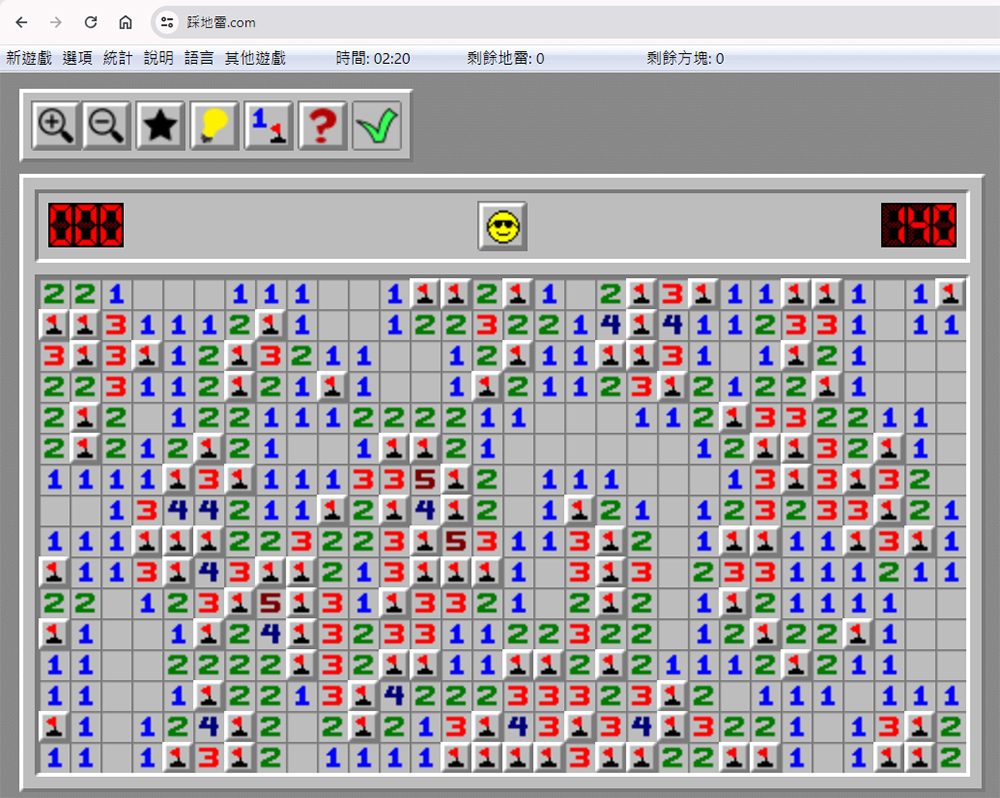
Why doesn’t Windows come preinstalled with fun games like Minesweeper, Solitaire, and Pinball anymore?
During the Windows Vista and Windows 7 era, Windows built-in games entered their golden age. In addition to the redesigned Solitaire and Minesweeper, Microsoft also introduced titles such as Chess Titans, Mahjong Titans, and Purble Place, delivering a richer entertainment experience for players.
However, with the launch of Windows 8, things began to change. Although this version’s market acceptance was not particularly high, it became a major turning point in the history of Windows built-in games. The classic games that had accompanied users for years gradually disappeared—not by accident, but as a result of Microsoft’s deliberate strategic shift.
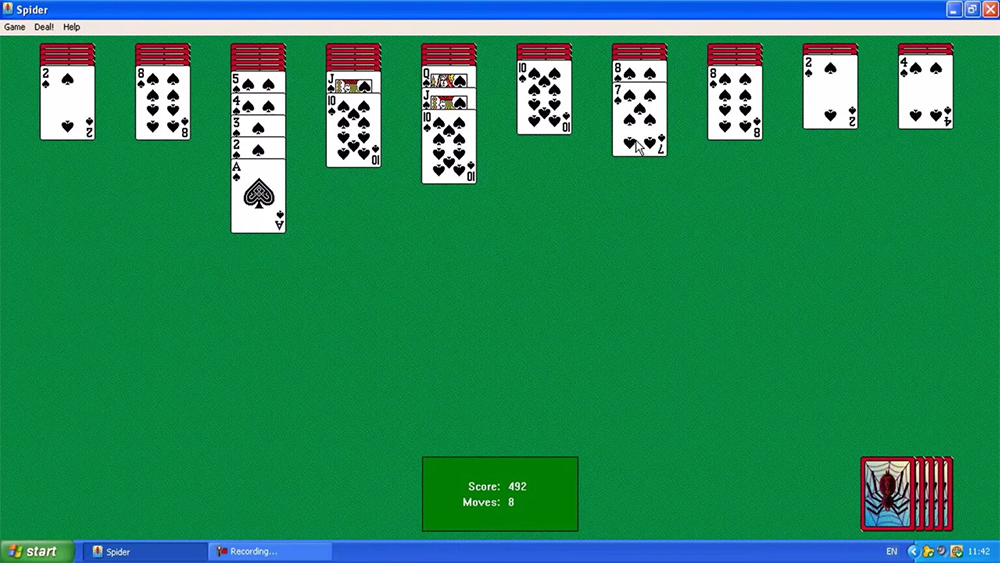
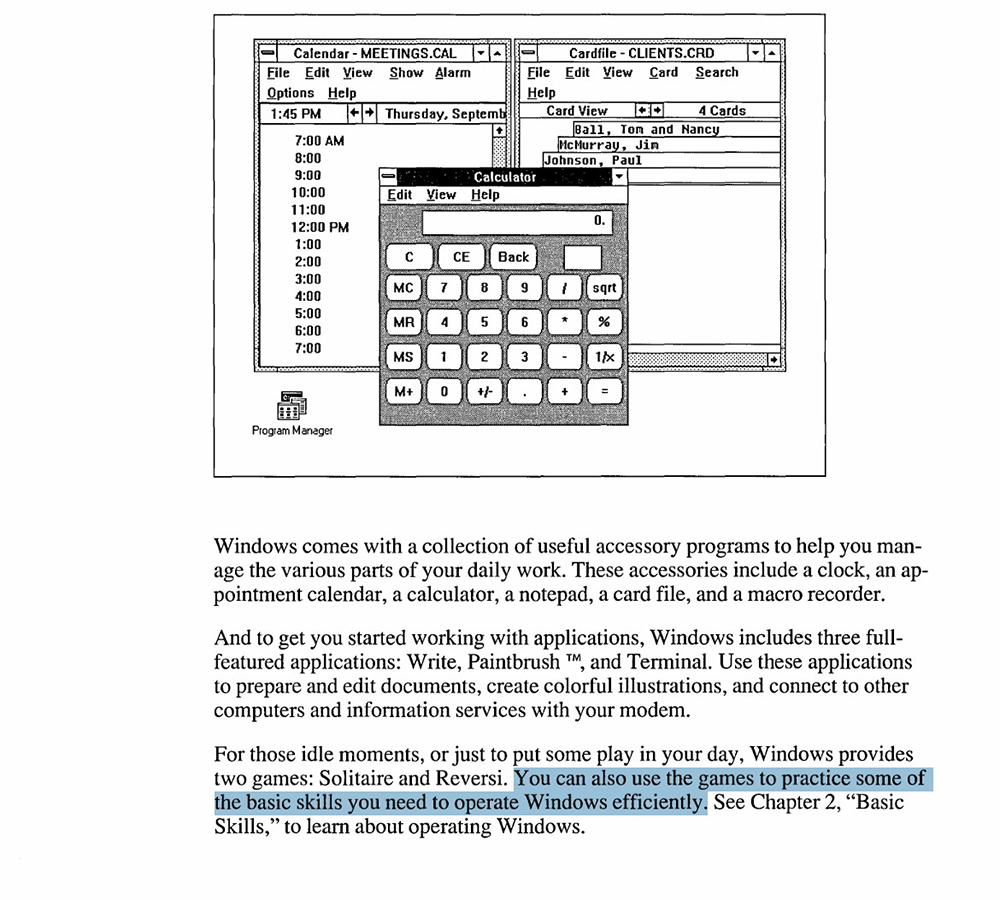
Looking back at the development of Windows versions over the years, it’s clear that games have always played an important role. Windows 1.0, released in 1985, came with Reversi built in, while Windows 3.0 in 1990 added Solitaire. At the time, Microsoft even stated in its user manuals that one of the main purposes of these games was to help beginners become familiar with mouse and keyboard operations, so they were by no means mere entertainment. By the following year, Windows 3.1 saw Minesweeper take Reversi’s place, becoming another household classic.
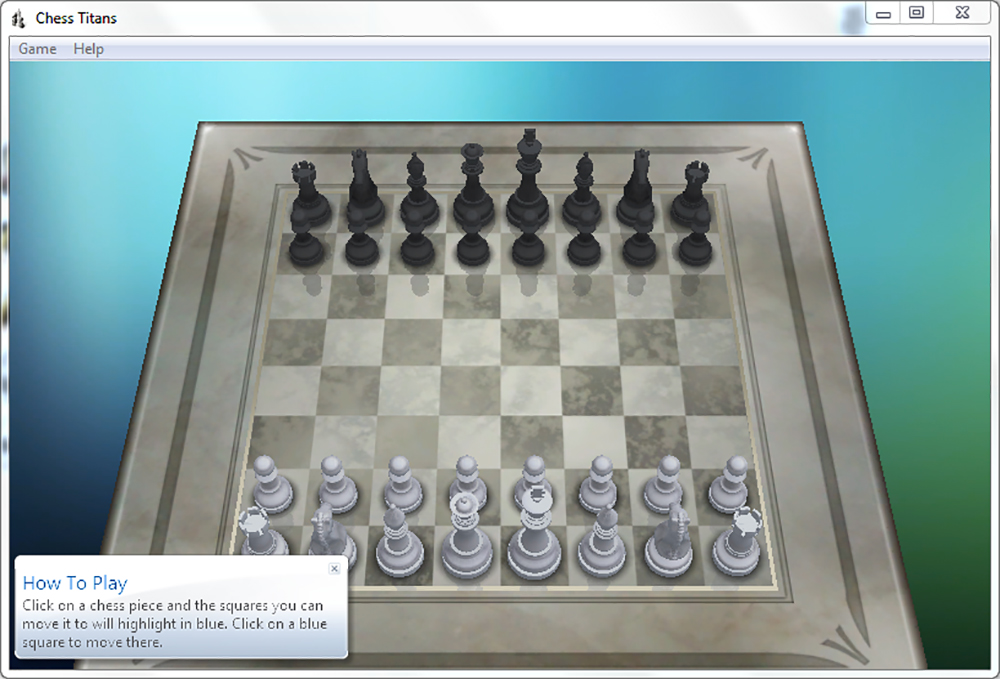
After that, Windows games continued to evolve, growing in both scale and quality. The Vista era marked a peak, introducing fully upgraded versions of Solitaire, FreeCell, and Minesweeper, along with new titles such as Chess Titans, Mahjong Titans, and Purble Place. Windows 7 retained this entire lineup. For nearly two decades, Microsoft never ceased investing in and improving these games.
The real turning point came with Windows 8. Microsoft no longer preloaded the classic games into the system, instead directing users to the Windows App Store. Among these, *Microsoft Solitaire Collection* was released as a standalone app that combined multiple card games such as Klondike, FreeCell, Spider, TriPeaks, and Pyramid. Minesweeper and Mahjong were also changed to be downloaded through the Store. Microsoft confirmed at the time on its official support forums that the legacy built-in games had been completely removed, replaced by the Store versions.
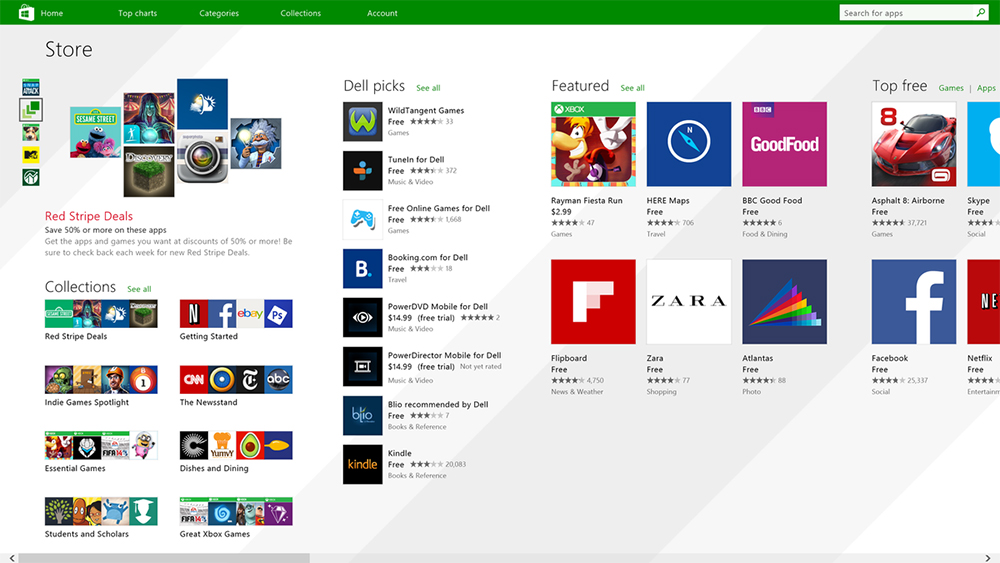
However, this does not mean Microsoft has given up on its gaming business. On the contrary, it is actually part of the company’s overall shift toward an app ecosystem and the Xbox platform strategy. When Windows 8 launched, Microsoft simultaneously released a series of Windows games supporting Xbox Live, including Microsoft Solitaire Collection and a new version of Minesweeper, beginning the integration of Windows games with the Xbox ecosystem.
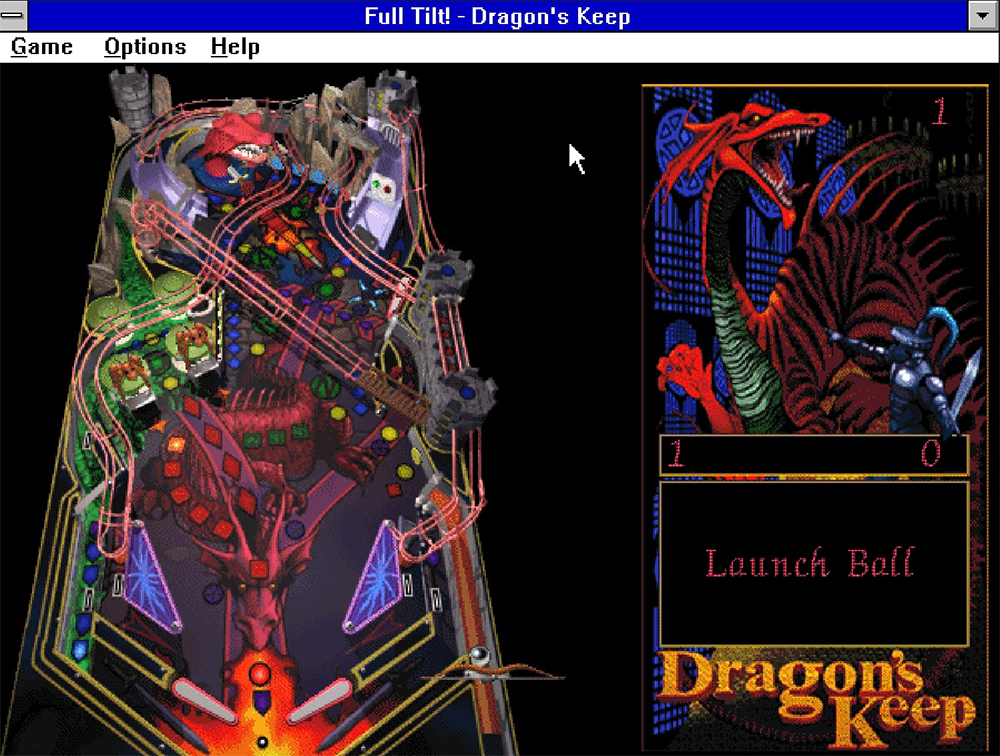
Furthermore, bundling games into the operating system also means Microsoft must bear the long-term burden of maintenance and compatibility responsibilities. The classic 3D Pinball is a well-known case. According to Microsoft engineer Raymond Chen, the 64-bit version of the game had severe collision errors, while the original code was outdated, lacked comments, and was developed by an external vendor. Ultimately, Microsoft decided that spending a large amount of engineering resources to fix this old game was not worth it, so it chose to remove it.
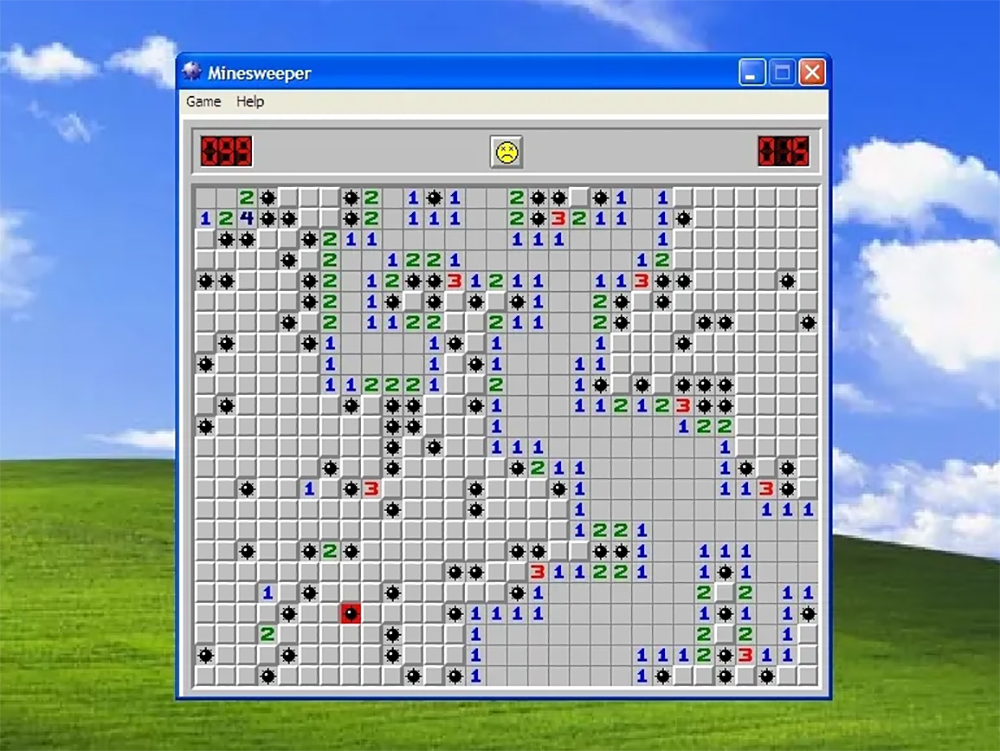
Even something as seemingly simple as Minesweeper has caused its fair share of problems. During the Vista era, Microsoft considered replacing the mine icons with flowers, but this art change—which on the surface would take only a few minutes—was tied to issues such as localization, accessibility design, and cultural sensitivity in different regions. This also shows that once a game becomes an official component of Windows, its maintenance costs are far higher than one might expect.
On the other hand, the way software and content are distributed has also been completely transformed. In the past, games and multimedia content had to be shipped alongside Windows installation discs; today, platforms such as Steam, the Microsoft Store, and Xbox can handle this independently. The Windows installer no longer needs to double as a carrier for entertainment and multimedia content the way discs did in the 1990s. So Microsoft hasn’t de-emphasized gaming—it has redefined the relationship between Windows and games. In 1995, people were buying the operating system itself, so games, music, and multimedia content were naturally part of the product’s value; today, Windows functions more as a platform, and games have become services that are published and operated independently.
This also explains why today’s Windows 11 feels so fundamentally different from how it once did. Games like Solitaire and Minesweeper, which used to be playable right after booting up, are no longer part of the operating system but instead require separate downloads. Because once a game is bundled into Windows, Microsoft has to take on the long-term responsibility of maintaining its code and ensuring compatibility—and when those costs outweigh its value, removal becomes an inevitable outcome.
Source: KOCPC Chinese