


The quality of a photo is often not related to the value of the equipment, but has a lot to do with the composition. Good composition can give the photo a deeper meaning. This time I want to share with you a few basic principles of composition, which are simply broken down into 4 yeses and 2 nos. Once you master these basic knowledge, it will be easier to learn photography!

Basic principles of composition/from Pexels
If you think the content of the article is helpful to you, thenSubscribe to my contentBar! It’s free! When I publish a new article, it will be pushed to your inbox immediately. This is the easiest and most convenient way to encourage me!
The picture should be clear
A clear subject is very important, so that people can understand it at a glance. The other objects next to it are all to better express the subject. Looking at the picture below, the Taipei 101 building is obviously the main body, and the buildings next to it can be embellished to make the picture look more urban.
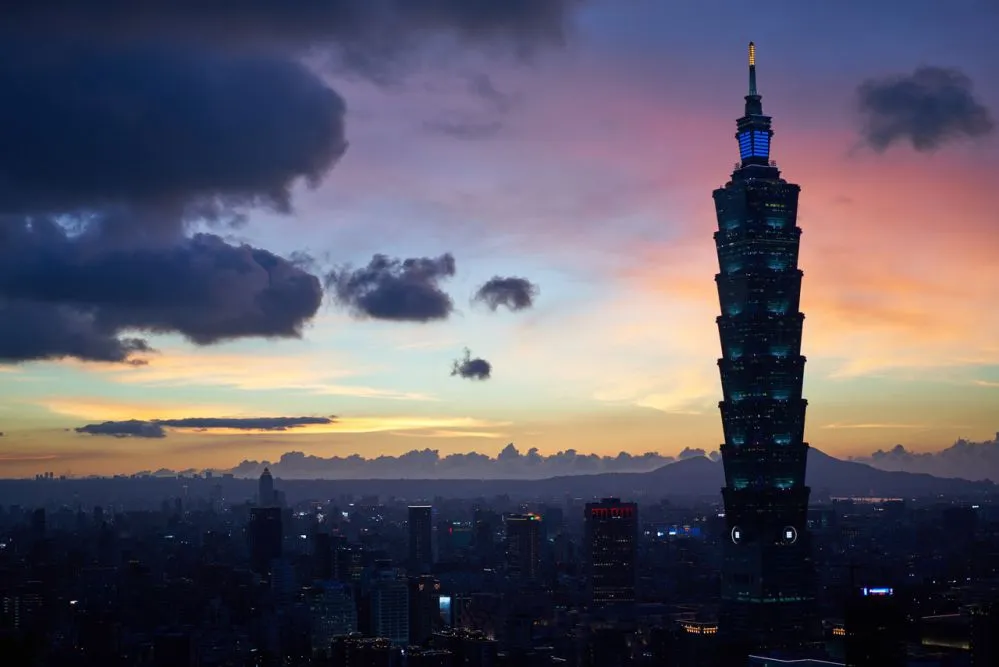
Taipei 101 Building/from Pexels
Making the subject clearer will make the photo more distinct。
Imagine visiting the Kinkakuji Temple in Kyoto, Japan today. If you take a complete photo of the entire Kinkakuji Temple, the majestic temple will fill the entire photo. Although you can feel the feeling of a solemn temple, it is just a piece of proof that you have been here before. If it is set off by the surrounding trees and pools, although the Kinkakuji Temple is also complete, you will feel that “this temple has always been here to protect everyone” and it will be more picturesque.
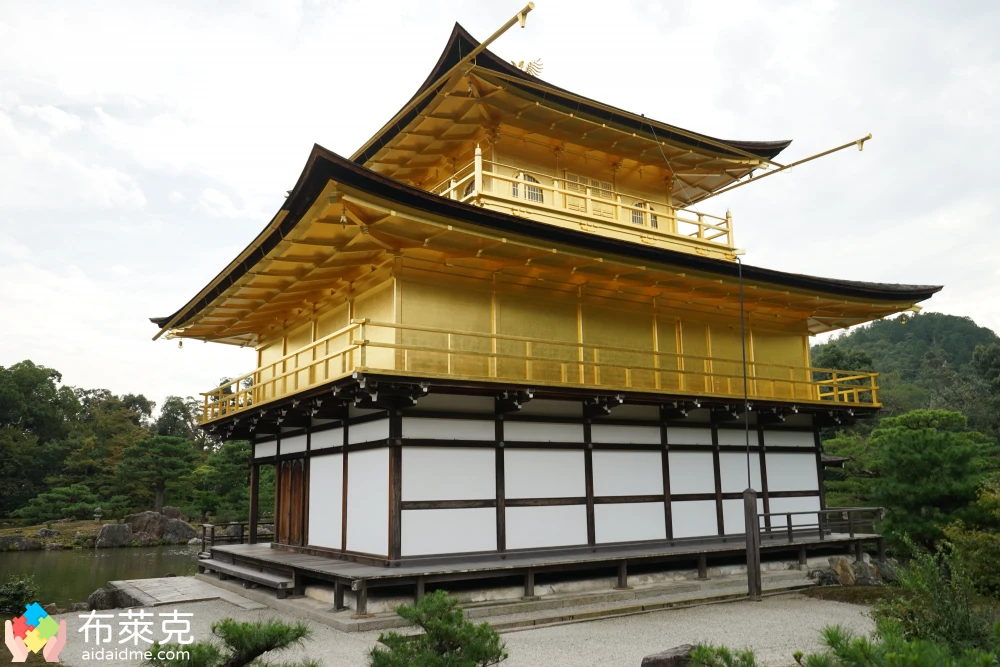
▲ Picture 3: Only photographing Kinkakuji Temple
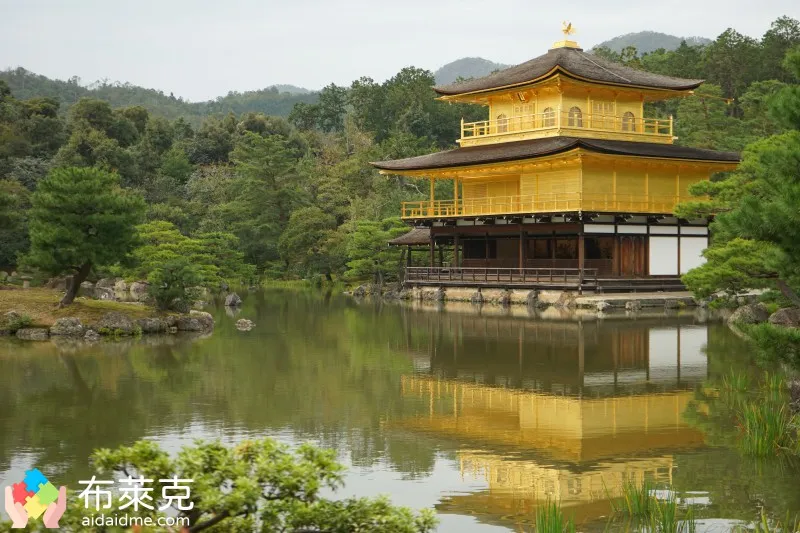
▲ Picture 4: The Kinkakuji Temple was also photographed
Regarding the composition techniques that photographers also like to use, the editor has also compiled them. You can go here for reference.
The subject should be highlighted
In daily life, some pictures are already very artistic, while others require some techniques to highlight the subject. If you think about it, if there is a clutter behind the subject of a photo, it will not only fail to attract attention, but will also distract it.
In fact, there are many ways to highlight the subject. Here I will introduce 3 common ways.
1. Use a large aperture or telephoto lens to highlight the subject
We all know that the characteristic of a large aperture is the charming bokeh. After focusing on the correct subject, pressing the shutter will get a photo that clearly highlights the subject. This is what most photographers do.
Like the picture below, the little girl is smiling brightly among the flowers. If you use a large aperture lens to take the picture, you can get a nice bokeh.
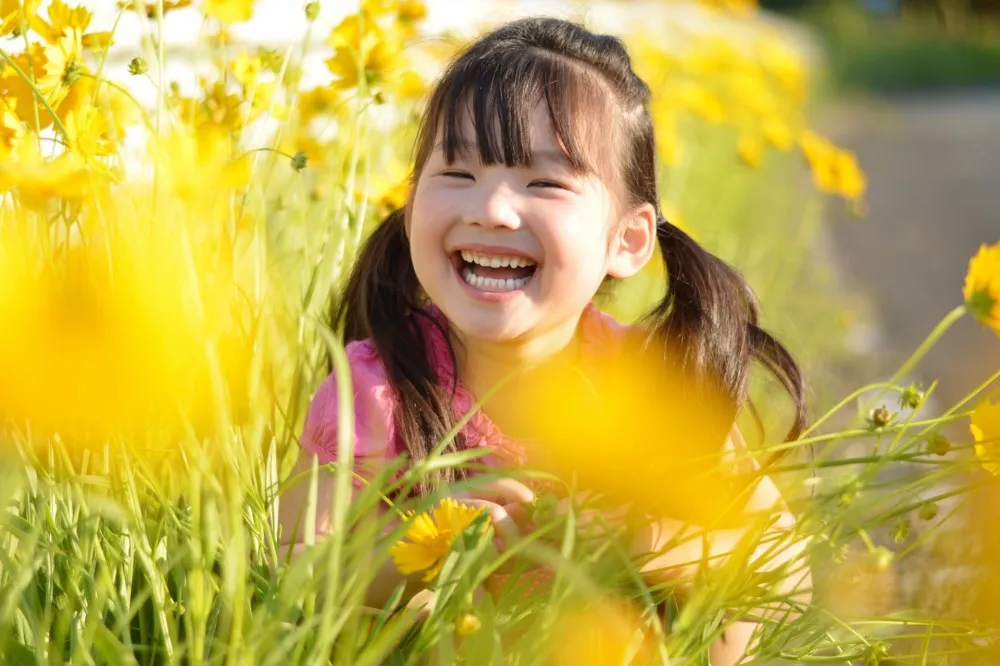
Smiling girl/from Photo-ac
Another way, which is also very common, is for photographers to use a telephoto lens. Due to the optical characteristics of the lens, it can make the subject clear and the background blurred, which is helpful to highlight the image of the subject.
The tiger in the picture below is such a case. In order to clearly photograph the tiger, ecological photographers will use telephoto lenses to shoot. On the one hand, the tiger can be clearly photographed from a long distance, and on the other hand, it can highlight the brave side of the tiger.
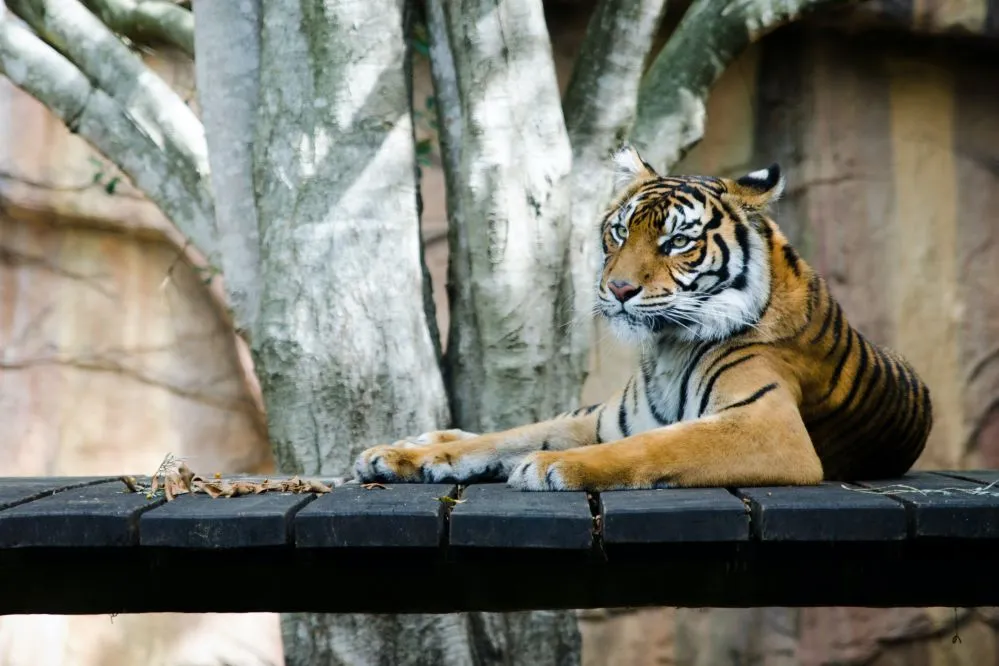
Wild tigers in the zoo / from Pexels
2. Use color to highlight the subject
Bright colors will attract the eye and make the picture have a strong visual impact. The specific method is to adjust the light and dark contrast between the subject and other scenes in the picture so that the subject is brighter and other scenes are darker. This can also effectively highlight the subject.
Like the leaves in the picture below, if you measure the light on the brighter leaves, the camera will automatically calculate the light metering results and reduce the brightness of the background.
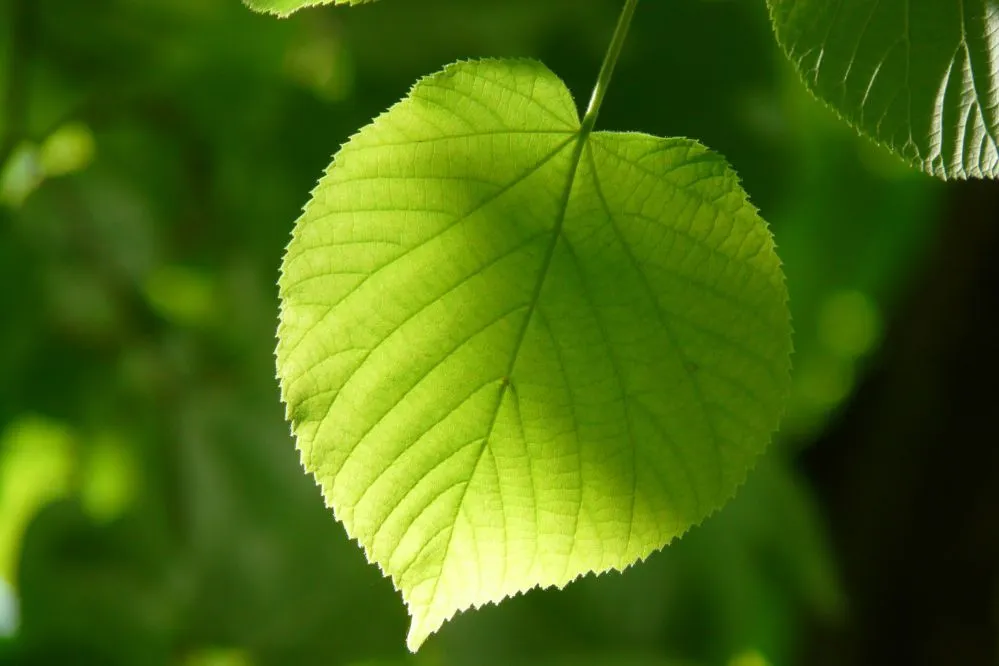
Plant leaves/from Pexels
Regarding the content of camera metering, the editor has written articles before. If you are interested, you can read these articles.
3. Zoom in on the subject
As the name suggests, it is presented in a close-up manner, filling the entire picture and giving the audience a strong visual impact. As shown in the picture below, the morning dew gathers on the leaves, and the crystal clear water droplets seem to nourish all life.
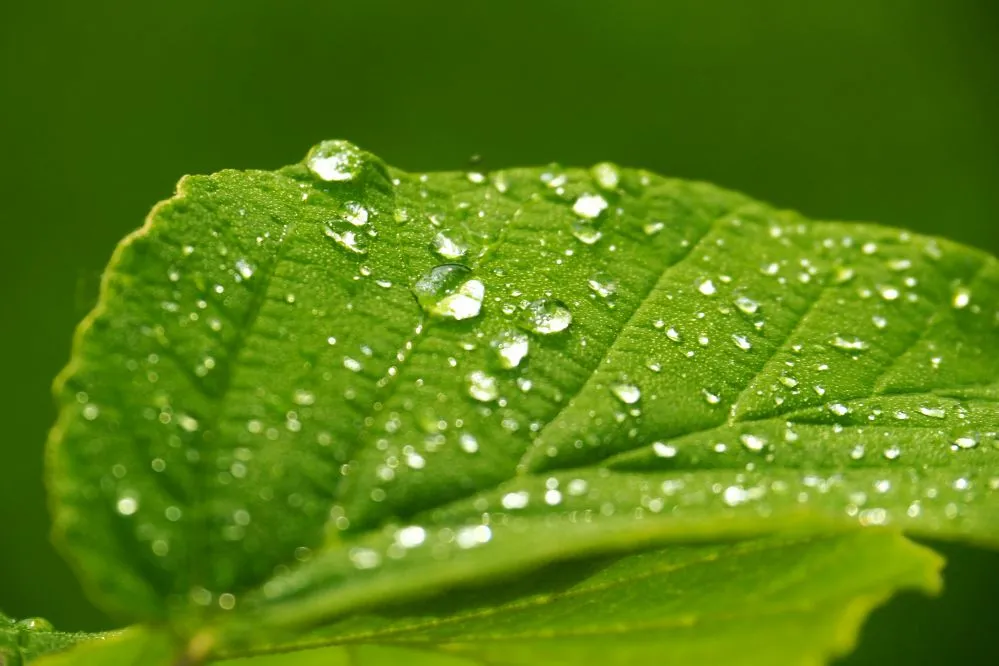
Close-up of plant leaves/from Pexels
Of course, close-up photos sometimes require a macro lens with a 1:1 magnification. If there is no relevant budget, you can use size comparison to present the subject. The subject does not necessarily have to be large. For example, the subject in the picture below is a small leaf.
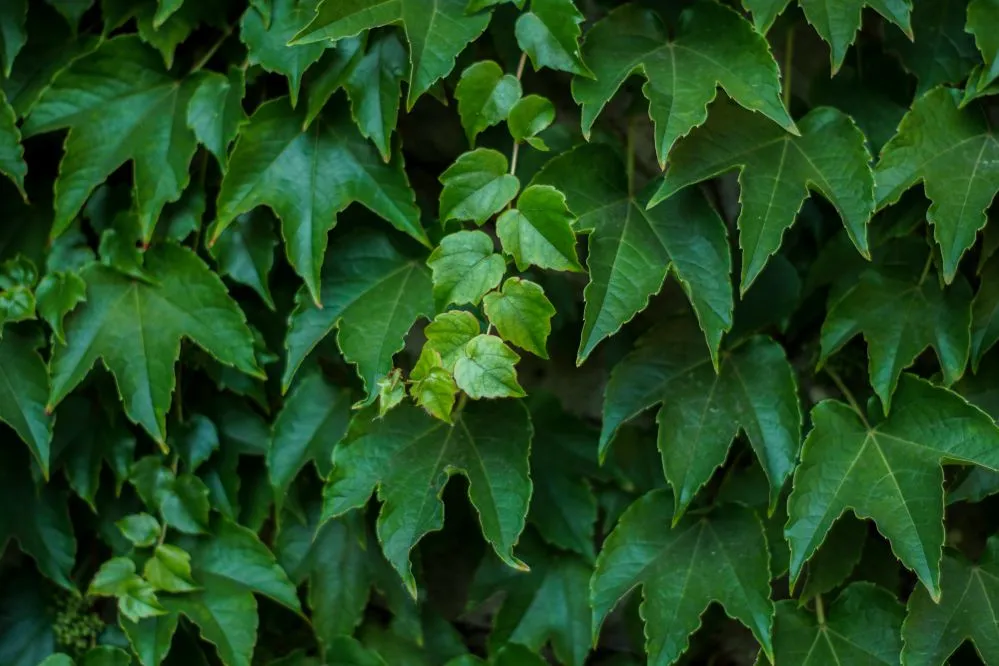
Large and small leaves/from Pexels
There are many types of lenses mentioned earlier, such as wide-angle lenses and macro lenses. If you are not familiar with these lenses, you can check out the article below!
The picture should be complete
Some subjects pay great attention to the details of the surrounding environment. If they are deliberately omitted or the bokeh is used, the audience will not be deeply impressed.
For example, humanistic photography is very different from general portrait photography. Humanistic themes need to be shot with a standard or wide-angle lens, and certain environmental details need to be explained in the background. In the picture below, you can see the boss sleeping in front of the stall. The surrounding background is a whole refrigerator of cold drinks. The details are relatively clear, explaining the background conditions of the character’s life, making the overall picture more realistic.

A boss waiting for customers to come to his door/from Pexels
There should be enough light
Photography is an art that uses light. If the photo does not look bright enough, it will greatly reduce the viewing effect. Of course, the brightness of the light should not be too high. If it is too bright, it will be overexposed, and the photo will lose details and will not look good.

Husky in the forest/from Pexels
However, this is the same as before, it will also need to be different according to the shooting subject. For example, today I want to take pictures of the sunset, where the subject forms a silhouette. The so-called silhouette is a very unique way of expressing light and shadow.Use a bright background to contrast a darker subject, and the main body does not have any details, but the surrounding details are more beautiful.
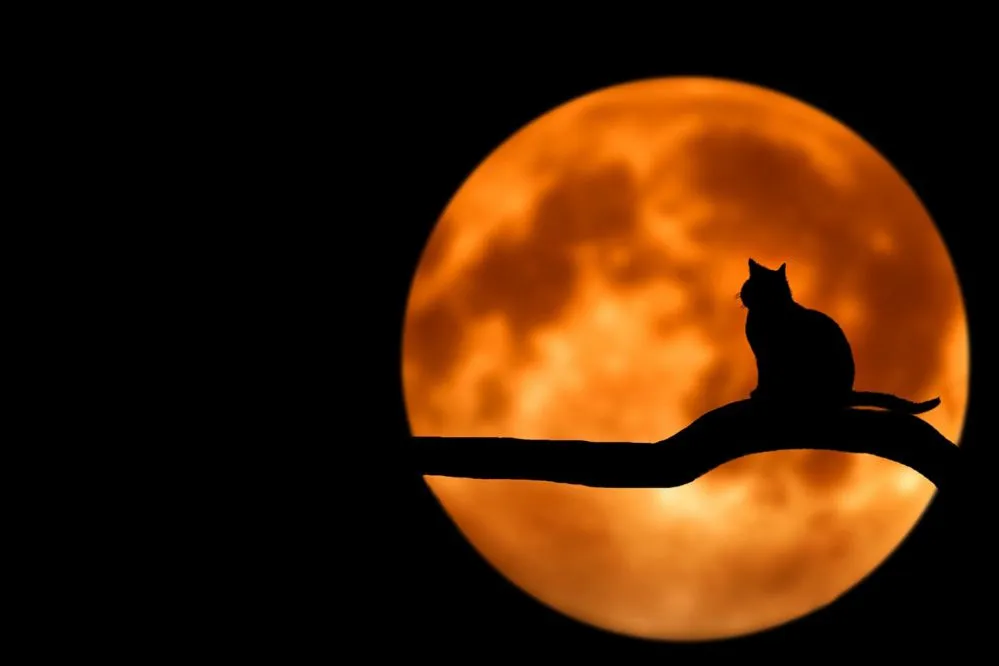
Silhouette of a cat on the moon/from Pexels
No chaos around
The surroundings mentioned here refer to the scenery around the picture, that is, don’t be greedy and include everything you see with your eyes in the same photo.
It is obvious from the picture below that the picture is of a fruit stall in a mass merchandise store, but it does not seem to have an obvious subject. It may be to express that the fruits are cheap, the fruits are neatly arranged, or the fruits are quite fresh… etc.

Photo with unclear subject / from Pexels
In fact, if you want to achieve any of the situations mentioned above, you should discard the scenery in the picture appropriately. Only in this way will the subject be clearer and the audience will know the inner thoughts of the photographer.
Don’t press the shutter too hard
To learn photography, you need to learn “observation”. Observe what elements can be put into a photo, and adjust the focus, light, angle… and other external conditions. Therefore, the editor does not recommend that you keep pressing the shutter button wildly. Maybe you can change the environment, angle or composition method and take another picture.
Don’t think it’s possible for someone to do this. I’ve seen people flash the shutter wildly after arriving at a scene, as if they didn’t want to miss any details. We are not journalists and there is no need to pay attention to all the details.
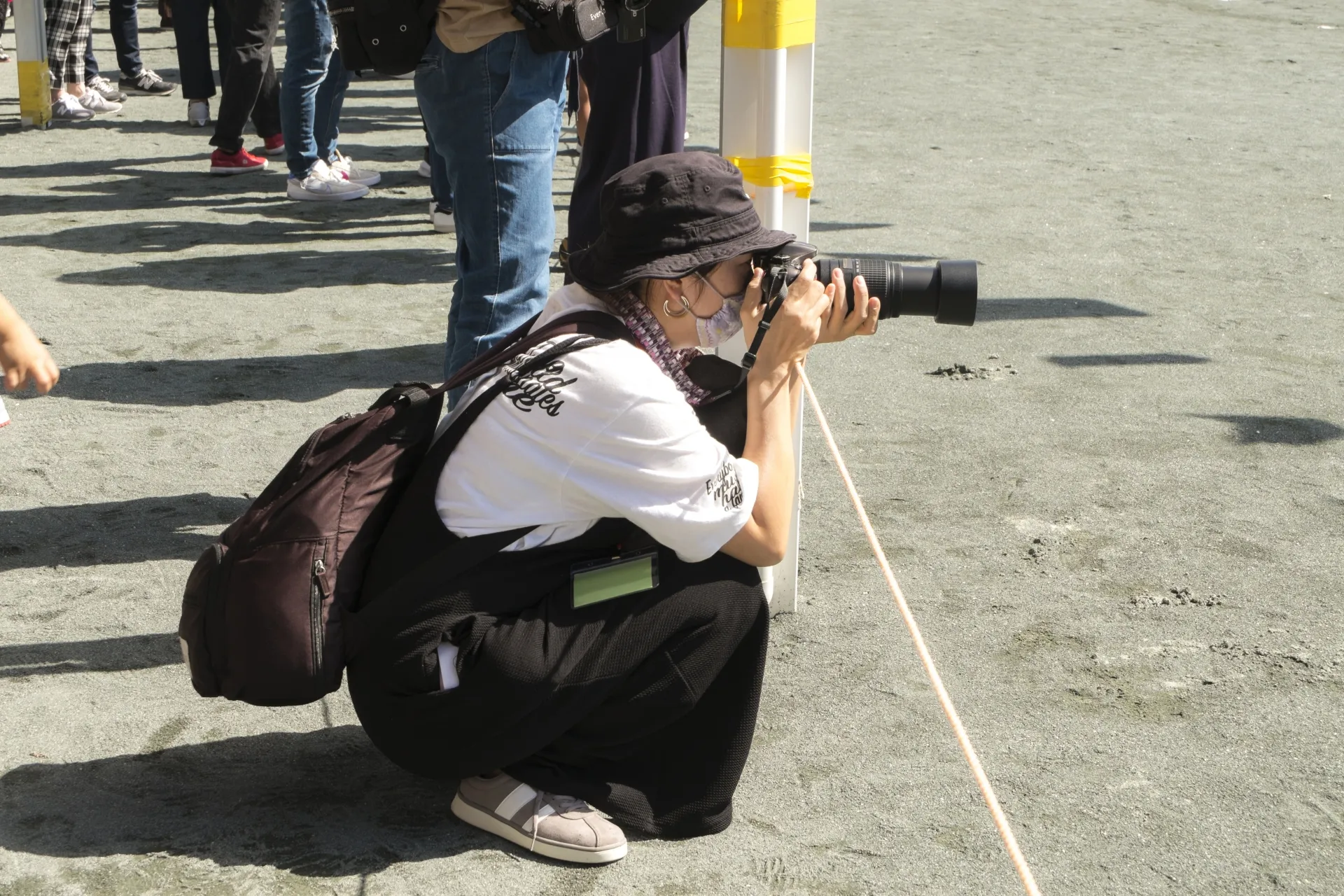
Kneeling and holding camera/Photo-ac
Conclusion
If you want your photos to have more story and depth, you must learn the basic principles of composition. Try to avoid having too many scenes in the background of the photo. This is why people often say that photography is actually a kind of subtraction, discarding unimportant scenes.Just keep the elements that tell the story completely., this is also the most important part in my opinion.
If you like the above article, welcomeSubscribe to newsletter, and you will receive photography-related teaching articles!
by Engineer Blake
Source: KOCPC Chinese