


If you have ever encountered apps on an Android phone tampering with your contact list without permission, or even secretly modifying friends’ information without your knowledge, Google’s upcoming system update will completely solve this pain point that has long troubled users. Google has recently detailed the upcoming Android 17 QPR2 update, with the focus on re-establishing the permission mechanism for apps to access and modify contacts, bringing stricter security protection and a consistent user experience.
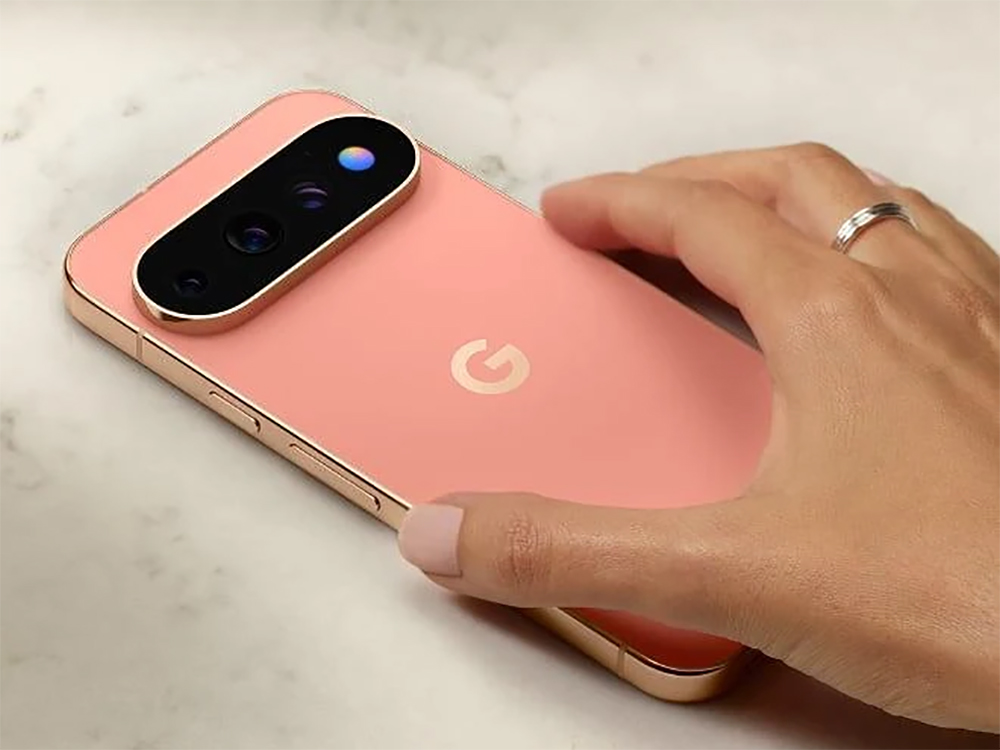
Android will take steps to make it harder for apps to tamper with your contact information.
Under the current Android architecture, many apps can make large-scale data changes in the background and even abuse permissions without explicit user authorization. In Android 17 QPR2, Google introduced a brand-new control mechanism:
- Restrict direct access and introduce a standardized editor.
The new mechanism will completely prohibit most third-party apps from directly and extensively modifying contact data. In the future, if apps need to add or edit contacts, they must use the system-provided “standardized editor” and will only be granted extremely limited permissions to perform specific operations. - Strictly review the “core purpose” permissions.
Only when the App’s “core functionality” is genuinely contact management will the system grant higher permissions. Apps of this type include anti-spam call and caller ID apps, cross-device contact sync tools, or apps that need to set custom ringtones for specific contacts.
Google says this change will not only prevent malware from performing background operations beyond its declared scope, but also bring a “highly consistent” operating experience to all Android devices. Although phone manufacturers (such as Samsung, Xiaomi, etc.) can still customize the interface style, the core operating logic and security specifications will be fully unified, preventing users from accidentally saving or encountering creation failures due to interface differences.
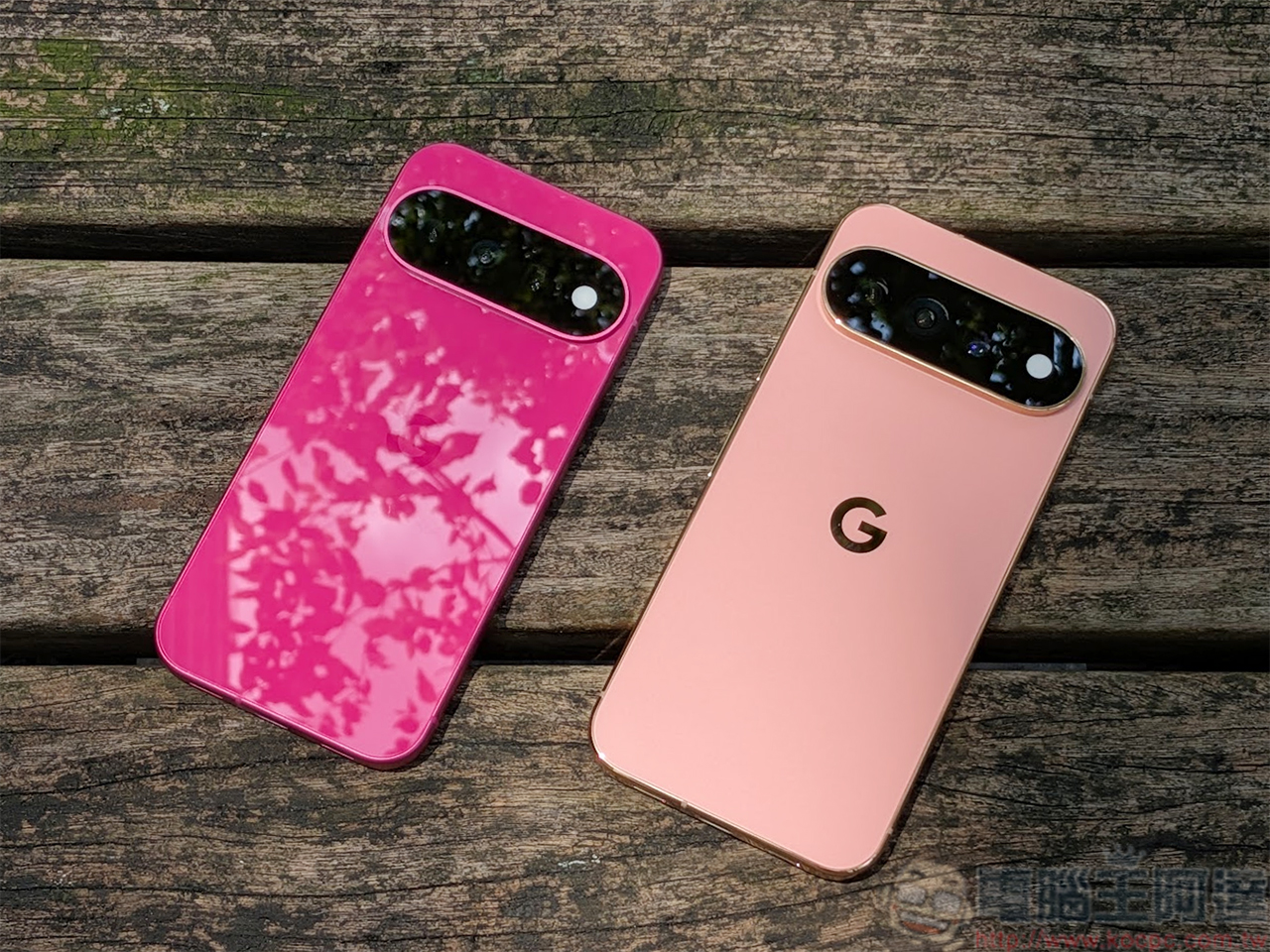
According to Google’s plans, the Android 17 QPR2 update is expected to officially roll out in Q4 this year or before the end of the year. As usual, Google’s Pixel series phones will be the first to receive it, followed by a gradual expansion to devices from other third-party brands. In addition to the defensive upgrade for contacts permissions, this QPR2 update also includes several detailed and practical feature improvements:
- Cleaner status bar and notification management
Users can now choose to hide cluttered system icons in the status bar and set notifications to show only high-priority important messages, reducing unnecessary notification interruptions. - HiLight feature upgrade exclusive to the Pixel 11 series
For the latest Pixel 11 flagship series, the HiLight feature, originally limited to standard phone calls, will officially expand to support frequently used contacts in popular instant messaging apps (such as Google Messages and WhatsApp), providing a smarter interaction experience. - Strengthening Communications Security and Telecommunications Fraud Defense
The new version of the system further strengthens the security mechanism for call forwarding, making it harder for scammers to secretly forward your calls to unknown numbers. In addition, the system adds real-time security alerts for mobile network attacks (such as signal interference or location tracking). - Rich theme style settings.
Users will have more control over personalized themes and interface colors.
Android 17 QPR2 is not just a routine software fix; it also demonstrates Google’s clear commitment to protecting user privacy, strengthening system security, and unifying the cross-brand user experience.
Source: KOCPC Chinese