


As the Android XR ecosystem is about to welcome its first batch of hardware products, competition in the smart glasses market is beginning to heat up. Meta recently announced that it will open third-party application support for its Ray-Ban Display glasses and simultaneously release a developer preview, allowing mobile and web developers to create a new display experience for this wearable device.
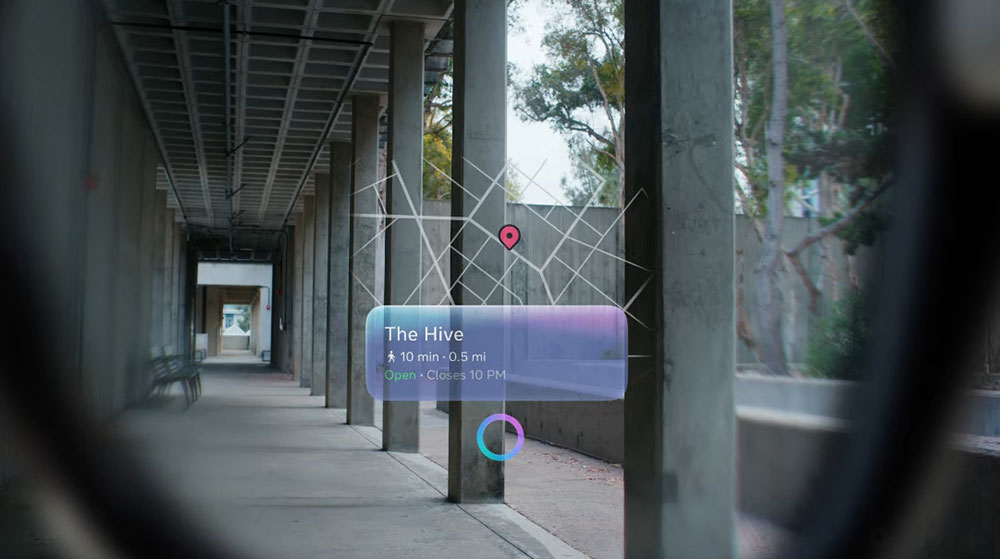
In response to the arrival of Android XR, Meta enables Ray-Ban Display glasses to support third-party applications
Meta pointed out in the official blog that the display function of Ray-Ban Display is now open to developers and provides two main development paths: mobile applications (iOS/Android) and web applications. Whether they are extending an existing app or creating a new experience from scratch, developers can use familiar tools and frameworks to present information directly on the glasses’ microdisplay. Meta emphasized that this capability is still in the developer preview stage, but it is enough for developers to start planning and testing future application scenarios.
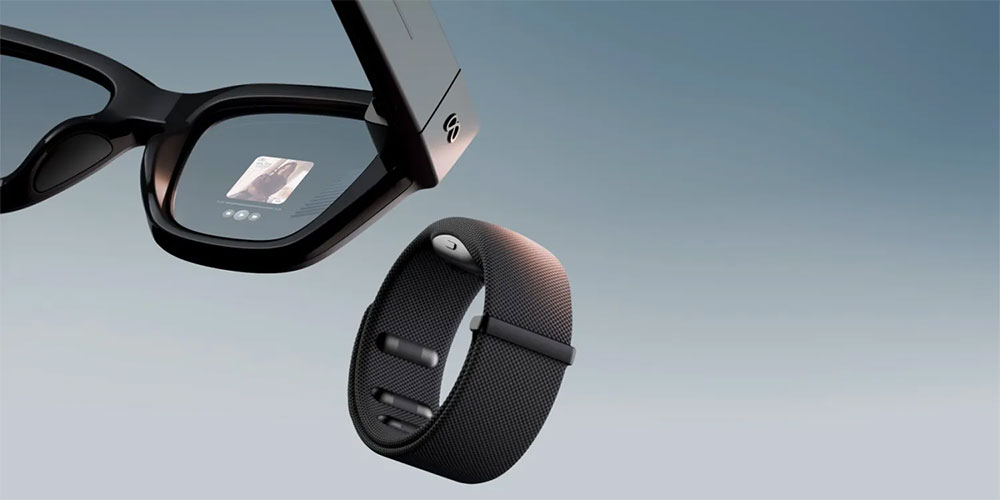
In order to demonstrate the practical effect of this new capability, Meta also released a demonstration video showing how Ray-Ban Display can identify flight information in the user’s field of view and display relevant content in real time. This kind of “field-of-view-aware” information presentation is one of the core values that smart glasses have high hopes for: allowing digital information to be naturally integrated into daily vision instead of being limited to the mobile phone screen.
Meta says that the Ray-Ban Display will be available “in the coming weeks,” meaning the product will compete head-on with upcoming Android XR devices. It is worth noting that the Android XR camp is also preparing to usher in its first hardware: Samsung’s pure audio glasses “Galaxy Glasses”. Although the initial version does not have a display, models with display functions are expected to be launched later.
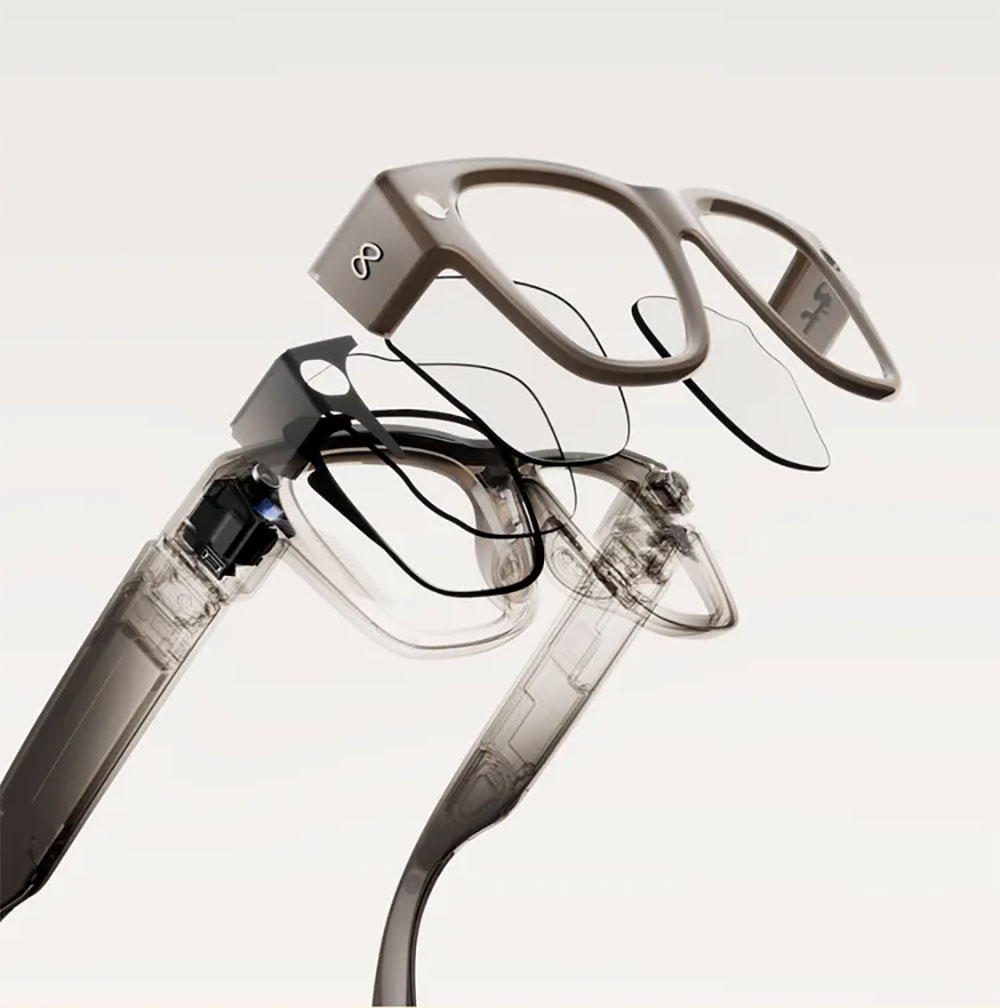
The biggest advantage of Android XR is its platform continuity. Because XR devices share the same infrastructure as Android phones, existing Android apps can more easily be adapted to new forms of wearable devices. For developers, this means lower switching costs; for consumers, it means that XR devices can have a more complete application ecosystem in the early stages of launch.
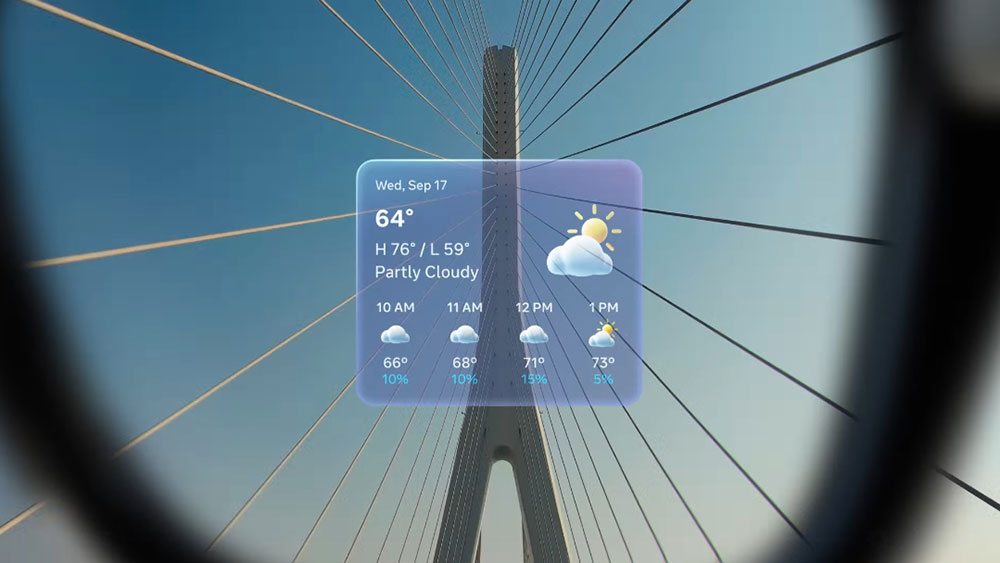
As the Meta and Android XR camps accelerate their deployment at the same time, the smart glasses market is gradually moving from the “concept stage” to “actual competition.” Meta emphasizes a life-oriented and lightweight wearing experience through Ray-Ban Display, while Android XR attempts to create a broader ecosystem through platform integration and hardware diversity. The two strategies are different, but they both point to the same trend: smart glasses will become an important entrance to the next wave of computing platforms. In the coming months, as more hardware and applications are unveiled, the outline of the smart glasses market will become clearer. Whether it’s Meta’s Ray-Ban Display or Samsung’s collaboration with Google on Android XR devices, they will set off a new wave of wearable competition this year.
Source: KOCPC Chinese