


Since the beginning of this year, surging prices for graphics cards, memory, and SSDs have caused a rare contraction in the PC market. In previous years, manufacturers would periodically launch new computers with stronger specs to attract consumers, but because the cost of related memory has risen by more than several times (memory could be tenfold), new product prices have more than doubled, and with the economic downturn, the market has fallen into an unsolvable vicious cycle. As a result, PC hardware manufacturers are not sitting idly by; they are launching products that are “relatively” cost-effective in this market where everything is getting more expensive. Among them, Intel has launched the Wildcat Lake series, a power-efficient processor based on the 18A process and aimed at thin-and-light laptops and mini PCs, hoping it will be as favored by consumers as Apple’s Macbook Neo. This time we got the Lenovo IdeaPad Slim 3, a thin-and-light laptop that delivers decent performance and long battery life on a limited budget.
Lenovo IdeaPad Slim 3 Unboxing
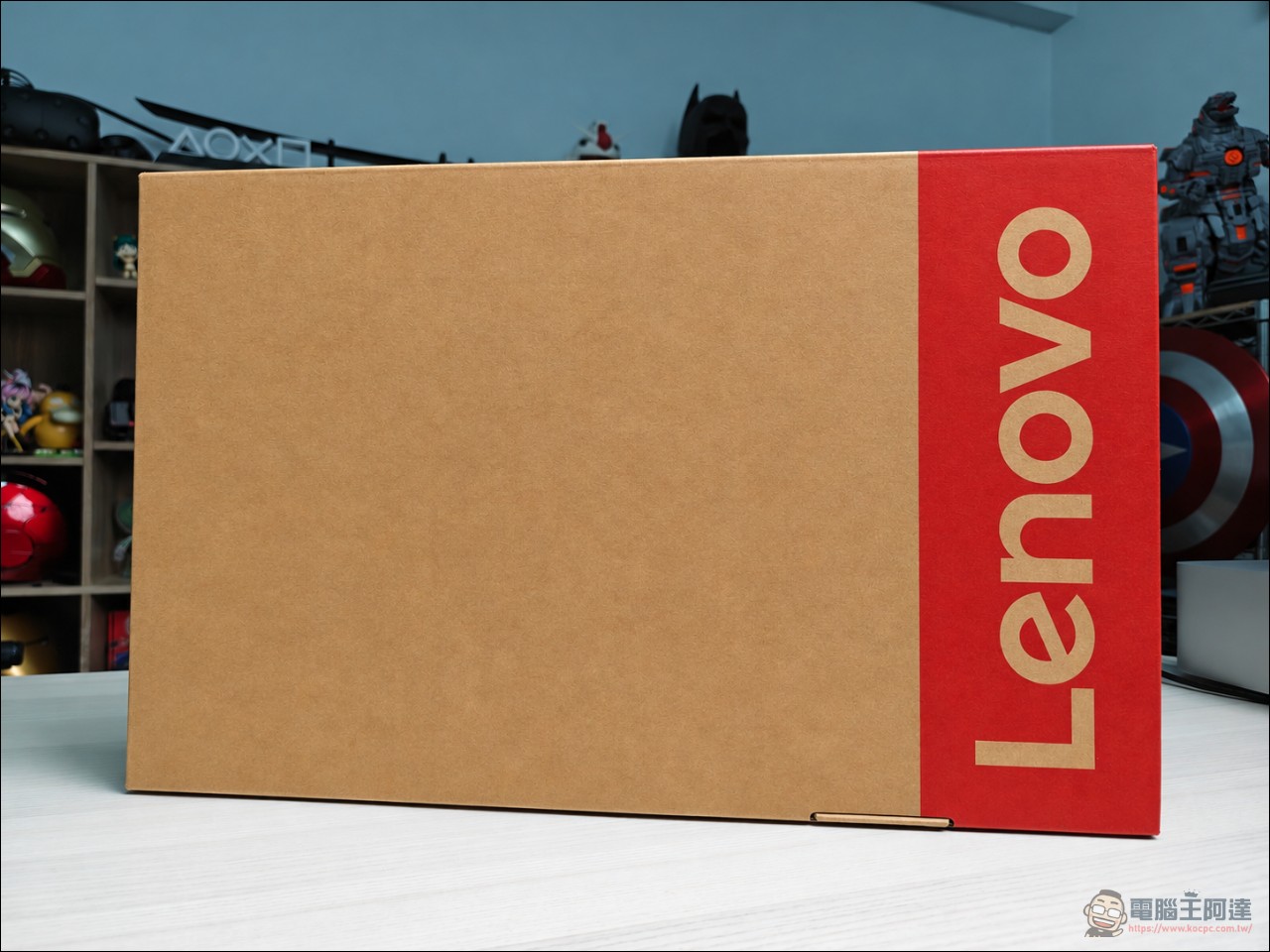
First, let’s start with the unboxing—it’s not much different from a typical Lenovo laptop:
The accessories inside are also simple: besides the laptop itself, there is a power adapter. What surprised me a bit is that the included charger is not a TYPE-C PD charger (however, the Lenovo IdeaPad Slim 3 supports PD charging, so you can use your own PD charger). The laptop dimensions are 343.4×239.5×16.9 mm, and it weighs about 1.6 kg:
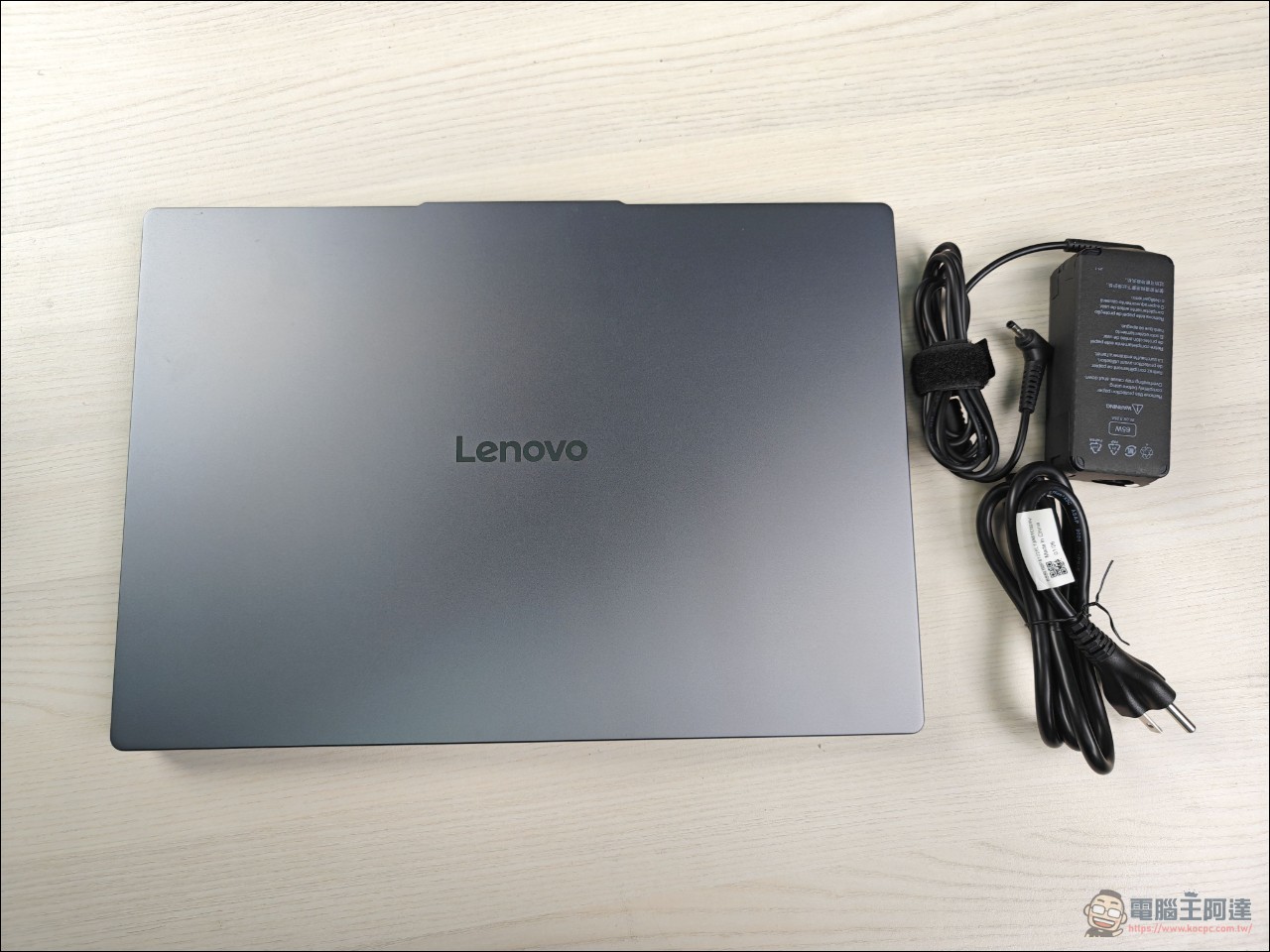
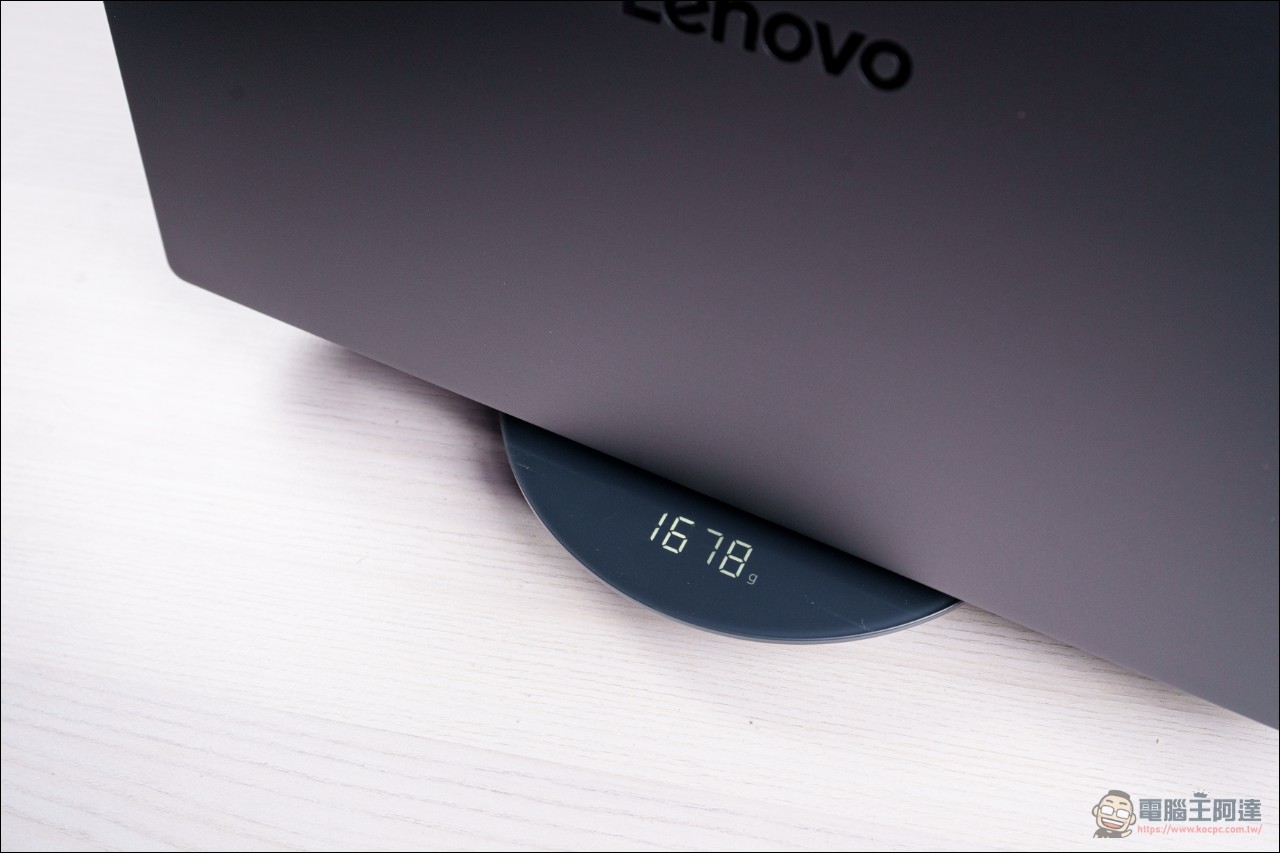
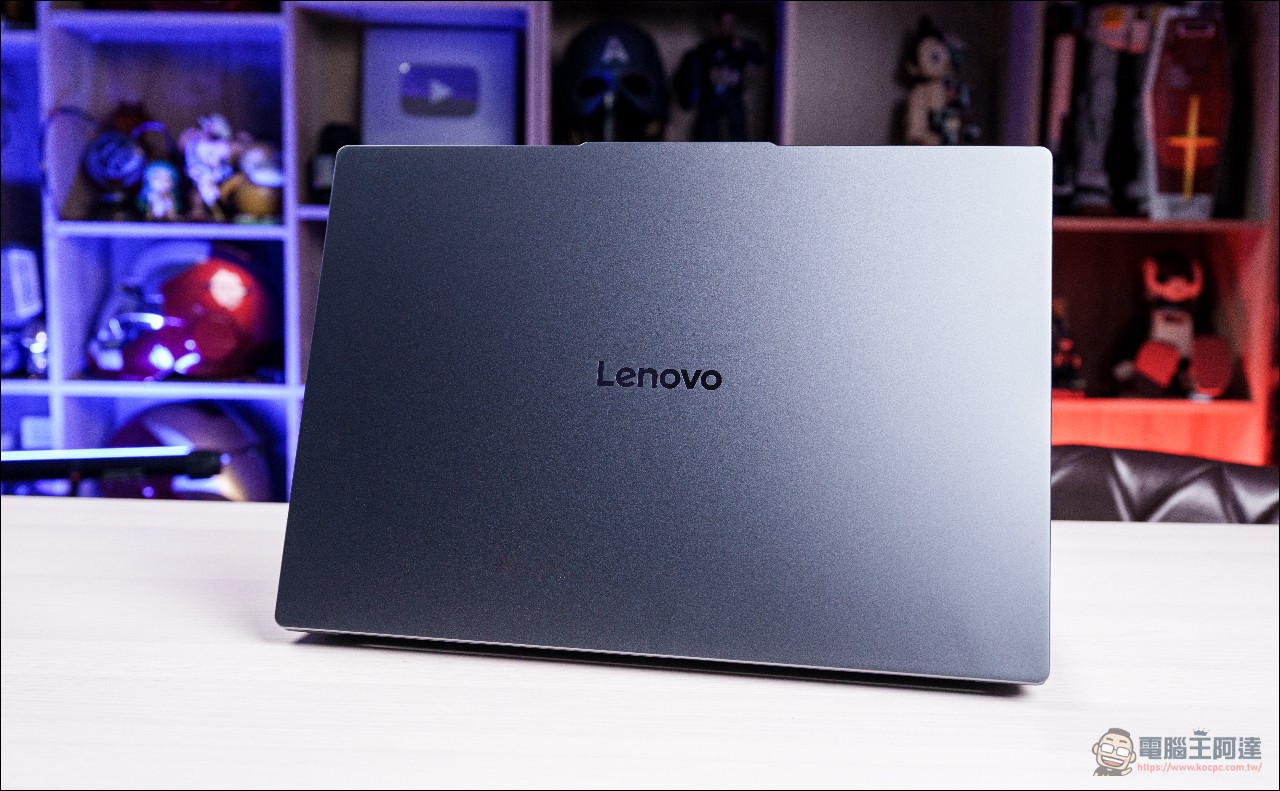
Starting with the A-side: although it’s defined as a budget model, the Lenovo IdeaPad Slim 3 doesn’t cut corners on materials. The A-cover top lid is made of an alloy material. At this price point, I originally thought the whole machine would be plastic, so this was a bit of a pleasant surprise:
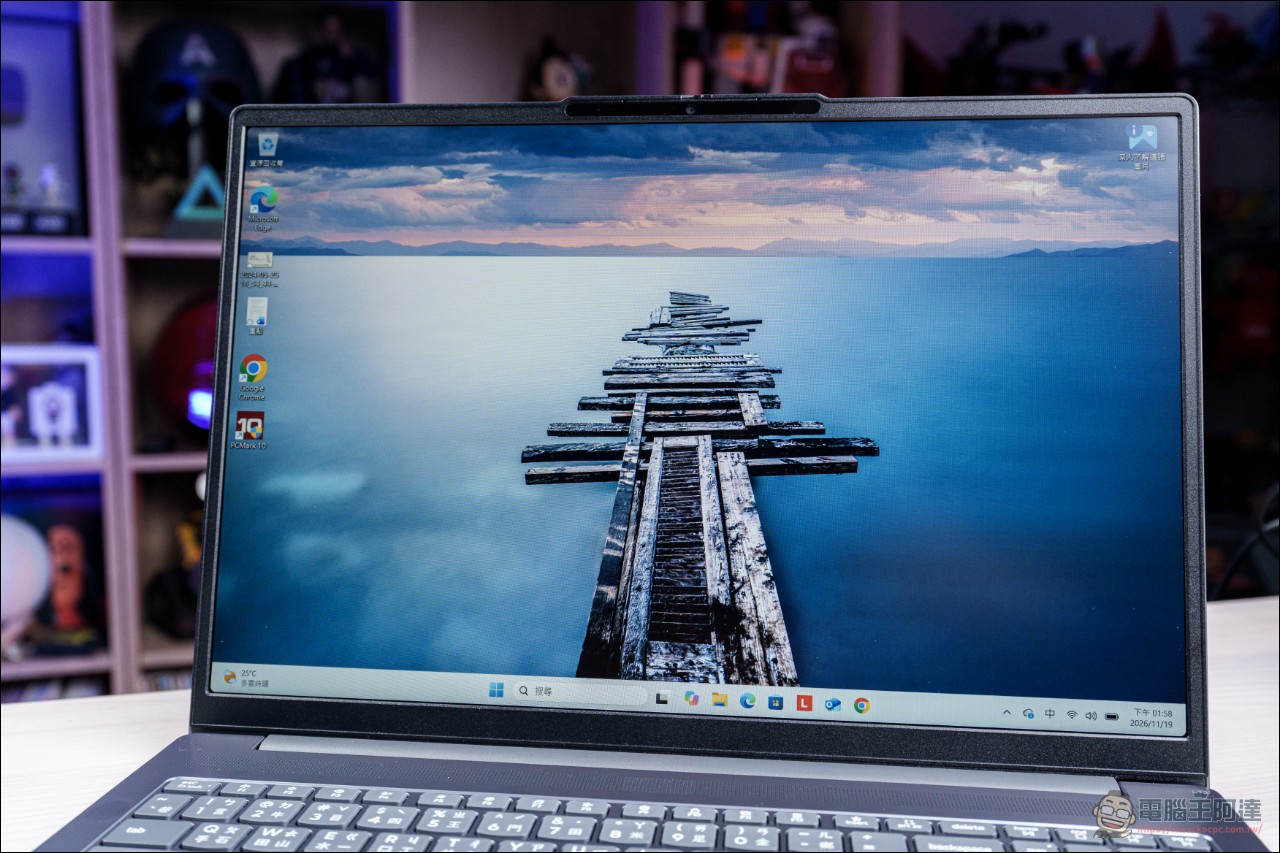
The IdeaPad Slim 3 features a 15.3-inch 16:10 WUXGA IPS display with a resolution of 1920*1200, 400 nits brightness, and a 60Hz refresh rate. It’s a standard productivity screen (it would be nice if the brightness were a bit higher, but it’s sufficient):
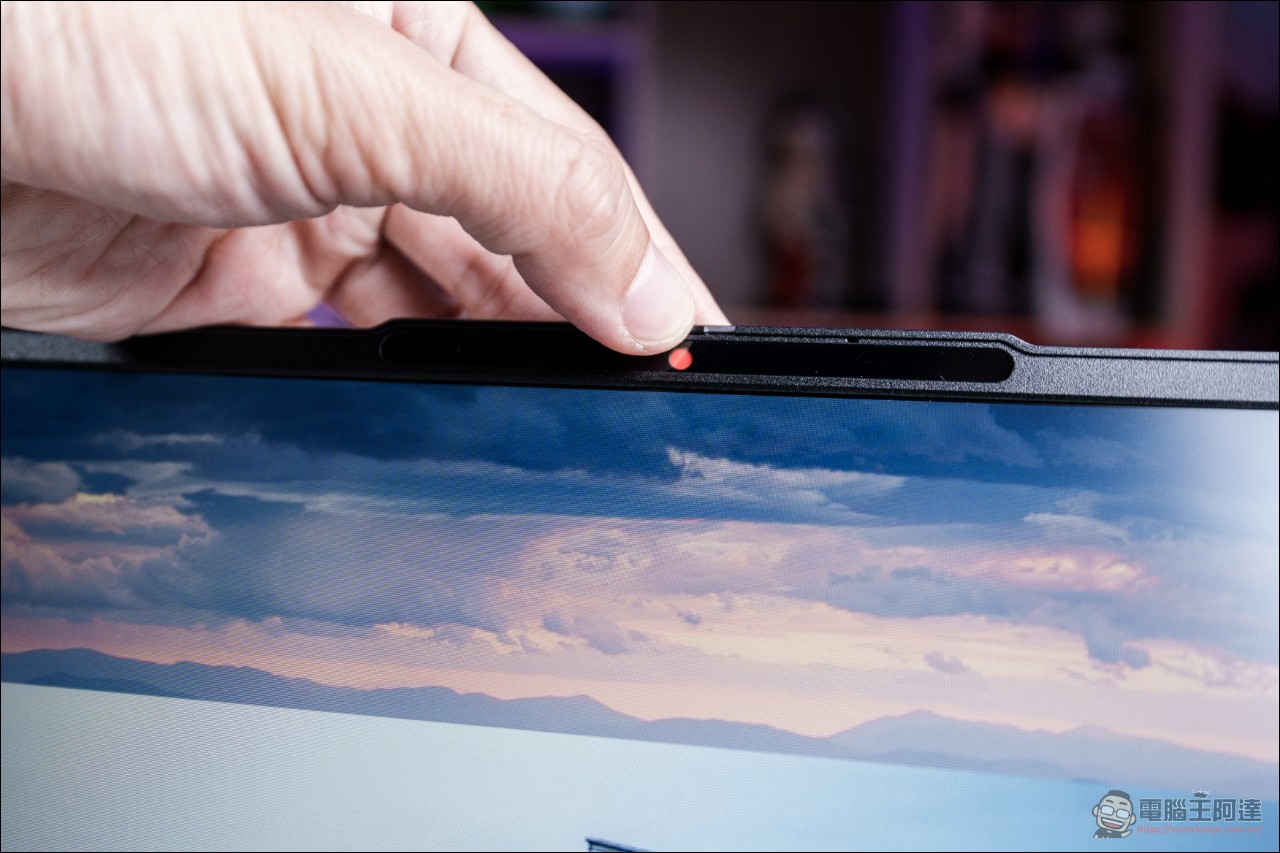
At the top of the screen is a 720P webcam with a hardware switch; when not in use, it can be turned off directly to prevent hackers from spying on you:
The keyboard section of the C-cover uses a full-size layout and has a dedicated numeric keypad, which is a plus. The touchpad is located in the lower-left area and is not particularly large; the keyboard feel is okay, but note that the keyboard does not have a backlight:
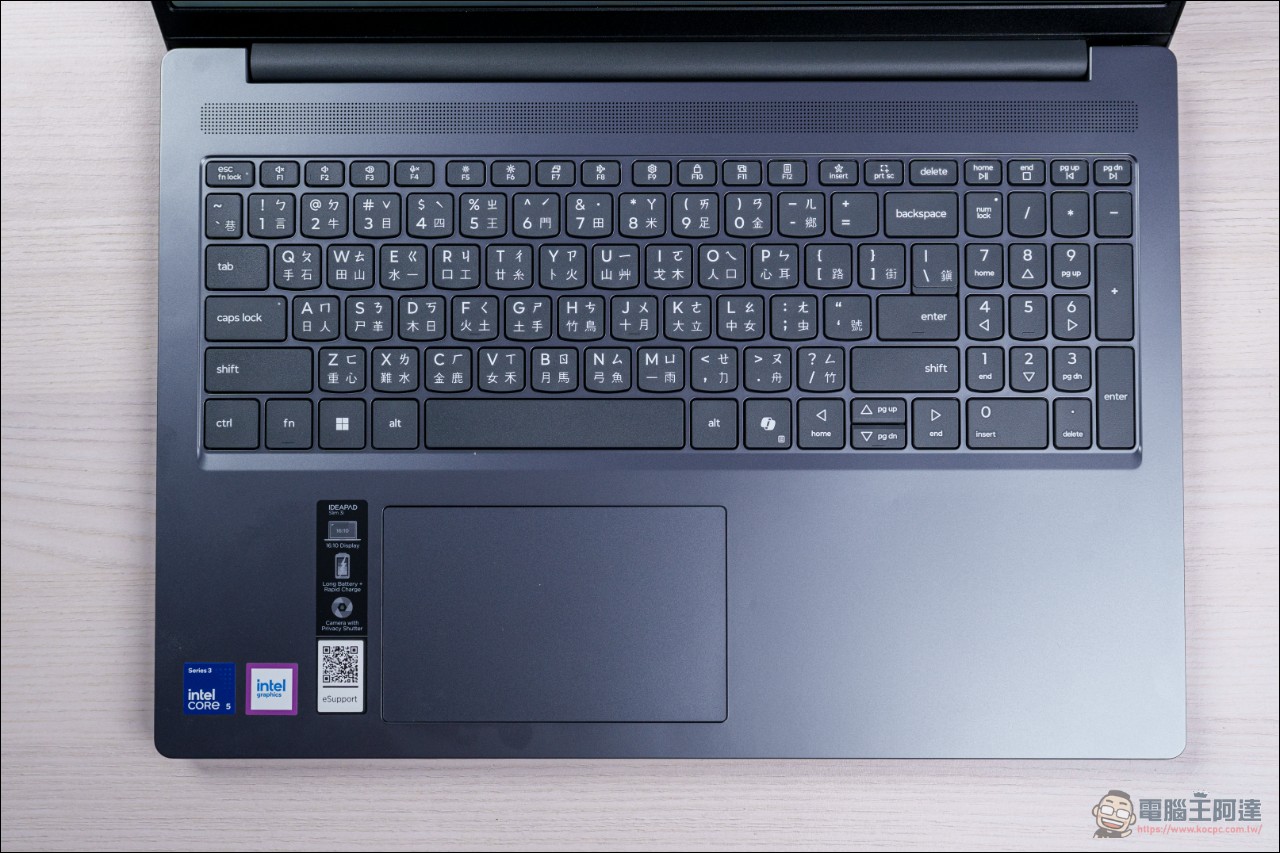
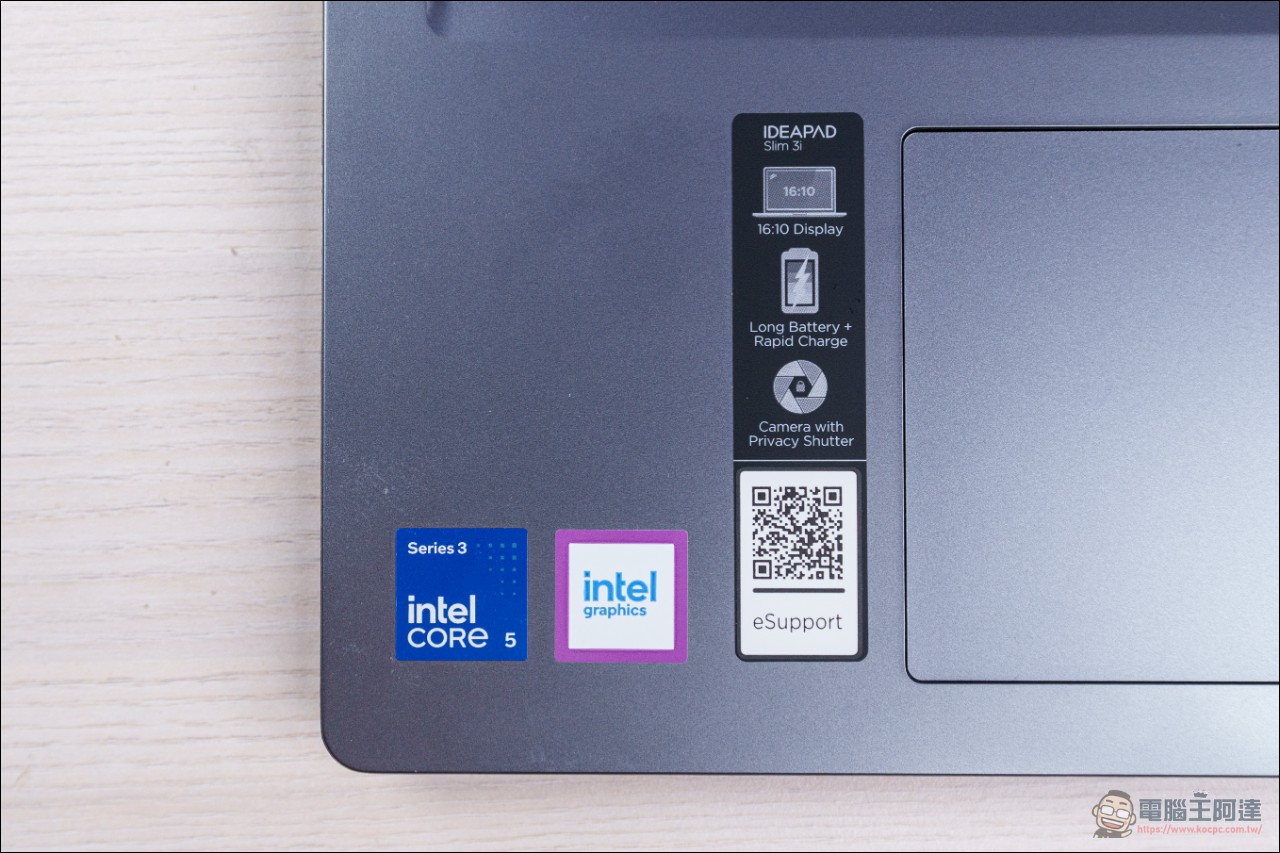
The nameplate next to the touchpad also indicates what’s inside: it uses an Intel Core 5 320 processor. Compared with the Panther Lake we unboxed previously, the main differences are a further reduction in core count and lower power consumption and integrated graphics scale, so don’t expect laptops in this series to be for gaming—though hardware video decoding is still there:
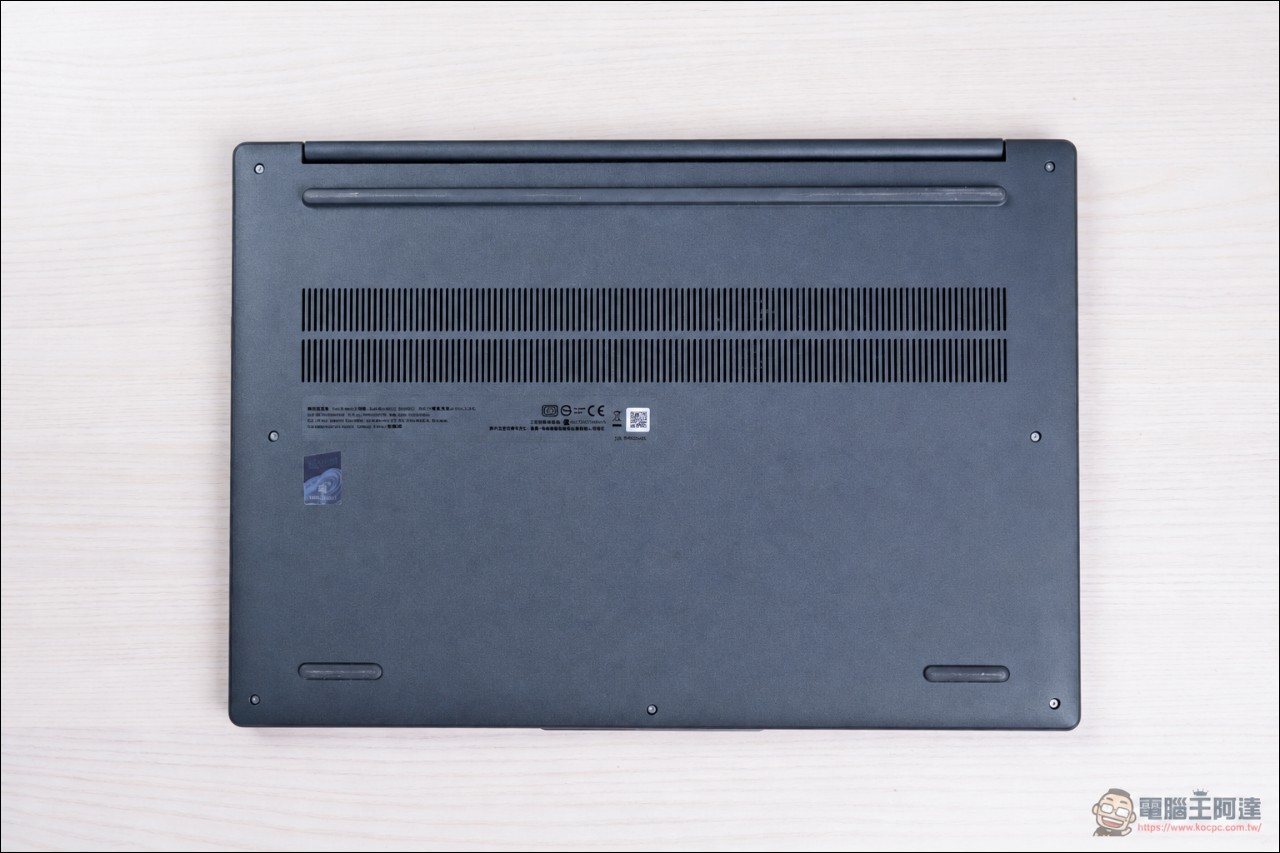
Close-up of Part D. Parts C and D are made of plastic, but because of the metallic finish, you can’t tell from the outside unless you tap them; overall, the texture feels pretty good:
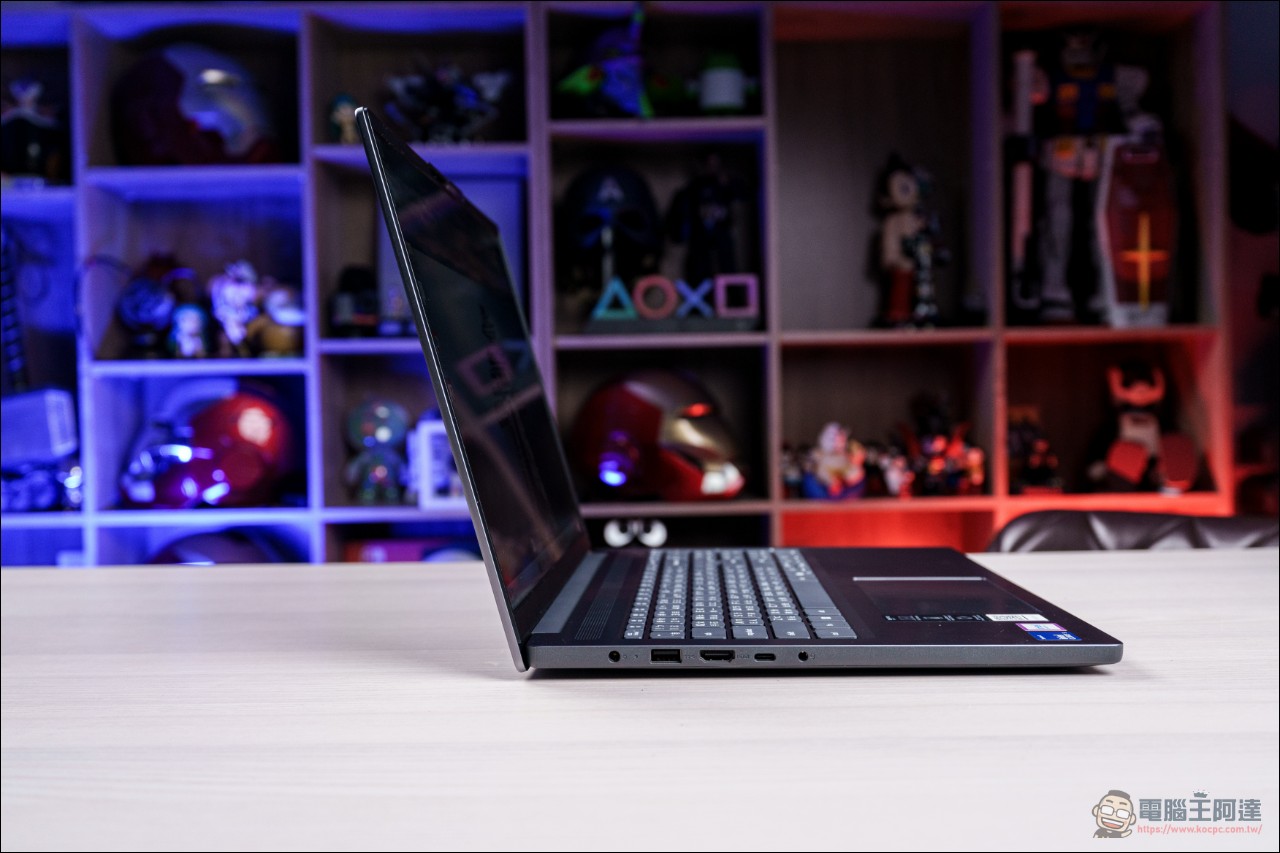
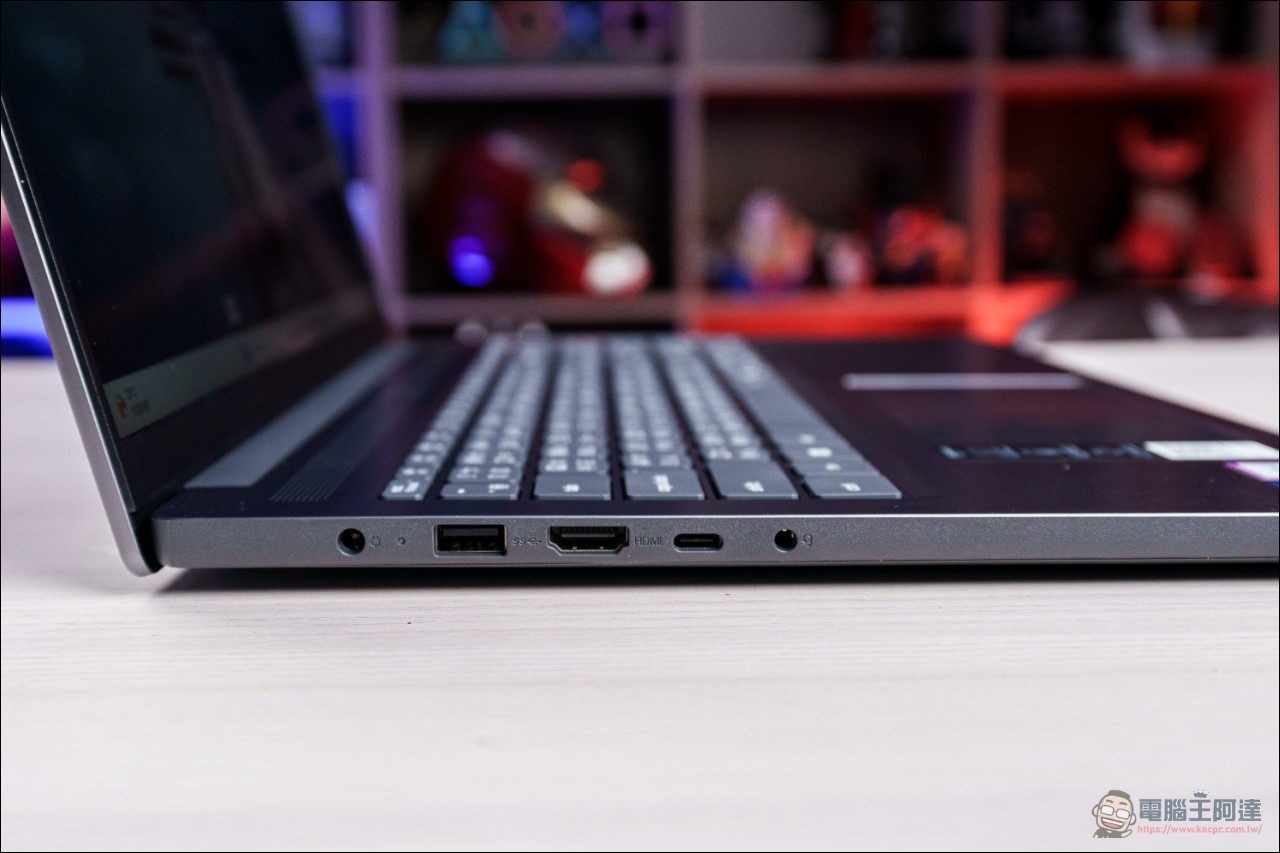
For the I/O, the left side of the device has DC-IN, USB-A, HDMI 1.4, and Type-C ports (supporting PD charging and DisplayPort), as well as a headphone/microphone jack. All the USB ports are USB 3 (5Gbps), so the transfer speed is not very fast:
On the right side of the chassis are a built-in MIC, power button, SD card reader, and a USB 3.0 Type-A port:
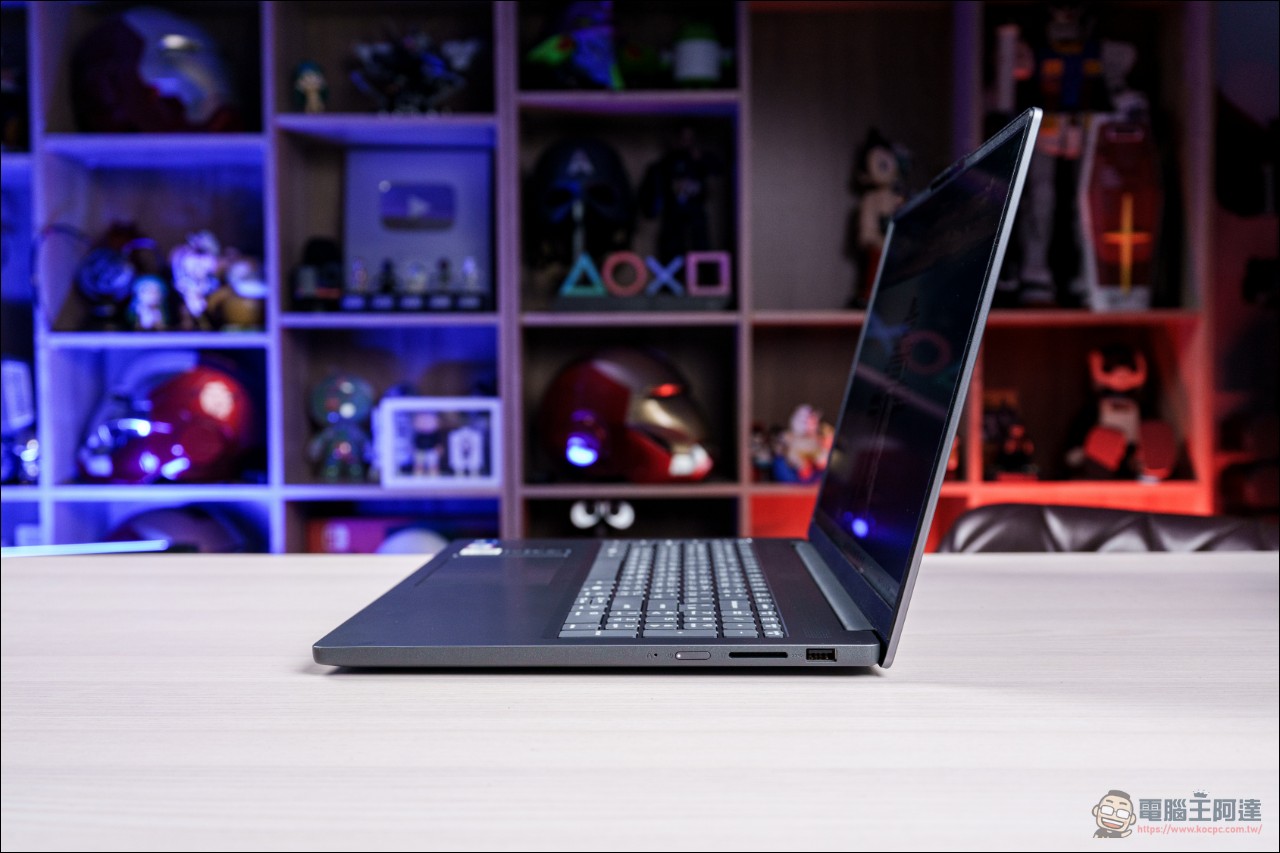
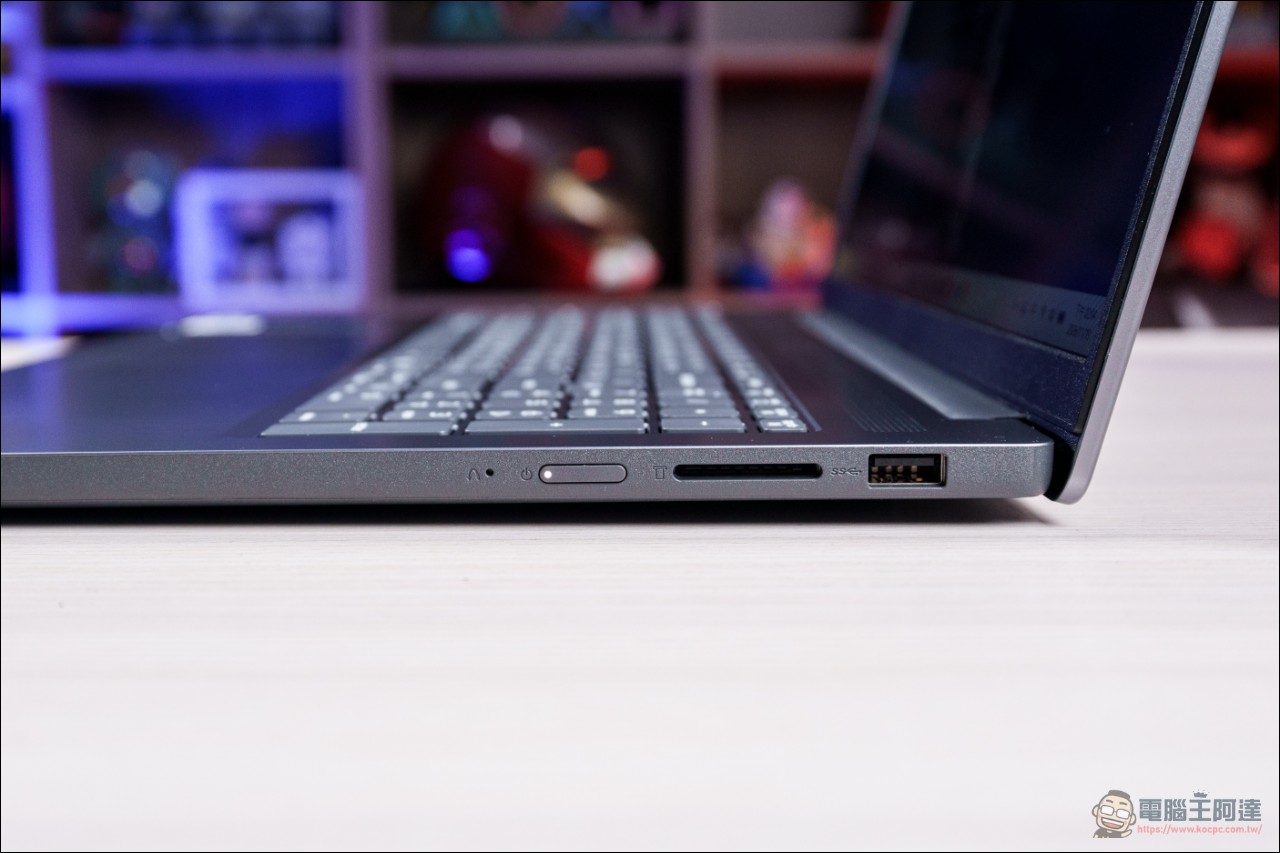
Overall, the Lenovo IdeaPad Slim 3 has a fairly conventional design. While there’s nothing particularly standout about it, it’s still acceptable. If I had to complain, it would be that there’s only one TYPE-C port, and its transfer speed is only USB 3. In this respect, it has quite thoroughly taken cues from the Macbook Neo:
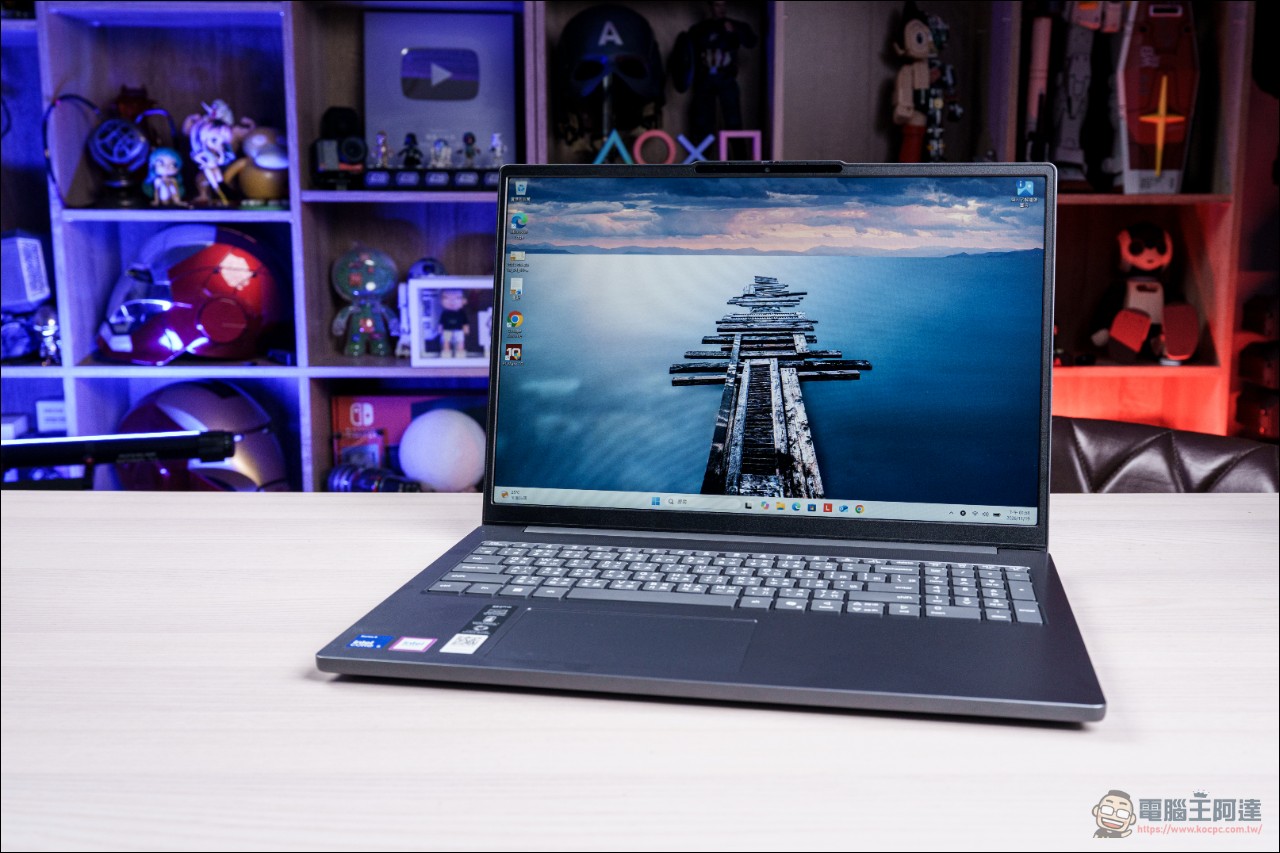
Lenovo IdeaPad Slim 3 performance hands-on
The Lenovo IdeaPad Slim 3 is powered by an Intel Core 5 320 processor based on the Wildcat Lake architecture, with 16GB DDR5-5600 RAM and a 512GB SSD. If this were last year or the year before, I might have thought it wasn’t high-end enough, but at this point it’s already the most cost-effective laptop you can buy at the 25XXX price point (after all, even Microsoft is planning to bring back 8GB RAM models…):
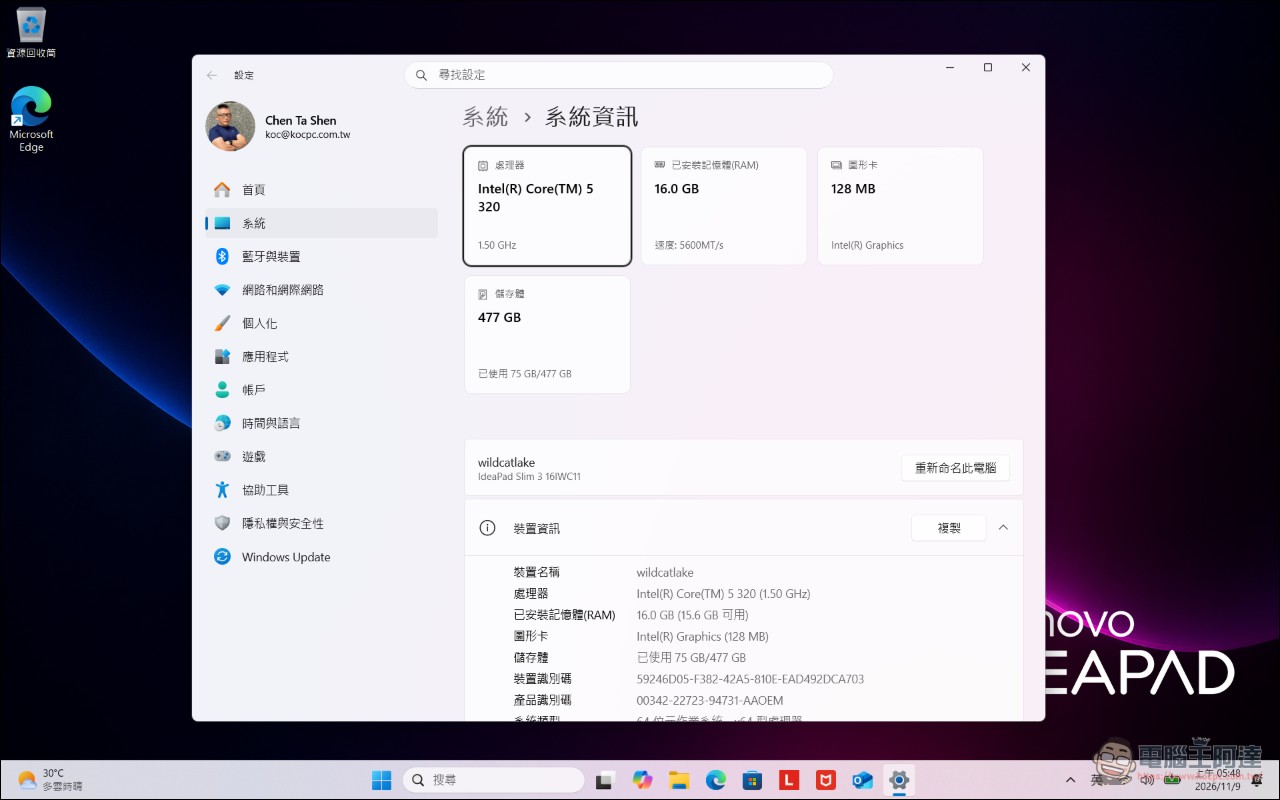
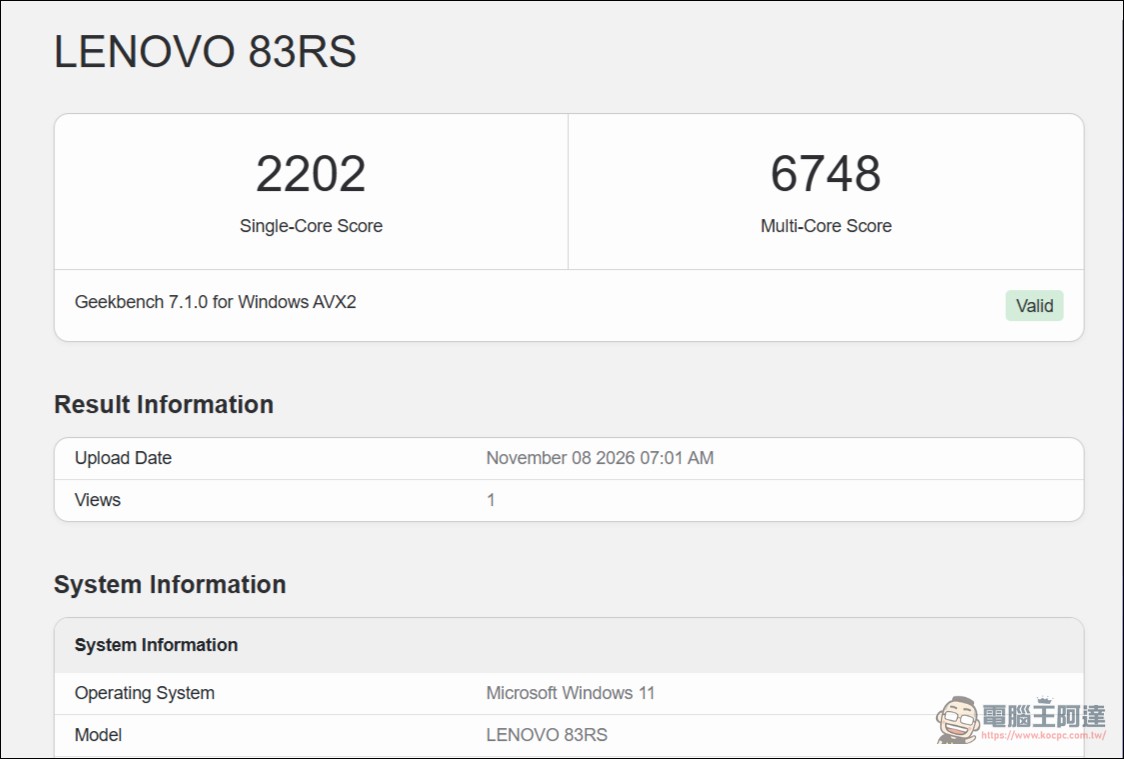
For the processor portion, GeekBench 7 was used for testing, with a single-core score of 2202 and a multi-core score of 6748:
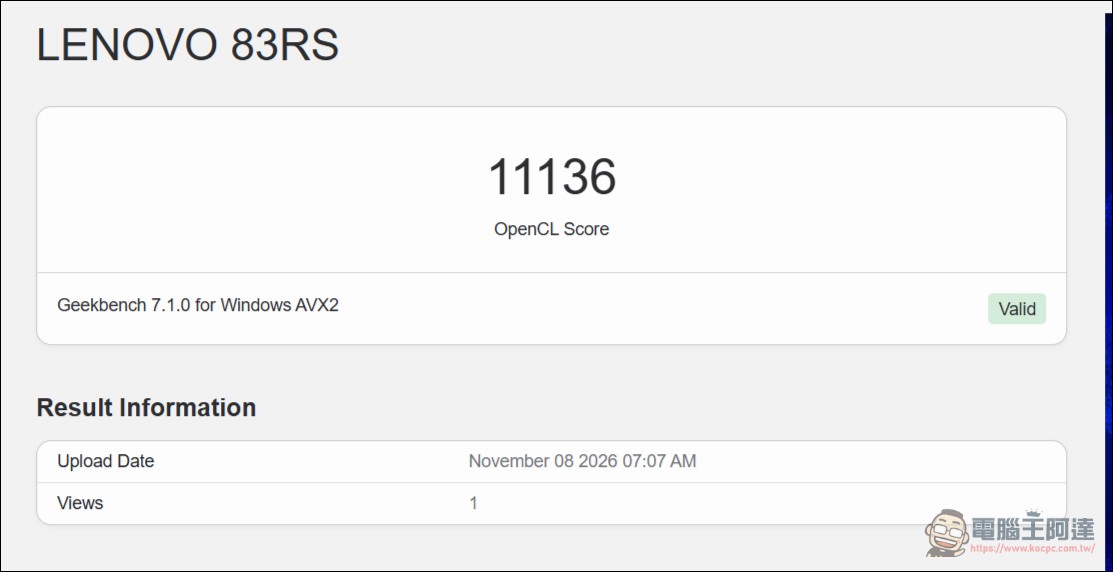
For the integrated graphics, Intel Graphics (2 Xe3 cores, supporting AV1 encode/decode and Quick Sync) scored 11136 points. It’s no problem for watching videos and binge-watching series; for gaming, it can probably run browser games and GAL GAME, so I won’t test games in this part:
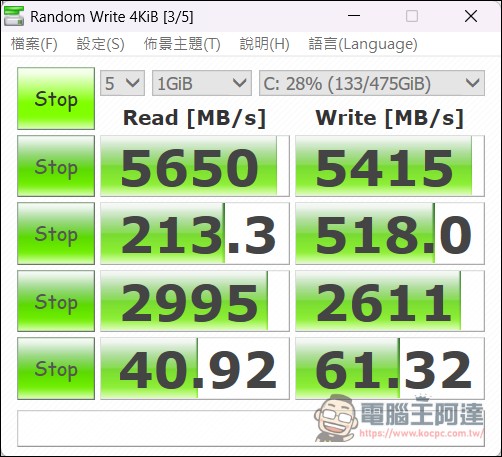
The SSD used is a Sandisk SN5100S 512GB, with read/write results as follows:
Tested with PCMARK 10, the score in general office scenarios is 6000 points:
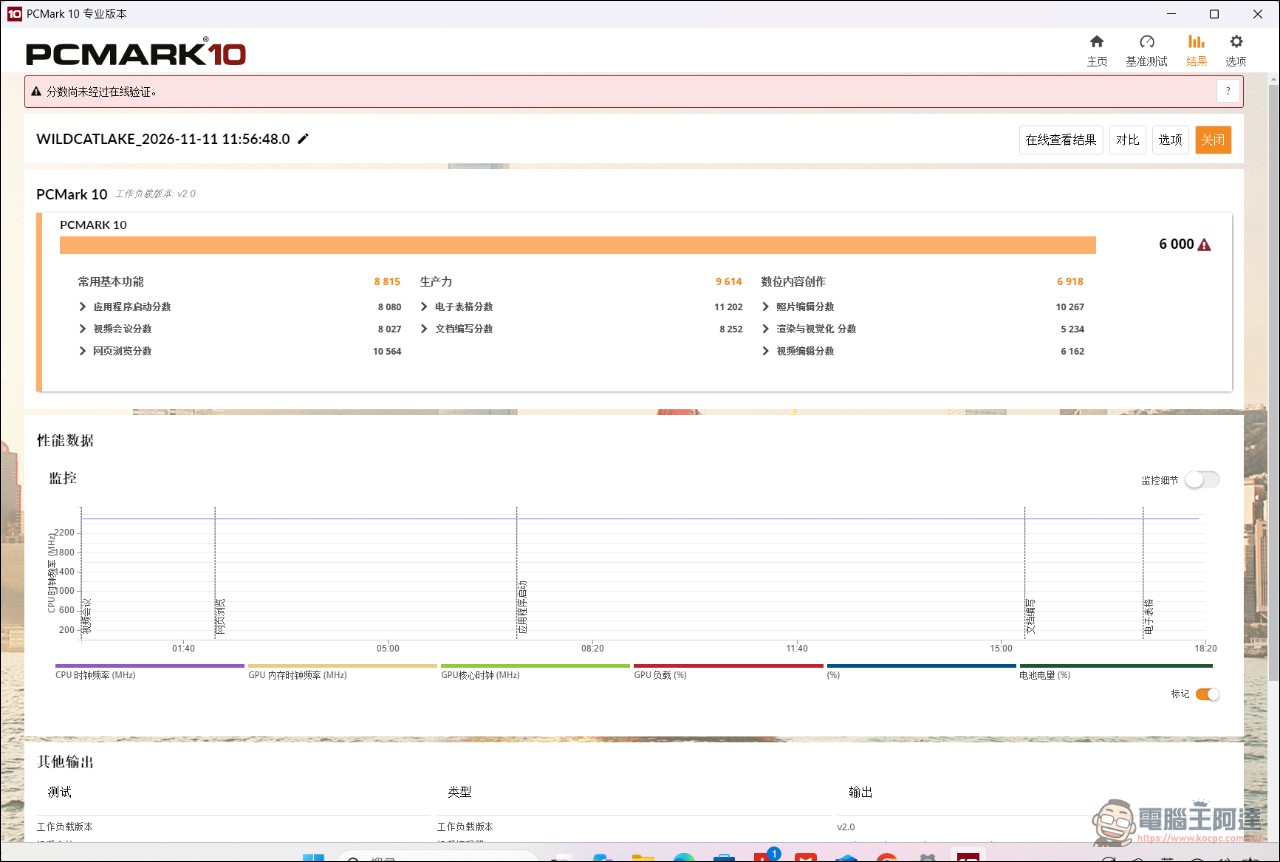
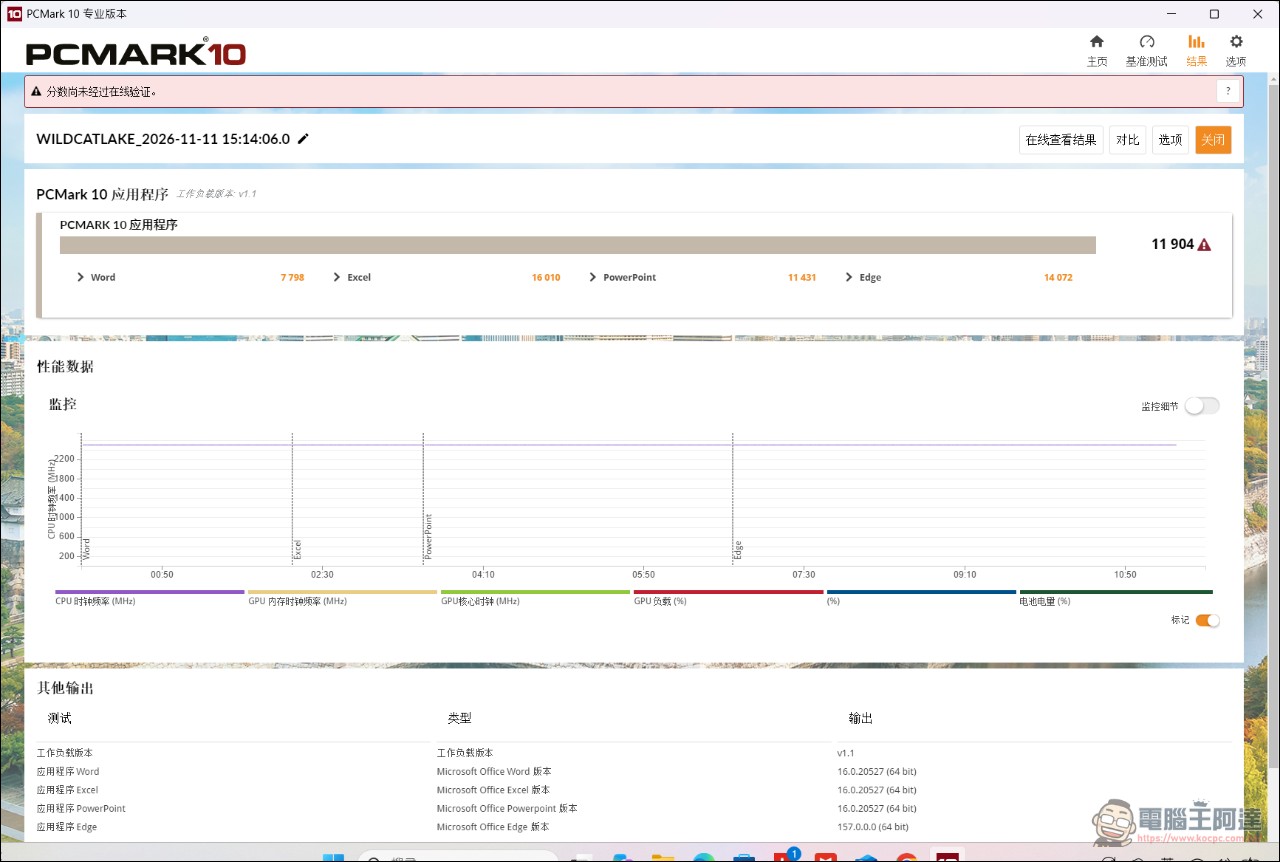
App 11904 points:
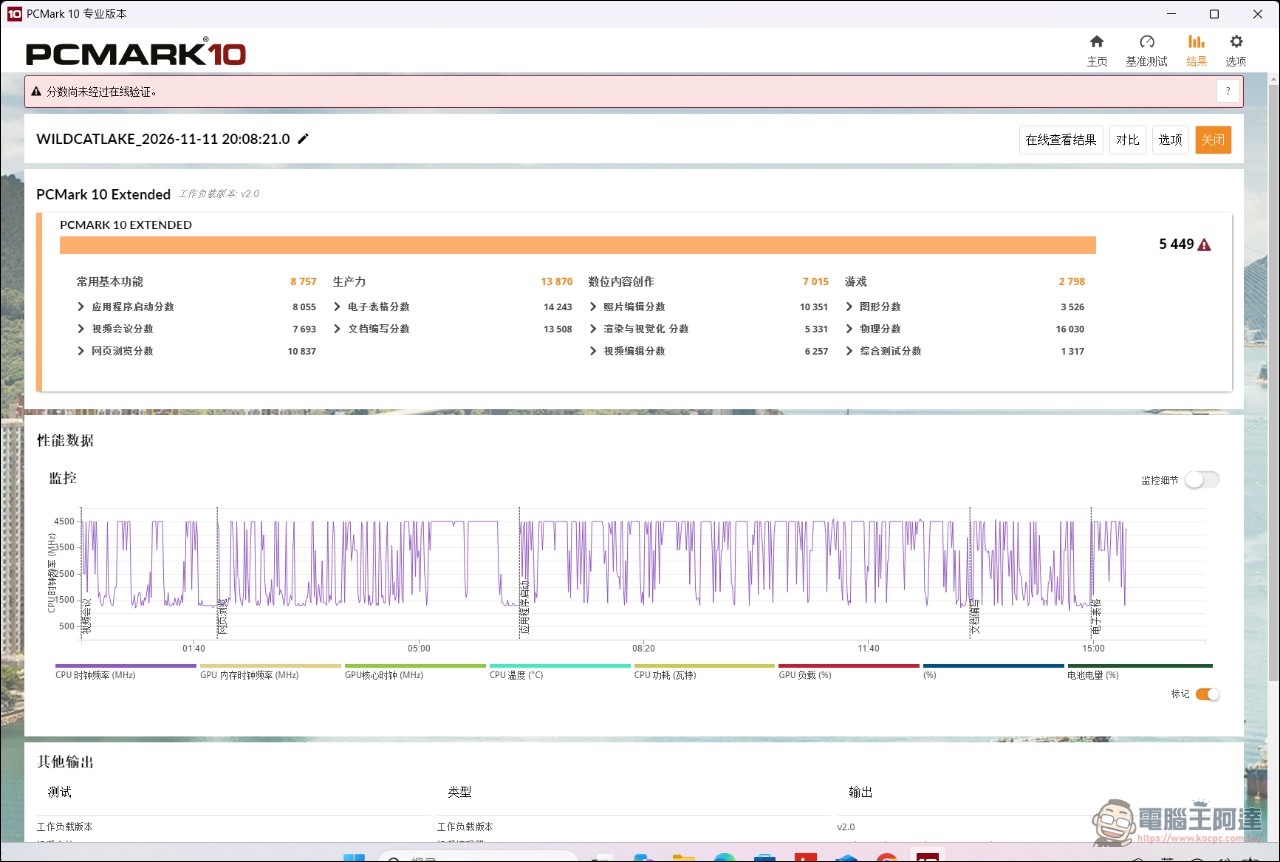
The PCMARK 10 Extended score is 5449, with performance slightly higher than a typical entry-level office PC:
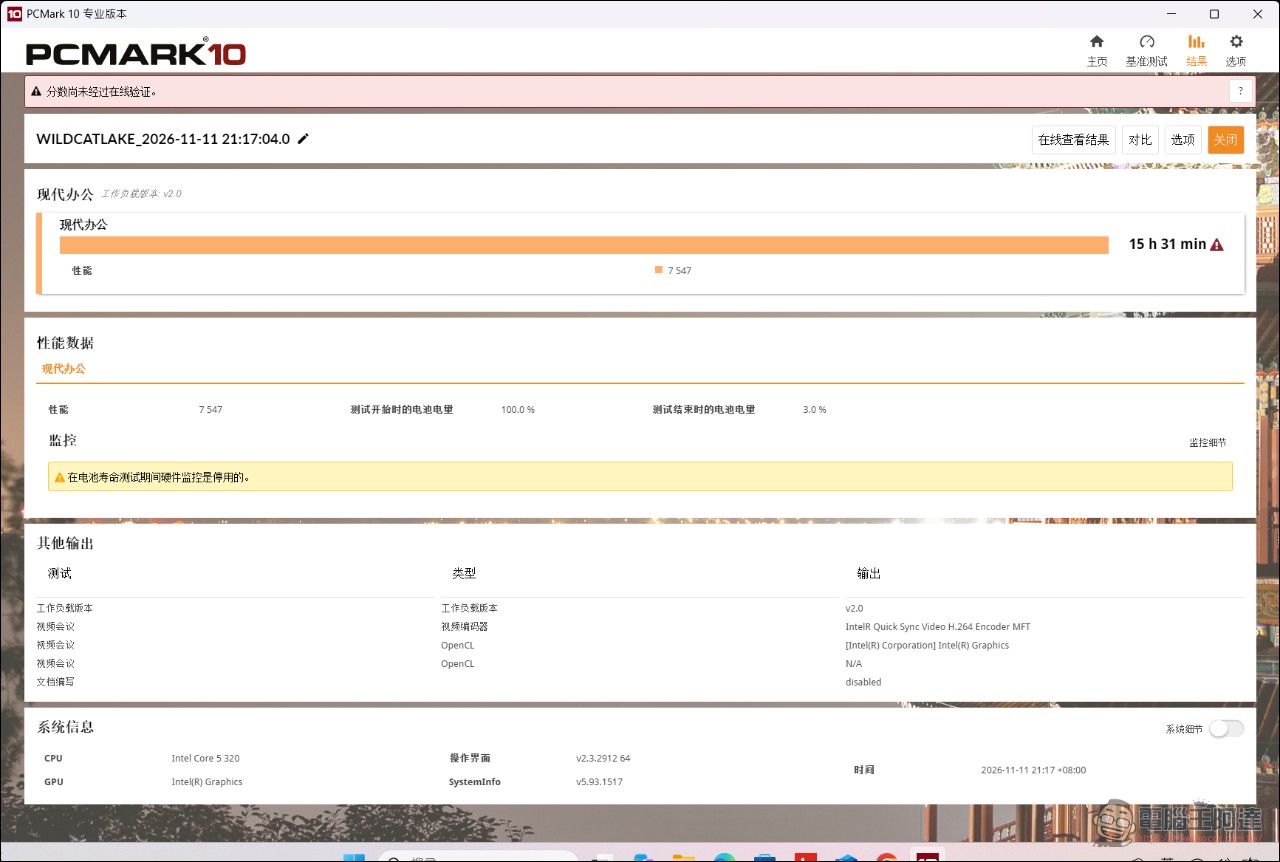
Battery life is a highlight and the main selling point of the Wildcat Lake architecture (although Panther Lake already performed very well). The Lenovo IdeaPad Slim 3 has a built-in 50Wh battery. In real-world testing with PCMARK 10’s Modern Office battery life test, it lasted 15 hours and 31 minutes from 100% to 0%, enough for students or office workers to use unplugged all day. If the battery were a bit larger, exceeding 24 hours wouldn’t be a problem:
Summary
The Lenovo IdeaPad Slim 3 laptop equipped with an Intel Core 5 320 processor has a very clear positioning: it is a product for people who have recently needed to buy a laptop but have a limited budget. In terms of specs alone, a year ago I would have thought this should be priced under 20,000 to be worth buying, but in this era when all hardware prices are rising, honestly I can’t bear to criticize the manufacturer; I believe their profit on this machine must not be high either. That said, I still have to complain that the Wildcat Lake series is positioned too closely to the Macbook Neo. Not only are all the hardware metrics similar to the Neo (such as performance, only USB 3 for the transfer interface, no keyboard backlight…), if on this basis they could “give a little more,” such as USB 4, keyboard backlight, graphics core… then it would feel more sincere. But I still want to give Lenovo and Intel credit; after all, this machine at around 25000 still offers some things more than the Macbook, such as being a few thousand cheaper, having 8GB more memory, and a larger SSD (compared with the 256GB model)…
If you’ve been in the market for a laptop lately but just can’t bring yourself to buy after seeing current hardware prices, the Wildcat Lake Lenovo IdeaPad Slim 3 is still well worth considering—otherwise, the machines I’d consider good now all cost over 50,000…
Source: KOCPC Chinese