


For over a year now, SSD prices have been rising almost continuously, climbing to several times their original levels. Anyone wanting to add more SSD storage to their computer has probably been very hesitant—at such high prices, it’s hard to bring themselves to buy. The good news is that this curve has finally turned recently.
A Bank of America (BofA) report notes that consumer-grade NAND Flash spot prices have fallen about 20% since mid-to-late October, with some wafer products down as much as 32% from the previous quarter. BofA also estimates that consumer-grade contract prices will fall another 5–10% in the first quarter of 2027. So it may be worth looking forward to—perhaps SSD prices will drop in a few months.

Are SSDs Finally Set to Get Cheaper? NAND Flash Prices Plunge 20%, Analysts Expect Continued Declines Through 2027
According to South Korea’sSeoul Economic DailyCiting the latest Bank of America report, it noted that NAND spot prices have fallen about 20% since mid-to-late October. The spot price of 512Gb NAND wafers reached US$14.30, down 12% in a week and 32% compared with the previous quarter. 1Tb products reached US$24.90, a decline of 19%. The BofA report also mentioned that NAND is the product that “first showed price correction pressure” in this round of the memory price increase cycle.
| NAND products | Latest price | decline | comparison benchmark |
|---|---|---|---|
| Consumer-grade NAND spot market | — | Approximately -20% | Since mid-to-late October |
| 512Gb NAND wafer | US$14.30 | -32% | Compared with the previous quarter (down 12% in a week) |
| 1Tb NAND wafer | 24.90 US dollars | -19% | The report did not specify. |
Source: Bank of America report, compiled by Seoul Economic Daily
South Korea’s Money Today, citing DRAMeXchange data, also shows a similar trend: the spot price of TLC 512Gb NAND wafers is $14.2, down 24% from a month earlier, while TLC 1Tb products also fell 14% over the same period. DRAMeXchange data shows that NAND spot prices began to decline after peaking in August this year, and the recent pace of decline has accelerated noticeably.
However, it is important to note that the so-called spot price is the price at which small and medium-sized manufacturers and memory module makers conduct small-volume trades in the open market. The transaction scale is not large, but it reacts quickly to changes in supply and demand and is often used as a thermometer for the market. The contract price, by contrast, is the long-term procurement price negotiated by original manufacturers such as Samsung and SK Hynix with major phone brands, PC makers, and cloud service providers, usually through quarterly negotiations.
So a sharp drop in spot prices does not mean SSDs on e-commerce platforms or in the market will become cheaper at the same time. The Seoul Economic Daily also noted that it is still difficult to determine whether the decline in spot prices has already driven overall contract prices down, but by the price negotiations in early next year, buyers may push harder for price cuts.
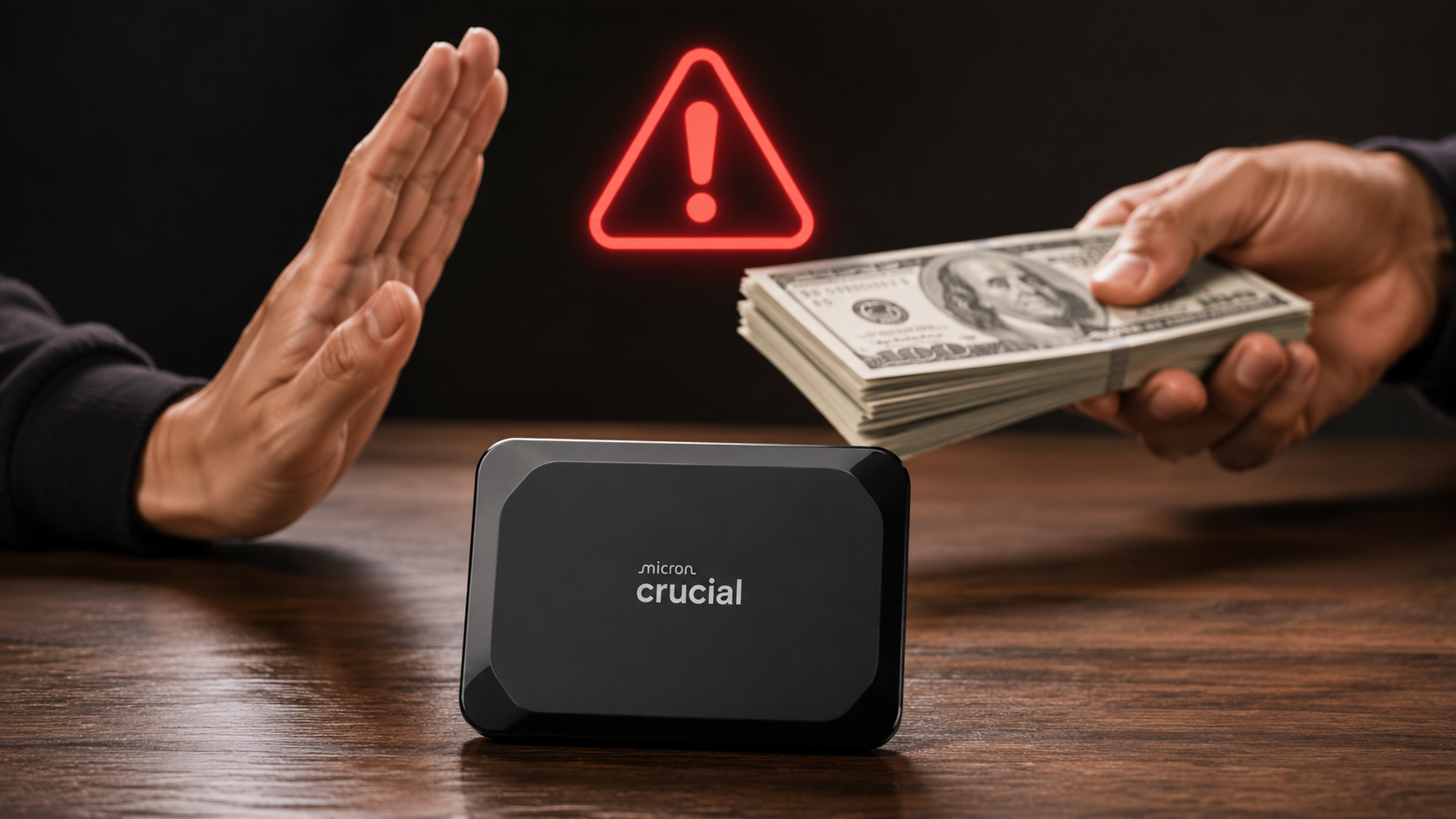
As for why it suddenly changed direction, based on analyses from Bank of America, TrendForce, and Korean media, it can broadly be summarized into three areas.
- Smartphones and PCs aren’t selling, and even Chinese cloud service providers are pulling back.
- With inventories piling up, manufacturers have started cutting prices to clear stock.
- Competition from China’s Yangtze Memory Technologies (YMTC) is becoming increasingly fierce.
Both Bank of America and TrendForce predict that NAND contract prices will begin to decline in the first quarter of 2027:
| Research institution | Prediction time | NAND price forecast |
|---|---|---|
| Bank of America (BofA) | 2027 Q1 | Consumer-grade NAND for smartphones and PCs fell 5–10% QoQ. |
| Bank of America (BofA) | 2027 Q1 | Enterprise-grade NAND will remain flat or rise slightly, while overall average selling prices may decline slightly. |
| TrendForce | 2026 Q4 | The estimated overall contract price increase has been revised down to 8–13%. |
| TrendForce | 2027 Q1 | Overall contract prices fell 0–5% quarter-on-quarter. |
| TrendForce | Starting from Q2 2027 | All types of NAND products have entered a broad price-decline cycle, with the rate of decline likely to widen quarter by quarter. |
Sources: Bank of America (compiled by Seoul Economic Daily), TrendForce (November 19 report)

Source: KOCPC Chinese