


After years of market rumors, leaks, and outside expectations, Apple has finally officially launched its first foldable smartphone, iPhone Duo. As an important milestone in Apple’s entry into the foldable phone market, this product almost immediately sparked discussion across the tech world after its announcement. From its refined industrial design and nearly invisible screen crease to an iOS experience built specifically for large foldable screens, iPhone Duo demonstrates Apple’s consistent product refinement capability and proves that the company is not merely following market trends, but hopes to redefine how foldable phones are used.
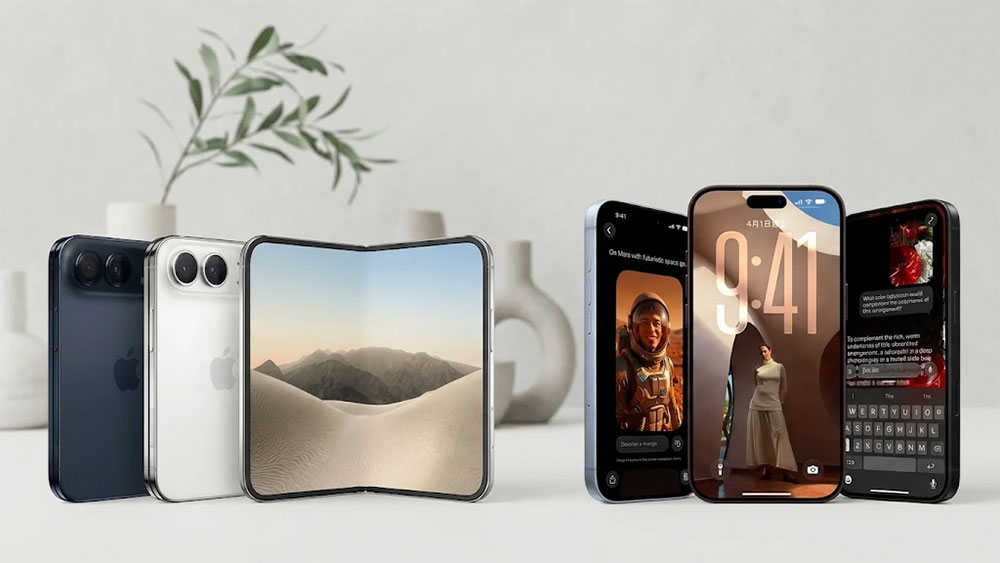
Five key reasons why the iPhone 18 Pro is still a better buy than the iPhone Duo
Many reviews have given the Duo positive assessments, considering it one of the most mature foldable phones currently available and closest to mainstream market needs. For Apple fans who have long been watching foldable devices from the sidelines, it is indeed very appealing. However, new technology and new form factors do not necessarily represent the best choice. While market attention is focused on the Duo, Apple’s conventional flagship model released in the same period, the iPhone 18 Pro, seems somewhat underrated by comparison. If analyzed comprehensively in terms of actual user experience, software maturity, camera capability, durability, and price, the iPhone 18 Pro remains a more rational and better-balanced purchase choice for the vast majority of consumers.
The following five reasons may explain why, even though the Duo has generated plenty of buzz, the iPhone 18 Pro is still worth prioritizing.
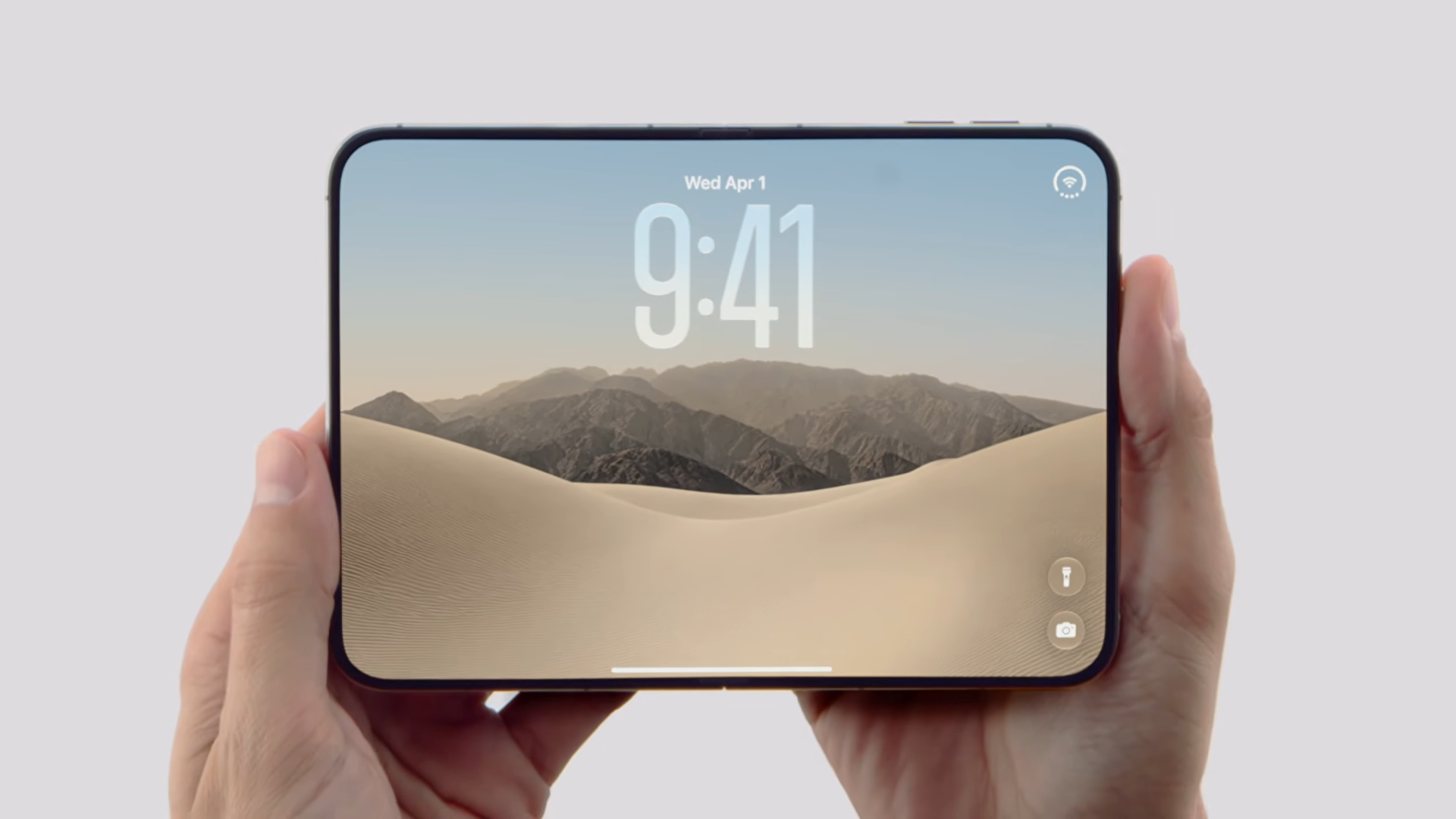
The app ecosystem is still in a transition period.
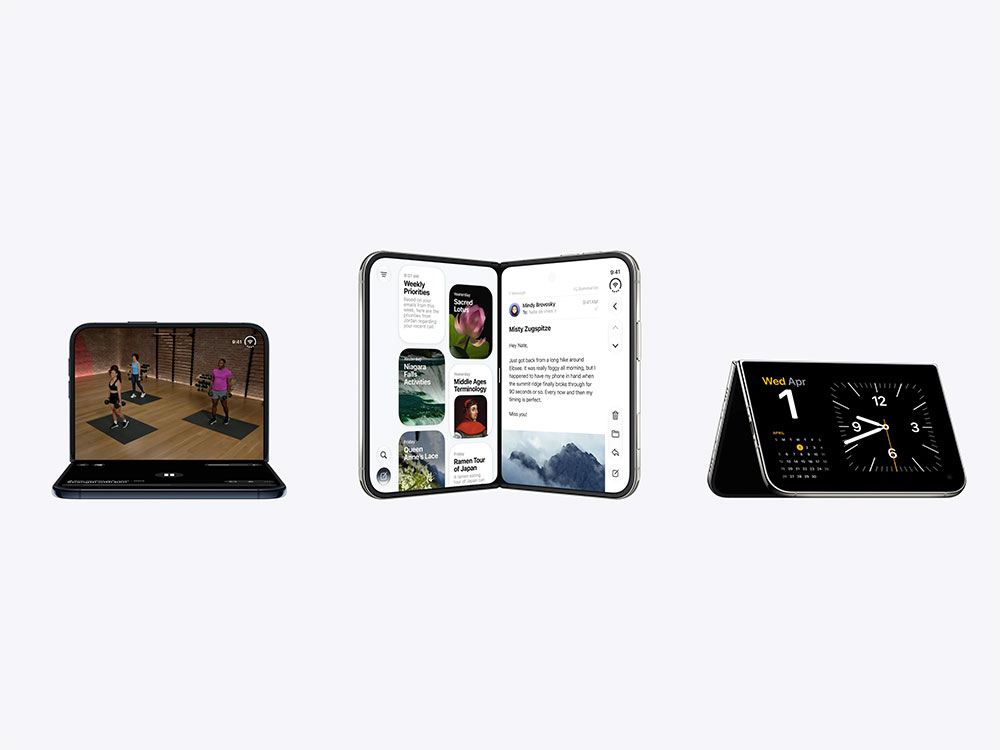
Foldable screens bring a new display aspect ratio, which also means developers must readjust app interfaces and feature support. However, many applications have not yet completed adaptation, and some apps still run in letterboxed or unoptimized modes, affecting the actual user experience. The bigger problem is that users cannot predict whether the apps they commonly use will be supported. If important work or productivity tools have not yet been updated, users may have to wait months for a full experience. Looking back at Apple’s introduction of the Liquid Glass design language in iOS 26, many popular apps took more than a year to complete updates, showing that software ecosystem transitions take far longer than expected.
In comparison, the iPhone 18 Pro has no compatibility issues at all—you can enjoy a mature, stable App experience right out of the box.
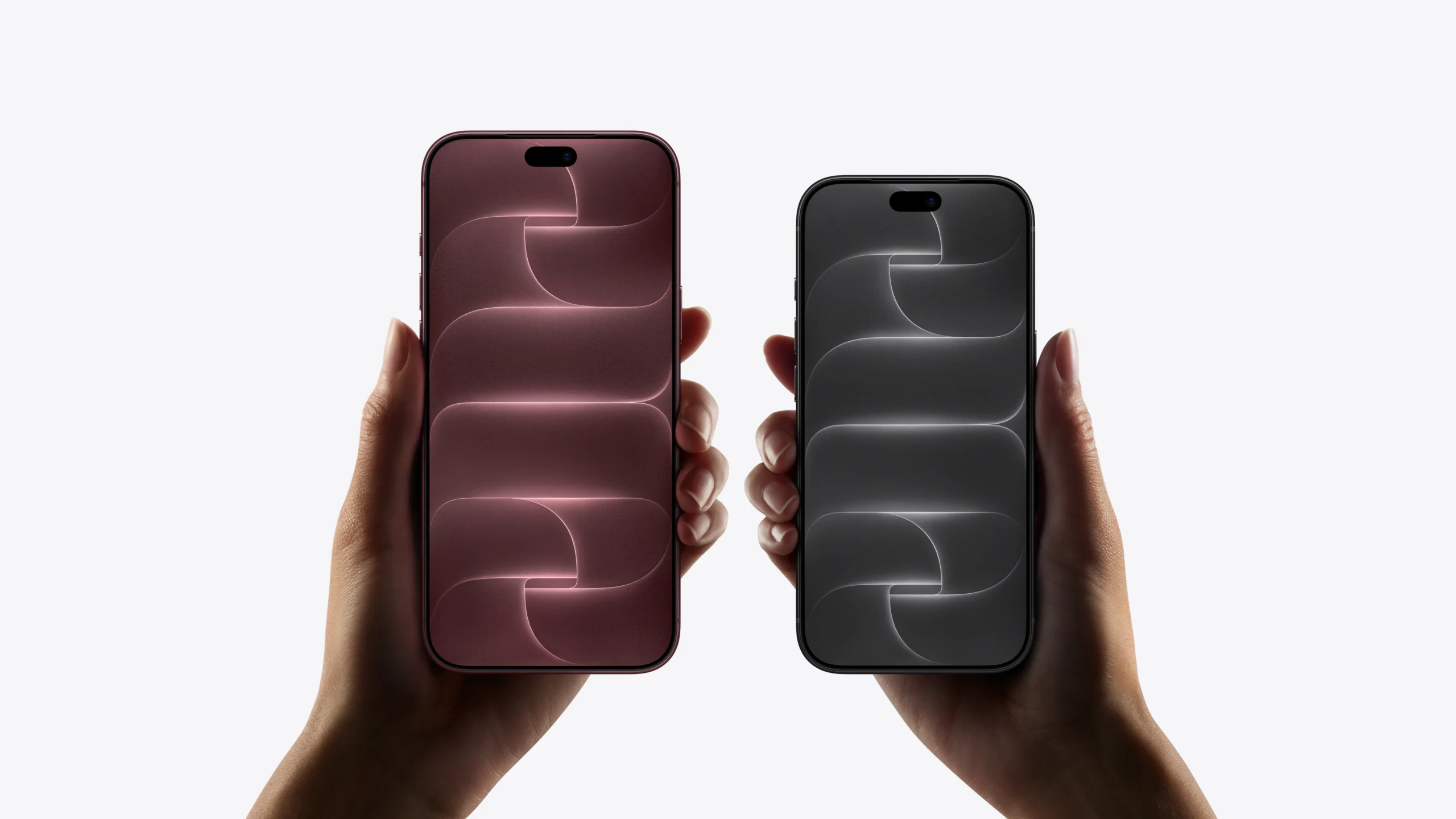
The convenience of Face ID remains irreplaceable.
To accommodate the foldable design, the iPhone Duo drops Face ID and switches to Touch ID integrated into the side button. Although recognition remains fast, for iPhone users long accustomed to Face ID, it is a clear step backward. From checking notifications and unlocking the phone to authorizing App Store purchases, Face ID can complete authentication almost without the user noticing. Touch ID, by contrast, requires users to rebuild their habits and even deliberately adjust how they hold the phone for successful recognition, adding many extra steps in daily use.
For many reviewers, the lack of Face ID is one of the hardest changes to adapt to on the iPhone Duo.
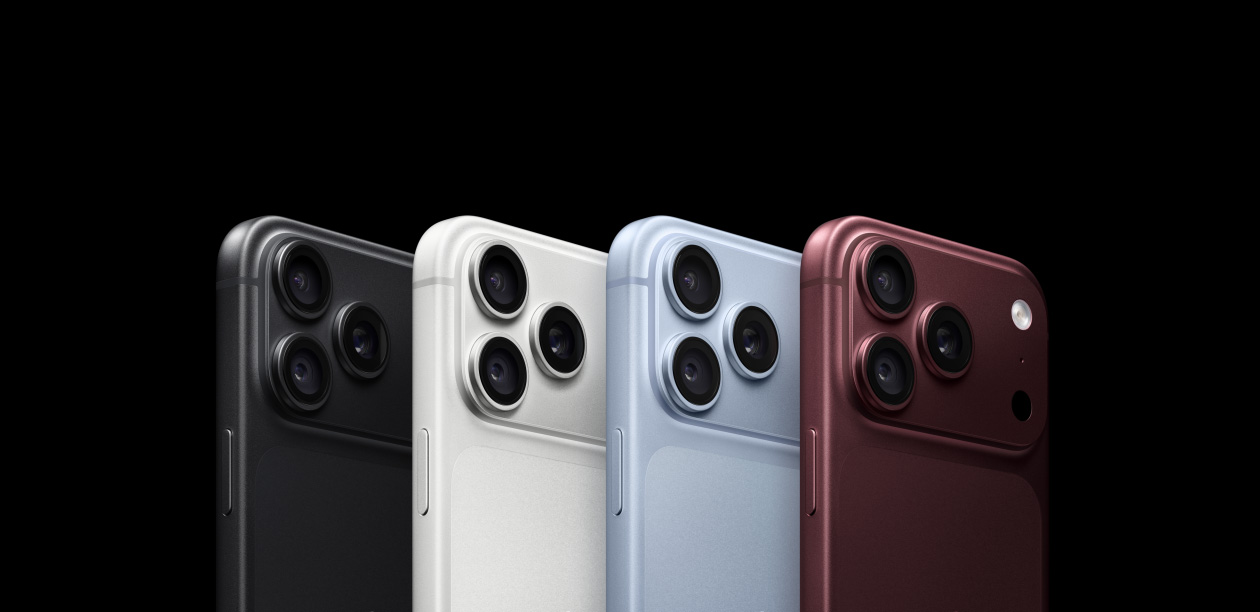
The camera specs still lag behind the Pro series.
Limited by the internal space of the foldable phone, the iPhone Duo’s camera setup does not reach the level of the iPhone 18 Pro. The new phone lacks a telephoto lens and variable aperture design, and its optical zoom capability is only 2x. By comparison, the iPhone 18 Pro offers up to 8x optical zoom, giving it a clear advantage in telephoto shooting, concerts, travel, and wildlife photography scenarios.
Although the Duo still delivers excellent overall image quality, and using its outer screen with the main camera for selfies is a major highlight, if your goal is Apple’s most complete mobile photography experience right now, the 18 Pro remains the top choice.
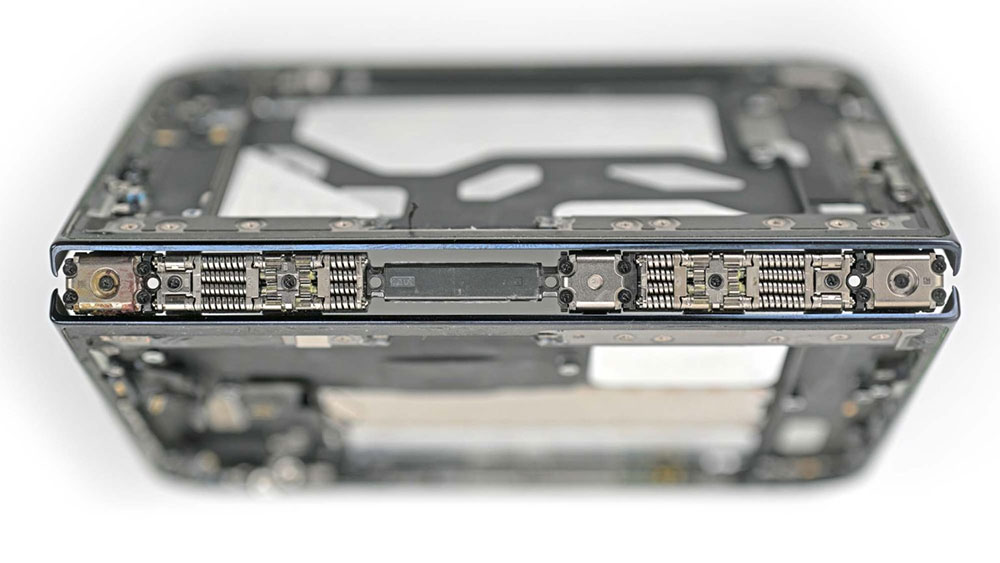
First-generation foldable technology remains unproven.
Apple has succeeded in creating a hinge with an excellent feel and excellent inner-screen display performance, but as a first-generation product, its durability is still inevitably questioned. Some durability tests show that the iPhone Duo is less tolerant of dust and external impacts than competitor models that have been developed on the market for years. In addition, cases of screen cracks have also been reported on the market, sparking outside discussion about long-term reliability.
There is also room for growth on the software side. From multitasking interface layout to consistency in operation gestures, many details still await improvement in future updates. For conservative consumers, waiting for the second or third generation product may be a more prudent choice.
The high price has become the biggest barrier.
The biggest challenge for the iPhone Duo may not be technology, but price: the new model starts at NT$74,900, while the iPhone 18 Pro starts at NT$44,900, a huge price gap between the two. That budget is even enough to buy an OLED iPad mini as well, with money left over.
More importantly, the 18 Pro still maintains flagship-level performance in battery life, camera system, microphone performance, and overall maturity. For most consumers, rather than spending nearly NT$75,000 to try out a first-generation foldable phone, it is better to choose the more fully featured iPhone 18 Pro and put the remaining budget toward a tablet, headphones, or other devices.
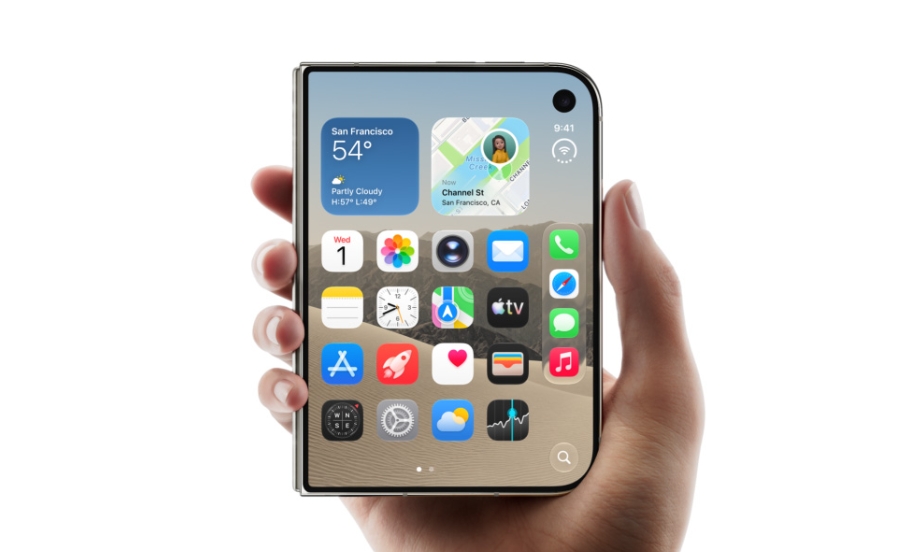
Conclusion: Duo represents the future, while the 18 Pro is better suited for now.
It is undeniable that the iPhone Duo is one of Apple’s most talked-about products in recent years. It gives the outside world a glimpse of Apple’s vision for the future form of phones, and for the first time gives foldable devices real potential to enter the mainstream market, but at this stage it is more like a product showcasing the direction of the future. By contrast, the iPhone 18 Pro is a mature result after years of evolution. It has a complete software ecosystem, a stronger camera system, a more mature biometric experience, and a relatively reasonable price positioning.
If you’re an early adopter who loves new technology, the iPhone Duo is definitely worth trying; but if your goal is to spend the most sensible budget for the most complete and stable flagship phone experience, then at least at this point in time, the iPhone 18 Pro remains the better recommendation.
Source: KOCPC Chinese