


For Nintendo players at large, a change affecting account security and sign-in habits is coming. Nintendo recently officially posted an announcement on its support page, stating that on January 25, 2027, it will officially end support for third-party account linking (Google and Apple accounts) in its Nintendo Switch mobile app.
This change means that, starting January 26, 2027, players will no longer be able to access the Nintendo ecosystem through “one-click Google / Apple sign-in” and will have to fully return to Nintendo-specific account passwords or authentication systems.
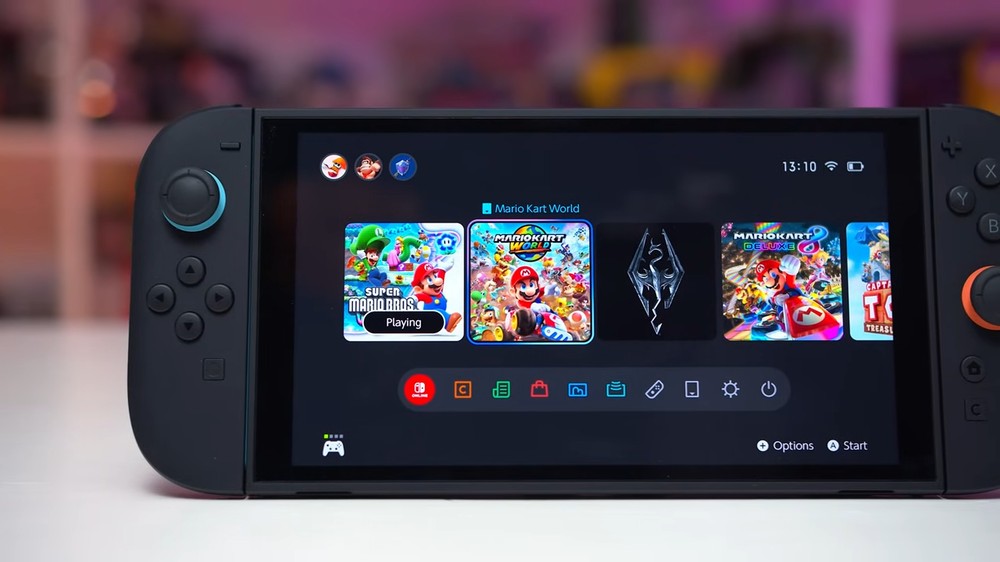
Nintendo Switch will soon discontinue Google and Apple account sign-in, shifting to its own passwords and passkeys.
According to the official announcement.Starting January 26, 2027, the Nintendo Account system will enforce the following hard restrictions:
- Third-party quick sign-in disabled: You can no longer use a Google or Apple account to verify and sign in to an existing Nintendo Account.
- Third-party quick sign-up disabled: New users can no longer create a brand-new Nintendo Account directly with one click using a Google or Apple account.
- Discontinued My Nintendo Mission Rewards: The former community mission of linking a Google account to a Nintendo account to earn My Nintendo Platinum Points has now ended, effective immediately.
To avoid login interruptions for users during the service transition period, Nintendo officially strongly recommends that players visit the Nintendo Switch App settings page or the official account webpage as soon as possible to create a dedicated Nintendo login password and key. If players fail to complete the transition before the deadline and are unable to access their accounts, they must regain access through the “Forgot Password” process on the official account page.
Although Nintendo did not explain the motivation behind the abrupt policy shift in detail in its statement, the cybersecurity community and tech media generally believe it is a preventive defense against next-generation AI credential-stuffing and credential-transfer risks. With the explosion of generative AI and automated scripting technologies, the threat of hackers using bots to carry out high-speed credential stuffing has grown substantially. Relying on third-party ecosystem login mechanisms means Nintendo must entrust the perimeter of account security to other tech giants; once a vulnerability appears in the third-party authentication link, malicious scripts can quickly intrude and penetrate Nintendo’s systems.
By taking control of authentication back in-house, Nintendo can not only deploy strict two-step verification (2FA) and risk management mechanisms more precisely, but also build a more robust “Zero Trust” security defense for its next-generation console ecosystem.

Whether you’re a heavy user of the Nintendo Switch app or a casual player who only buys digital games on the console, this change is closely tied to your digital assets.
- Confirm sign-in method: Immediately check whether the current Nintendo Account is linked only to Google or Apple sign-in.
- Set up a native password: Log in to the official Nintendo Account website and add a standalone password and two-factor authentication to your account.
- Complete backup verification: ensure the email address linked to the account can receive verification emails properly, ensuring the transfer process is foolproof.
In an era where digital hacking tactics are constantly evolving, even though it means giving up the convenience of one-click login, taking proactive control of your account security is absolutely the best choice for protecting the game assets in your pocket.
Source: KOCPC Chinese