


When buying a new phone, choosing storage capacity is often one of the most agonizing decisions. Pick too little, and you’ll be kicking yourself when you get storage warnings down the road; pick too much and exceed your actual needs, and you’re simply doing your wallet a disservice. After all, in an era when specs are largely on par, aside from color, storage is almost the only spec you need to choose. This raises a core question: how much storage does a smartphone really need? Is maxing out at 2TB really a wise decision?
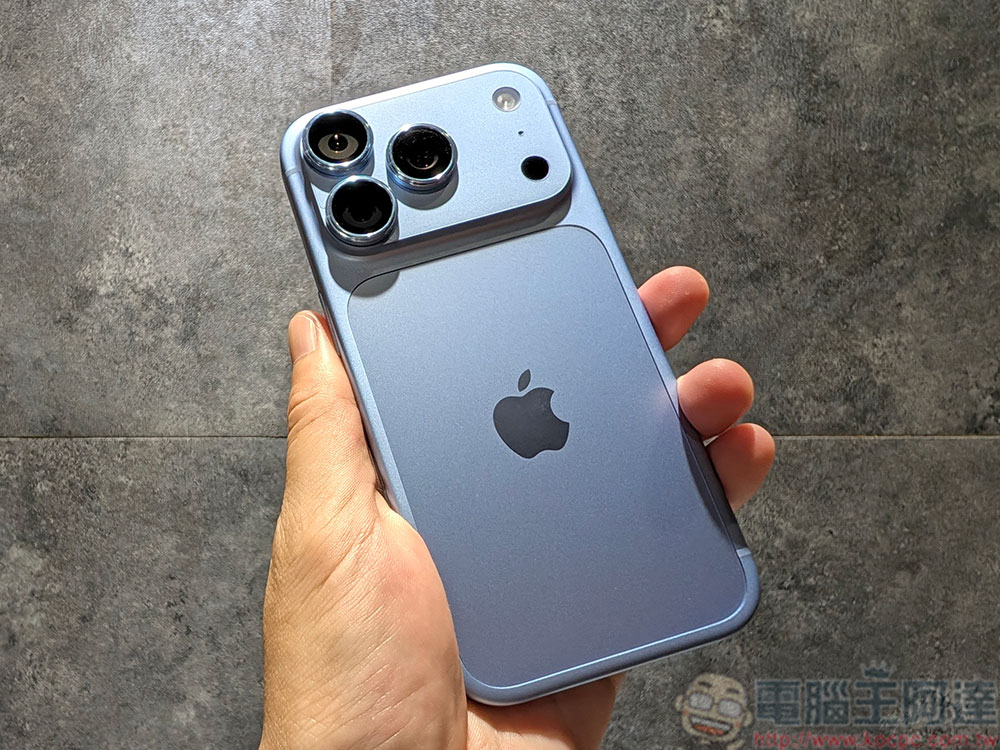
Do you really need 2TB of smartphone storage?
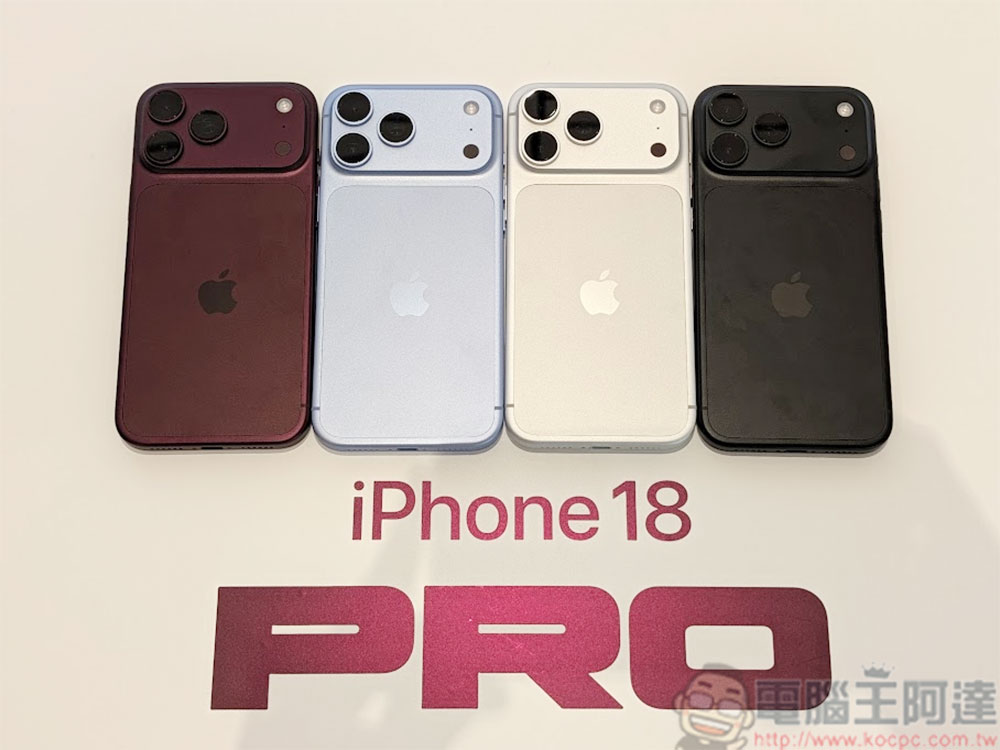
In short, for the vast majority of ordinary users, a 2TB phone is simply overkill, especially since there are many more high-value alternatives on the market. Unless you truly have a hard requirement for massive built-in local storage, spending that kind of money makes little sense in practical or financial terms. Take the all-new iPhone 18 Pro: the price gap between the 2TB and 256GB models is as much as US$1,200 (about NT$38,000). Even with SSD and memory prices soaring in recent years, you can still buy a very high-spec, high-speed 2TB external SSD for a fraction of that price difference. Incidentally, it is precisely because of this wave of component price increases that overall prices—from phones and laptops to SD cards and USB flash drives—have risen along with them.
In fact, as long as you develop good storage management habits—regularly clearing out rarely used apps, freeing up cache, moving large files to other devices, and making good use of online streaming instead of downloading and storing—even after using it for several years, you’re almost unlikely to run out of storage. Ultimately, choosing among 256GB, 512GB, and 2TB still depends on personal needs, usage habits, and budget. 2TB is by no means a must-have specification for everyone. For typical users, 256GB to 512GB is already quite ample—enough to store tens of thousands of photos and videos, download music playlists, install a large number of games, and still easily leave room for system data and future iOS / Android upgrades.
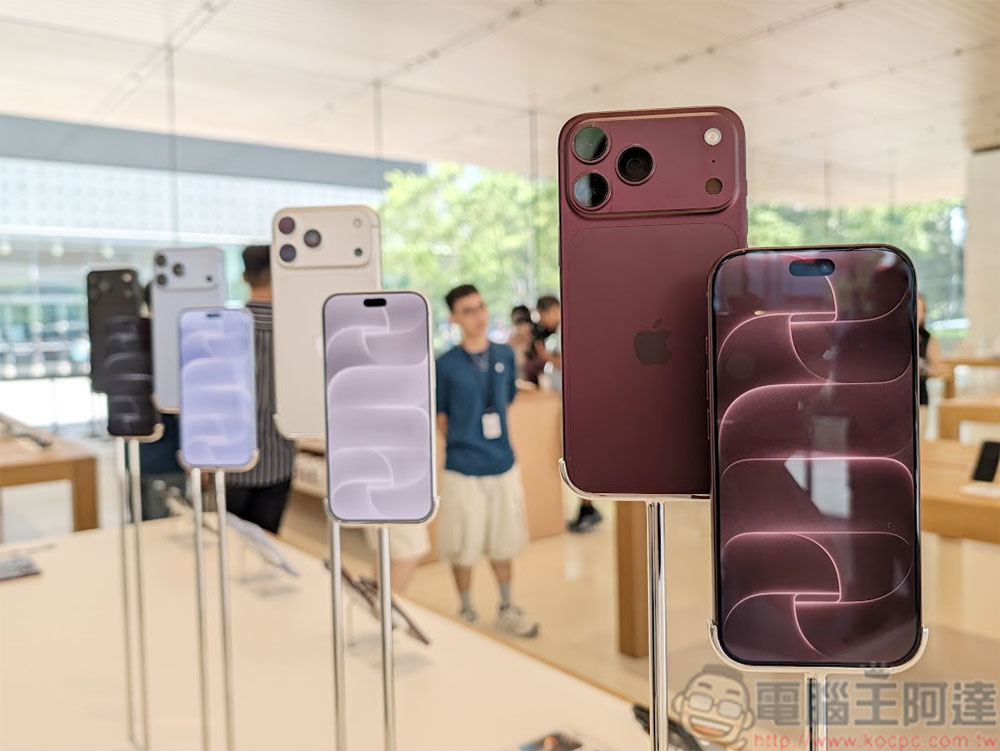
However, there is indeed a small, specific group of people who can benefit from the extreme capacity of 2TB. Because this type of audience makes up a very low proportion of the phone market, there are currently only a handful of phones offering 2TB specs, and unexpectedly, the vast majority are concentrated in the iPhone camp. If you are a video and audio creator, professional photographer, or vlogger who needs to handle massive amounts of high-definition footage every day, then a 2TB phone may be a reasonable investment. Processing high-bitrate video directly in the phone’s built-in storage is far superior to relying on the cloud or external drives, whether in terms of transfer speed or convenience. Similarly, if you treat your phone as your main gaming console and are used to installing several AAA mobile games that are often dozens of GB each at the same time, 2TB will also be the solution that saves you from frequently deleting games.
If you want large capacity without paying the manufacturer’s expensive “capacity premium,” the following high-value expansion options are worth considering:
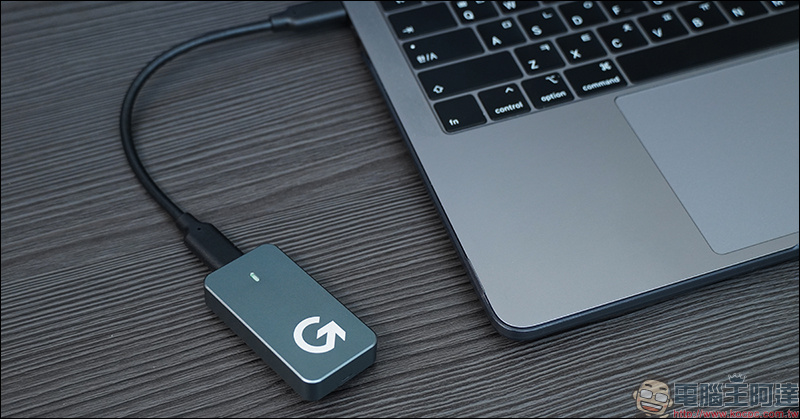
- External SSD (preferred option)
It’s a one-time investment, offering extremely high read/write speeds, durability, and a slim, lightweight design. There are even phone-specific SSDs on the market that support MagSafe attachment, allowing them to be attached directly to the back of an iPhone (though they still need to be connected via a cable). - USB-C High-Speed Flash Drive (Budget Option):
An excellent choice when your budget is limited. There are now plenty of USB-C flash drives on the market that can plug directly into a phone; even if you only have a traditional USB-A flash drive, an adapter makes it easy. The biggest advantage is high cross-device compatibility—the expanded storage isn’t limited to phones. - Cloud storage service (long-term cost-saving plan)
Take the iPhone as an example: the 2TB iCloud+ plan costs only $9.99 per month (about $120 per year). Based on an average iPhone lifespan of 5 years, the total subscription cost over 5 years is about $600 (assuming prices stay unchanged). Compared with the $1,200 price difference needed to go straight to the top-end 2TB iPhone 18 Pro, that saves half the cost outright.
 It is recommended to treat the phone’s built-in storage as an “Active Storage” high-speed cache area, keeping only the most important or frequently accessed files and apps; historical photos, backup data, and large files can be left to an external hard drive or cloud storage for archiving. As long as you make good use of this tiered storage logic, you don’t need to spend an extra ten thousand-plus to buy a 2TB phone.
Source: KOCPC Chinese