


After rumors circulated for almost a year, the iPad mini finally received its official generational replacement today (October 26) with the iPad mini 8. Apple’s press release headline did not hold back: “Apple gives iPad mini its biggest update ever.” The official promotional video was released at the same time, with the tagline “More than a little awesome.” This is the first time the iPad mini series has used OLED and the first time it has water and dust resistance, and the spec leap is bigger than in any of the past few generations. The previous generation, the 2024 model, was equipped with the A17 Pro, and it took two years for a replacement to arrive, so Apple fans’ patience has finally paid off this time.
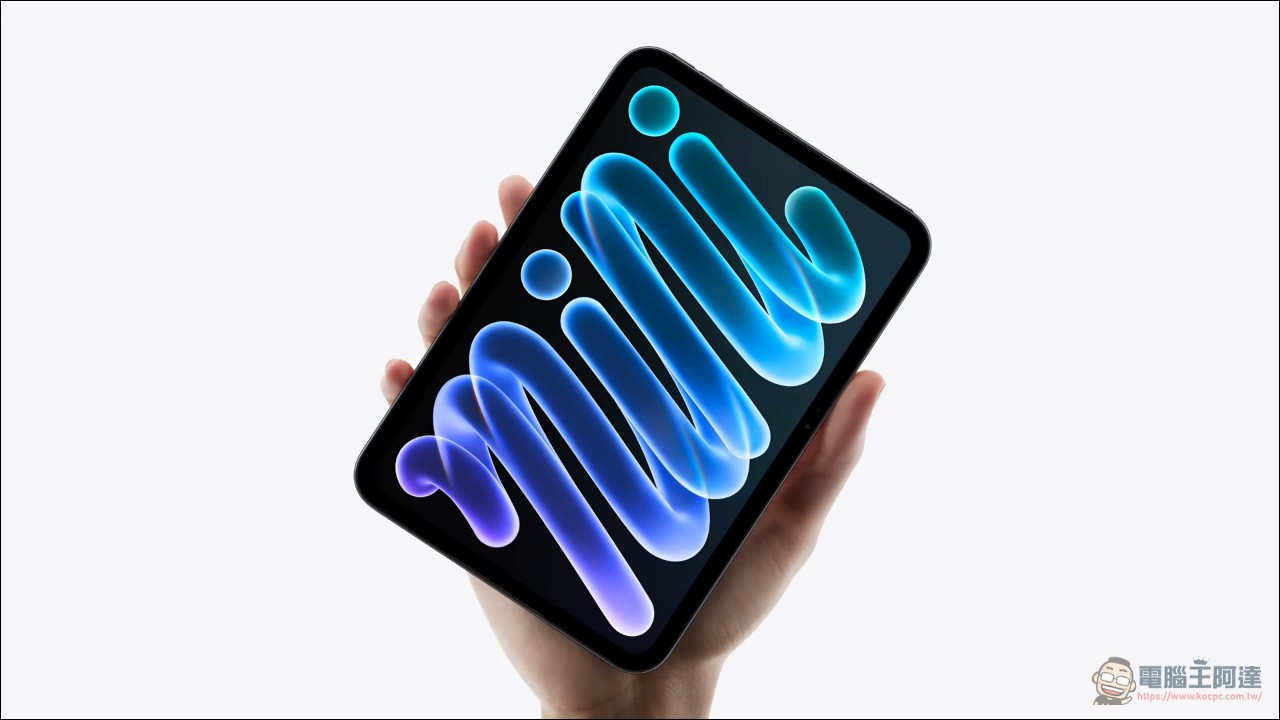
An 8.5-inch OLED has appeared, but the refresh rate remains 60Hz.
The new iPad mini features an 8.5-inch Ultra Retina XDR OLED display (up from 8.3 inches on the previous generation), with bezels 24% narrower to fit a larger panel. Resolution is 2316 x 1512 at 326 ppi, contrast ratio is 2,000,000:1, HDR peak brightness is 1200 nits—more than twice the previous generation—and minimum brightness can go down to 1 nit; the 256GB and 512GB models can be configured with nano-texture glass.
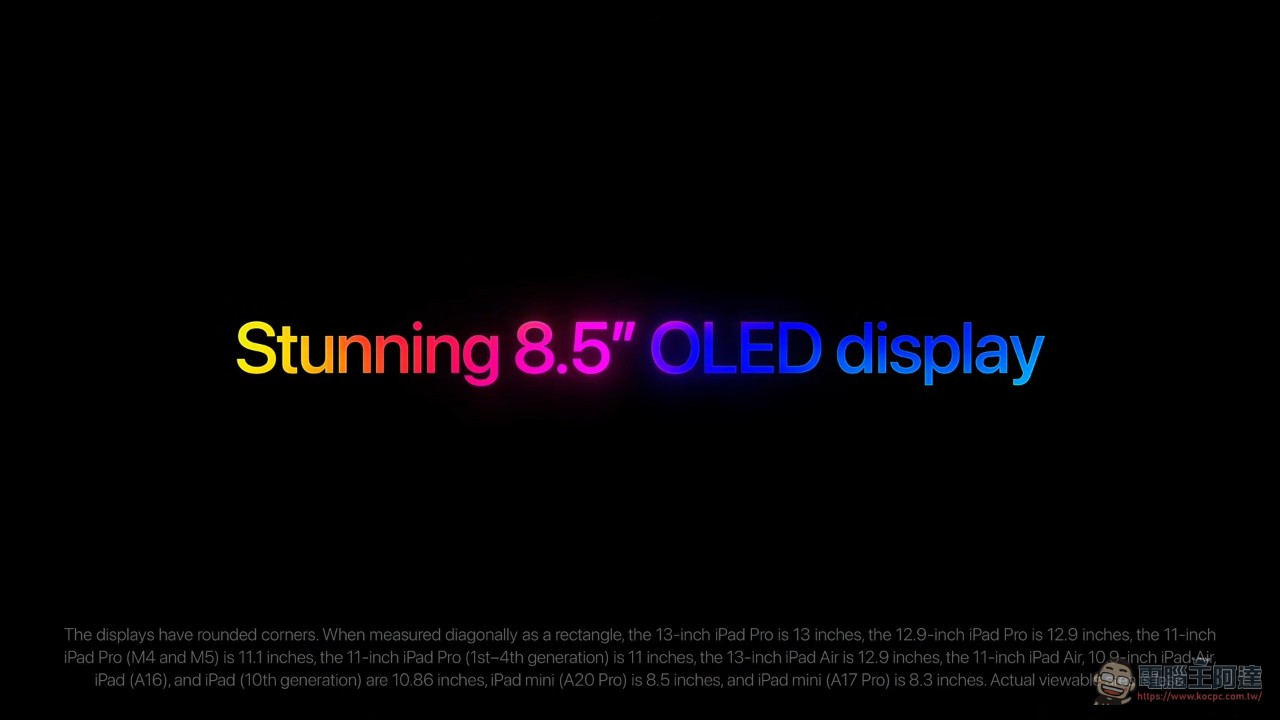
However, the much-rumored 120Hz ProMotion did not appear. Apple’s press release and tech specs page make no mention of refresh rate at all, so it is suspected to be a 60Hz panel, and the rumored “small high-refresh tablet” is confirmed not to be happening. Anyone hoping to use it as a small high-refresh gaming device will have to hold onto their wallet for this generation. Apple also preemptively debunked the IP68 rumor: the specs page says IP67 (water depth of 1 meter, up to 30 minutes), so at least it does have water resistance.
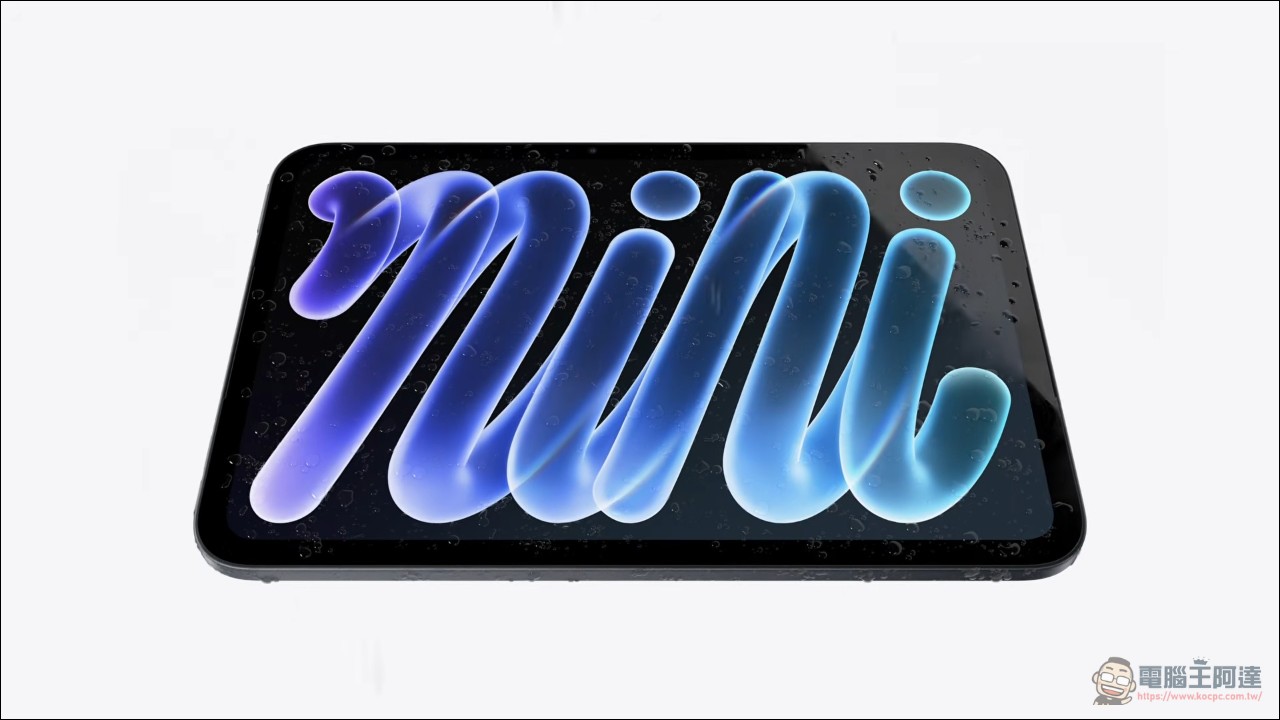
As thin as 5.4mm, as light as 255 grams
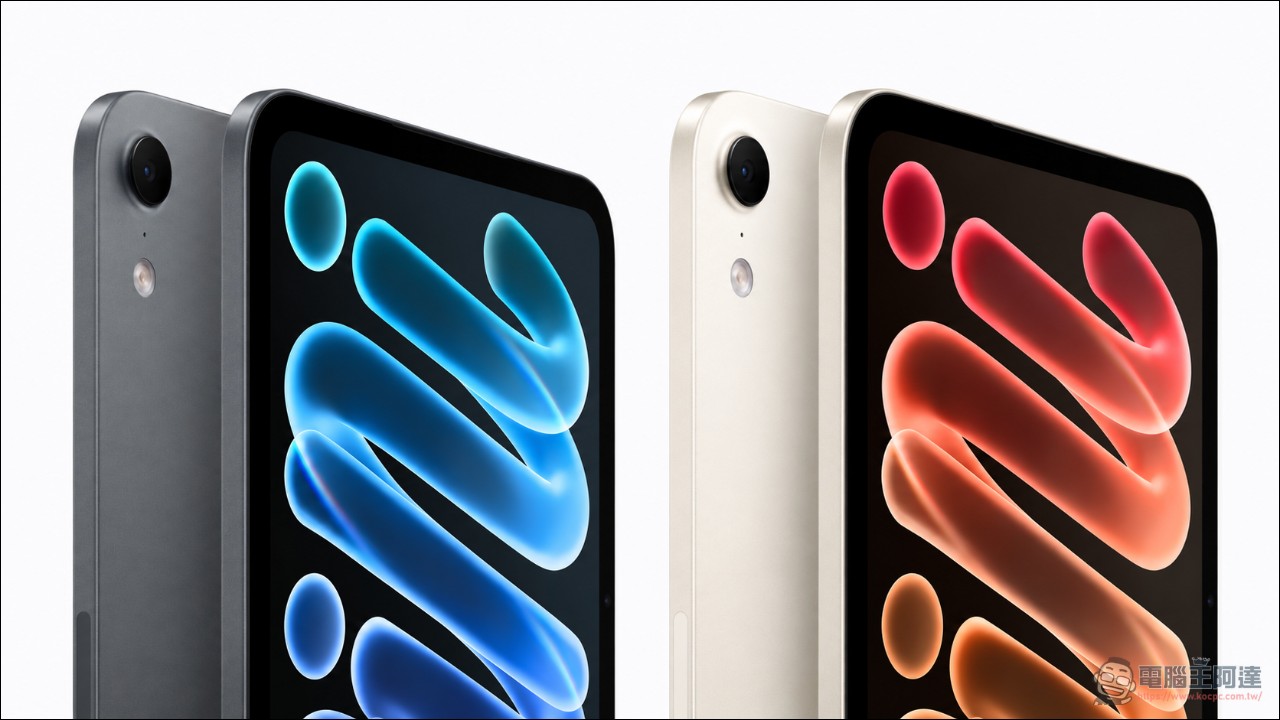
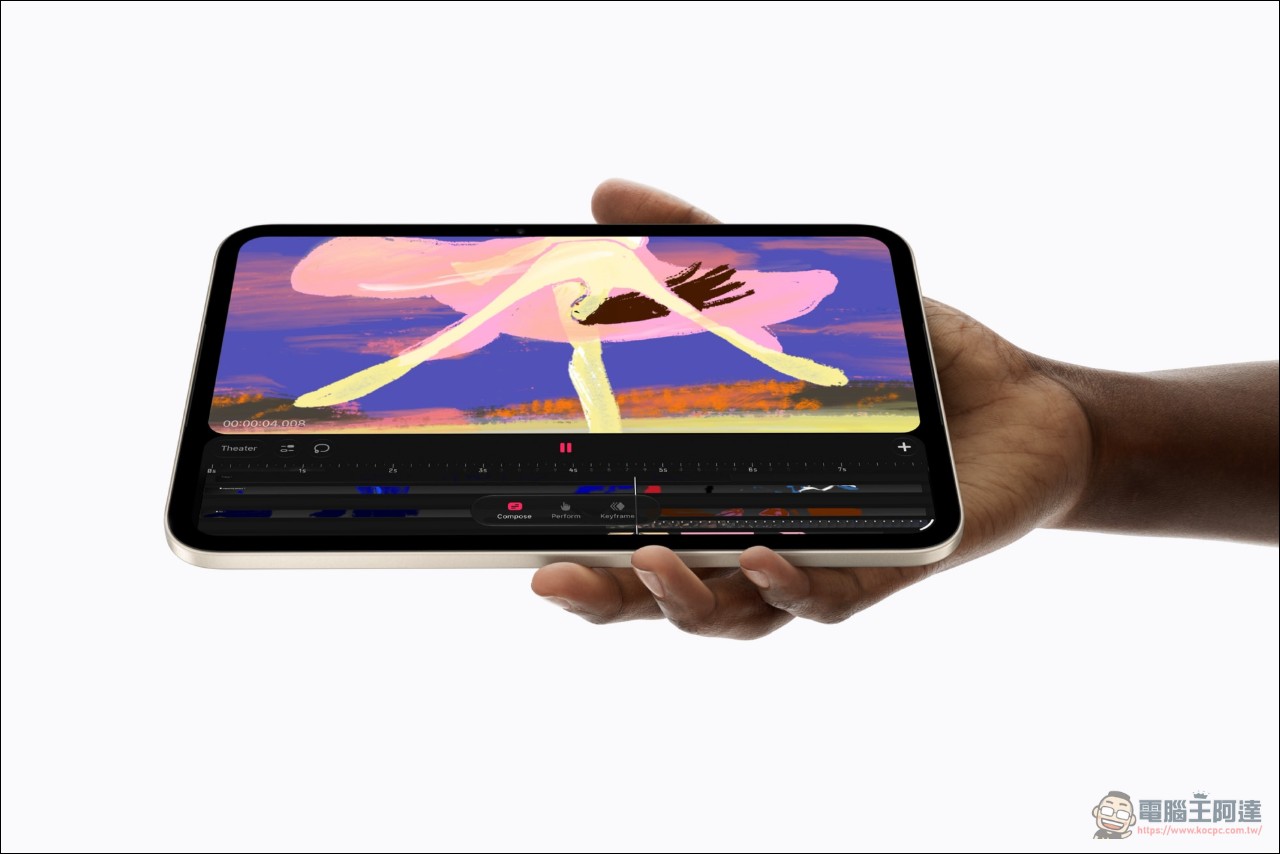
The chassis is another selling point of this generation: 5.4mm thick (6.3mm on the previous generation), the Wi-Fi model weighs 255 grams (297 grams previously), the cellular model weighs 263 grams, and it comes in Midnight and Starlight finishes. The official video opens with a series of close-ups of the ultra-thin bezel, with the USB-C port and buttons standing out especially clearly on the 5.4mm edge.
Another new trick hidden in the spec sheet: the “Acoustic Display.” The woofer fires directly through the panel for more powerful bass and volume, while the tweeter is tucked between the glass and aluminum chassis—the sealed enclosure also helps it achieve IP67.
The A20 Pro comes in two spec variants—only the 512GB version is the full-power model.
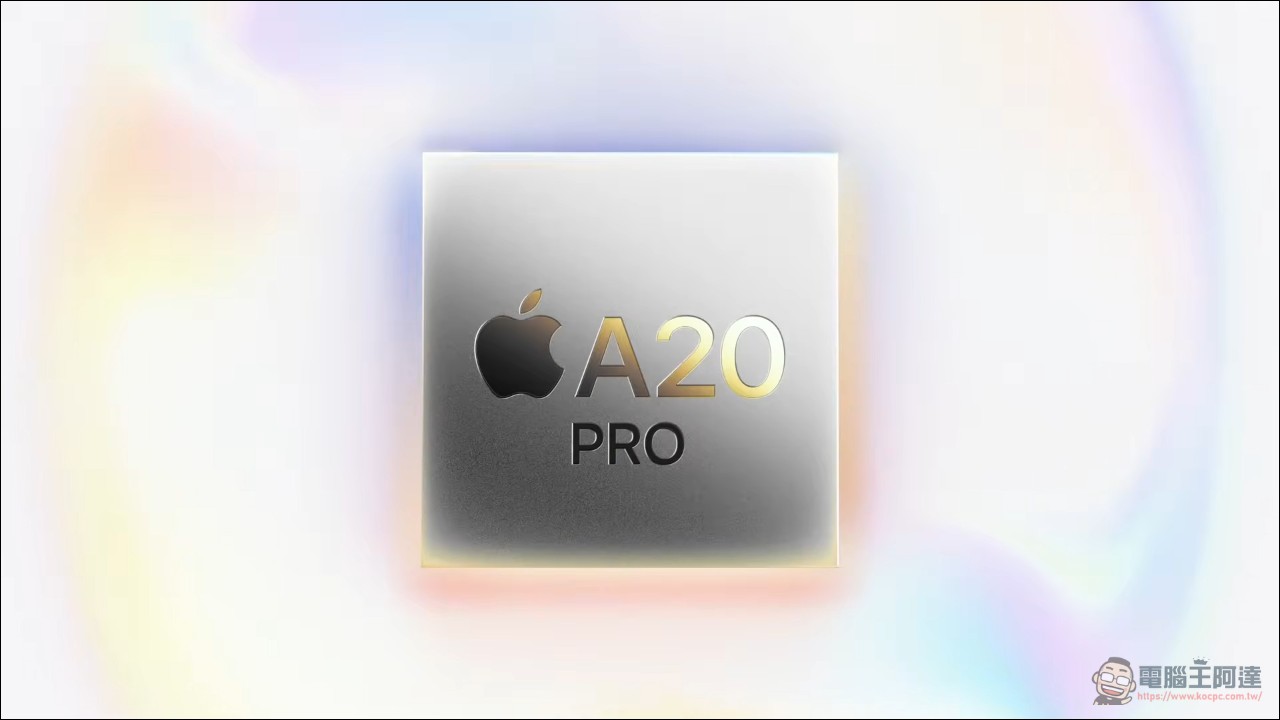
The processor is called the A20 Pro in all models, but the specs page explicitly lists two versions. The 128GB and 256GB models have a 5-core CPU (2 performance cores + 3 efficiency cores), a 7-core GPU, and a single 16-core Neural Engine; the 512GB model has a 6-core CPU (2 performance cores + 4 efficiency cores) and dual 16-core Neural Engines. The GPU is 7-core in both, and both have hardware-accelerated ray tracing and neural accelerators. Splitting a same-generation chip into two core configurations based on storage capacity has precedent on the iPhone, but this is a first for the iPad mini.
The battery specs are also refreshingly straightforward: a built-in 18.9 watt-hour lithium-polymer battery, up to 10 hours of web browsing over Wi-Fi or video playback, and up to 9 hours of web browsing over cellular data; it supports fast charging, reaching about 50% in around 30 minutes with a 35W or higher USB-C power adapter, though that adapter is sold separately—the one included in the box is 20W. Fast charging makes its first appearance on iPad mini, so the small body finally doesn’t have to charge slowly.
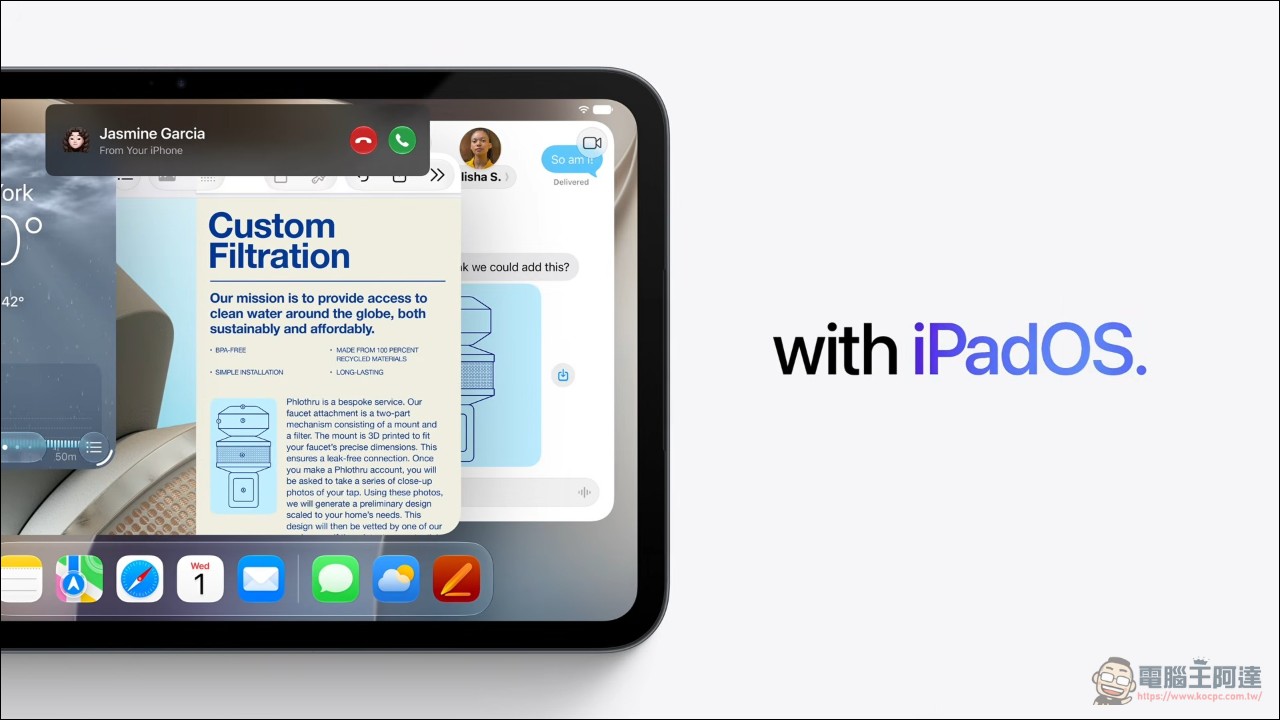
One detail is unusual: from start to finish, the official press release only says “a massive leap in performance,” without giving any percentage or comparison scores, and it does not include a single performance chart. This is not quite in line with Apple’s usual practice when announcing its self-designed chips; the actual benchmark scores will only be revealed by hands-on testing after launch. On the software side, the new devices ship with iPadOS 27 out of the box, featuring the next generation of Apple Intelligence and Siri AI. Apple’s official description is that they can help find information, answer questions, and understand content on the screen based on the user’s personal context.
The wireless section gets a complete overhaul all at once: all models have a built-in Apple N1 chip (Wi-Fi 7, Bluetooth 6, Thread), while cellular models use the Apple C2 modem (5G sub-6, Gigabit LTE) and have fully switched to eSIM, with no compatibility with physical SIM cards. USB-C supports USB 3 (10Gb/s) and DisplayPort output, allowing connection to one external 4K 60Hz display.
Preorders open in Taiwan early on October 29.
The official Taiwan launch information page is already up: pre-orders start at 1:10 a.m. on October 29, with sales beginning on November 6. Each customer is limited to 6 Wi-Fi models and 6 cellular models. The 1:10 a.m. opening time also matches the rush-buy timing of Apple’s new product launches in past years. Pricing comes in three tiers: 128GB NT$22,900, 256GB NT$29,900, and 512GB NT$36,900 (Wi-Fi version). US pricing starts at US$699, a big increase from US$499 for the previous generation, reflecting the cost of this generation’s OLED and new chassis both domestically and internationally. The box contents remain simple: iPad mini, 1-meter USB-C charging cable, and 20W USB-C power adapter; buyers of the nano-texture glass model get an extra polishing cloth.
iPad mini official website
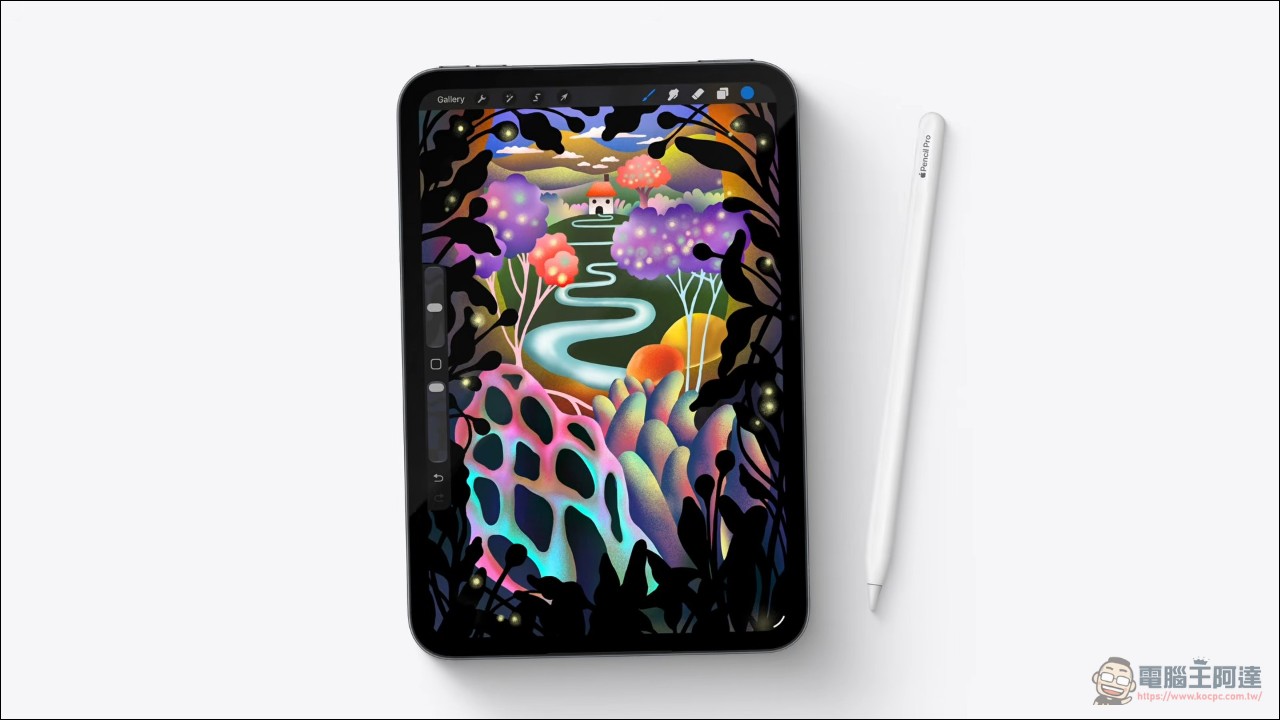
The camera specs haven’t changed much. Main camera: 12MP ƒ/1.8, up to 5x digital zoom, panorama mode can capture up to 63MP, slow motion up to 1080p 240fps, and 4K60 video recording. The front camera has moved but keeps the same megapixel count: the 12MP Center Stage camera has moved from the top edge in portrait orientation to the horizontal bezel, so the viewing angle for video calls is finally properly oriented. Accessories still support Apple Pencil Pro (including hover) and Apple Pencil (USB-C), so artists can transition seamlessly.
Source: KOCPC Chinese