


If you usually use the Google Chrome browser and have enabled “Enhanced Protection,” the new security features launched recently are worth special attention. Google continues to strengthen Chrome’s Safe Browsing mechanisms and uses AI technology to improve real-time protection against online scams and malicious websites, giving users more comprehensive security protection while browsing the web.

Google can now monitor the clipboard in the Chrome browser to detect whether unsafe content has been copied.
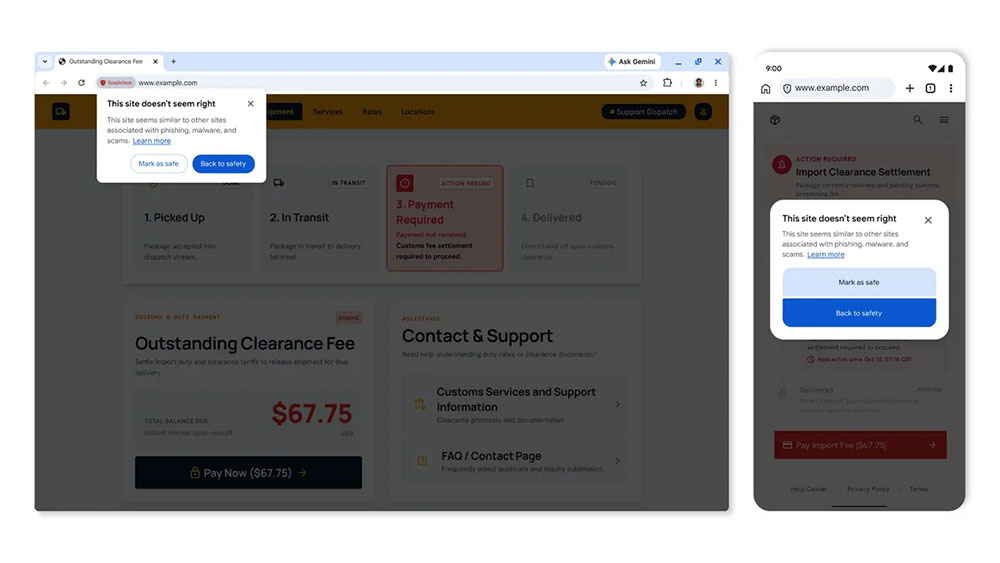
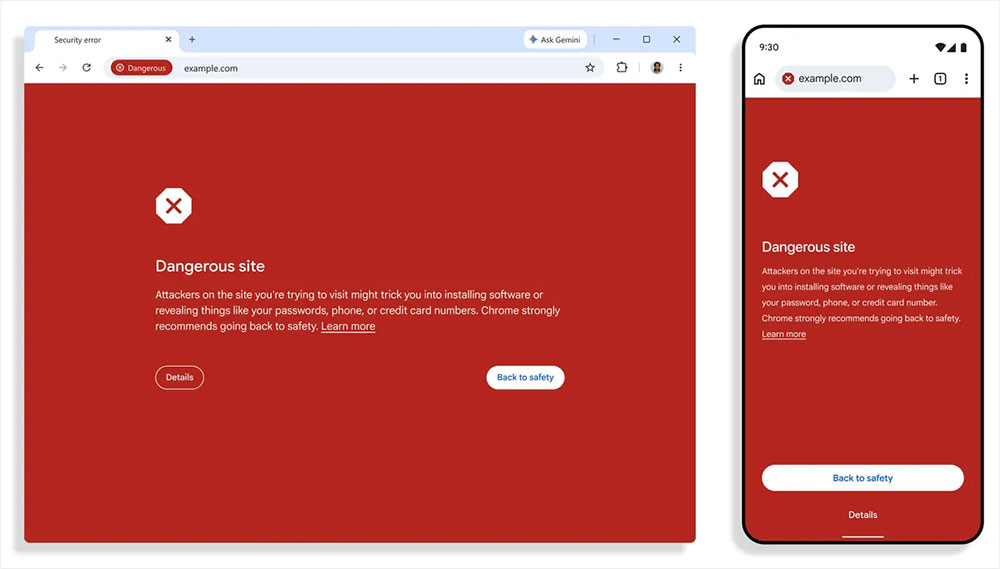
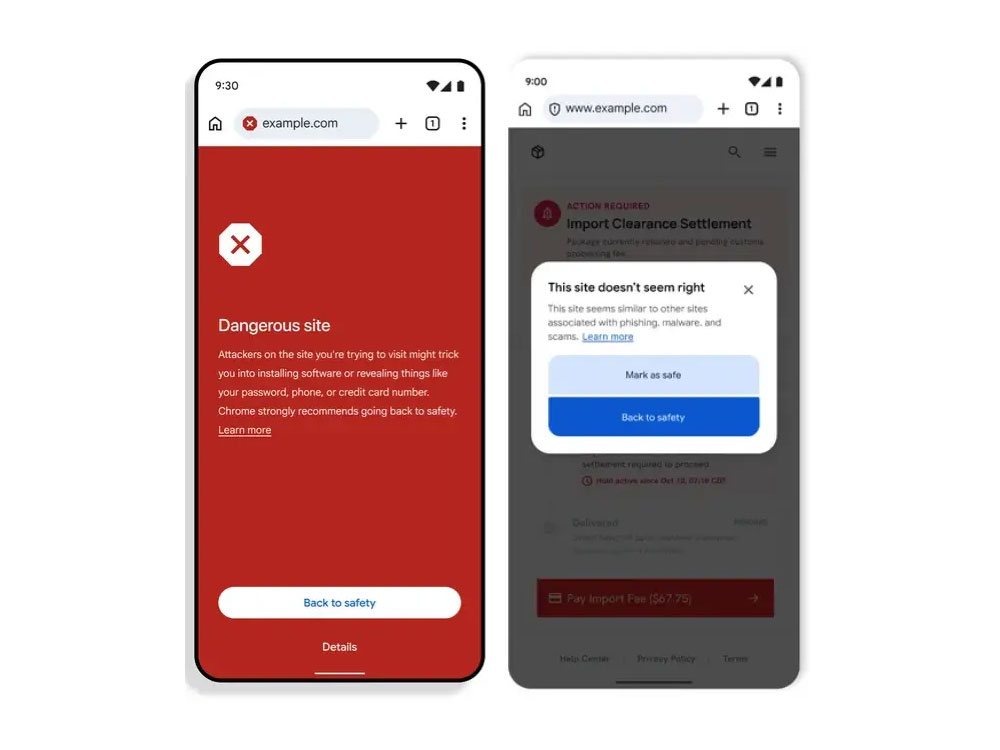
In the latest version of Chrome, when users visit a website that may pose a security risk, the browser displays a shield warning icon in the address bar. After clicking the icon, a prompt window pops up clearly informing them that the site may be unsafe and offering options such as “Mark as safe” or “Return to a safe page” for users to decide what to do next. If Google has confirmed that a site is high-risk, for example by distributing malware or engaging in phishing, Chrome activates stricter protections and covers the site content with its classic red full-screen warning page, preventing users from continuing to interact with known malicious websites and further reducing the risk of harm.
In addition, Enhanced Protection mode now also adds defenses against “ClickFix”-style scams. This emerging social engineering attack technique typically uses fake error messages or technical support pages to trick victims into copying specific commands and pasting them into an operating system terminal or command-line tool for execution. Once users follow the instructions, malicious code may execute on the device, causing data leakage or system compromise.
For this type of threat, after Enhanced Protection mode is enabled in Chrome, when the system detects that a user has copied a suspicious script or command, it first analyzes the content. Google says that before the relevant text is sent to a cloud server for a quick risk assessment, information that may involve personally identifiable information is removed first, balancing security and privacy protection. If the server determines that the command is potentially harmful, Chrome will immediately warn the user, reminding them to avoid actions that could compromise device security.
In fact, in recent years Google has begun applying generative AI technology to cybersecurity. Previously, on some supported devices, Chrome has been able to use the locally running Gemini Nano model to analyze website content and help identify tech support scams. These scams often use pop-up windows to falsely claim that a computer is infected with a virus, then induce users to download so-called repair tools or call fake customer service numbers, thereby defrauding them of money or stealing personal information.
Now Google has further upgraded these protections with the more powerful cloud-based Gemini model. Google says the new system can not only detect traditional tech support scams, but also more effectively identify fake antivirus software, disguised browser update notifications, and other online scams that use intimidation or misleading tactics. With stronger AI analysis capabilities, Chrome can detect new types of threats faster and alert users in real time.
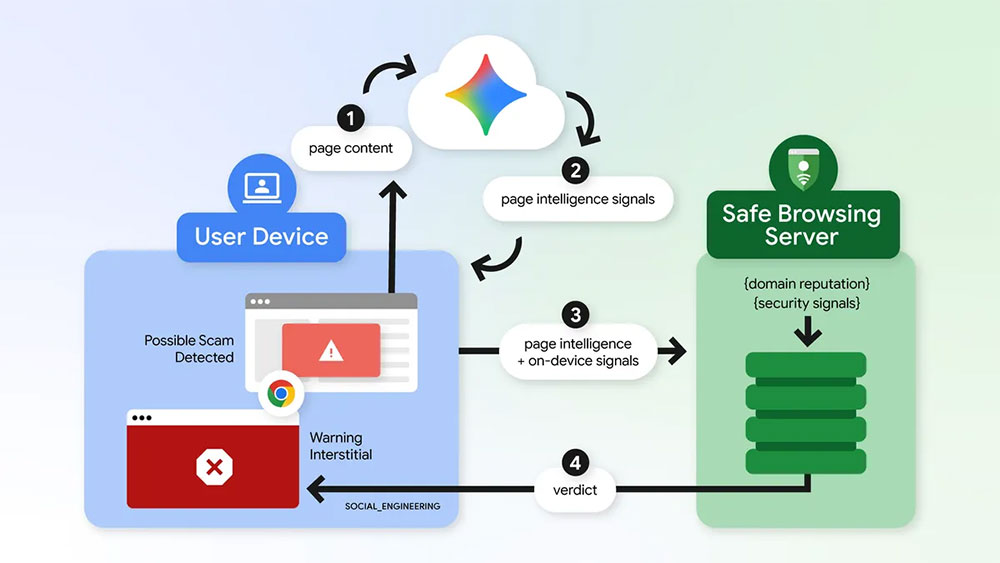
Regarding privacy issues of public concern, Google also emphasizes that when using AI for risk detection, data collection will remain minimal. The company promises that web content obtained during analysis will not be recorded, retained long-term, or used to train AI models, ensuring that users’ browsing privacy is properly protected. Overall, as online scam tactics continue to evolve, Google is continuously enhancing Chrome’s security protections through AI and cloud analytics. For users who value online security, enabling Enhanced Protection mode not only provides more immediate threat detection but also adds a reliable line of defense against increasingly complex scam attacks.
Source: KOCPC Chinese