


With the rapid development of artificial intelligence (AI) technology, the demand for electricity in data centers has exploded. How to power these “power-eating monsters” without increasing carbon emissions has become a severe challenge that technology giants must face. Google recently announced a landmark agreement with U.S. utility company Xcel Energy to build a new data center in Pine Island, Minnesota, which will be powered by nearly 2GW (millions of kilowatts) of clean energy, including the world’s largest announced iron-air battery energy storage system.
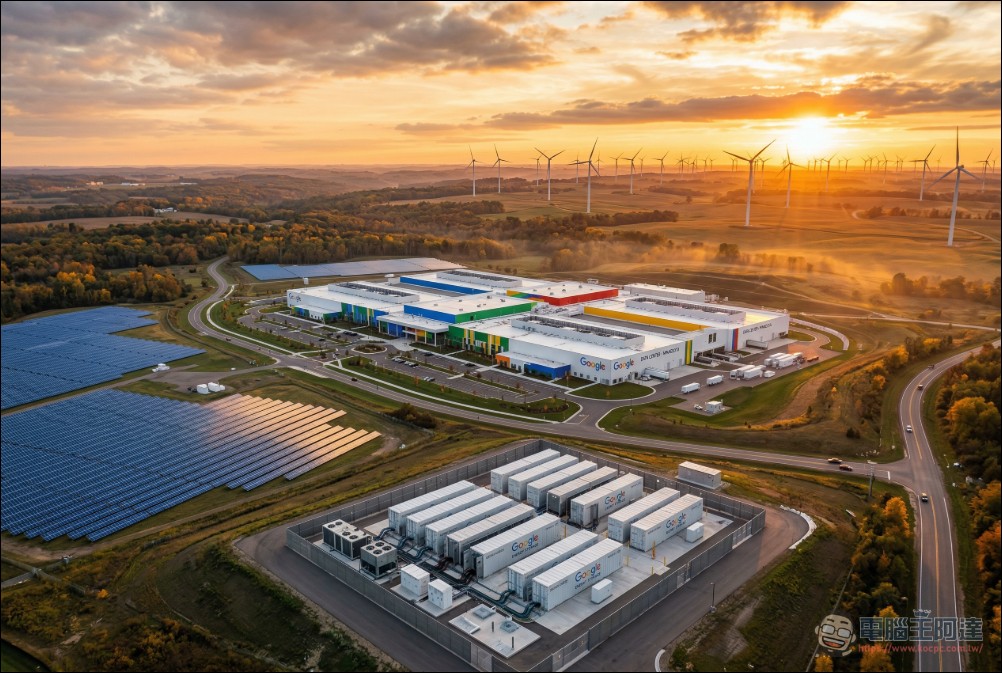
Google uses wind energy, solar energy, and rust batteries to build a 100-hour backup power grid
The core goal of this agreement is to support the operation of core Google services, including products such as Google Search, Google Maps, YouTube and Google Workspace. According to the agreement, the two parties plan to add 1,900MW of clean energy to the grid, which is equivalent to the power generation of a large power plant, including 1,400MW of wind power, 200MW of solar power, and 300MW of long-term energy storage systems.
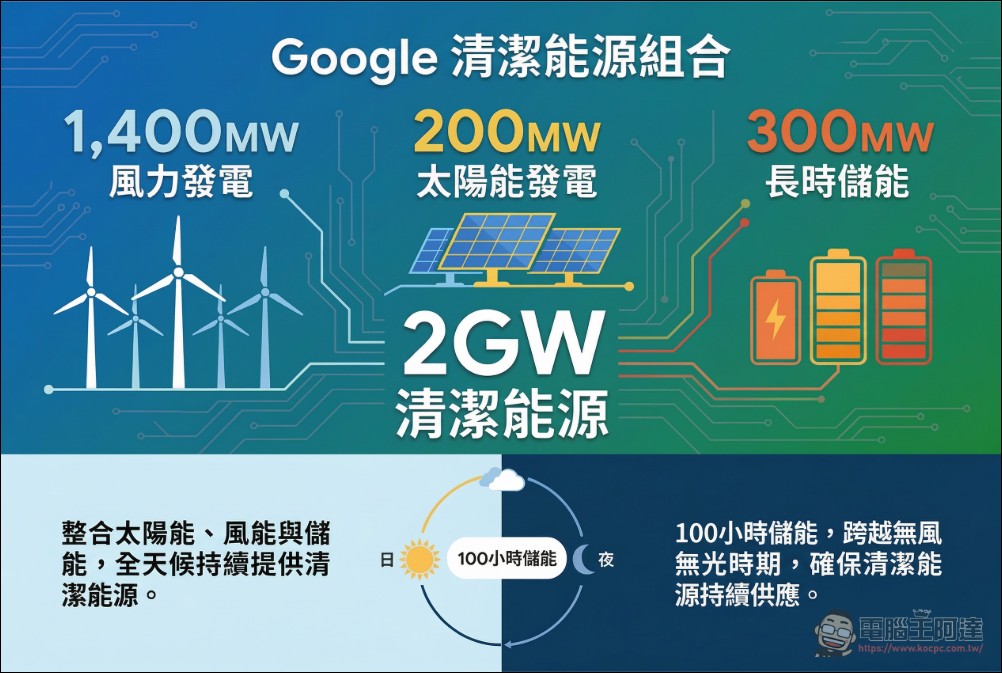
Form Energy iron-air battery technology 100 hours of discharge is not a dream
The most eye-catching highlight of this project is that Google will use an iron-air battery system developed by Form Energy. This 300MW / 30GWh multi-day energy storage system will be the largest battery project in the world’s history in terms of energy capacity.
The working principle of iron-air batteries is quite unique and interesting. According to Form Energy, the battery consists of a cell filled with thousands of iron particles that develop rust when exposed to air. By controlling this chemical reaction process, the battery can be charged and discharged. In other words, this kind of battery essentially uses the reversible chemical reactions of “iron rusting” and “rust reducing to iron” to store and release energy.
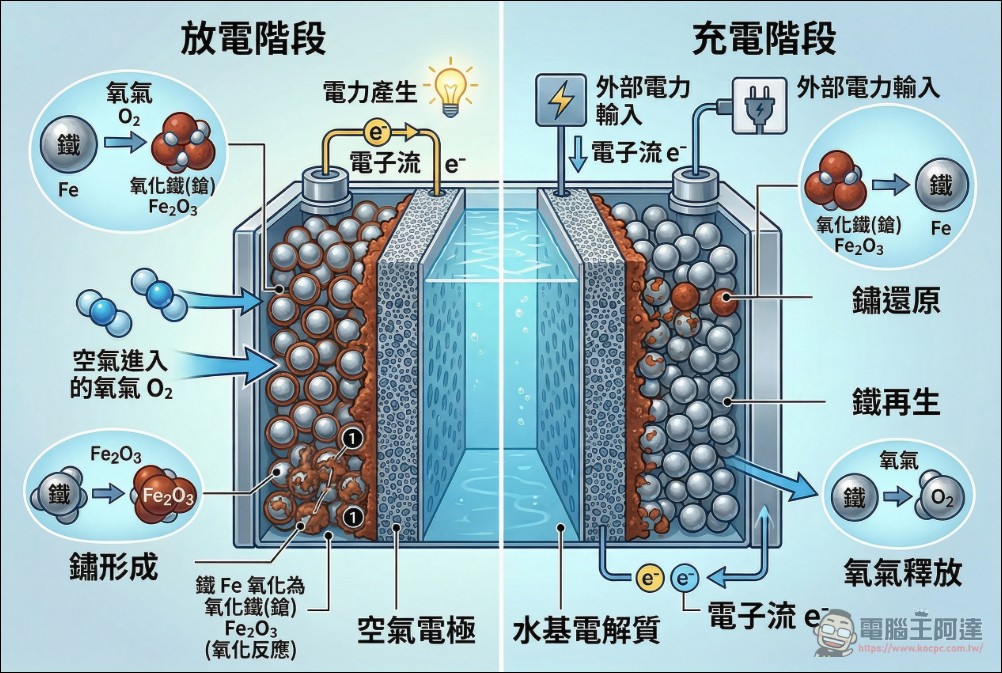
The technology is designed to have a discharge time of around 100 hours, meaning that during periods of low sunlight or reduced wind, this massive battery system can continue to provide power for up to more than four days. In comparison, although the current mainstream lithium-ion batteries can effectively cope with energy storage needs of about 4 hours, they cannot handle energy storage scenarios that last for several days. Form Energy says iron-air batteries have system costs comparable to traditional power plants, making them ideal for grid-scale energy storage applications.
Technical specifications and operating principles
According to information released by Form Energy, each iron-air battery module is about the size of a side-by-side washing machine and dryer and contains about 50 battery cells that are about one meter high. Each battery cell contains iron and air electrodes, key components in the battery’s electrochemical reactions for storage and discharge.
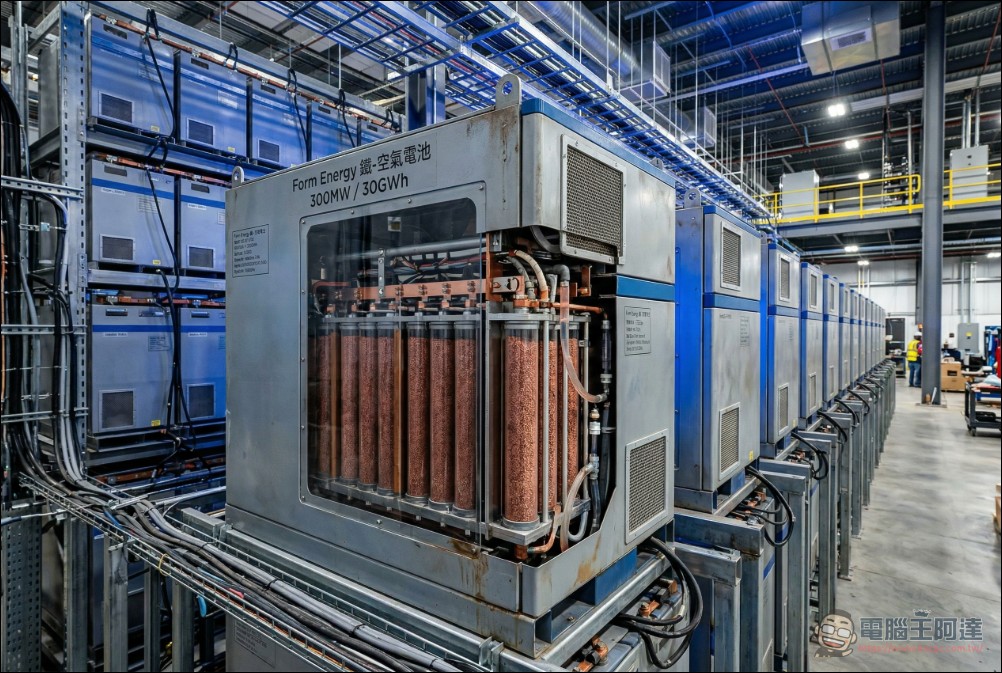
It’s worth noting that these cells are filled with a water-based, non-flammable electrolyte similar to that used in regular AA batteries. This design makes iron-air batteries safer than lithium-ion batteries, with a significantly reduced risk of overheating or burning. Although the energy density of iron-air batteries is not as good as that of lithium-ion batteries, it makes them more suitable for large-scale power grid applications.
Exclusively bear the cost without affecting residents’ electricity bills
Another important feature of this agreement is that existing Xcel Energy customers will not face an increase in their electricity bills as a result of this plan. Under the terms of the agreement, Google will bear the cost of all new infrastructure needed to power the data center, consistent with Minnesota regulations for large electricity users.
Residential electricity bills in Minnesota, which have been about 27% lower than the national average over the past five years, have only increased about 1.55% annually since 2013, well below the rate of inflation, Xcel Energy said. Additionally, Google will invest $50 million in Xcel’s Capacity*Connect initiative, which will be used to strengthen grid reliability.
The program uses an innovative regulatory framework called the Clean Energy Accelerator, a fee mechanism jointly developed by Google and Xcel Energy. According to Xcel Energy, the framework is designed to ensure that a 100-hour long-duration energy storage system paired with 1,400MW of wind and 200MW of solar does not impact residential customers’ electricity rates. This innovative partnership model could become a template for future utility-data center deals, requiring large tech users to fund grid upgrades and generation facilities related to their growth in electricity use.
Renewable energy benchmark for the AI era
The timing of this agreement is crucial. According to recent market data, corporate PPA (power purchase agreement) transaction volumes fell by 10% in 2025 as general corporate buyers pulled back. However, driven by AI, the data center sector is actively filling this gap.
Form Energy’s iron-air modules will be built at Form Factory 1 in Weirton, West Virginia. The facility is currently undergoing expansion with the goal of reaching 500MW of annual capacity and will benefit from domestic content incentives under the Inflation Reduction Act.
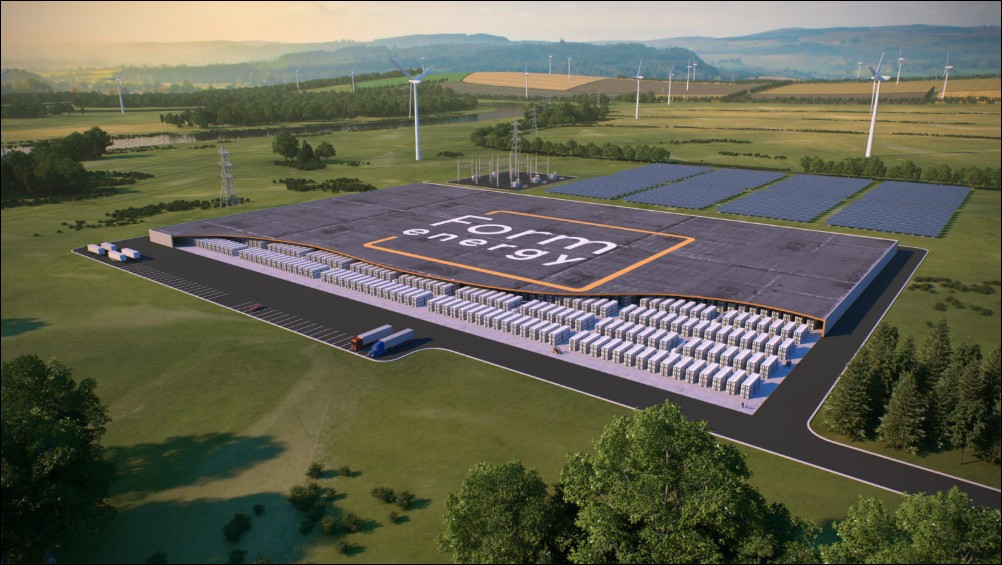
This project demonstrates Google’s “all-round” strategy in decarbonization, combining huge solar capacity with long-term energy storage hardware to ensure continuous power supply at night.
Enlightenment for Taiwan
This project has important reference value for Taiwan, which is facing the power consumption challenge of AI data centers. As more and more AI servers are launched in Taiwan, how to strike a balance between power supply stability and net-zero emission goals has become a topic that the government and the technology industry must face together.
Google’s model proves that through innovative public-private partnership mechanisms, technology companies can take the lead in shouldering the costs of clean energy infrastructure while ensuring that the electricity rights of ordinary consumers are not affected. This concept of “large electricity users footing the bill” may serve as a reference for Taiwan’s future similar plans.
In addition, the maturity of iron-air battery technology also provides a new energy storage solution for regions like Taiwan that rely on renewable energy but face intermittent power supply challenges. Although this technology is still in the early stages of deployment, as costs continue to fall and the technology becomes more mature, we can expect to see more similar applications around the world in the future.
Source:
- [1] A new Google data center triggers 1.9 GW of clean energy
- [2] Google to deploy world’s largest iron-air battery for Minnesota data center
Source: KOCPC Chinese