


As AI companies’ data centers began expanding on a large scale in recent years, memory and other components have once again seen another round of price surges, severely impacting the entire tech and gaming industries and causing prices for major game consoles and PC hardware to keep soaring. However, according to recent remarks that well-known tech giant Micron made to investors, this “memory chaos” is likely to last until 2028, or even longer.
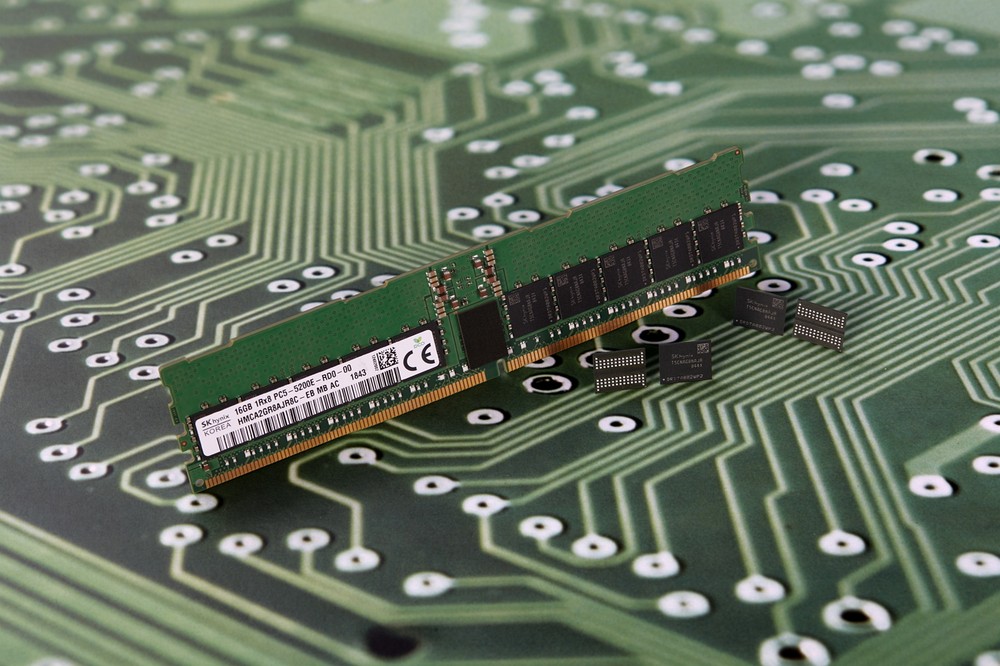
During Micron’s fiscal 2026 earnings call, CEO and Chairman Sanjay Mehrotra said they have already sold the vast majority of the memory inventory expected to be produced in 2027, and consumers who want to obtain these products may have to pay more than 2026 market prices.
In calendar years 2027 and 2028, we will continue to see supply fall short of demand. In fact, over the next two years, we will see industry tightening far more severe than in 2026. Overall, the supply-demand environment will only become increasingly tight. We are still completely unable to estimate when these supply-demand issues will return to balance, Sanjay Mehrotra said.
However, Micron also confirmed that it expects to add more new fabs in 2028 and plans to invest $25 billion in capital expenditures in the first half of the next fiscal year to do so. Even so, the executive also emphasized that increasing production capacity is no panacea and cannot immediately alleviate the shortage or stabilize prices.
As prices for memory and storage devices continue to rise, almost every company that relies on these components has begun raising prices for its products. For example, Microsoft announced this summer that Xbox consoles would go up by $100 to $150, and Apple announced a similar decision on the same day.
Before that, Valve confirmed that its latest product, the Steam Machine, would go on sale for $1,000, and emphasized that the pricing plan it had originally arranged for this console was no longer applicable. Even Sony and Nintendo followed suit shortly afterward, raising the prices of game consoles such as the PS5 and Nintendo Switch.
Moreover, Micron, Samsung, and SK Hynix—the world’s three largest memory suppliers—even faced a class-action lawsuit over allegations of “manipulating memory supply and market prices,” claiming they had a near-monopoly on the global DRAM supply and were suspected of colluding to manipulate component prices while reducing supply.
The complaint states that although the DRAM shortage has driven up component prices, Micron, Samsung, and SK Hynix have continued to squeeze the supply of conventional DRAM and have unanimously and publicly stated that they will shift development resources to HBM, which has lower average profitability; moreover, some companies have even completely abandoned traditional DRAM supply channels.
“These DRAM oligopolists simultaneously cut production, coordinated a shift in their business focus to HBM (High Bandwidth Memory, designed specifically for AI), and exited the DDR3 and DDR4 markets. In addition, they further reduced and restricted the supply of conventional DRAM, causing prices to skyrocket at an astonishing magnitude and speed,” the complaint states.
Source: KOCPC Chinese