


Microsoft’s home video game console platform Xbox officially marked the 25th anniversary of the brand’s founding this year, and to commemorate this important milestone, Xbox officially released a digital edition of the “25th Anniversary Retrospective Magazine“, in addition to organizing the development history of Xbox consoles across each generation, it also explores in depth how this history has influenced the brand’s future planning. In this official commemorative publication, Xbox also shared more details about the hardware development philosophy of the next-generation console “Project Helix.”

Ahead of grandly celebrating its 25th anniversary, Xbox had arguably been through quite a lot of ups and downs in 2026. Earlier this year, Microsoft made large-scale personnel changes in the Xbox division, replacing long-serving Phil Spencer and promoting new CEO Asha Sharma as his successor. She then launched sweeping reforms: first, she halted the cross-platform release strategy for the company’s first-party titles; next, she changed some of the ways Xbox Game Pass Ultimate operates, cutting the monthly fee across the board and removing the Call of Duty series. At the same time, however, studios under its publishing labels also underwent large-scale layoffs.

In this Xbox 25th anniversary magazine, Microsoft dedicated a special column to “Project Helix,” revealing the development philosophy behind this next-generation console. Unfortunately, this reveal still did not disclose any details about hardware specifications, but instead focused on Xbox’s vision for the next-generation console.
According to Xbox, one of the most important goals of “Project Helix” is to build an ecosystem that allows players to instantly access their game library no matter where they are or what device they are using. Xbox Vice President of Next-Generation Products Jason Roland also personally confirmed a long-standing rumor, stating that “Project Helix” is designed to be “a console that can play PC games,” rather than “a PC that can play console games.”
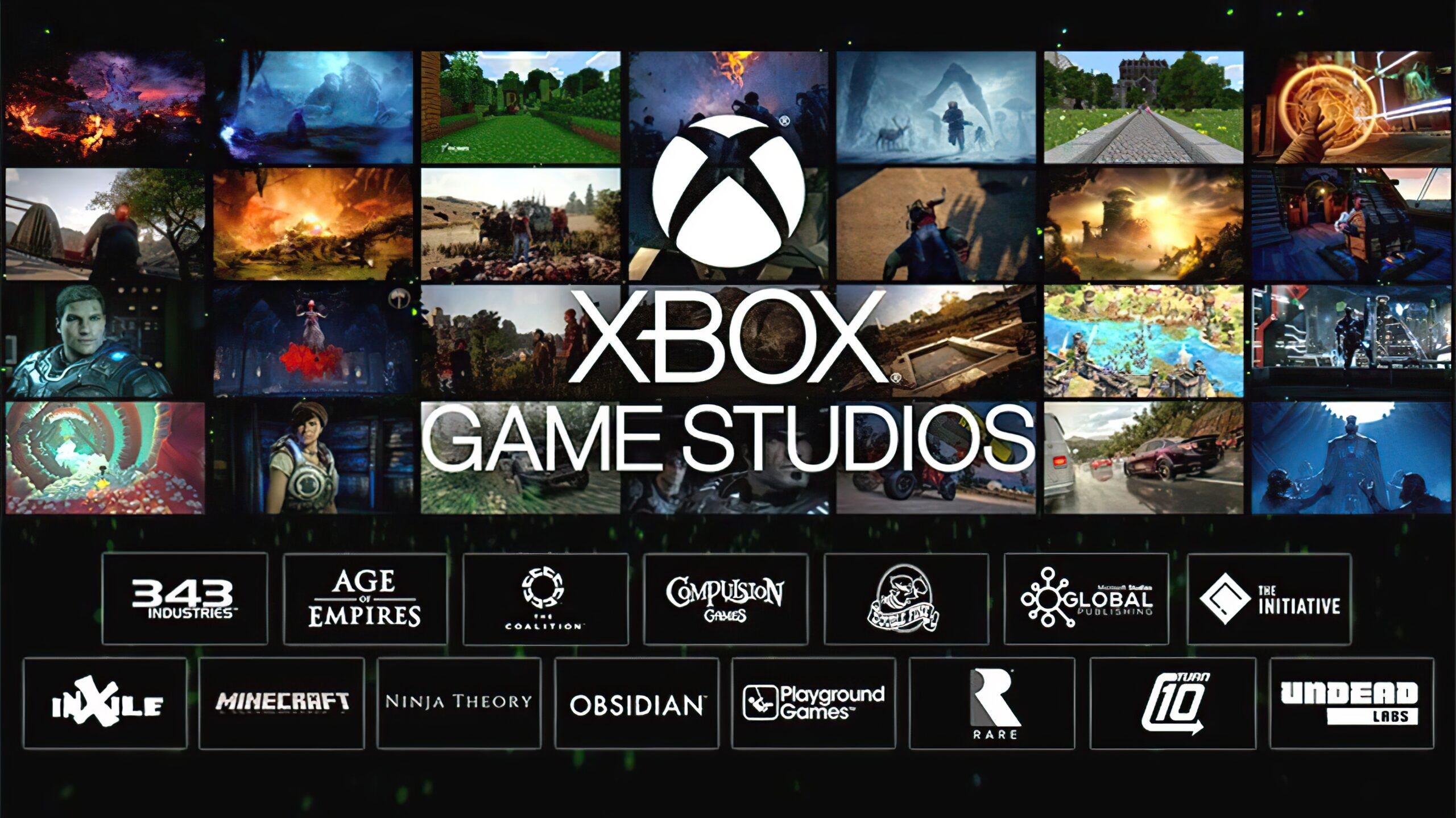
This executive emphasized that the core idea behind “Project Helix” is to eliminate all kinds of “limitations,” whether for players or game developers. To achieve this goal, Xbox communicated with its first-party studios during the development of this new hardware to understand the various limitations developers had faced over the past generation.
For example, the less powerful Xbox Series S console often means many games cannot launch simultaneously on the Xbox Series X|S platform, because to release on this generation of Xbox, a game must be able to run on both console versions. Therefore, in the next generation, Microsoft seems to hope to use “Project Helix” to solve the development limitations caused by such hardware differences.

In addition, Xbox also introduced its “Human Factors Engineering Lab” in this feature, confirming that the relevant testers are currently working to create a new version of the Xbox controller, hoping to bring players a more comfortable gaming experience. The lab has even made an “enlarged” Xbox controller so researchers can personally experience what young children feel when using a regular controller.
Unfortunately, Xbox still has not announced the specific hardware specs or release date for the “Project Helix” console, nor whether it will really go against Sony and continue to include a physical disc drive. How “playing PC games” will work also remains quite unclear. At present, many rumors suggest the console may launch in late 2027, but this has not been confirmed.
Source: KOCPC Chinese