


One of the most eagerly anticipated Google “mischief innovation” traditions each year is the creative Gboard keyboard project that Google Japan’s team rolls out in October. The campaign has now been running for more than 15 years, and impressively, they manage almost every time to dream up ideas even more fantastical and more laugh-out-loud than the previous generation. Although these products were never designed to be actually mass-produced and sold, their distinctive creativity and buzz always manage to capture the public’s attention and help more people rediscover the Gboard input method they use every day.
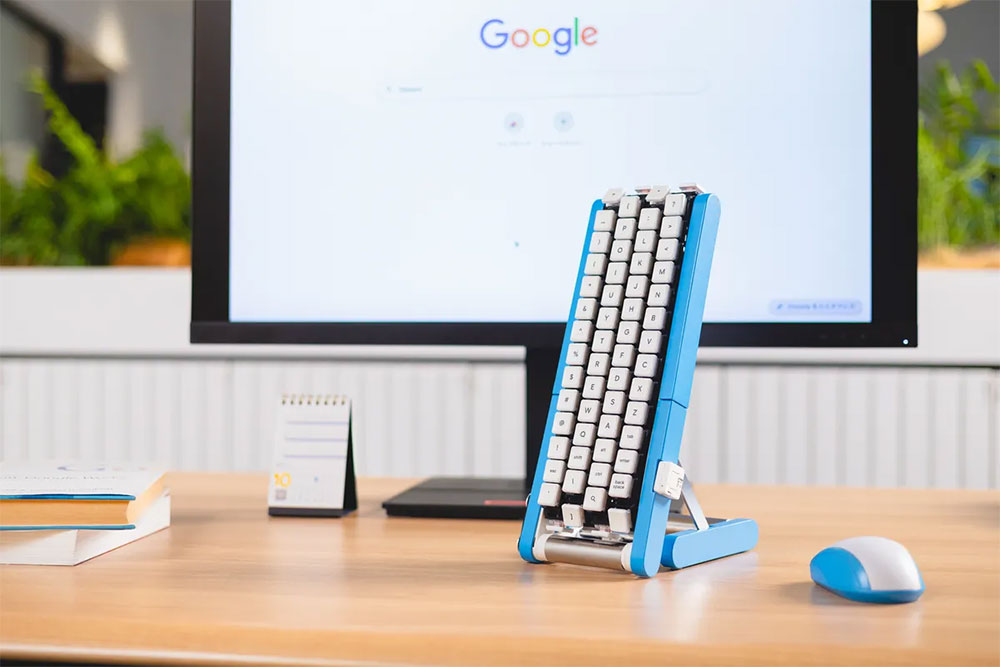
Google Japan’s Gboard team unveils its annual joke keyboard creation, each year a little more wildly imaginative than the last.
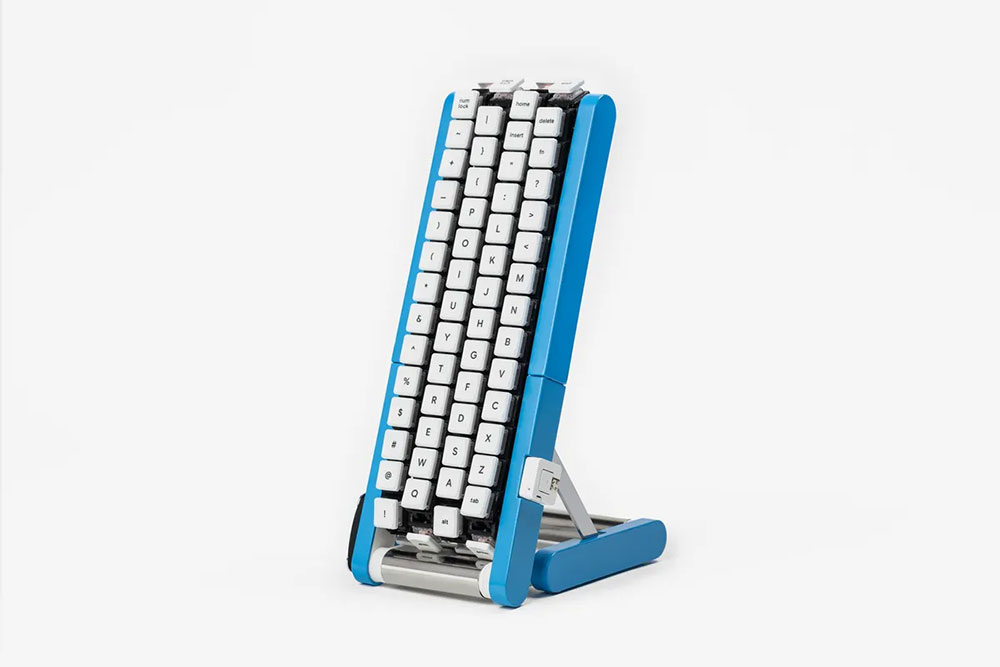
If you haven’t encountered this series before, it’s definitely worth taking a little time to go back through it. Every year, the Google Japan team deadpans its way through presenting a “revolutionary keyboard” that it believes can improve everyday typing, and this year’s entry is a peculiar concept called the “Conveyor Belt Keyboard.”
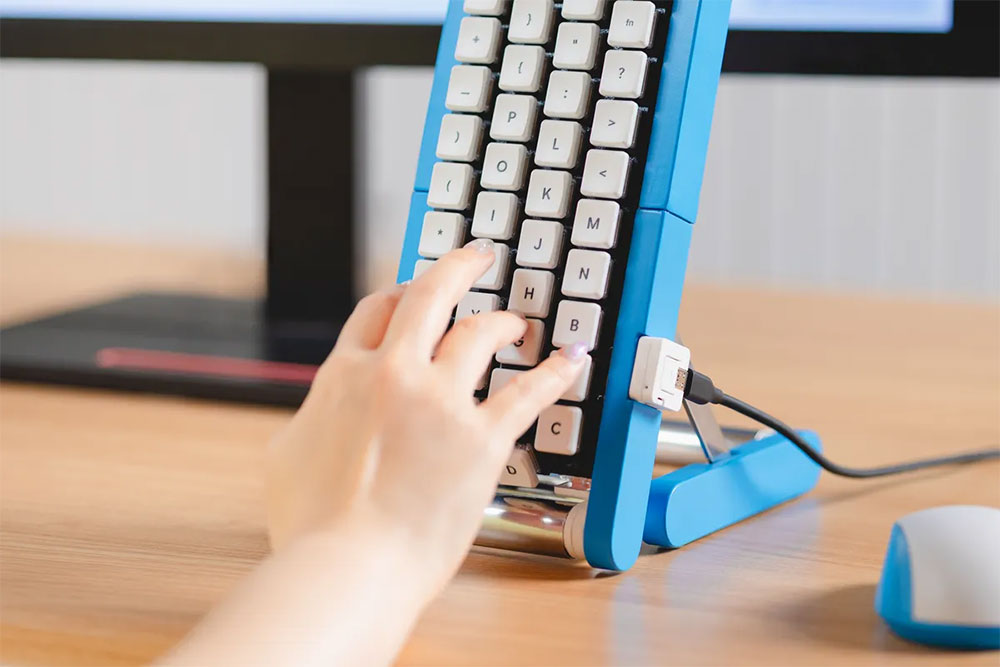
The biggest feature of this keyboard is its goal of letting users enter text with just one hand, or even a single finger. To achieve this, Google designed a rotating, moving key mechanism that makes all the keys cycle continuously like a conveyor belt. Users only need to keep their finger in a fixed position and press when the key they want passes by. In other words, the typist does not need to move their finger to find the keys; instead, the keys come to the finger.
According to Google inIn the official introductionAccording to the explanation, this design works like an operating conveyor belt. Each character key passes in sequence before the user’s eyes, and the user only needs to press it at the right moment to complete input. Each key strip has a total of 29 keys, including both uppercase and lowercase letters, and also emphasizes intuitive operation, hoping to reduce the learning cost of use. Although in actual experience it may not necessarily be more efficient than a traditional keyboard, just this way of thinking that breaks convention is enough to make people smile knowingly.
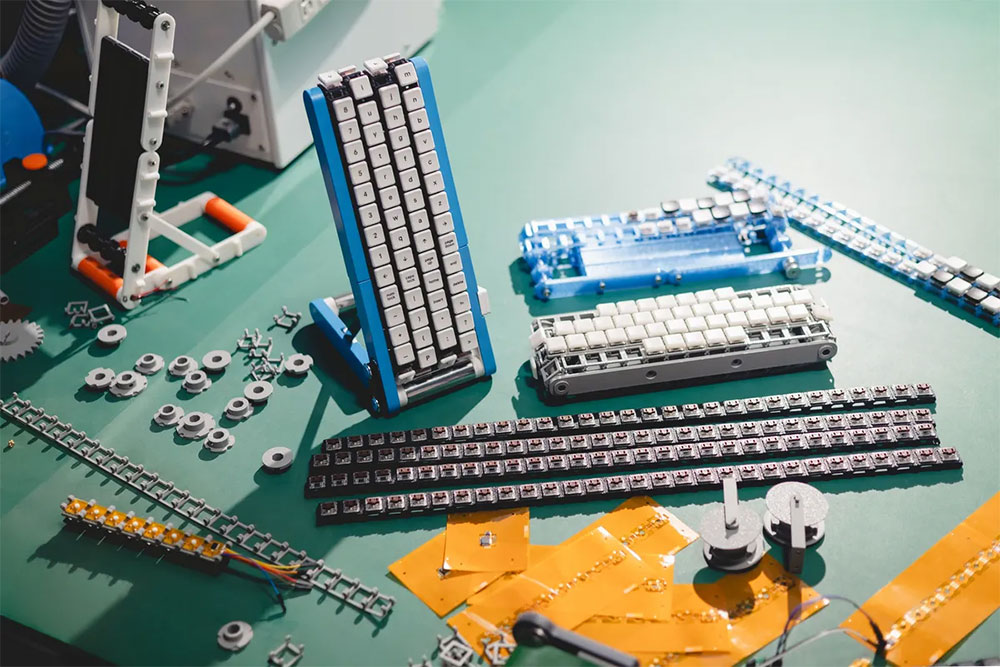
What’s even more interesting is that the Google team even seriously considered the various versions this product could spawn. For example, different color schemes, longer or shorter keyboard layouts, and even a high-speed version that would send the keys flying past users’ eyes at a faster rate. Of course, how much practical value these ideas actually had doesn’t matter; after all, the greatest appeal of this series has always been built on realizing absurd ideas with a completely straight face.
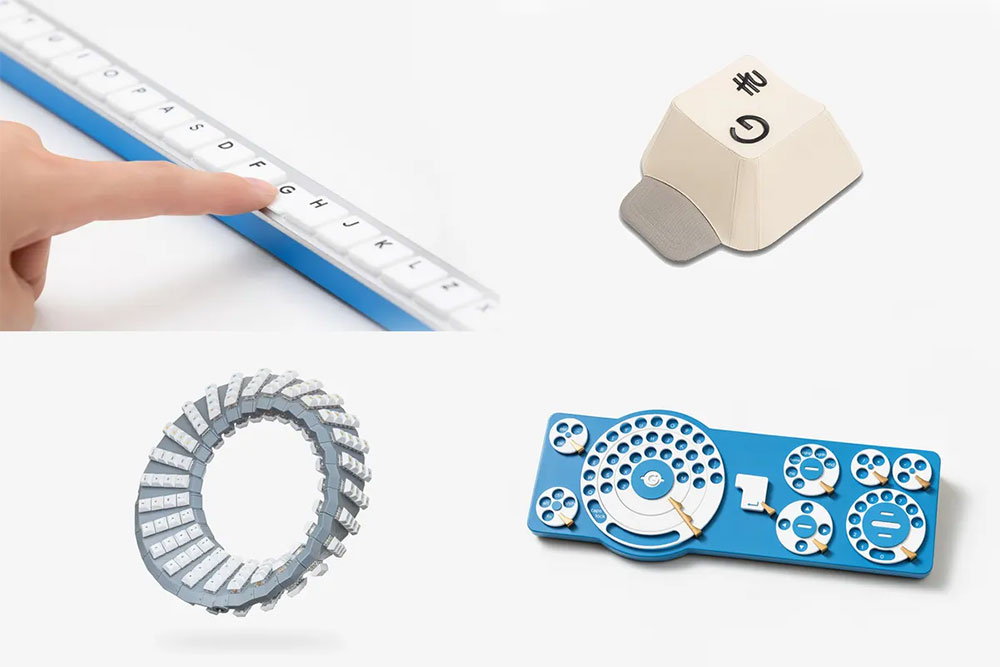
Although Google is unlikely to actually commercialize these concept products, the company still showed a fairly open attitude by publicly releasing related design materials and build information for interested developers and the Maker community to reference. For those who enjoy building unusual devices by hand, these public resources may be the best starting point for realizing wildly imaginative ideas. In addition, Google has also compiled all of its Gboard creative keyboard works from over the years, ranging from relatively normal designs to highly experimental extreme versions, fully demonstrating the team’s endless imagination.
When it comes to everyday use, Gboard remains the keyboard of choice for most Android users. It not only offers a smooth and stable typing experience, but also continues to add voice input, smart suggestions, translation features, and various AI applications, constantly improving typing efficiency. Of course, to truly unlock Gboard’s full potential, adjusting certain settings appropriately is still very important. Whether it’s personalized keyboard layouts, gesture typing, or clipboard and shortcut options, they can all take the overall experience to the next level.
Beyond these practical features, the creative keyboard project that Google’s Japan team launches every year also reminds us of one thing: tech products don’t have to pursue only efficiency and specs; sometimes whimsical imagination and humor can also be the best way to draw people’s attention to technology.
Source: KOCPC Chinese