


As Google previewed at last month’s Pixel Watch 5 launch event, its health platform has recently expanded its health monitoring features again, officially launching three new health features—blood pressure trends, insulin resistance trends, and a sleep breathing quality metric—further strengthening the value of smartwatches in everyday health management.
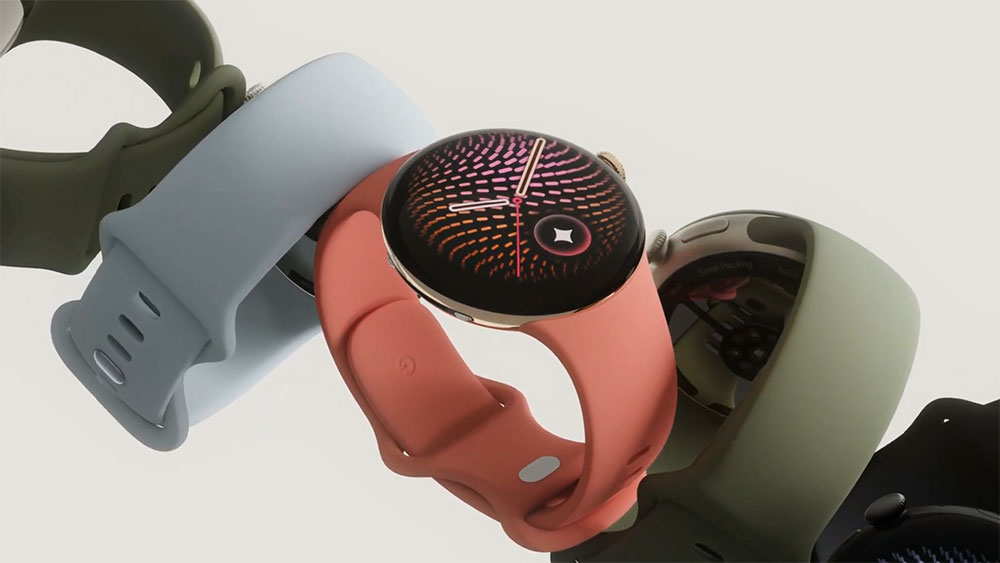
Google has started rolling out blood pressure and insulin monitoring features for Pixel Watch 3 and later models.
These new features are part of the “Health Guardian” program Google created for Pixel Watch, bringing together multiple proactive health and safety tools aimed at helping users detect potential health risks earlier. Among them, respiratory emergency detection is already available first on Pixel Watch 4 and Pixel Watch 5 in the European market, demonstrating Google’s continued investment in wearable health technology.
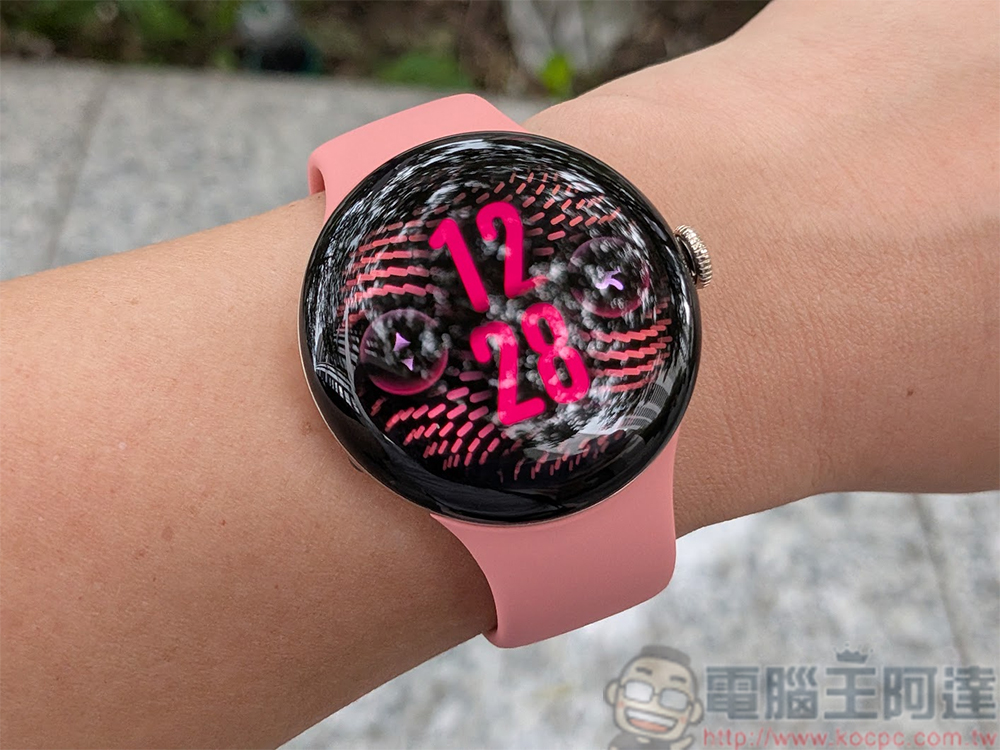
This newly launched blood pressure trend monitoring feature differs from traditional blood pressure monitors that require cuff measurements. Instead, it passively collects a user’s heart rate and activity pattern data over a month through the smartwatch for analysis. The system uses this to determine whether there is a long-term trend of elevated cardiovascular health risk, helping users pay attention to possible blood pressure changes early. Google says the feature requires no manual calibration or additional accessories, and its algorithm was trained on billions of minutes of raw heart rate and exercise data. To obtain accurate analysis results, users need to wear it continuously for at least five days or more each week so the system can accumulate enough data for evaluation.
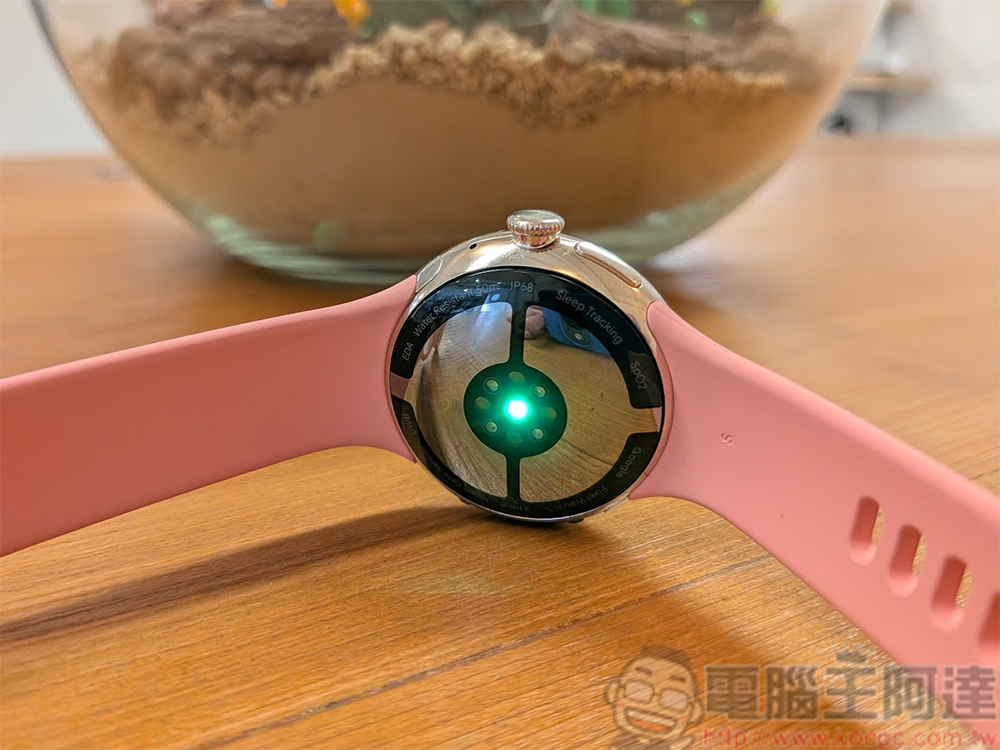
Another closely watched feature, insulin resistance trends, focuses on users’ metabolic health. Insulin resistance is closely tied to the body’s ability to regulate blood sugar and absorb energy, and is an important risk indicator for a range of chronic diseases. In the past, obtaining such data usually required a blood test. Google now uses smartwatch sensor data and AI model analysis to let users track long-term changes in their metabolic state without needing a blood test.
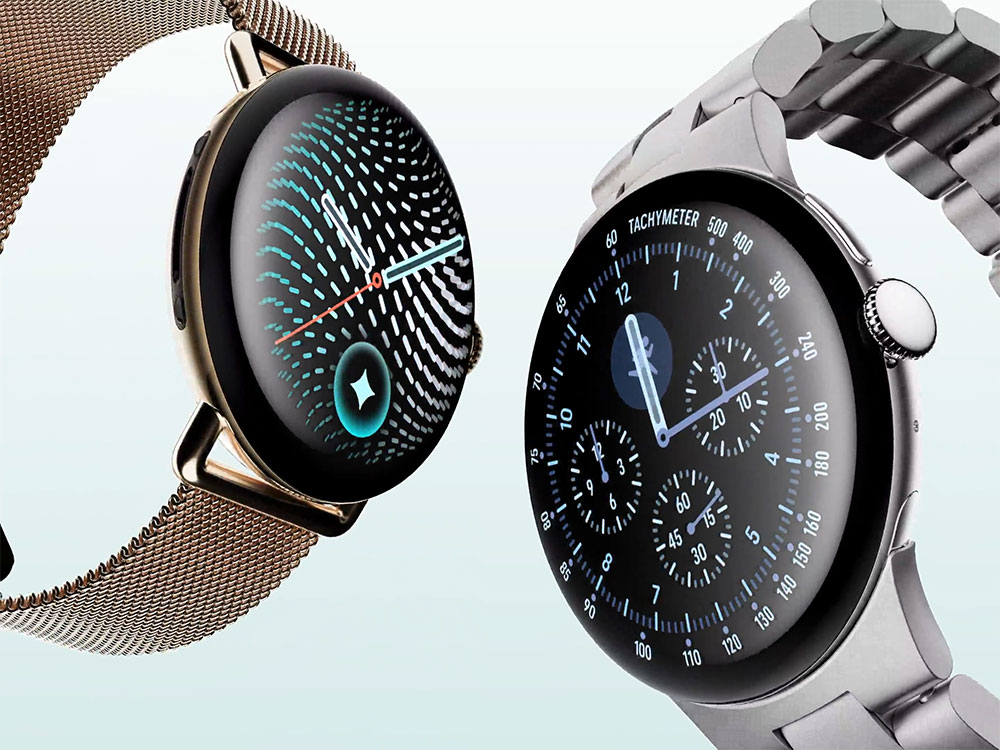
According to Google, this feature requires at least seven days of valid data accumulated each month to produce credible trend analysis results. Its underlying computational foundation comes from Google’s largest sensor foundation model, which was pretrained on more than 1 trillion minutes of data provided by over 5 million volunteer participants, giving the model greater analytical capability and accuracy.
After the Blood Pressure Trends and Insulin Resistance Trends features complete data collection, the system will automatically generate a health report on the first day of each month and display it in the Google Health app, making it easy for users to regularly review changes in their health and build a more complete long-term health record.
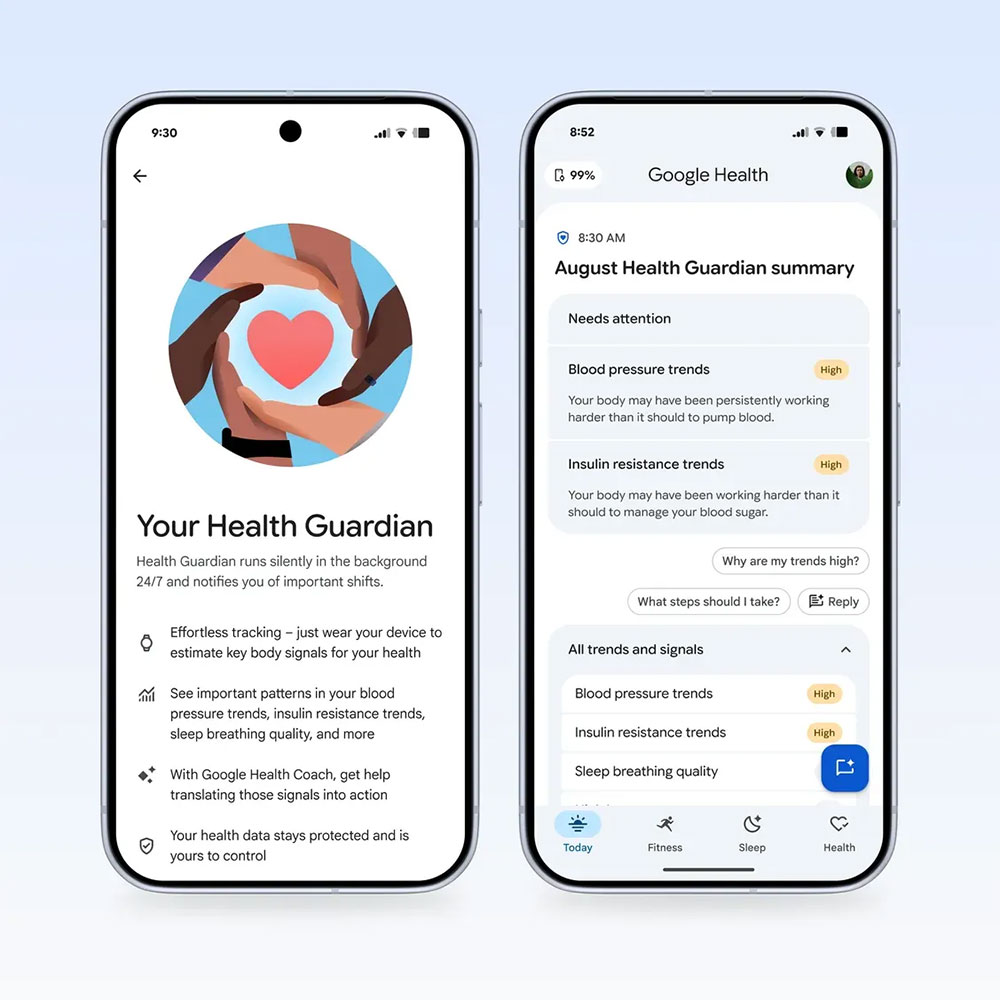
Beyond cardiovascular and metabolic health monitoring, Google is also introducing a new sleep breathing quality metric. This feature can continuously monitor breathing status and changes during nighttime sleep and provide analysis results the next morning, letting users see how much of their sleep was spent in an optimal breathing state. The system also tracks longer-term sleep breathing patterns through monthly reports, helping users keep tabs on their overall sleep health.
Users of Pixel Watch 3, Pixel Watch 4, and Pixel Watch 5 can now enable the three new features mentioned above through the Google Health app at no additional cost. Google expects to push the first batch of health trend analysis reports to eligible users in early October. In addition, Google revealed that users who subscribe to Google Health Premium will in the future be able to get the same health monitoring capabilities on Fitbit Air devices. The related features are expected to roll out later this year, allowing more users to track their health status through smart wearables and detect potential risks early.
Source: KOCPC Chinese