


In recent years, the Pokémon trading card collecting market has remained extremely popular, with prices for some rare or vintage cards often fetching astonishing sale prices and even attracting many celebrities and influencers to get involved and treat them as an investment. However, wealth management expert Douglas Boneparth recently spoke with the media outlet 《UltraBallA formal warning was also issued during the interview with 》, noting that considerable investment risks may lurk behind this boom and that, once market enthusiasm begins to cool, some card prices could see sharp declines of as much as 60% to 80%.

According to a report published on the Circana market research website in 2025, 19% of adults in the U.S. had purchased Pokémon card products in the previous six months, showing that this collectible has considerable market demand there. In recent years, many well-known figures have also joined the card-collecting ranks. For example, well-known internet creator Logan Paul once bought an extremely rare “Pikachu Illustrator” card for about US$5 million, and after a few years its price rose to US$16.5 million.

High-value transactions like these, along with the upcoming release of major commemorative products such as the Pokémon 30th anniversary, have further boosted attention and demand in the related collectibles market, while prices for some rarer cards continue to climb. However, Douglas Boneparth believes that Pokémon card collectors should not treat the recent market enthusiasm as a guarantee that prices will keep rising forever.
“When no one wants to talk about Pokémon cards anymore, these cards could see drops of 60%, 70%, or even 80%,” he said in an interview.
Even so, Boneparth stressed that he does not believe the Pokémon card collecting market will completely collapse by then; rather, he believes collectors should not ignore the volatility risks behind such assets, and emphasized that the relationship between “risk” and “reward” will always exist, and that price fluctuations are inherently inevitable in such investments.

As for the impact of internet celebrities on prices across the collectibles market, Boneparth believes that highly influential figures like Logan Paul can indeed generate buzz through social media, thereby attracting more players into the Pokémon card collecting market. However, this attention may also cause the market to form a bubble, and he says that when there is a large “bid-ask spread” in the market, it becomes even easier to hype up prices.
According to Douglas Boneparth, some of the top card-collecting traders may trade at inflated prices to create the impression of a market in which card values are constantly rising, and the record transaction set by Logan Paul is one example. However, these exceptional trades cannot guarantee that other cards will also maintain the same prices over the long term, nor can they be used to infer that the market will continue to appreciate in the future.
As for collectors currently interested in entering the market and adding Pokémon cards to their investment portfolios, Douglas Boneparth also offered some advice, recommending that they keep the investment proportion of related assets to just 10 to 15% of their overall portfolio. He said this ratio would allow investors to participate in the market appropriately: when prices rise, they won’t regret investing too little, and conversely, when prices fall, they won’t face overly severe losses.
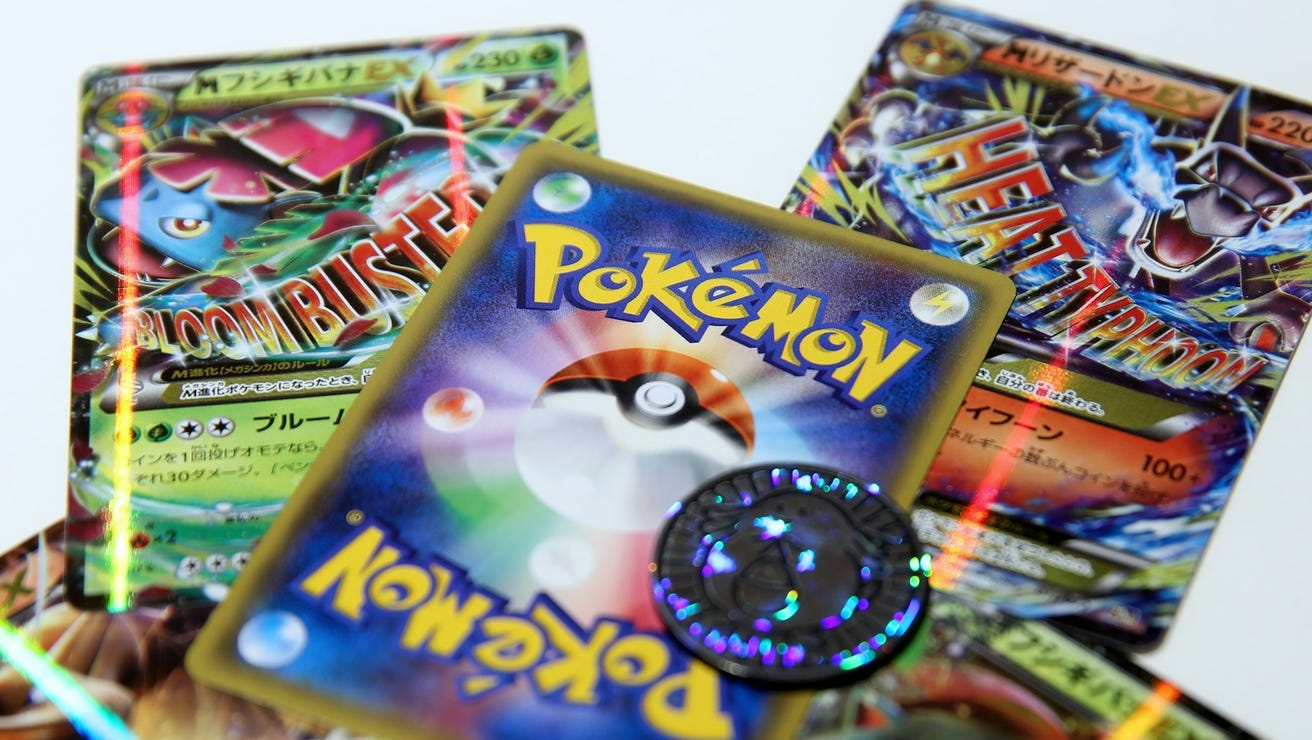
And judging from the overall market size and the report published by the VTM Vending team, Pokémon trading cards remain the largest collectible card brand in the world by scale, and the United States is the market with the strongest demand, estimated to account for around 40% of the global market. In addition, BCC Research also predicts that the collectibles market could reach $11.8 billion by 2030.
Although relevant data shows that the Pokémon card market still has considerable commercial potential, these collectibles operate very differently from common financial assets, and their prices are often affected by factors such as market buzz, rarity, community discussion, and buyer and seller demand. For investors who have only recently decided to enter the collecting ranks, how to assess risk and avoid chasing highs is probably more important than hoping to pull the next ultra-rare card worth a fortune.
Source: KOCPC Chinese