


Apple on September 9th’s “Surprise and ShineAt the press conference, it was publicly announced that iPhone 18 Pro Variable apertureDesigned to let everyday users easily take great photos while giving creators more control options.
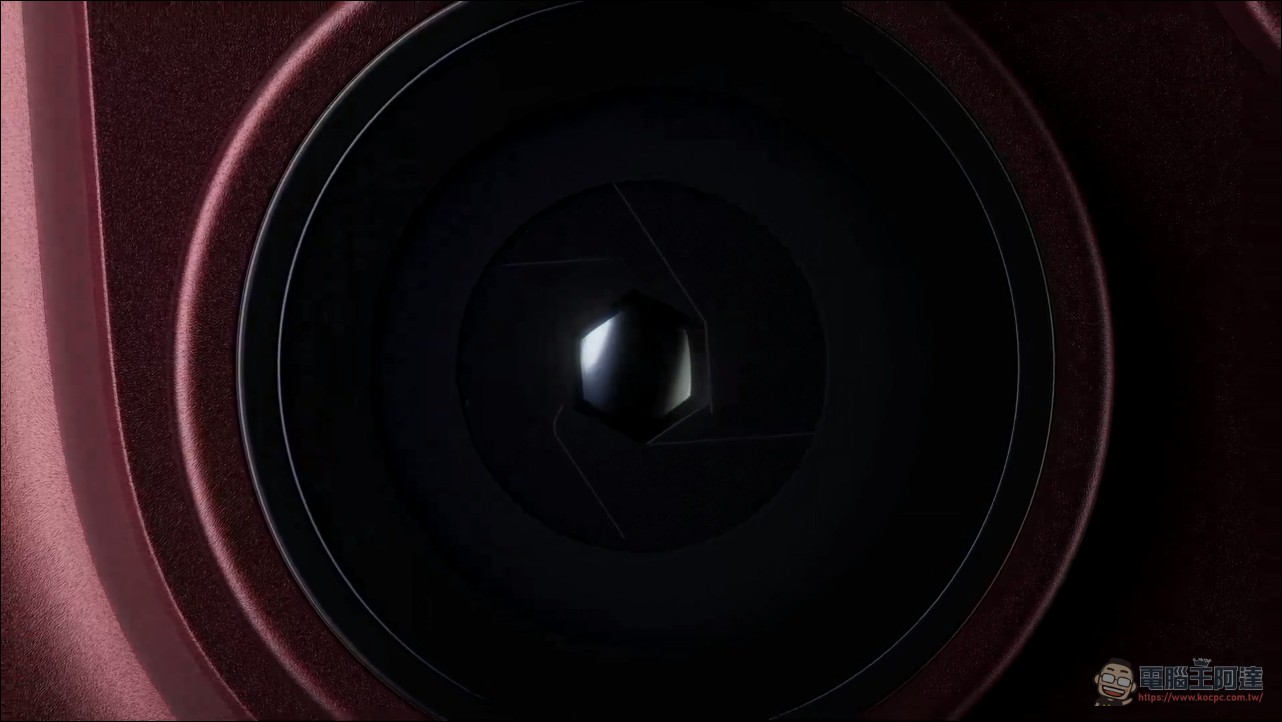
Variable aperture: 48MP Fusion main camera
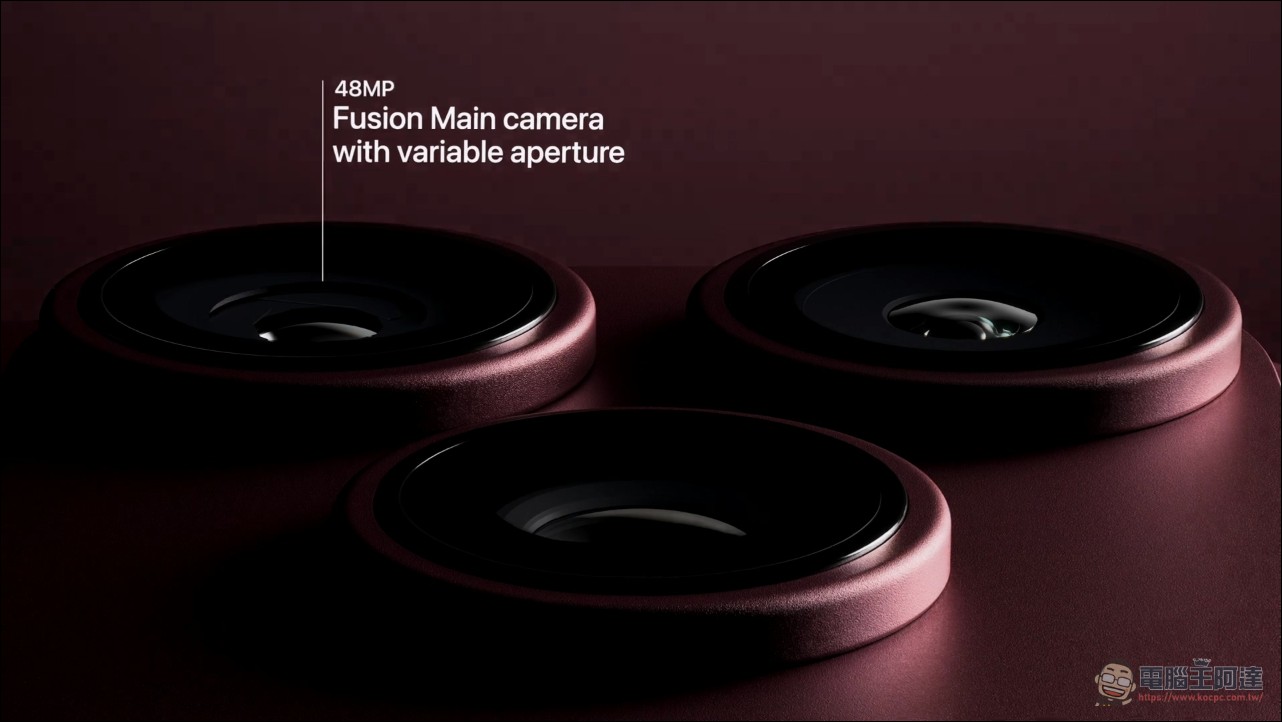
Aperture is one of the fundamentals of photography. It determines the amount of light entering the system and affects the rendering of every photo and video. The iPhone 18 Pro features a brand-new 48MP Fusion main camera with variable aperture support, which Apple calls the most advanced camera ever.
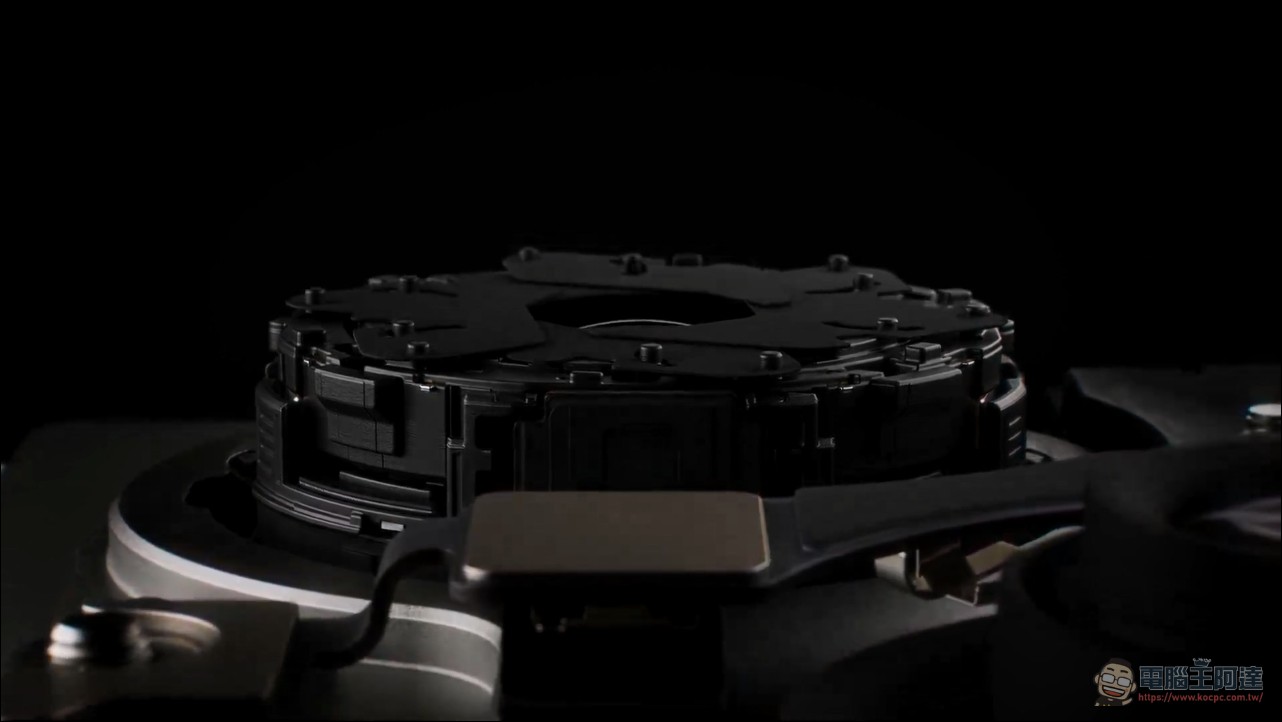
To achieve the variable aperture, Apple developed six laser-cut blades, each thinner than a human hair, made from a special polymer composite material that balances quality, flexibility, and durability. These are paired with a new rotor mechanism to control blade movement, along with a custom lens to ensure image quality at different apertures. The iPhone 18 Pro main camera’s aperture covers four stops: f/1.48, f/1.8, f/2.8, and f/4, which can be manually selected with Pro Controls.
The aperture adjusts automatically based on the scene. In darker environments, it opens to increase light intake by about 50%, enabling faster Night mode captures with better image quality. At the launch event, Apple showcased a starry-sky photo shot at f/1.8, stating that this is the aperture value that strikes the best balance between light and depth of field.

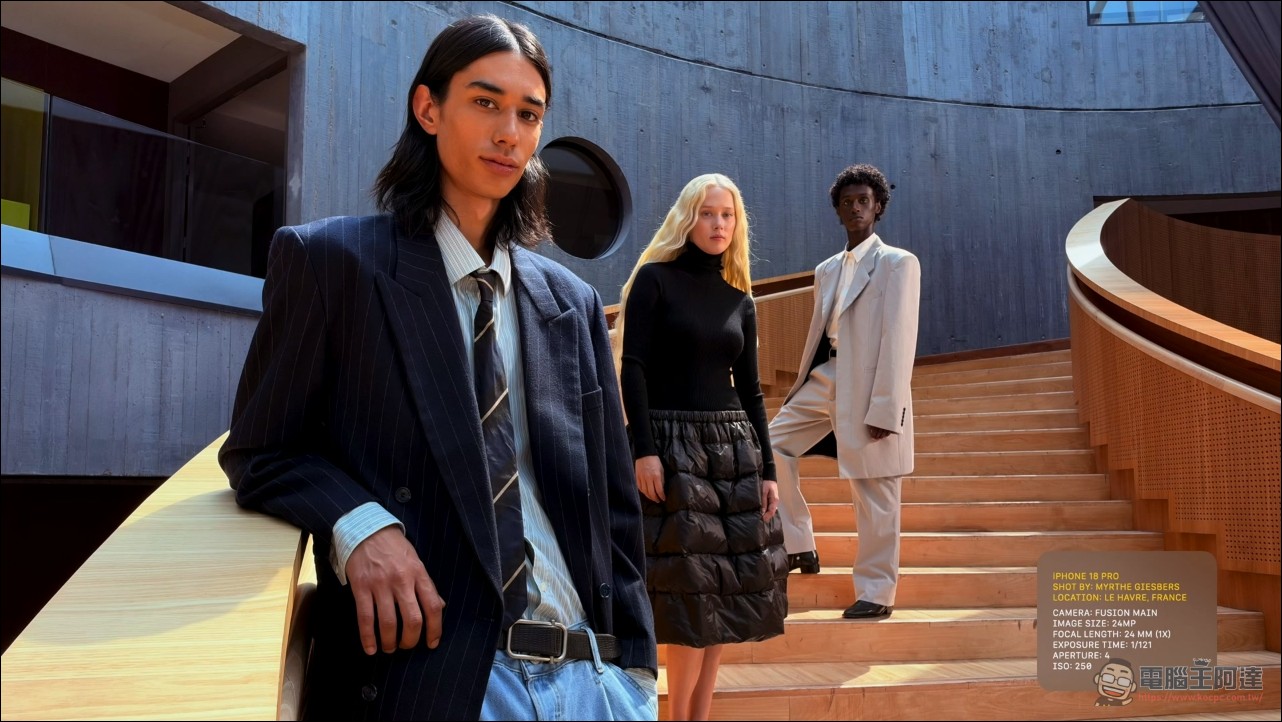
The aperture can also be narrowed to achieve greater depth of field, making details in the background of the frame clearer, which suits group photos. In group photo scenes, narrowing the aperture keeps people in both the front and back rows sharp—something fixed-aperture phones couldn’t do in the past. The new image sensor, paired with a new computational imaging pipeline, makes photos from the main camera sharper and more detailed. Compared to previous iPhones, which have used a fixed f/1.78 aperture design since the iPhone 14 Pro, the variable aperture lets users actually control depth of field—a fundamental change to the photography experience.
Video capability upgrade
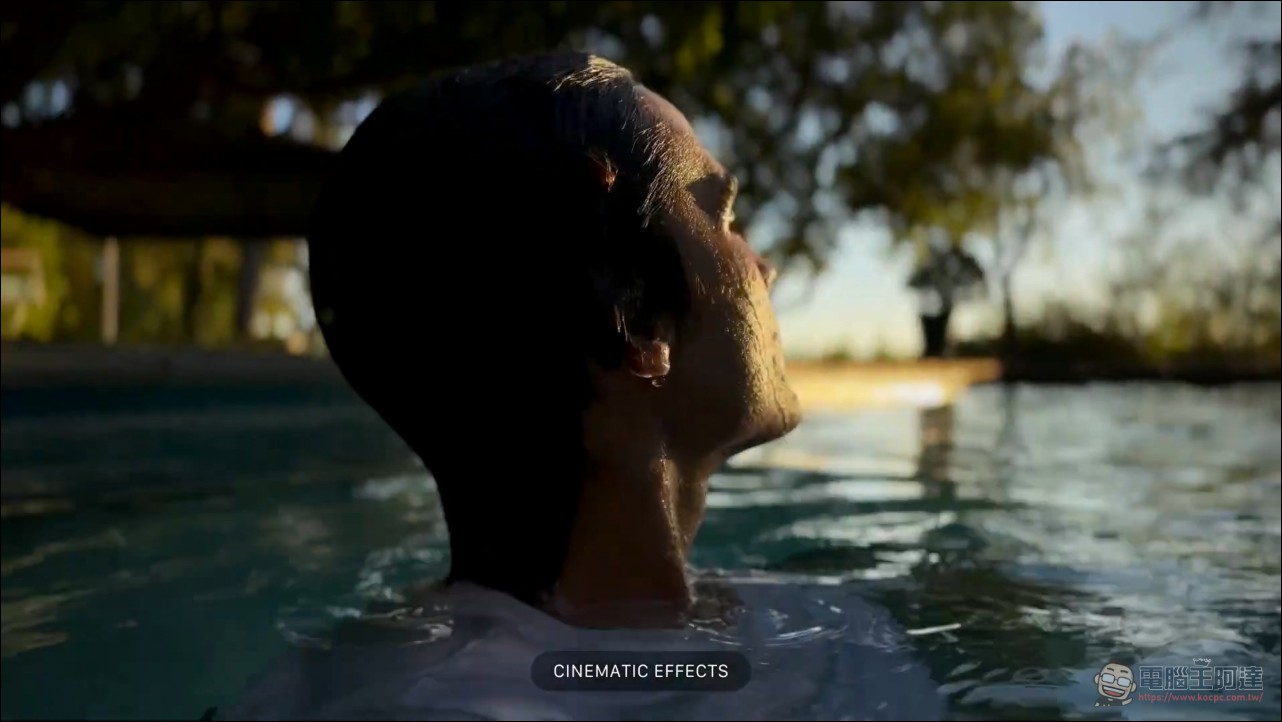
The camera software has also been upgraded. You can now apply Cinematic mode effects directly to regular videos, with support for 60 FPS, allowing you to create half-speed footage. Previously, Cinematic effects could only be applied at the time of shooting; now you can add them afterward, greatly increasing creative flexibility. The 60 FPS support in Cinematic mode, combined with the 4K HDR upgrade for time-lapse, gives video creators much more freedom than the previous generation. The new time-lapse specifications also make night scenes and starry sky subjects appear more detailed.

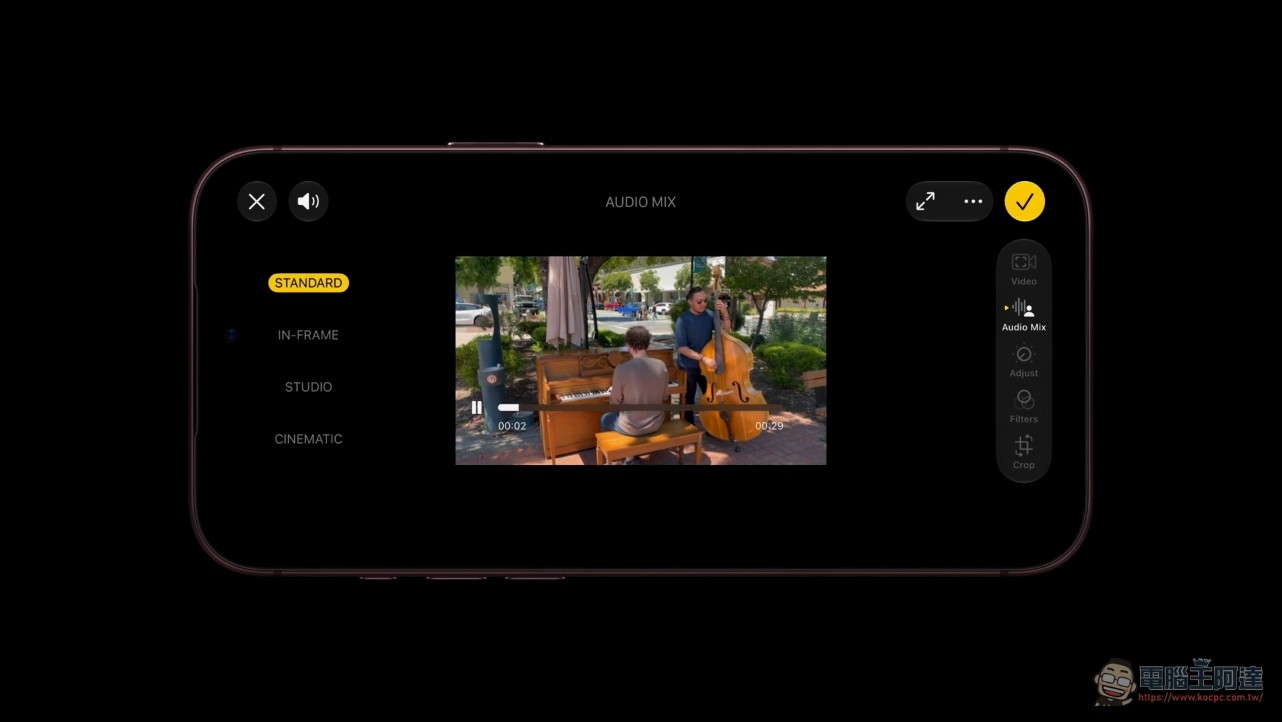
Audio Mix also updated its algorithm to improve voice recording quality and added music support. Apple says the new camera system performs better in low-light video, intelligently adjusting aperture and frame rate to make the picture brighter and clearer.
Professional Controls
To provide advanced users with more creative freedom, Apple has added Pro Controls to the Camera app. This customizable interface allows quick access to frequently used settings and introduces manual control options, including white balance, a histogram for exposure monitoring, manual aperture adjustment (with four selectable stops), and shutter speed. Previously, these controls were only achievable through third-party apps like Halide; now Apple offers them directly in the native Camera app.
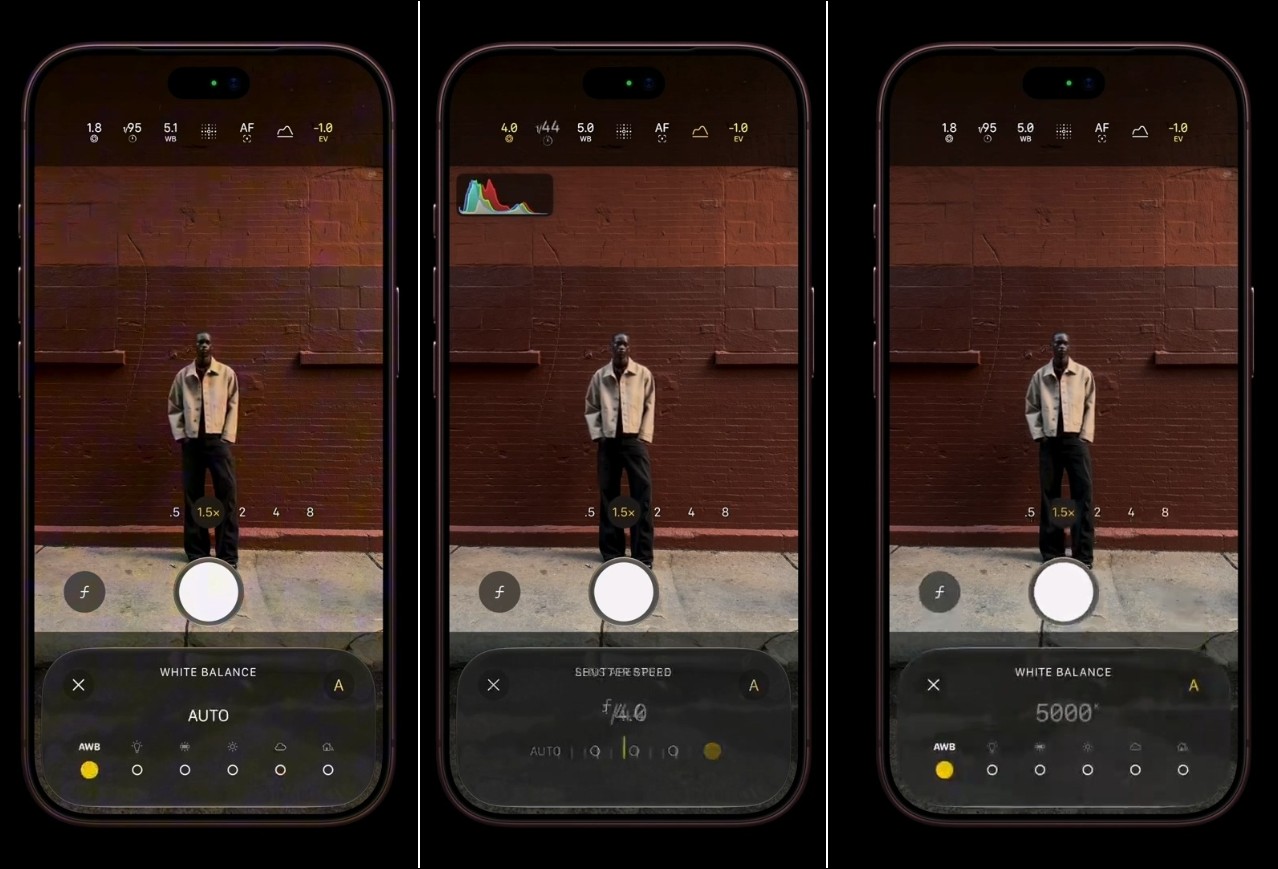
At the launch event, a photographer demonstrated the use of Pro Controls to deliberately capture a starburst effect on earrings, a result shaped by the aperture blade design of the variable aperture. Pro Controls also supports video recording, allowing shutter speed adjustments to create motion blur—a classic filmmaking technique.

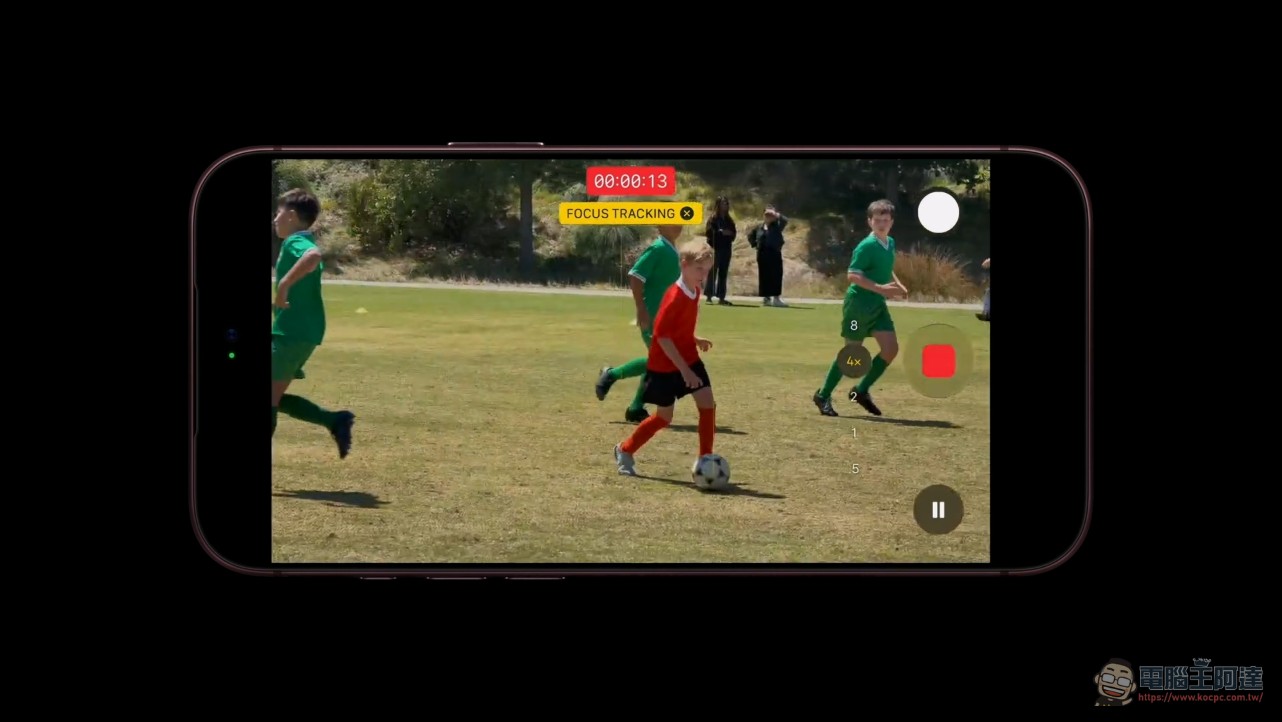
Additionally, the new intelligent focus tracking uses an on-device AI model to lock onto a subject, maintaining focus even if the subject changes depth of field or leaves the frame and returns. Apple says Pro Controls allow the iPhone 18 Pro to handle everything from professional film sets to everyday shooting scenarios. For third-party camera app developers, Apple has also updated the API to provide full access to the variable aperture system.
Photographic Styles: Texture and Grain Control
The photography style feature has also been upgraded with the addition of texture and grain controls. Texture is an important element in photography that enhances the interaction between light and shadow, elevating the mood of an image. The new options let users fine-tune the look of their photos, such as adjusting skin texture, while also balancing color and texture simultaneously—everything can be reverted or changed at any time. The texture and grain controls allow photos to achieve a more film-like appearance, giving users who enjoy street photography or portraits greater creative flexibility. They can adjust texture intensity and grain coarseness separately, or apply an overall style all at once. And it can all be reverted or changed at any time without damaging the original photo.
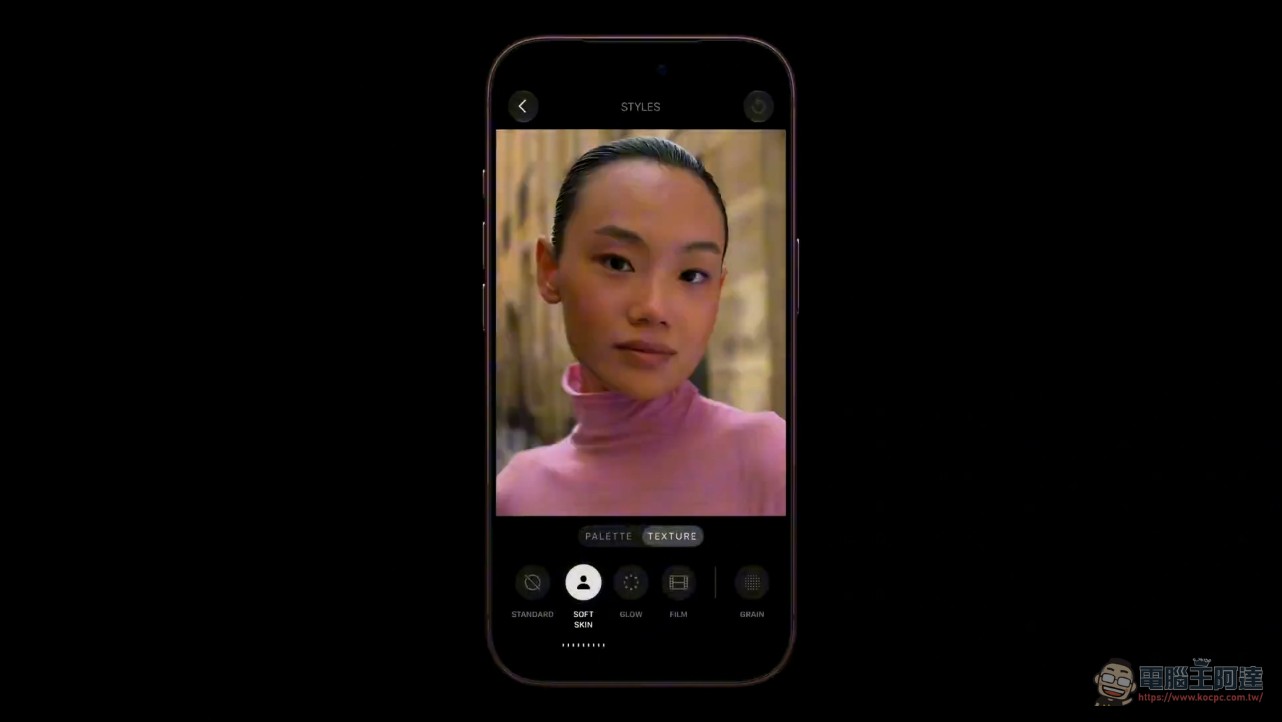
Image Authenticity: Apple Reference Image
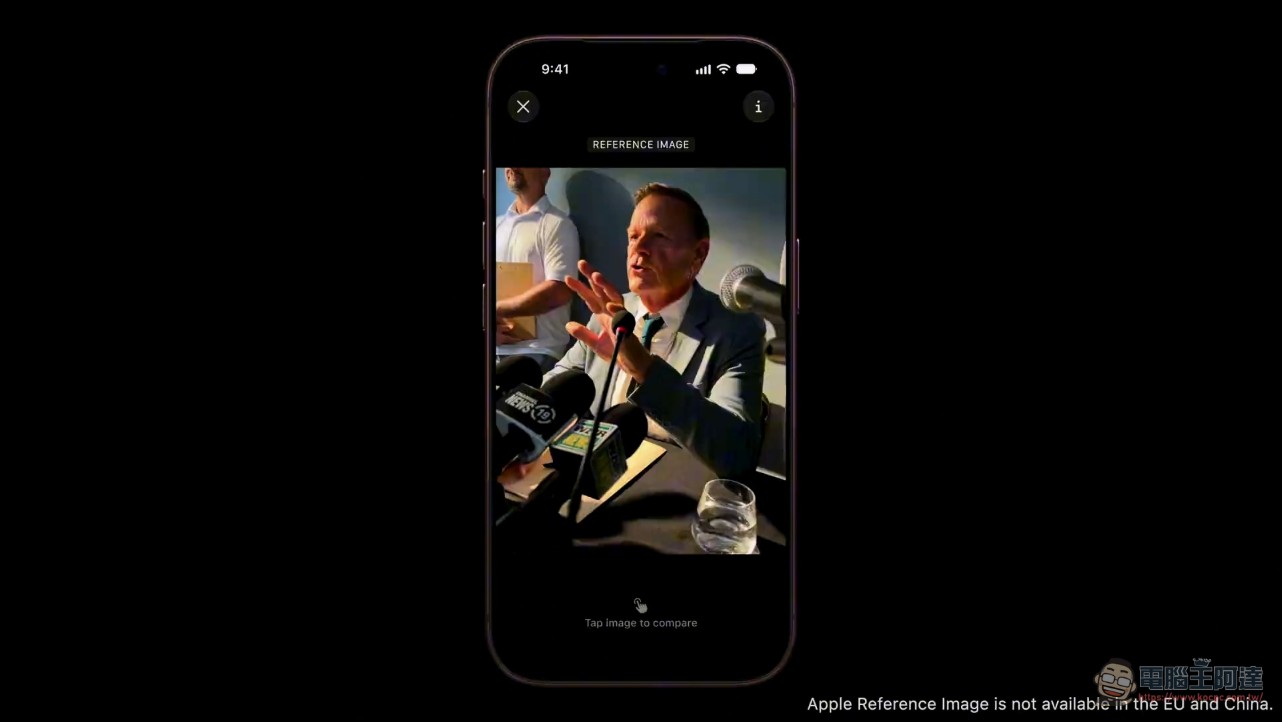
Image authenticity is a key concern in photojournalism and for photographers. The iPhone 18 Pro supports Google’s SynthID standard, helping to identify images that are generated or edited by AI. Apple goes a step further with Apple Reference Image: the new main camera sensor cryptographically signs photo data at the pixel level at the moment of capture, which is then developed via Private Cloud Compute into a tamper-proof reference image viewable in the Photos app. This reference photo coexists alongside the regular editable photo, functioning like a digital negative that can be used to visually confirm the actual scene content at the moment of capture—particularly important for preventing photos from being altered or used to mislead. Apple emphasizes that Apple Reference Image and the SynthID standard are complementary, forming a multi-layered defense for image authenticity. (This feature is not available in China or the EU.)
Conclusion
At the end of the event, Apple revealed that the Pro camera system was actually the equipment used to shoot that day’s activities, leveraging several new features like variable aperture—essentially a direct endorsement of the camera’s capabilities. From variable aperture and Pro Controls to Apple Reference Image, the iPhone 18 Pro’s camera upgrades span three areas: hardware, software, and image authenticity. This holds appeal for both everyday users and professional creators alike, so everyone can look forward to the photography improvements this new iPhone brings.
Source: KOCPC Chinese