


Anyone who frequently uses Google Maps, besides treating it as an everyday navigation tool, has probably also noticed the various useful information it provides. One of the most intriguing features is its ability to show whether a place is currently crowded and which times of day have the most foot traffic, all before the user even arrives at the business. Many people might assume this information is provided by the businesses themselves, but in reality, Google does not rely on businesses reporting their customer traffic. Instead, it analyzes and estimates this data through anonymous location information shared by a large number of users.

How does Google Maps know if a business is busier than usual?
When a user enables Location History in their Google account, the phone sends relevant location information anonymously to Google when visiting specific places. After this data is aggregated and analyzed, it helps the system understand how foot traffic at a given location changes over time. In other words, Google can use the movement patterns of large numbers of users to determine when a store, restaurant, or attraction is busiest, as well as trends in visitor numbers across different times of day.
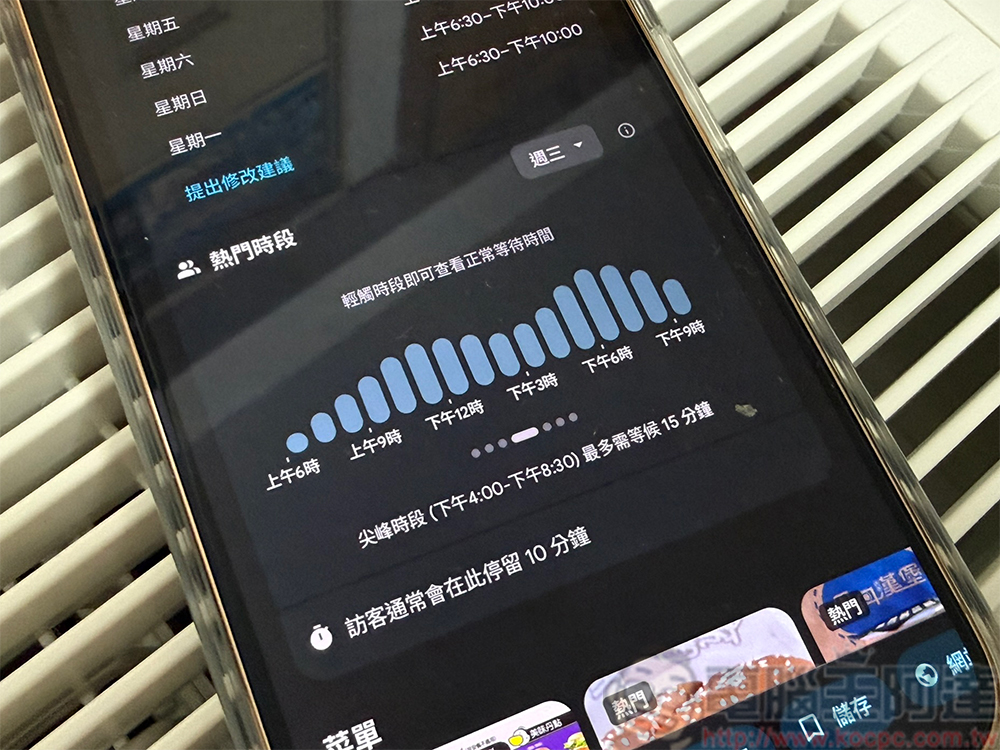
Through this continuously accumulated data, Google Maps can not only show popular times, but also estimate how long customers might need to wait, as well as how long people typically stay at a location. For users planning to visit a business, this information is quite valuable, as it can help them avoid peak hours and save time waiting in line. However, not all businesses display this type of data. Google only makes this information public when a location has accumulated enough user data from those who have enabled Location History, ensuring the analysis results are meaningful while also protecting personal privacy. It’s worth noting that neither businesses nor regular users can add or modify these popular times and wait time data on their own.

In fact, it is hardly a secret that Google has long collected and analyzed anonymous data from users worldwide through its various services. Every day, hundreds of millions of users interact with Google through Google Search, Google Maps, Android devices, and other related services, and these activities become a small part of a vast database. Although the information provided by a single user may seem insignificant, when the data scale expands to a global level, it can form a highly valuable statistical basis.

Much of the information shown on Google Maps is based on analysis of these vast datasets. For example, the system uses visit records from the past several weeks or even longer to estimate how long people typically stay at a given location. In addition, wait time calculations are adjusted according to the type of place. For restaurants, for instance, the estimated wait time is usually related to the time customers spend queuing before being seated; for other businesses, different analytical criteria may be applied depending on their operating model. In these ways, Google is able to provide users with reference information that more closely reflects real-world conditions.
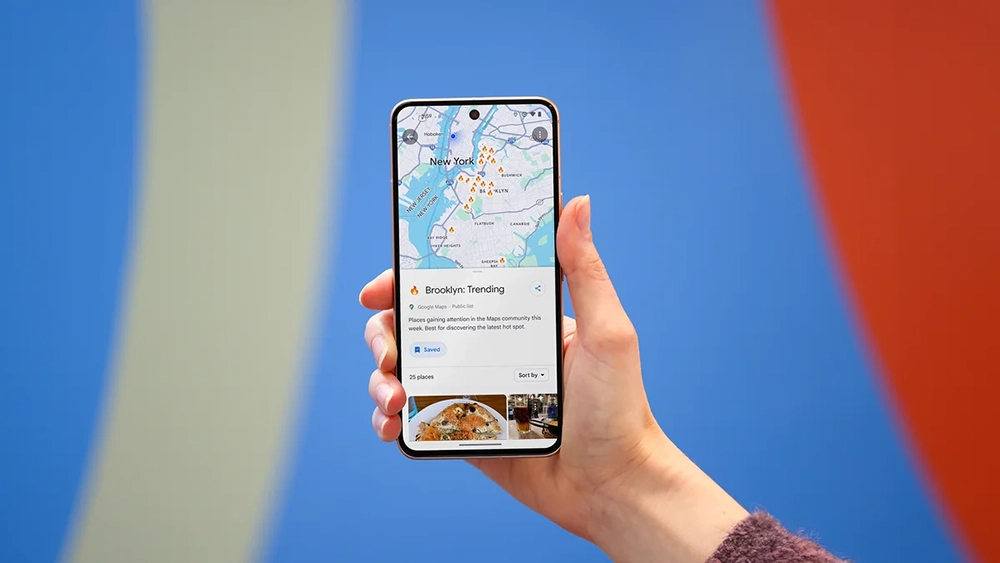
Besides wait times, Google also uses the same data sources to show real-time crowd fluctuations and popular times for a location, letting users quickly gauge the situation on site. Whether planning a group meal, arranging a shopping trip, or visiting popular attractions, this information helps users make more efficient decisions.
Of course, if users do not want their location information to be included in such statistics, they can also go to Google Account settings or the Google Maps app at any time to turn off the Location History feature. Even if this option is not enabled, most of Google Maps’ features, including navigation, route planning, and browsing user-contributed information, will still work normally. Therefore, users can continue to enjoy the convenience Google Maps offers while choosing privacy settings that suit their needs, striking a balance between personal data protection and service experience.
Source: KOCPC Chinese