


The reaction speed and multitasking skills you’ve honed in Counter-Strike 2, Valorant, or StarCraft II might one day actually come in handy in the real world. The U.S. Department of Transportation has recently been actively recruiting gamers to become air traffic controllers, and Transportation Secretary Sean Duffy noted that this seemingly unconventional strategy has significantly advanced the FAA’s recruitment efforts.
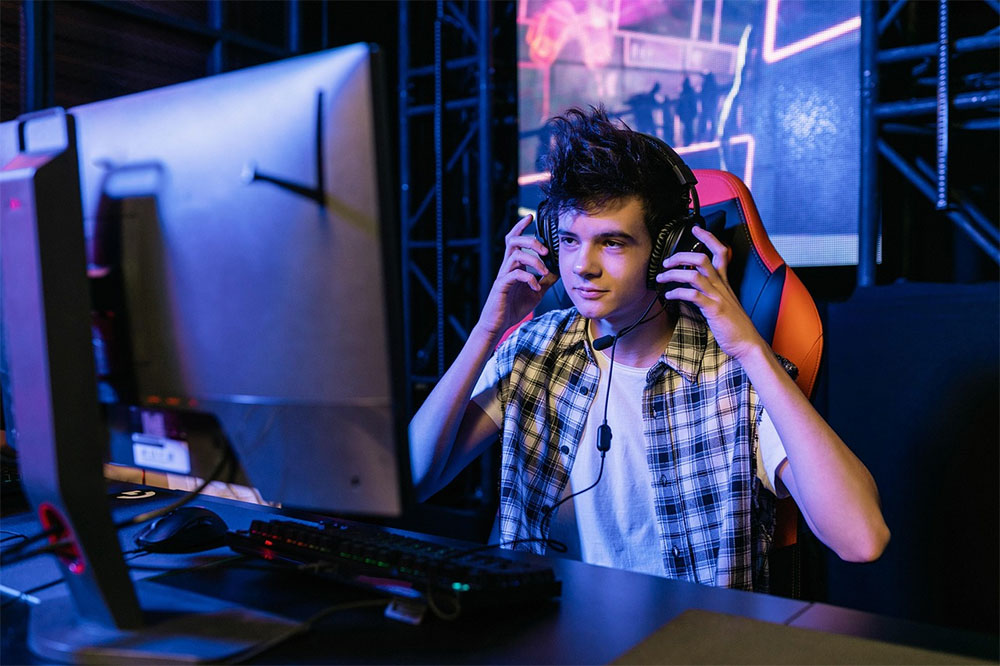
Are you a gaming expert? The US is recruiting gamers from all walks of life to serve as air traffic controllers.
This gamer-focused recruitment campaign launched in April, targeting a young demographic accustomed to rapid information processing. Sean Duffy said at the time that many young people had already developed the “hard skills” needed for air traffic control work through gaming, making gaming an effective entry point to reach potential candidates. The FAA also explicitly noted that abilities such as multitasking, spatial awareness, strategic planning, and problem-solving can naturally transfer from gaming experience to control work.
Based on current results, this strategy is indeed working. Sean Duffy recently revealed on X that the FAA has completed 94% of its annual recruitment target, marking the fastest progress ever recorded. Over 2,000 new air traffic controllers have officially joined, with more than 2,000 additional candidates moving through the subsequent stages of the process—a critical development for the FAA as it faces a nationwide shortage of controllers.
🚨 GAME CHANGER
In April, we launched a NEW CAMPAIGN to recruit video gamers as air traffic controllers — and supercharged the entire hiring process to get the BEST & BRIGHTEST in faster. The results are HISTORIC ✈️
✅ 94% of hiring goal met — fastest time ever to reach target… pic.twitter.com/gN3OGmEIBB
— Secretary Sean Duffy (@SecDuffy) August 9, 2026
For those who have played StarCraft II or Age of Empires IV, simultaneously tracking resources, units, the map, and enemy movements is almost second nature; meanwhile, Counter-Strike 2, Valorant, or Rainbow Six Siege demand that players interpret visual and audio cues in a rapidly changing environment, communicate with teammates, and make quick decisions. These skills bear a striking resemblance to the situations air traffic controllers must handle in the tower.
Moreover, research supports the transferability of these skills. PastAction game research showsGame players often perform better in attention, spatial cognition, and other areas. Gaming experience also demonstrates value in other professional fields; for example, research indicates that people with a gaming background perform better in laparoscopic surgery simulations, and the U.S. military has found that those familiar with game controls adapt more easily to drone piloting.
However, being able to pull off high-level plays in Valorant doesn’t mean you can walk straight into an airport tower and start directing flights. The FAA’s selection process remains rigorous: applicants must pass exams, attend training at the FAA Academy, and then complete one to three years of on-the-job internship before becoming fully qualified professional controllers. Gaming skills can provide foundational abilities and potential, but taking responsibility for aviation safety in the real world still requires complete professional training.
This recruitment strategy reflects a larger trend: gaming is no longer just entertainment—it is increasingly being seen as an environment that can cultivate professional skills. From military to medical, and now to aviation, the abilities of gamers are being reassessed and valued. The FAA’s approach may only be the beginning; in the future, more industries may start considering how to translate in-game skills into real-world professional capabilities.
Source: KOCPC Chinese