


Since the Apple Watch was introduced, the company has consistently adhered to a rectangular screen design, establishing its visual language in the smartwatch space. Meanwhile, Google’s Wear OS ecosystem has taken a diverse approach, with various manufacturers freely experimenting between circular and rectangular watch faces, resulting in distinctly different product styles. Now, Apple appears to be rethinking the direction of its wearable devices, as the possibility of a circular Apple Watch resurfaces.
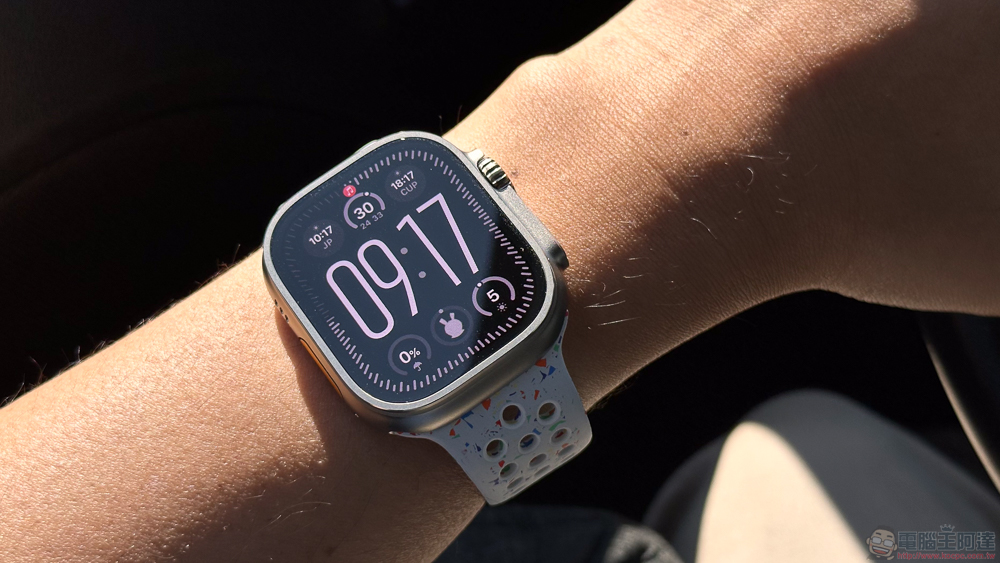
Apple Watch may consider switching to a circular display.
According toBloombergAccording to the report, Apple is evaluating several design changes for its wearable products, with one of the options under discussion being the adoption of a circular display. In addition to circular screens, Apple is also considering releasing new devices without a display, or using screens of different sizes and types. Although a circular Apple Watch is currently a “low-probability” option, it has at least been seriously discussed internally.
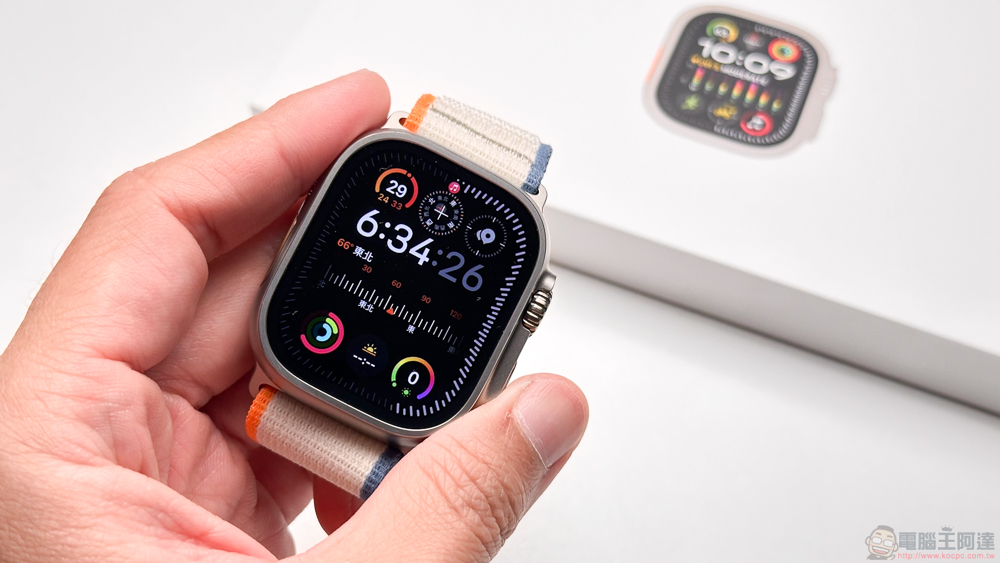
In fact, the idea of a round Apple Watch is nothing new. As early as 2017, the company filed a related patent application, which was approved in 2018, showing that Apple had already studied the feasibility of a round watch face, just without putting it into mass production. One reason is that changing a smartwatch screen from rectangular to round is not a simple cosmetic adjustment; it involves redesigning the entire watchOS user interface.
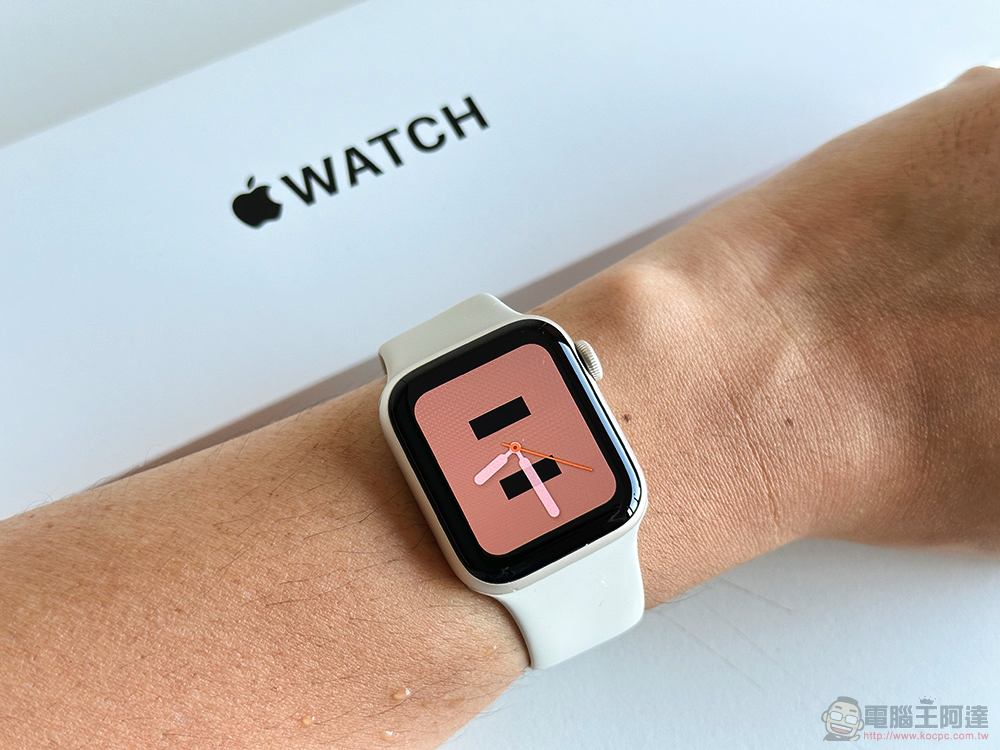
The difference between rectangular and circular screens is far more complex than just “whether the corners are rounded.” Take smartphones, for example: apps can switch between single-pane and two-pane layouts based on screen size, keeping the interface consistent across different devices. Smartwatches, however, are a different story. A circular screen doesn’t offer a larger display area—it changes the shape of the available space instead. This means interface elements must be rearranged to prevent text or buttons from being clipped by the curved edges, which poses a significant challenge for developers.
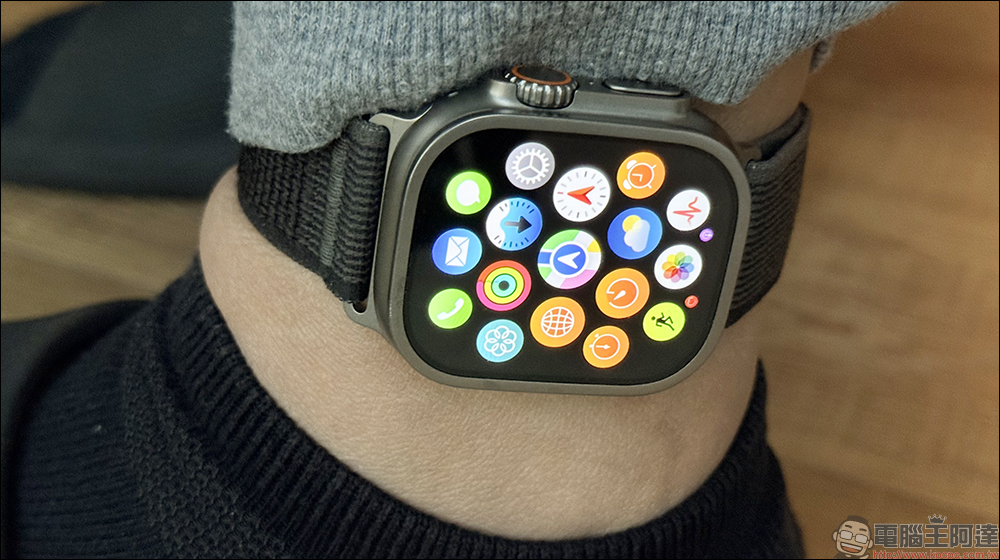
Notifications and banner messages are the trickiest part. The Pixel Watch 4 uses a round watch face, but at the software level it presents notifications in “square display blocks” to avoid text being cut off. This approach is effective, though visually a bit of a compromise. Samsung takes a different approach: the Galaxy Watch Ultra and Galaxy Watch 8 series use a round case with a square display bezel, attempting to strike a balance between aesthetics and practicality.
If Apple truly decided to adopt a round watch face, it would inevitably seek a more refined solution. Apple has always excelled at achieving consistency between hardware and software, creating differentiated experiences through meticulous interface design. Looking at the evolution of its past products, Apple possesses both the capability to redesign watchOS and ample resources to develop UI elements and interaction patterns tailored specifically for circular screens.
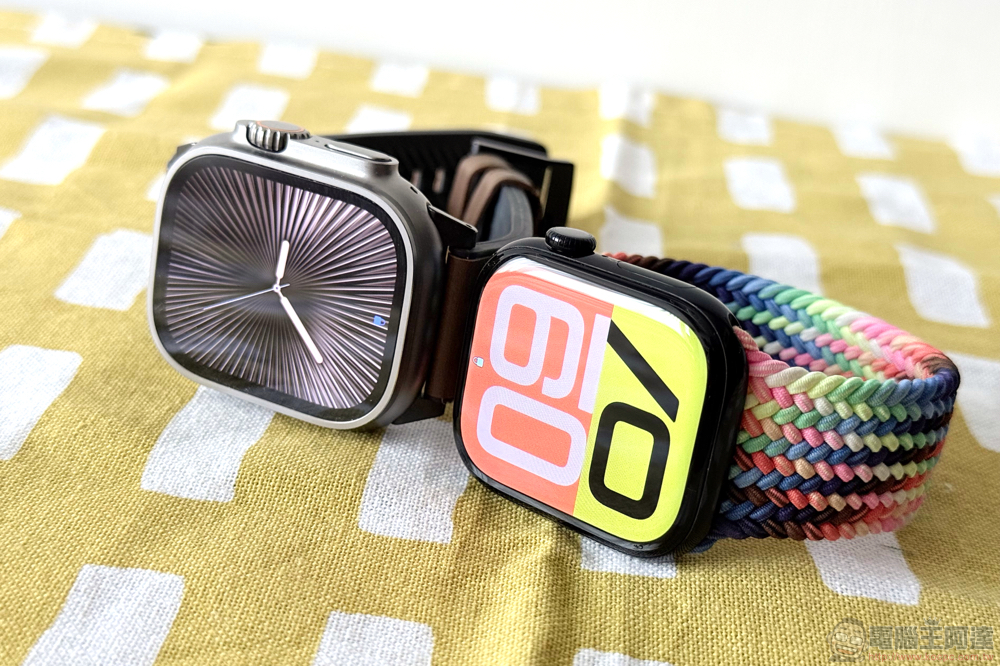
On the demand side, calls for a round Apple Watch have persisted. Some users prefer the circular aesthetics of traditional watch faces, feeling that a rectangular case feels too tech-oriented or lacks the quintessential “watch” look. For these users, a round Apple Watch is not just a design option—it’s an extension of their emotions and personal taste.
There are currently no signs that a round Apple Watch is on the horizon, but Apple’s willingness to discuss this direction internally suggests the wearable product line may be entering a new phase of reconsideration. If Apple ultimately opts for a circular display, watchOS will inevitably undergo a major interface overhaul, and how the company tackles the various challenges of a round UI will become the most anticipated focus for observers.
Source: KOCPC Chinese