


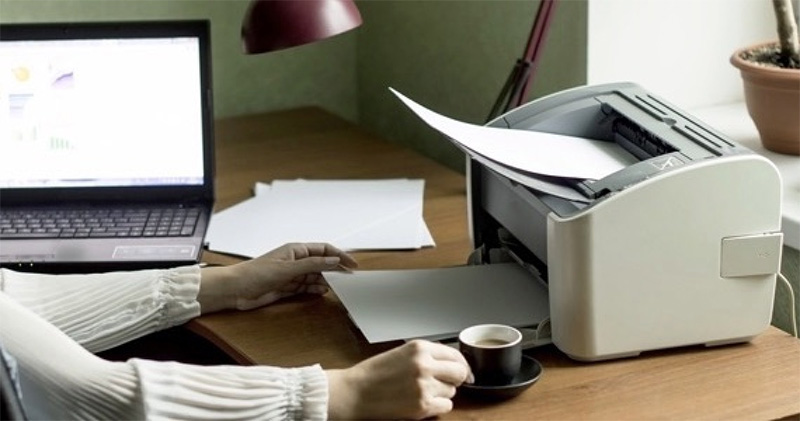
If you’ve ever wondered why the USB-B connector never became as widespread as the long-standing USB-A or the modern USB-C, you’re not alone—and the real reason isn’t as straightforward as it might seem. In fact, many people don’t even know USB-B exists until they come across it. This isn’t because USB-B is unimportant, but rather because it was never designed for everyday consumer devices in the first place. USB-B’s primary uses are concentrated in professional and semi-professional fields such as printers, scanners, audio interfaces, and external storage devices. Due to its larger size compared to USB-A, it naturally couldn’t be used in devices that are extremely space-sensitive, such as laptops or smartphones.
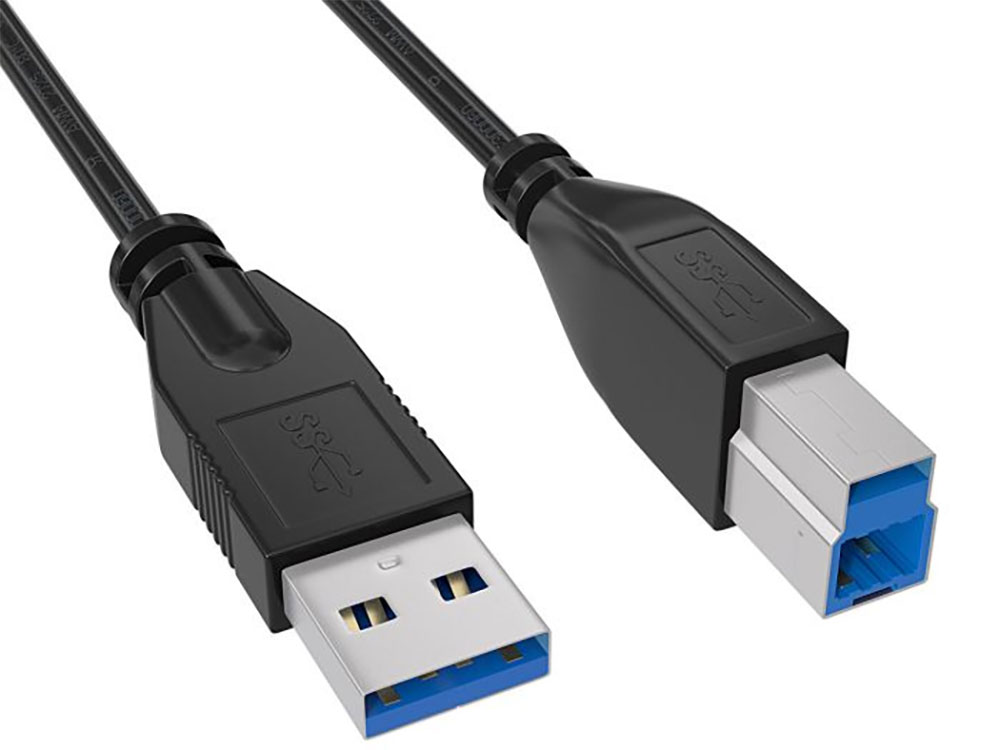
Why is the USB-B interface not as widespread as USB-A or USB-C?
What’s more interesting is that USB-B is mostly the type you “plug in and never touch again.” It doesn’t require frequent plugging and unplugging like USB-A, nor is it used across a wide range of mobile devices like USB-C. For most people, USB-B ports are usually tucked away behind printers or at the bottom of audio interfaces—once connected, they work silently for years. Precisely because it stays in a “hidden” state for so long, people tend to overlook its existence, not because it’s impractical.
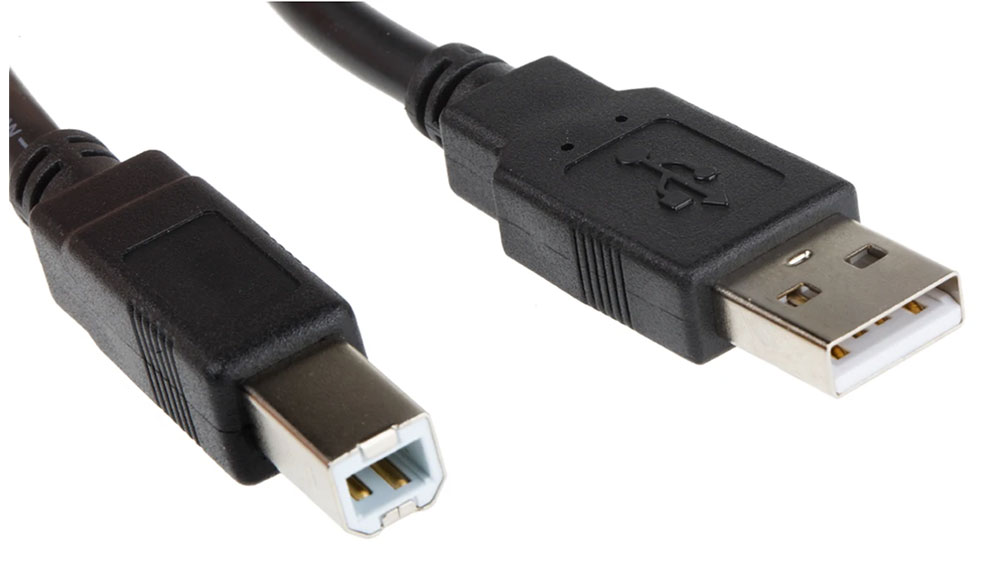
From a historical perspective, comparing USB-B with USB-A or USB-C isn’t really fair. USB-A isn’t a competitor to USB-B—the two were actually designed to be introduced simultaneously and used in tandem. In January 1996, USB-A and USB-B debuted together, with USB-A serving as the host-side connector for devices like computers, and USB-B as the peripheral-side connector for devices like printers or audio equipment. Having different connectors on each end of the cable was meant to prevent users from plugging things in the wrong way, and it also made the division of roles between host and peripheral clearer. As for USB-C, it arrived 18 years later as an entirely new standard, with a completely different positioning from USB-B.
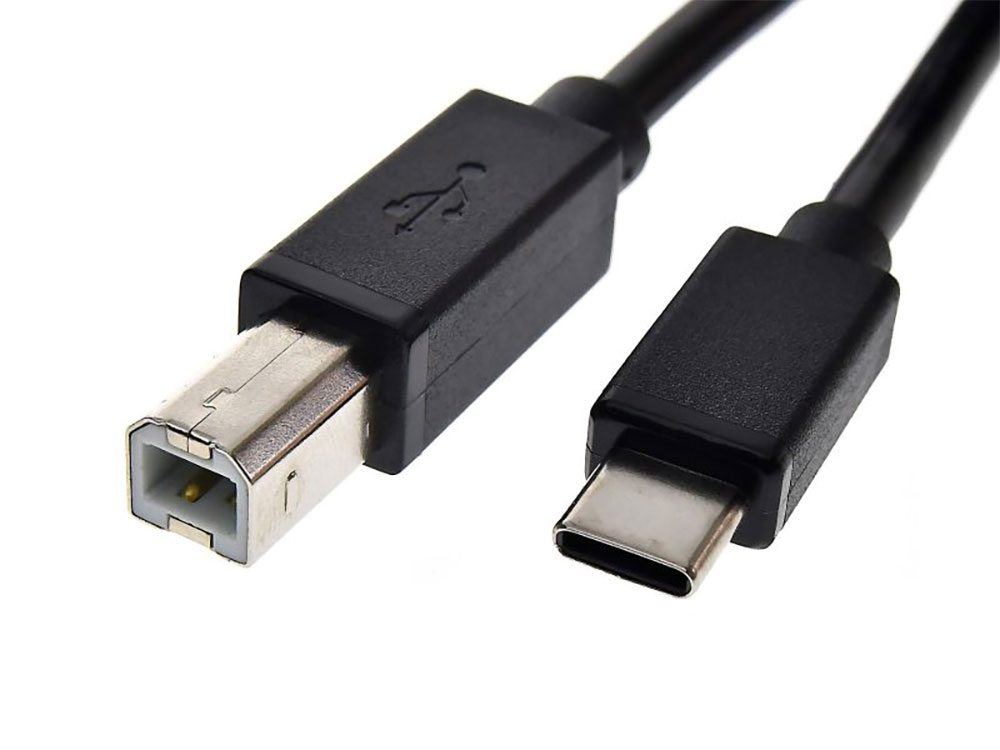
On modern laptops or phones, you’d be hard-pressed to find a traditional USB-B port anymore. Even USB-A is being phased out in favor of USB-C, and the reason is simple: USB-C is thinner, smaller, supports higher power delivery and faster transfer speeds, and features a reversible design that makes the user experience far superior to older interfaces. However, what many people fail to realize is that over the past decade or more, they’ve actually been using USB-B all along—just in a different form.
The micro-USB you’ve used on smartphones, Bluetooth speakers, and smartwatches is actually a miniature version of USB-B. Micro-USB Type-B was introduced in 2007, and with its small size and low cost, it was ideal for mobile devices. Before it, there was mini-USB Type-B, released in 2000, which briefly appeared on early phones but never truly caught on. Around the same time, mini-A and micro-A also existed, but their use was even more limited. Until USB-C became mainstream, micro-USB Type-B was the interface most people used every day—it’s just that everyone called it “micro-USB” rather than recognizing it as a type of USB-B, so it was never seen as an extension of USB-B.
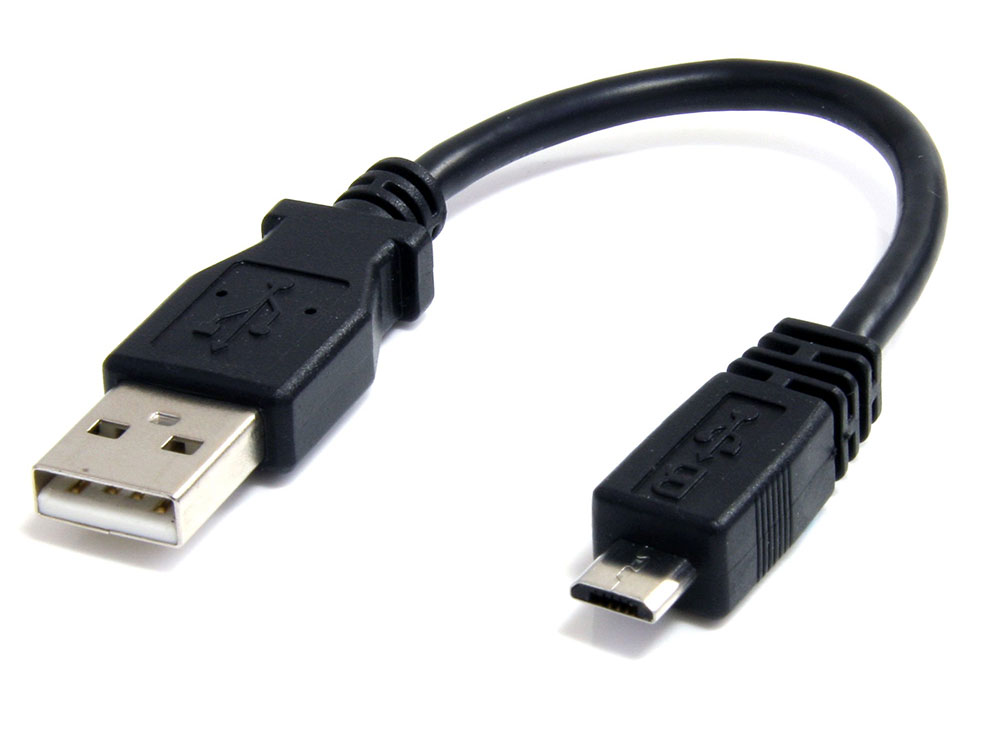
Even today, you can still see USB-B on many devices, especially printers and various office equipment. They are unlikely to make a full switch to USB-C anytime soon. The reason is practical: switching to USB-C would require redesigning the mechanical structure and adjusting production processes, which naturally raises costs; and since these devices are already larger in size, there’s no need to pursue a smaller port. USB-B may eventually bow out, but at least for the foreseeable future, it will continue to quietly persist in certain areas.
Source: KOCPC Chinese