


Google recently showcased a new experimental AI project aimed at helping people overcome language barriers even without an internet connection. This prototype device, named “Gemma Translator,” was developed by Google in collaboration with Antigravity, and is built around Google’s lightweight open-source model, Gemma 4 E2B, with fully offline operation as its standout feature. Unlike typical AI translation tools that rely on cloud computing, Gemma Translator handles all speech processing, language understanding, and translation tasks locally on the device, allowing users to work without needing an internet connection and without sending voice data to remote servers.
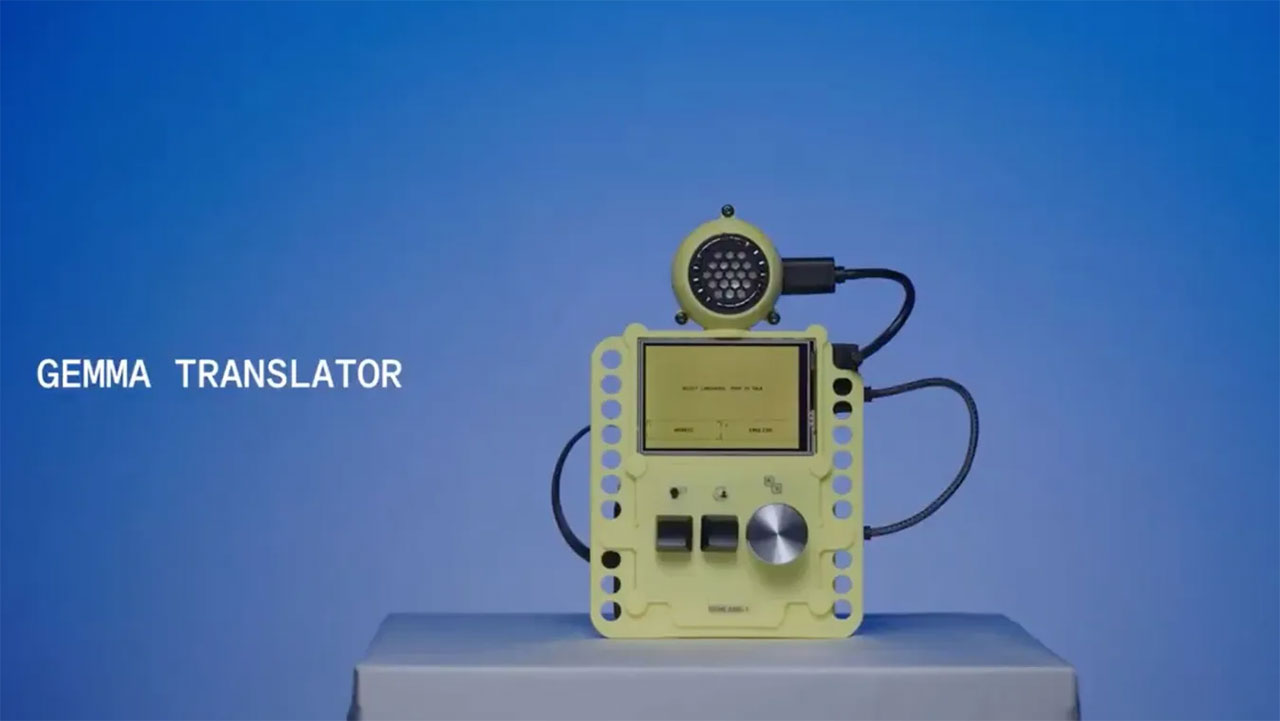
Google and Antigravity have collaborated to develop an AI translator that works without an internet connection.
The hardware foundation of this prototype is a Raspberry Pi 5, paired with built-in microphone and speaker, and wrapped in a custom 3D-printed shell, forming a lightweight, standalone translator that is almost portable. In the demonstration, Google showed how it performs speech recognition and two-way translation directly on the device, with no network connection needed throughout the process. This is not just a result of hardware integration; it also symbolizes that AI models have been streamlined enough to run smoothly on low-power, low-cost devices.
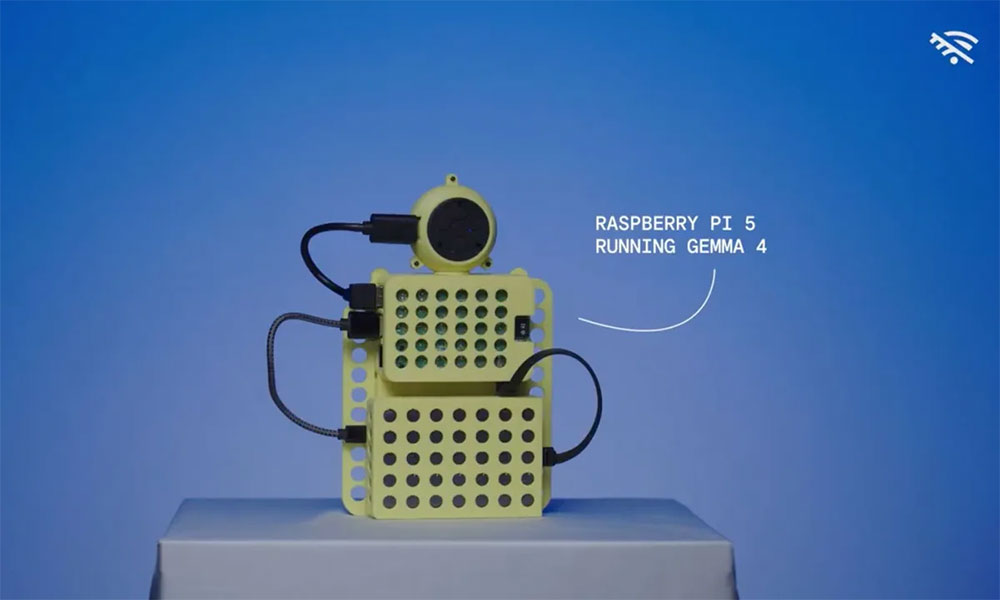
The emergence of Gemma Translator highlights several clear advantages of on-device AI. First, it is well suited for travelers in environments with unstable or even no network signal, such as remote areas, underground transit facilities, or during international travel. Second, for businesses, healthcare institutions, or government agencies that handle sensitive information, offline operation means voice data never leaves the device, significantly reducing privacy risks. Furthermore, on-device processing reduces latency, making conversational translation more natural and avoiding awkward pauses caused by network delays.
Meet the Gemma Translator! A fully offline device powered by Gemma 4 E2B built with @Antigravity.
Running entirely on a Raspberry Pi 5 with a connected microphone and speaker, this highly portable prototype is housed inside a custom, 3D-printed case. pic.twitter.com/GhqlLC1RuE
— Google Gemma (@googlegemma) August 6, 2026
Although Google has not yet positioned this technology as an upcoming product, Gemma Translator is more of a demonstration of technical capability, proving that lightweight AI models can already accomplish on affordable hardware what previously required data centers. It symbolizes a possible future: AI assistants no longer need powerful cloud infrastructure, but can exist in everyday life as small devices.
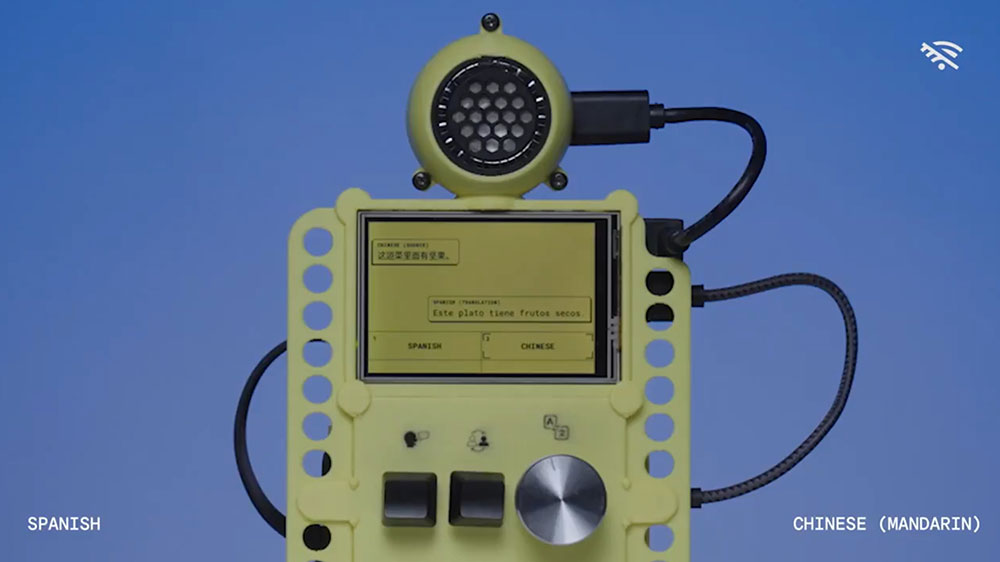
As open models continue to shrink in size and improve in performance, the use cases for such devices have become more diverse. In the future, they could become standard gear for travelers, or assistive tools for language learners. They might also enter classrooms to support cross-language teaching, and could even be integrated into disaster relief equipment, providing real-time communication in environments where internet connectivity cannot be guaranteed. Google’s prototype demonstration this time reminds us that AI innovation is gradually moving from the cloud to the edge, compressed into small devices that can be used anywhere.
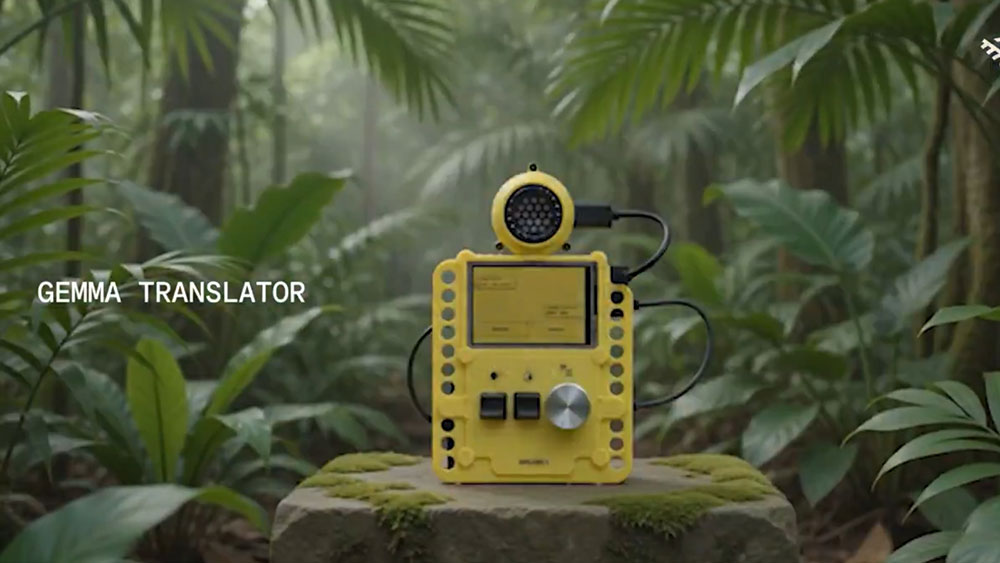
Although Gemma Translator is still a prototype, it clearly depicts the next direction of AI: lighter, faster, more private, and closer to users’ real needs.
Source: KOCPC Chinese