


OpenAI has been steadily pushing ChatGPT to evolve from a “chat tool” into an “application platform,” aiming to let developers bring their services directly to over a billion users. At the end of 2025, ChatGPT introduced a new-generation application framework for the first time, allowing users to operate third-party apps directly within the chat interface. That same year, Adobe was among the first to respond, bringing tools such as Photoshop, Adobe Express, and Acrobat into ChatGPT, so image editing and document processing can be completed within conversations.
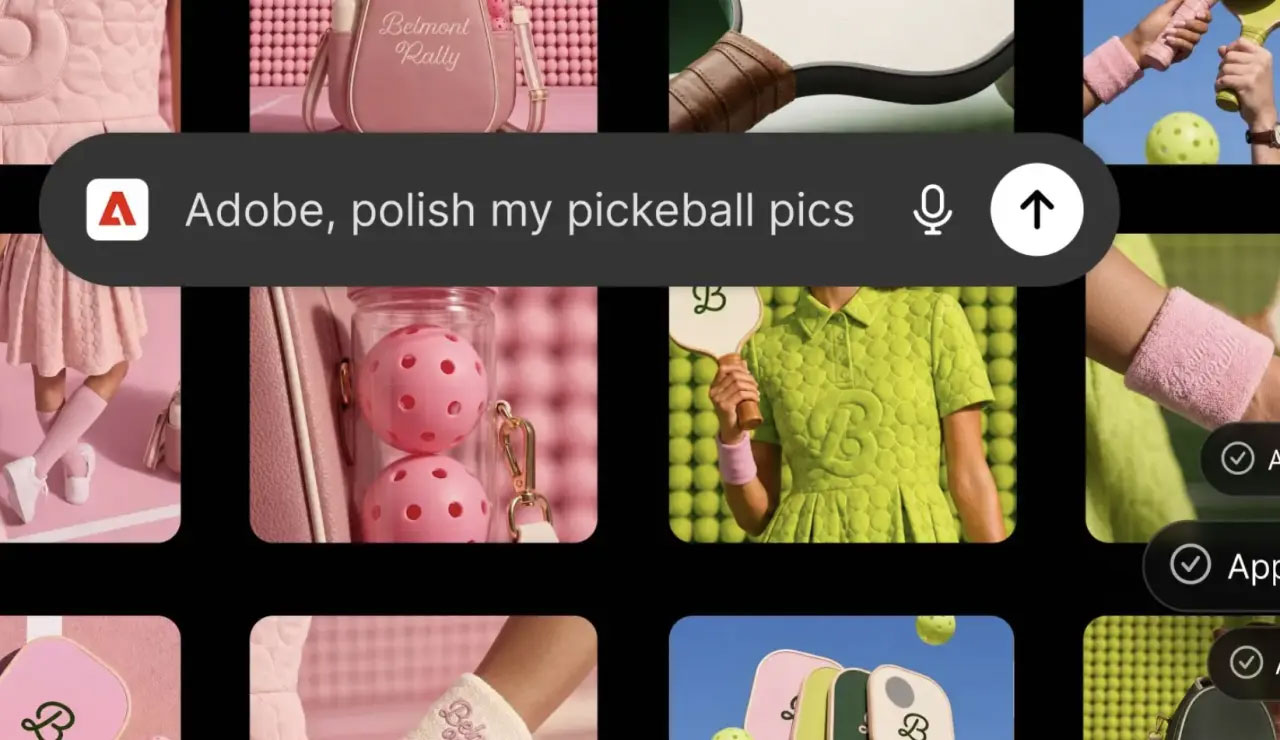
Adobe launches a unified plugin for ChatGPT, integrating 70 creative and productivity tools into it.
Now, Adobe is once again expanding its integration efforts with the launch of a brand-new unified version. Adobe for ChatGPT Plug-in, integrating its more than 70 creative and productivity tools into a single entry point. This means users no longer need to specify Photoshop, Premiere, or Illustrator one by one; instead, they can simply type “@Adobe” in chat, describe what they want to do, and the system will automatically select the most suitable combination of tools and complete the tasks in the background.
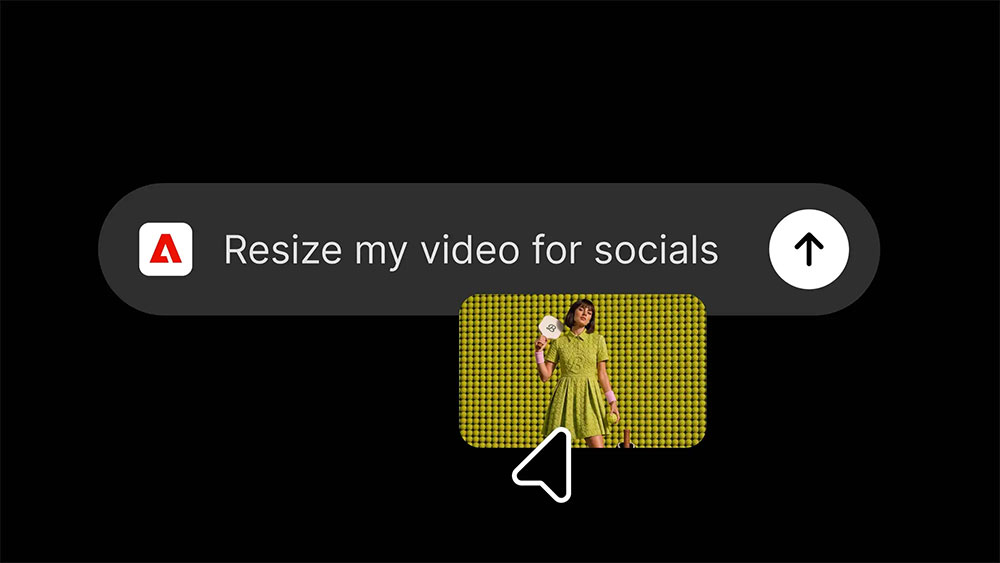
This new plugin covers Adobe’s core product line, including Photoshop, Lightroom, Firefly, Premiere, Acrobat, Illustrator, InDesign, Adobe Express, and Adobe Stock. More importantly, it can be used in ChatGPT’s general chat interface, ChatGPT Work, and Codex, meaning that whether you’re a regular user, an enterprise team, or a developer, you can directly call on Adobe’s capabilities within your own workflow.
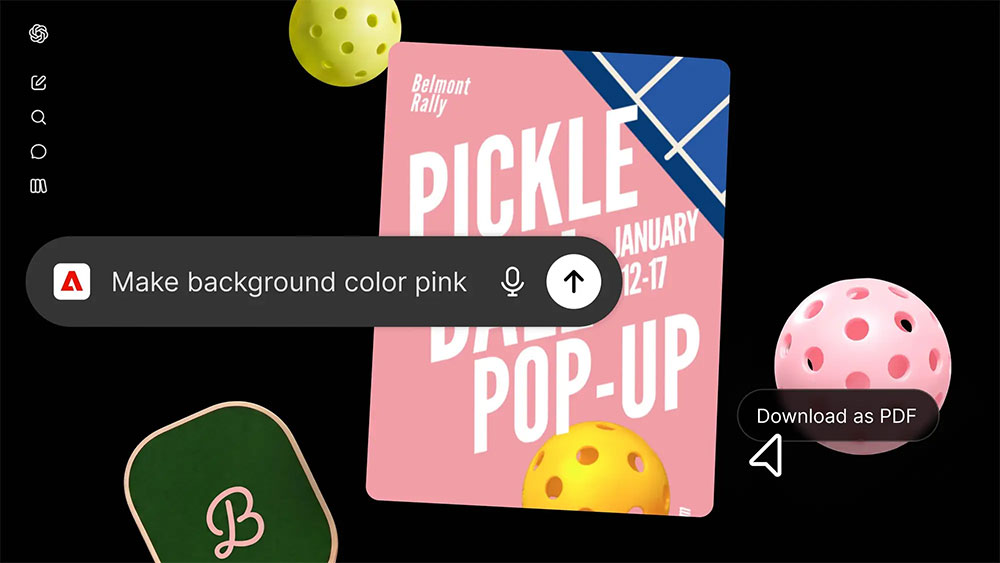
The integrated usage has become more intuitive. In the past, users had to explicitly mention Photoshop in chat to edit photos, or specify Acrobat to handle PDFs. Now, all Adobe tools are abstracted into a unified capability layer—you just describe what you need. For example, users can upload multiple photos at once and ask Adobe to apply consistent color grading, lighting, and style; or automatically convert a long video into short clips suitable for YouTube Shorts or Instagram Reels; or even generate polished PDFs, design badges, produce product catalogs, or create promotional flyers right in the chat.
If users are not satisfied with the initial output, they can also open the work directly in local Adobe applications for more detailed editing, making ChatGPT the “entry point” of the creative process, while Adobe’s desktop tools handle the final polish.
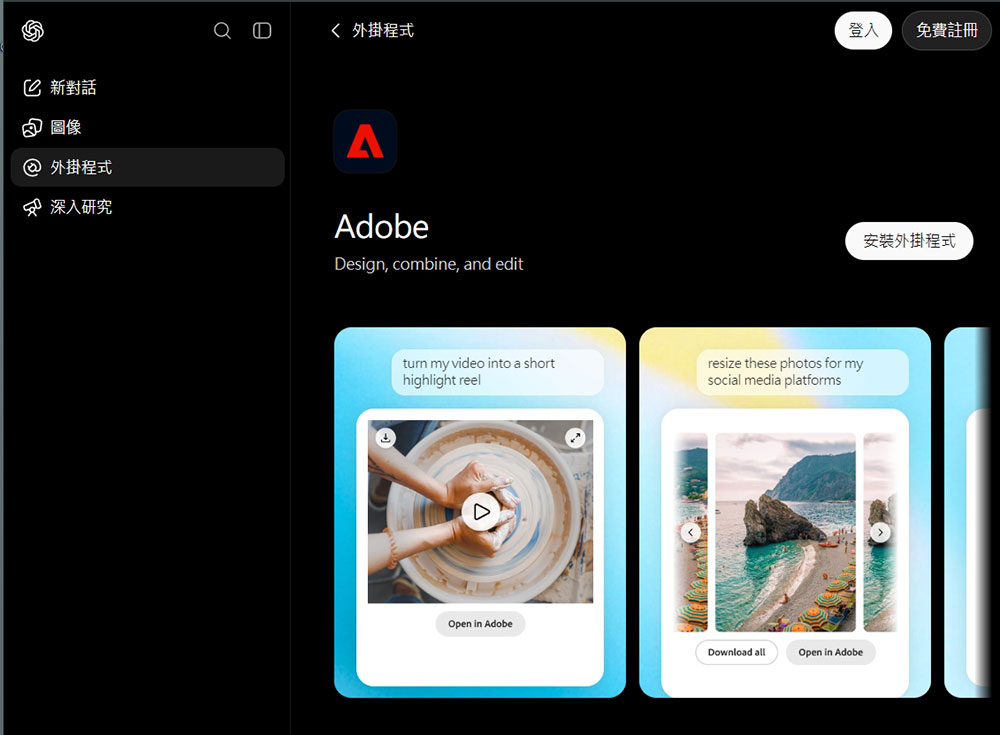
Notably, this integration can be used even without an Adobe account, but logging in with an Adobe account unlocks more features, including generative AI, access to Creative Cloud files, cloud storage, and advanced capabilities such as persistent editing across sessions. Some features remain limited to paid plans, which is consistent with Adobe’s usual subscription strategy.
This brand-new Adobe for ChatGPT plugin is now officially available worldwide starting today, supporting both the web and desktop versions of ChatGPT. For creators, marketers, business teams, and even everyday users, this signals a new way of working taking shape—where creation in the future no longer begins with tools, but with a single sentence, as AI automatically selects and coordinates all the applications running behind the scenes.
Source: KOCPC Chinese