


“Mono” and “Stereo” are two common options you’ll find in applications and speaker systems that generate audio in different ways. At the most basic level, mono vs. stereo refers to having one or two channels of audio, but the difference between the two options can be significant, and stereo isn’t always the best choice. Here we tell you the difference between the two, and when each is appropriate to use.

What is the difference between mono and stereo? When is it suitable to use?
Definition of mono and stereo
Mono has a single channel of audio so that each speaker plays exactly the same audio regardless of how many speakers are involved. It was simple and straightforward, and for many years it was people’s only choice. After all, the first phonograph had only one audio channel.
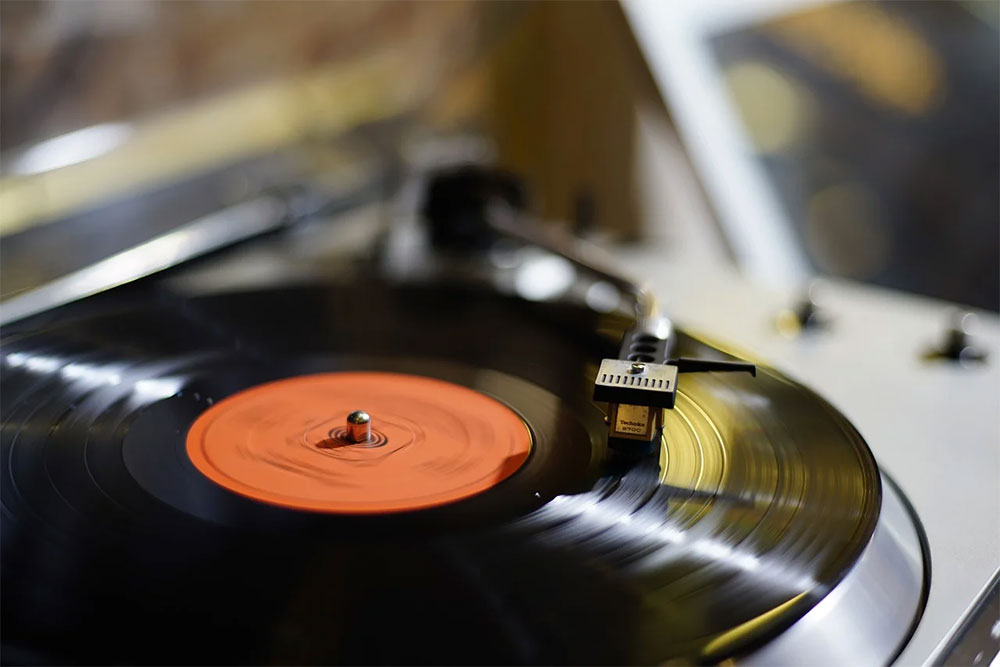
Stereo sound consists of two channels: left channel and right channel. Usually, each channel is heard by the left ear and the right ear respectively. While stereo records have been around since the 1930s, stereo vinyl didn’t become mainstream until the late 1950s, and the 1960s, 1970s, and 1980s were the golden age of stereo vinyl.
What stereo can do that mono can’t
The whole point of stereo audio is that it can paint an immersive soundscape, allowing recording artists to tap into the natural human stereo perception. While we can hear more directionality than stereo, it probably represents the biggest leap in immersion from one to two audio channels.
Stereo audio allows audio to be “panned” from left to right, or to place different audio sources at different locations on the sound field in front of you. While stereo doesn’t make it sound like something is behind or above you, it does a great job of immersing you in what’s in front of you. There are some neat tricks you can do with stereo headphones or audio tricks to simulate surround sound using just two speakers, but it doesn’t compare to having five or seven speakers around you.
Mono audio can have as many audio layers as stereo, but with only one channel, which separates the layers into a soundscape that sounds flat in comparison.

Stereo is almost always the right choice
When choosing between stereo or mono, for most people, stereo is the right choice most of the time. Music is almost always recorded in stereo and is intended to be listened to that way. Modern movies and TV shows are at least stereophonic, and stereo speaker layouts are standard on TVs and sound bars. So unless you have equipment and content with more channels, you can stick with one-to-two stereo.
Mono audio still has a lot of use
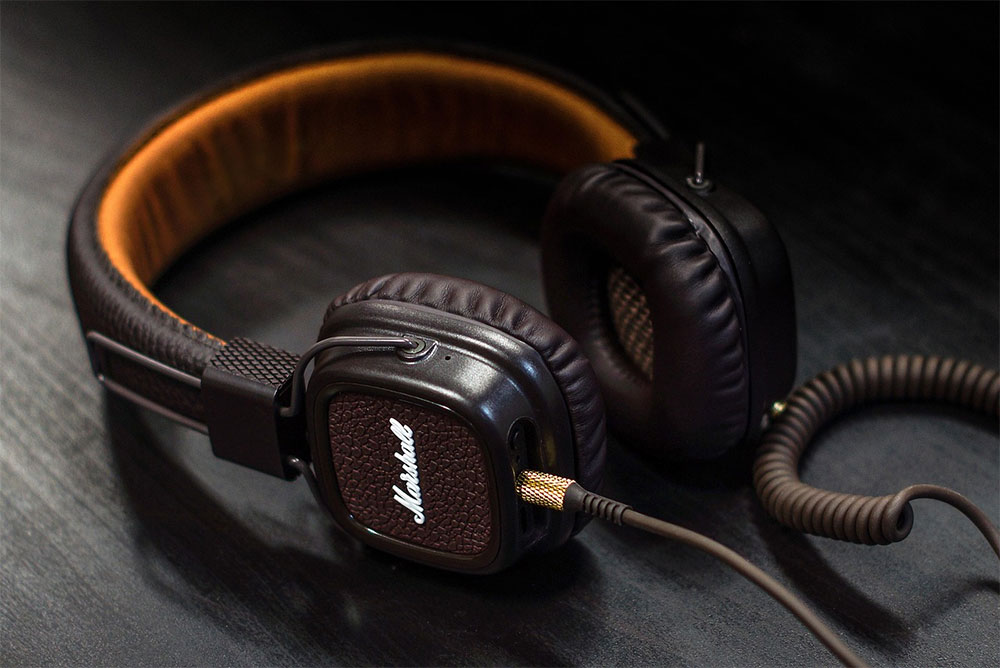
However, this does not mean that mono audio is useless. Mono audio implementations are everywhere around you. When you make a phone call, you are listening to mono audio; public address systems also use mono audio. Many Bluetooth speakers have only a single speaker, thus compressing the audio into a single channel.
The same goes for smart home speakers. If you’re using multiple speakers simultaneously to spread music throughout your home or large room, playing in mono makes sense because the directionality of the audio is lost anyway. Opting for mono audio is also helpful when you only want to use a single earbud, which is more common with true wireless Bluetooth headphones. There’s also an accessibility aspect to mono audio, for people with hearing loss in one ear, switching to mono means no dialogue is missed and all the instruments in the music can be heard.

Nowadays, stereo audio is the standard and it still sounds great while providing a good balance between equipment cost and complexity, but mono audio will always have its place and what really matters is using the right tool in the right environment.
Source: KOCPC Chinese