


Apple is known for its “what works” philosophy, with a broad range of products that behave intuitively with each other and in line with user expectations. This execution relies heavily on the company’s tight-knit ecosystem, where iOS 17 and macOS Sonoma operate as a unit through system-level interoperability. Therefore, once users get started and get used to using the company’s hardware, software and services, they may find it difficult to get out. To find out why leaving the Apple ecosystem can be challenging, I’ll break down the various elements that attract users while discussing how to minimize the ecosystem’s impact on your digital life.
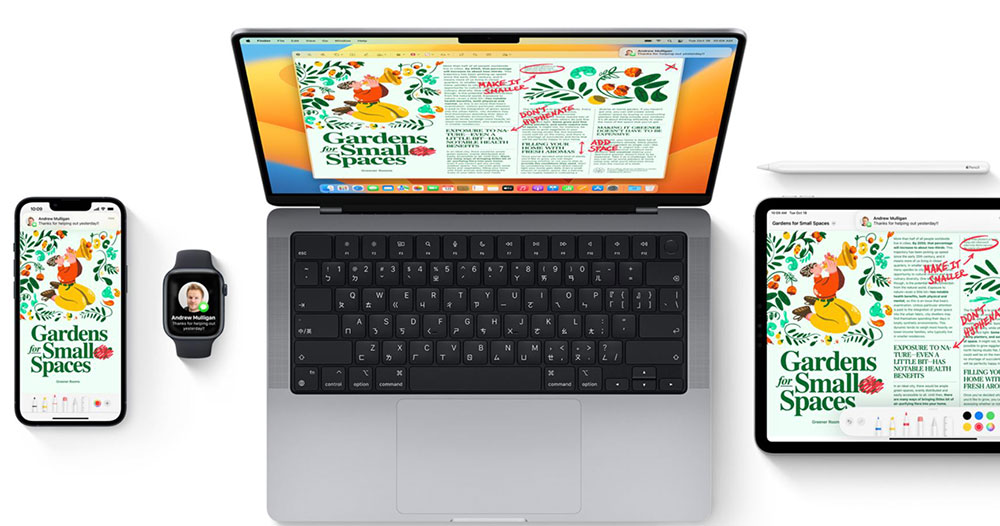
Why is it so hard to leave the Apple ecosystem once you’re in it?
What is the Apple ecosystem?
The Apple ecosystem is a double-edged sword. By definition, the Apple ecosystem refers to the underlying systems that connect Apple’s latest iPhones, iPads, Macs, Watches and other devices. The ecosystem includes continuity and switching features that allow users to rely on multiple Apple devices as one entity, not to mention services supported by all Apple operating systems. The end result is products that offer a seamless experience that often excludes third-party devices, thereby locking you into an ecosystem that only allows you to use Apple devices.
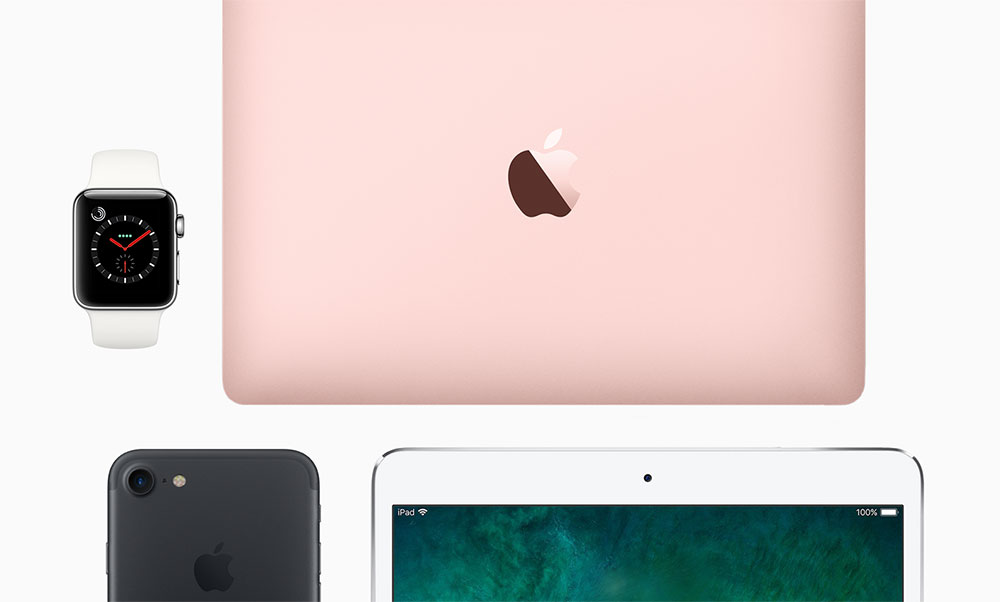
How are people attracted to Apple’s ecosystem?
Many people start their journey into Apple with the iPhone, and you quickly get used to its UI/UX. However, iOS doesn’t play well with Windows devices, prompting users to purchase separate Mac computers for a superior experience and improved integration. As the iPhone provides an exclusive system for Apple Music, gradually you decide to give up Spotify. This is how I fell into the Apple ecosystem step by step.
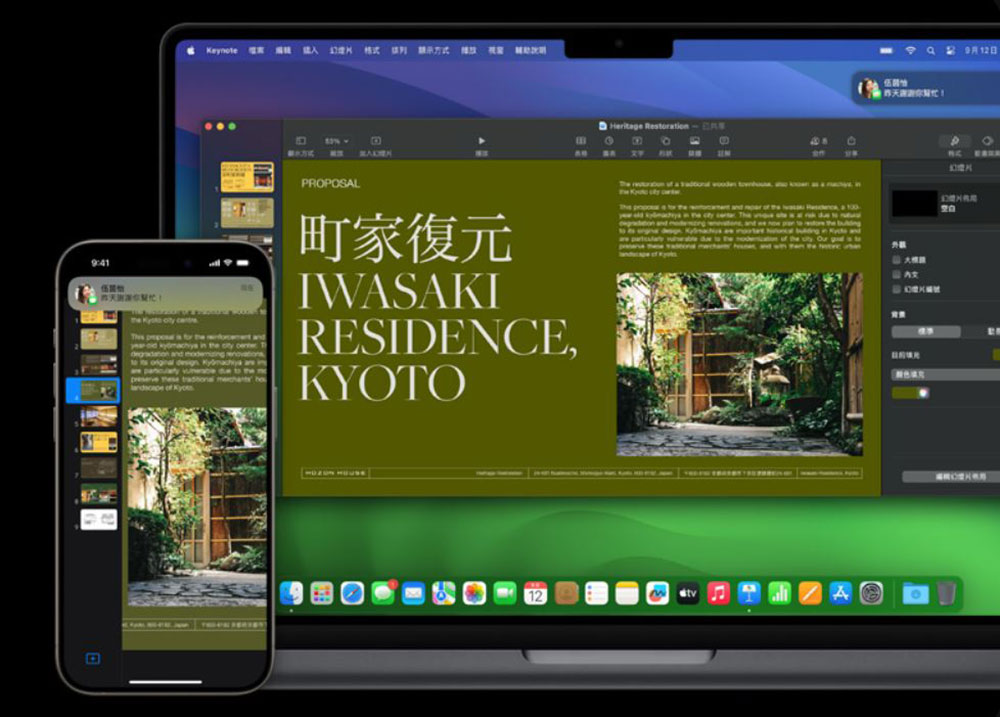
Apple drives adoption of its solutions by introducing special benefits that third parties cannot offer. These include ad banners in the Settings app and elsewhere in its subscription services, default apps that users cannot change, automatic background sync of iCloud data, and more. Many users end up adopting what is on offer due to the associated convenience and added benefits. When you choose your next product or service, you will naturally want to stay in the Apple ecosystem because you don’t want to lose these benefits and bonuses.
Breaking through: The biggest obstacles and worries
Digital Purchases and Platform Exclusives
Apple users decide to stick with the platform not just because the hardware works together, but also because of the app library. Since App Store authorization is incompatible with Play Store and Microsoft Store, users will have to re-purchase premium apps if they switch systems. Not to mention that other content purchased from Apple’s online store, such as e-books, movies, and music albums, may not be easily accessible on non-Apple platforms, if at all.
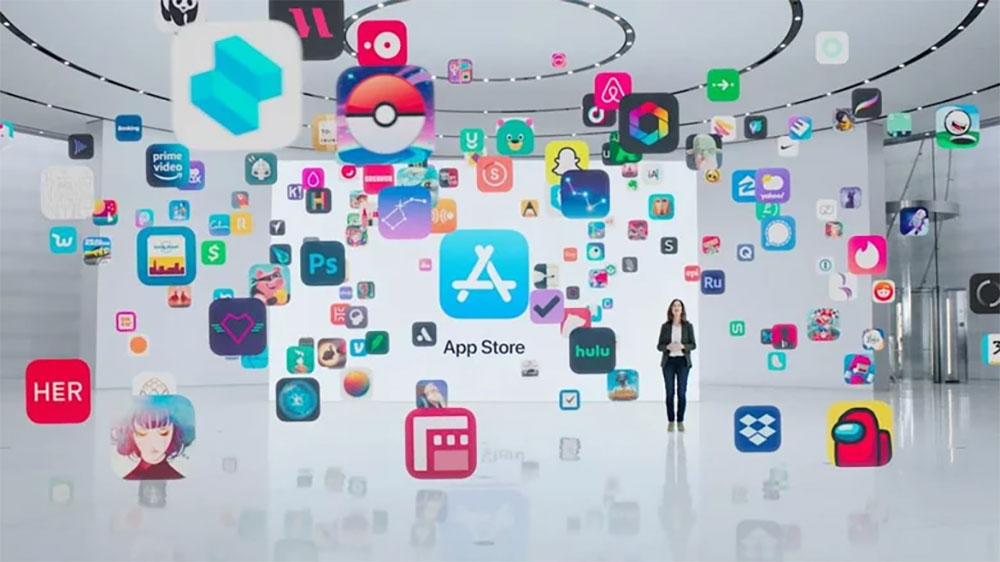
Another legitimate concern is the exclusivity of Apple’s platform. Many developers, especially independent developers, will only release their applications on Apple operating systems. After all, because the applications can adopt common specifications, the company makes the coding process for all its extended operating systems relatively simple. Porting these applications to Android or Windows will require a huge effort, and many independent developers cannot guarantee that the investment and income will be sufficient. Therefore, those who rely on a specific app may find it challenging to switch to another platform.
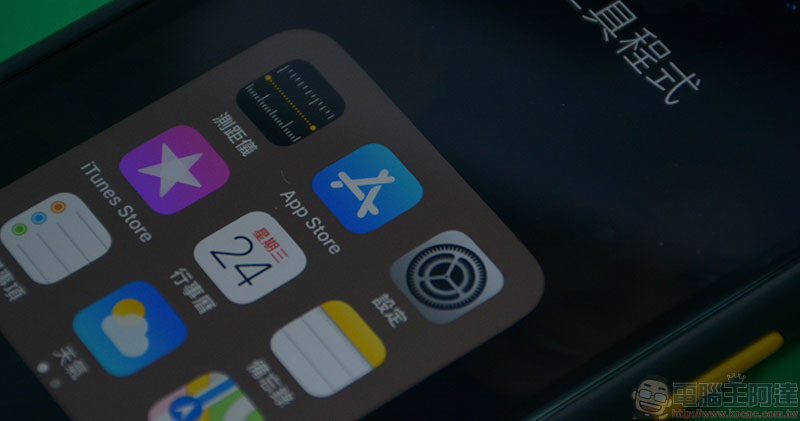
Fortunately, many developers and publishers have moved to a subscription model, so users have fewer premium apps and digital content that they have to pay for once. Instead, they pay a monthly fee to access music, TV series, and app premium features. This makes switching to other platforms easier to manage, as these subscriptions are generally available on all major platforms. Therefore, if you have just started using Apple products recently and are not loyal enough to only use Apple services or products, you can rely on these cross-platform services to ensure that there will be no such obstacles when you try to switch or use other system products.
Communication applications and protocols
Another major hurdle Apple users face when trying to exit the platform is communication. This problem is particularly prevalent in the United States, where iMessage and FaceTime are considered the default communication methods, and although third-party messaging apps exist, many people are uncomfortable with the idea of installing and using them. Not to mention other similar protocols like AirDrop, Find My Friends, Home Sharing, Shared Albums in Photos, Collaboration API, and more.
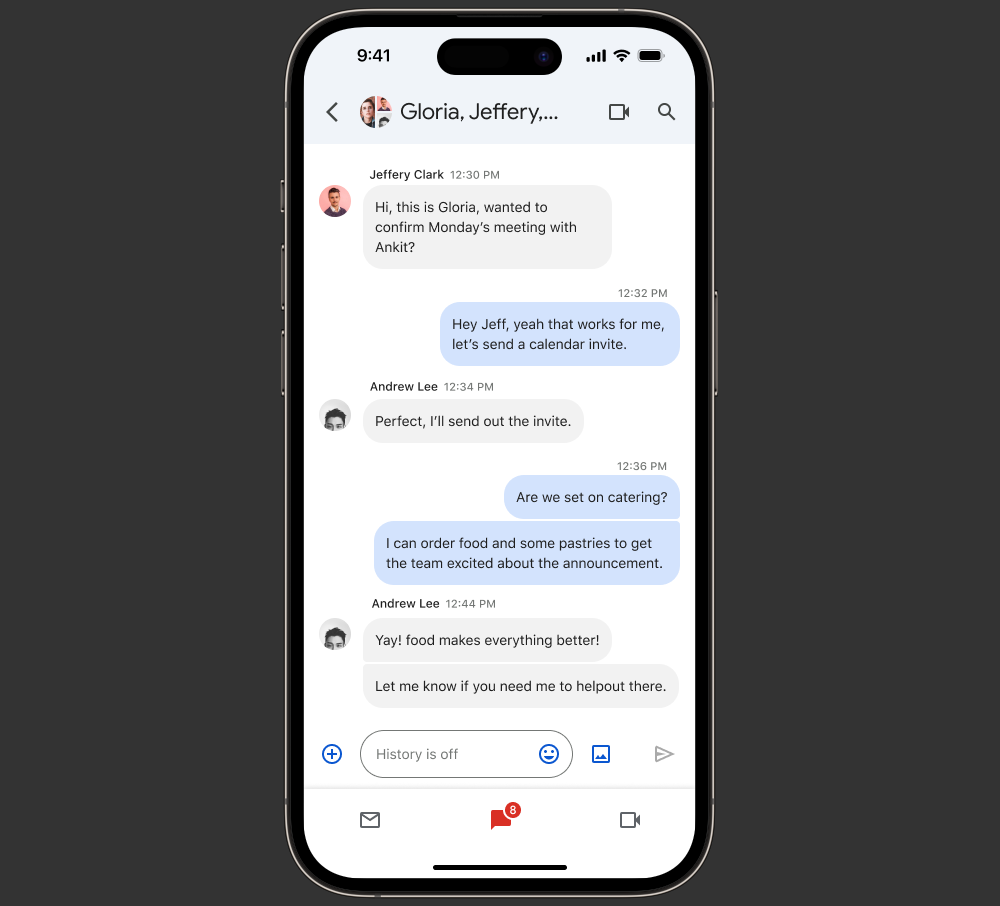
If you’re new to using Apple devices and plan to switch again in the future, just stick with the cross-platform apps and services you’ve been using on Android and Windows, like the likes of Telegram. While Apple’s tools work better on its devices, they greatly increase the likelihood that you’ll be stuck in the Apple ecosystem. However, the upcoming RCS support on iOS will definitely help bridge this gap between different systems.
Profile and profile compatibility
Moving your personal data can be a challenge when switching to a different platform, but thankfully Apple allows you to export iCloud data. However, you may need to convert some unique file types to commonly supported formats for Android and Windows. For example, you have to convert PAGES files to DOC etc.
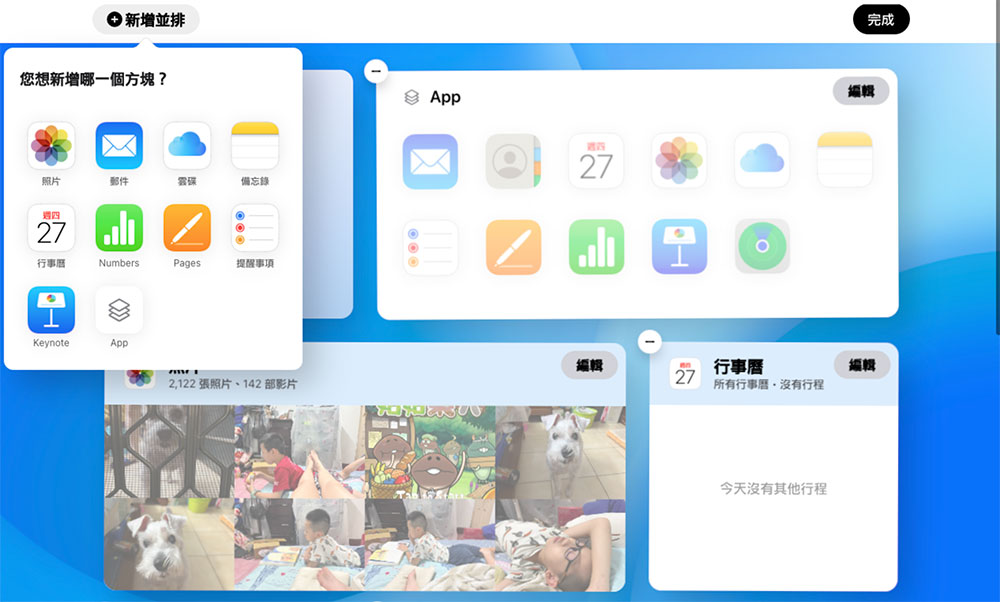
If you’re new to the Apple ecosystem and are likely to switch in the future, you can just as well rely on cross-platform solutions from the get-go. Google offers arguably the best collection of cross-platform apps, letting you store photos, documents, contacts, calendars, and more in apps for nearly every platform. In this case, switching to a different Google Account will restore the data. While iCloud data syncing is more objective on Apple operating systems, it doesn’t offer a native Android solution, and its Windows app isn’t as intuitive to use as it is on Apple devices.
Apple Watch, HomePod, and other accessories
The limitations of the Apple ecosystem extend beyond software. Some devices require you to have an iPhone to set up, such as Apple Watch, HomePods, and AirTags. If you don’t plan on using Apple long-term, consider purchasing third-party smartwatches, smart speakers, and location trackers. For most users, Apple Watch is definitely one of the best smart watches, but it cannot be used with Android phones at all, so you need to buy different wearable devices and smart speakers in response to changing your phone. Although the functions of accessories from third-party manufacturers may not be as good as those from Apple, they still save money.
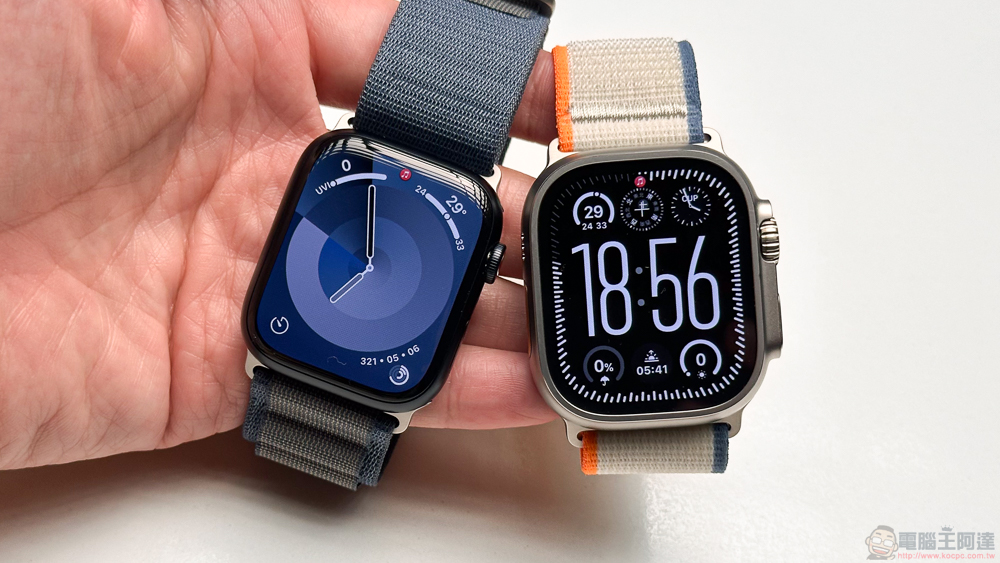
Not to mention that many Apple accessories rely on unique connectors, such as Lightning and MagSafe. Therefore, switching to a different device brand after many years of use may mean investing in many new accessories, and there is no easier way in this regard than to resell and buy new peripherals.
Muscle memory and overall intuition
Finally, abandoning the Apple ecosystem means losing the continuity and switching capabilities of connecting these devices. For example, I’m used to copying and pasting from my iPhone to my Mac and using my Apple Watch to control my Apple TV. Switching to Android and/or Windows requires retraining muscle memory and potentially switching to more complex alternatives that are less intuitive to use.
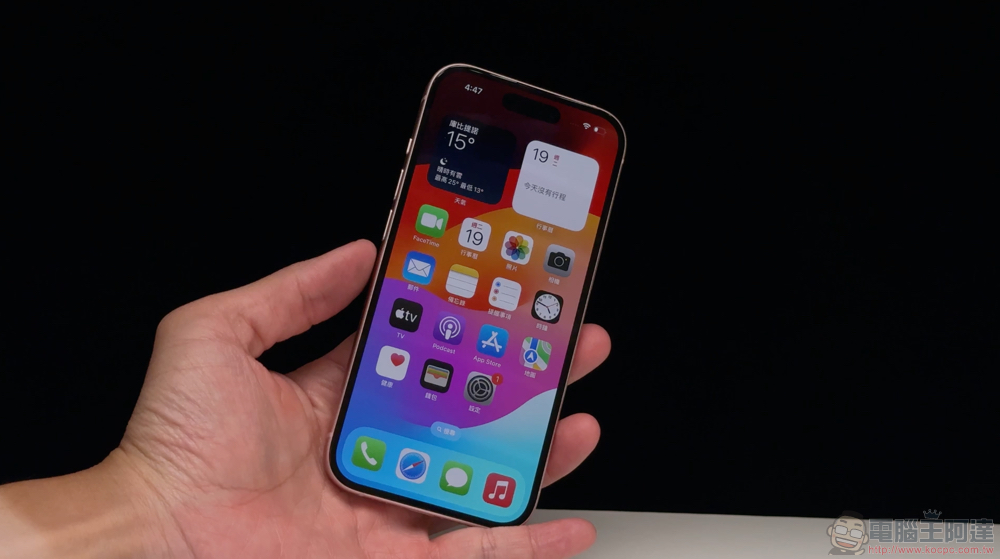
When troubleshooting friends’ non-Apple units, I often try to use continuity features, only to find that they don’t exist elsewhere. To do this, you’ll need to get used to the different controls available on other operating systems, and may need to resort to third-party apps that enable a similar experience.
Written at the end…
The Apple ecosystem focuses on retaining users. Getting started is easy and can even be pushed to users in some ways, while trying to disable certain ecosystem-related features may require multi-step confirmation. It’s a one-way road to a digital utopia, where everything works and the convenience does feel good.
However, all this good comes to an abrupt end when you try to break away from Apple and look elsewhere. Therefore, as long as you are willing to be a loyal fan of Apple and accept the entire software, hardware, and service package, the experience will be almost perfect; if you decide to diversify and choose to mix and match various platforms, your workflow will not be so smooth. In this case, just avoid using too many apps and services that are exclusive to Apple and opt for a cross-platform solution that doesn’t tie you to a single brand.
Source: KOCPC Chinese