


LCD TVs, found in every modern household, rely on LED backlighting in principle to produce the visual effects you see on the screen. However, the image quality and price of items on the market vary widely, and also vary depending on the type of backlight system. So, what are these backlight systems? This time we focus on the three types of edge-lit, direct-lit and full-array devices that are widely used in the market, and let you know the differences between them one by one.
What are the differences between edge-lit, direct-lit, and full-array TV backlights?
LED backlight in LCD TV
LCD TVs can be divided into three categories based on the type of LED backlight system: direct, edge-lit, and full-array. As the name suggests, direct-lit TVs place LEDs directly behind the LCD panel. Full array TVs have a similar LED layout, but there are significantly more LEDs, and the LEDs are divided into different zones. But unlike direct-lit TVs and full-array TVs, edge-lit TVs have LEDs around them, and depending on the TV, these LEDs may be divided into multiple zones.
LED backlight areas in full-array and edge-lit TVs are important because they enable manufacturers to implement a feature called “local dimming,” which allows the TV to control the backlight on a scene-by-scene basis. As a result, the TV can turn off the LED backlight in areas of the screen that would otherwise be dark while keeping other areas lit, thereby creating deep, even blacks and better contrast than LCD TVs without local dimming.
Direct LED TV
Direct lighting is the newest of the three backlight types for LCD TVs. The first mass-produced direct-lit LCD TVs appeared around 2012 and were essentially derivatives of full-array TVs. Since direct-lit TVs require fewer LEDs and do not require backlight control, their production costs are lower than full-matrix TVs, so they are usually used in brand entry-level and mid-range products.
However, the smaller number of LEDs also means that they must be placed further from the screen to provide adequate light coverage across the entire panel, so direct-lit TVs are usually a bit thicker than TVs with other backlight systems. Additionally, the lack of backlight control limits the contrast ratio of direct-lit LCD TVs to the panel’s native contrast. A direct-lit TV will have reasonable contrast if it uses a VA-type LCD panel, but a TV with an IPS-type panel will have poor contrast.
Edge-lit LED TV
Edge-lit LED backlights were first used in TVs in 2008 and are thinner than LCD TVs with other backlight solutions. But because the LEDs are located at the edge of the screen, edge-lit TVs require a diffuser to fully illuminate the entire display, which also increases their cost, making them slightly more expensive than direct-lit TVs. But given that backlight is only a portion of the cost of an LCD TV, you will still see overrated and expensive edge-lit TVs on the market.
Some edge-lit TVs also support local dimming, but the number of backlight areas is usually much lower than on full-array TVs, and individual LEDs are responsible for illuminating the entire row of the screen. As a result, edge-lit local dimming is much less precise and the contrast advantage is minimal.
Full Array Backlight TV
Full array TVs have the best backlight configuration among LCD TVs. Not only do these TVs have a large number of LEDs, but the LEDs are also divided into zones for dynamic backlight control. Therefore, depending on the number of backlight areas and the implementation of local dimming, a full-array TV can have modest to excellent improvements over the original contrast ratio of an LCD panel. The increase in LED density has also increased the number of dimming areas, leading to significant improvements in successive generations of “mini-LED” TVs.
As a result, full-array TVs typically offer deep blacks and bright brightness, and are generally great for watching HDR content. Unfortunately, LCD TVs with full-array local dimming can also suffer from various screen artifacts, such as blooming and black spots, depending on the number of backlight areas and the overall local dimming method.
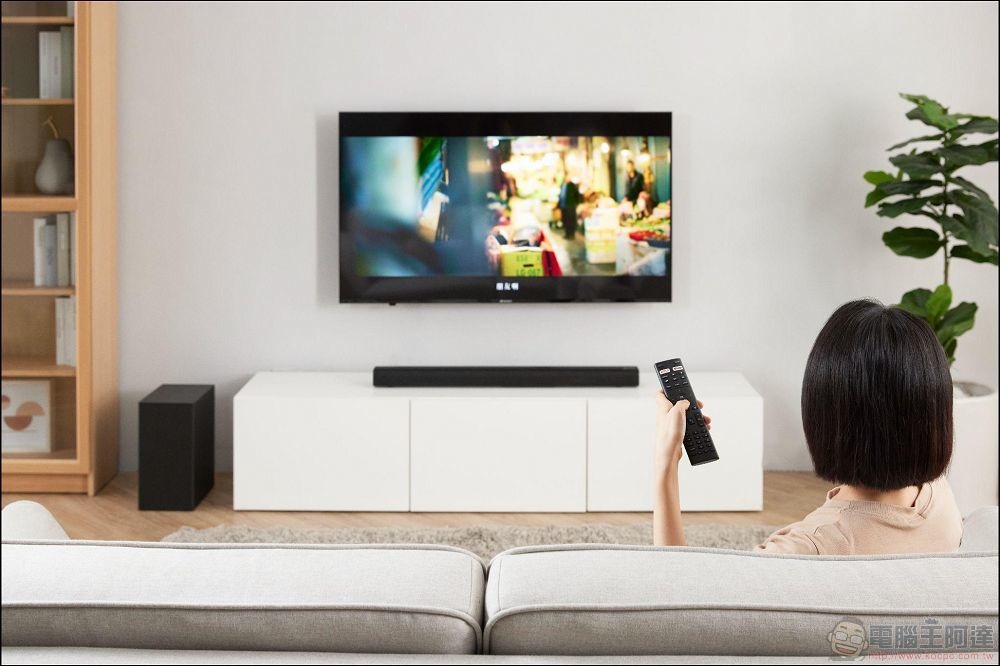
Edge-lit vs. direct-lit TVs: Which one is better?
Generally speaking, edge-lit TVs will provide better visual quality than direct-lit TVs. If you are worried about visual distortion, you should probably choose an edge-lit monitor. Most mid-range TVs you see online and in stores are edge-lit, but you should still confirm this before buying.
There are two main situations where you might want a direct-lit TV instead of an edge-lit TV:
- You want to buy a big TV for as little money as possible
- You just want a cheap TV
Since edge-lit TVs are a more “premium” technology, they do cost more than direct-lit TVs of the same size. Most of the relatively cheap, large 4K monitors you’ll see on sale are direct-lit, and almost all of the cheapest small TVs you’ll see will also be direct-lit. Ultimately, this is a good thing. Not every situation requires the slight advantage offered by an edge-lit display, in which case why not save some money? As we mentioned earlier, there are always quality differences between models and manufacturers, which makes the issue slightly more complicated here. A well-designed direct-lit TV is likely to look much better than a poorly-designed edge-lit TV, and there’s no clear way to know in advance whether this will happen.
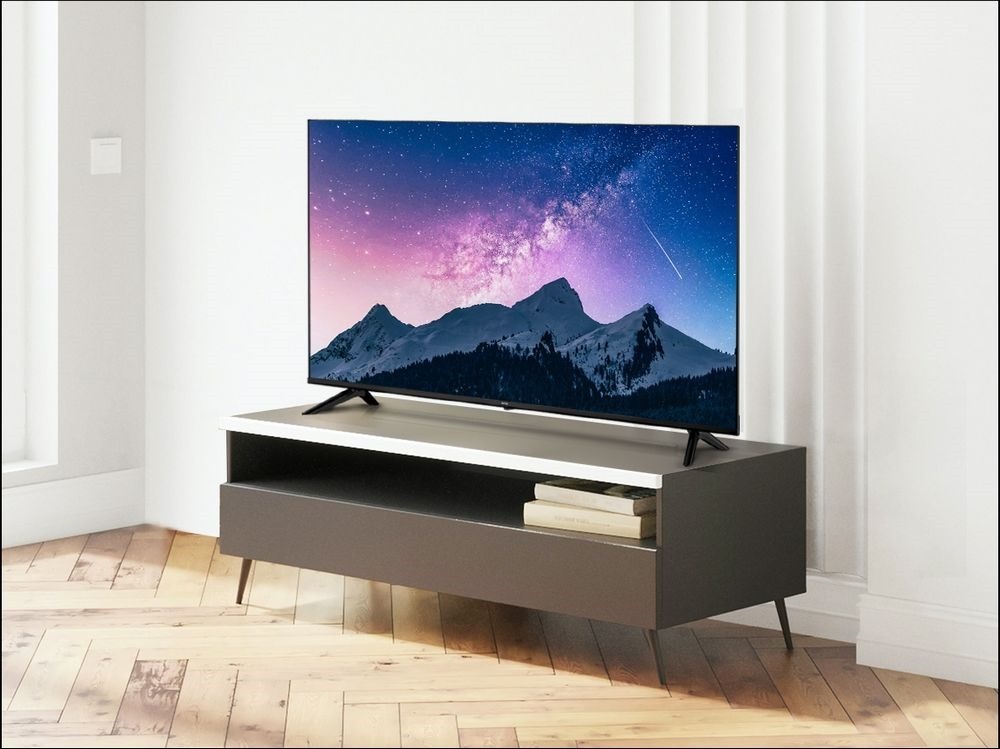
How to check your TV’s backlight information
If you’re planning to buy a new TV and are curious about its backlight system, you can check out the TV’s official detailed specifications. Manufacturers usually mention therein whether the LCD TV is direct-lit, edge-lit, or full-array. For full-array TVs, the number of local dimming or backlight control zones is also listed in the TV’s specifications. The number of dimming zones will often vary between specific TV sizes and may affect the contrast gain you can expect.
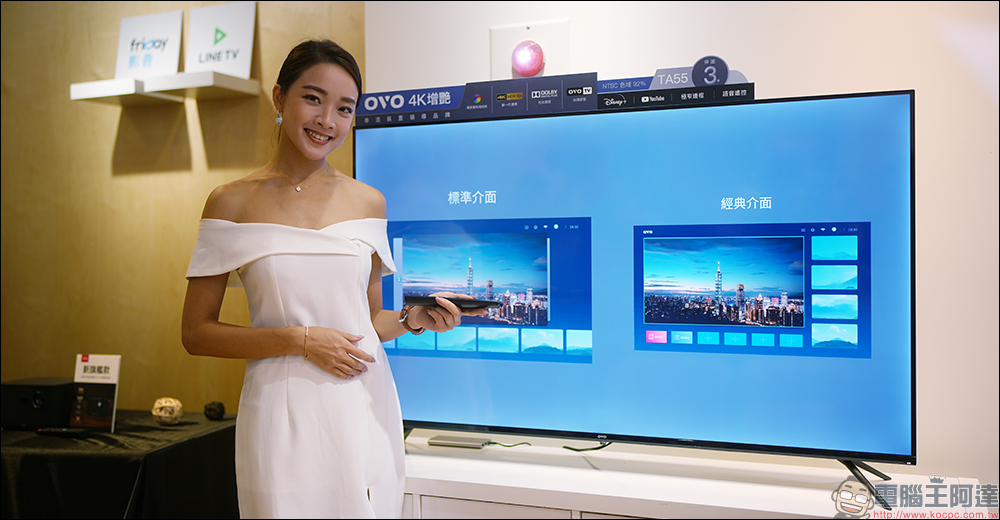
Backlight is important for TV
In summary, the backlight system of an LCD TV will affect its image performance. If you’re shopping for a new TV, full-array TVs generally have the best picture quality. But if you’re limited by budget, direct-lit and edge-lit TVs can also offer good visual performance, but be sure to do a little homework first to better understand the overall qualities of a particular TV. If you can, it’s better to go to a store and see the TV in person before making a decision. After all, this will be your TV, and no amount of technical analysis or reviews can directly answer the all-important question: Do you like the way it looks?
Source: KOCPC Chinese