


Recently 2025 JapanOsaka-Kansai World ExpoThe grand opening drew massive crowds, with visitors from many countries flooding in. When multiple nations and languages come together, the most critical need is language communication. Recently, Japanese media shared a new AI-powered translation device called the “iFlytek Dual-Screen Translator,” which can translate in just 3.8 seconds, allowing both parties in a conversation to maintain an uninterrupted, synchronized translation flow—and it works even without an internet connection. However, when Japanese media tested the dual-screen translator, something hilarious happened: the device, which claims to provide accurate Chinese, Japanese, and English translation, ended up producing somewhat impolite output.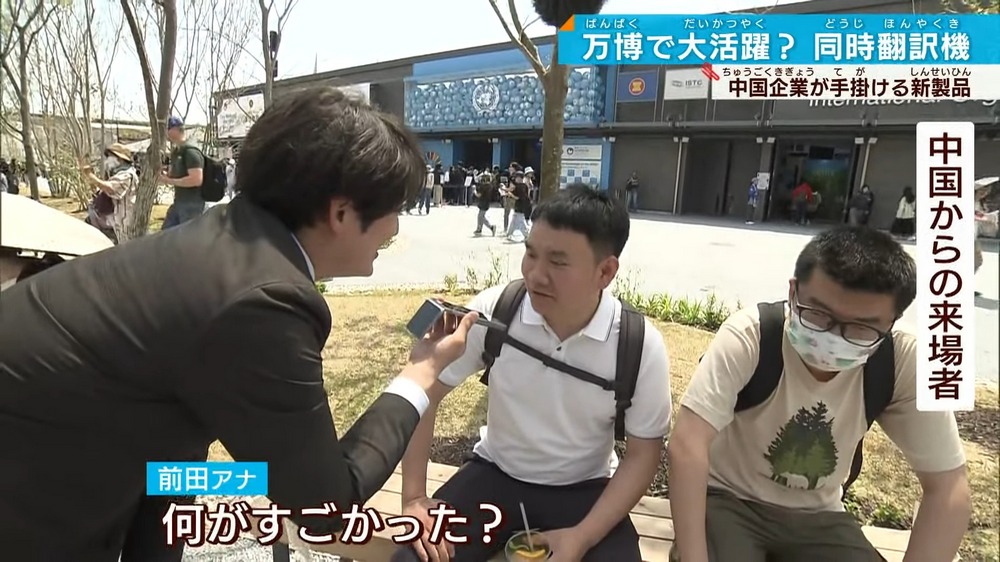
2025 Osaka World Expo China Pavilion AI Dual-Screen Translator Live Test Turns into a Laughingstock
2025 JapanThe Osaka-Kansai World Expo has officially opened. The World Expo allows countries and companies from around the world to showcase their achievements and creativity in fields such as technology, culture, industry, and architecture. Therefore, it can be said that the World Expo brings together visitors and exhibitors from many countries, and the languages spoken by people from so many nations are inevitably diverse. This is where language communication becomes crucial. Just a few days after the expo began, Japanese media introduced a new AI product launched by China’s iFlytek: the iFlytek Dual-Screen Translator 2.0.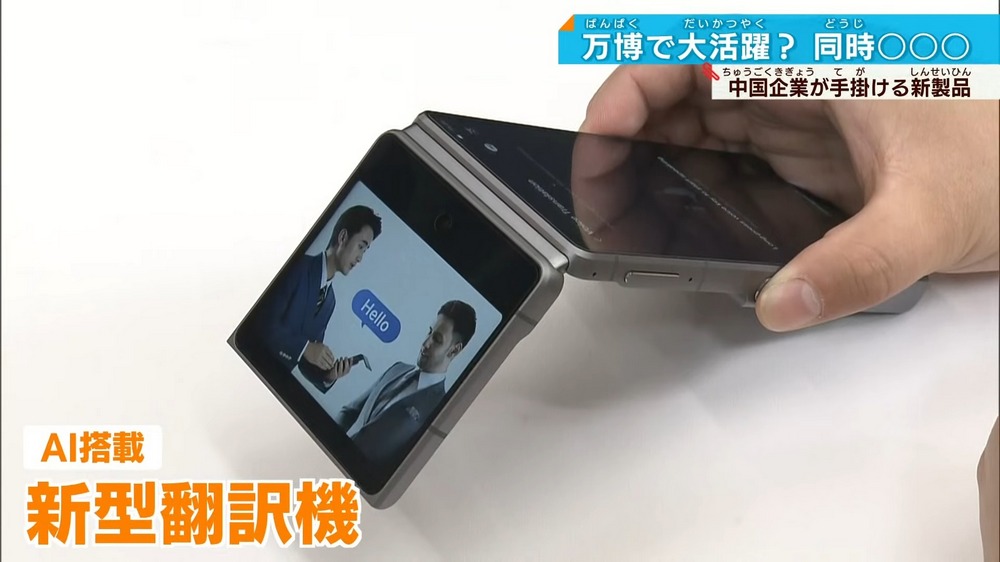
MessageFly Dual-Screen Translator 2.0 is equipped with AI, enabling instant translation through voice and text, completing translations within 3.8 seconds to deliver synchronized translation that keeps pace with human conversation. The dual-screen design allows both parties in a conversation to easily view the translation results. According to the University of Science and TechnologyInterrogateIntroduction to the Fly-Dui Dual-Screen Translator 1.0, which can be used in scenarios such as conference translation, work reporting, speech translation, and more.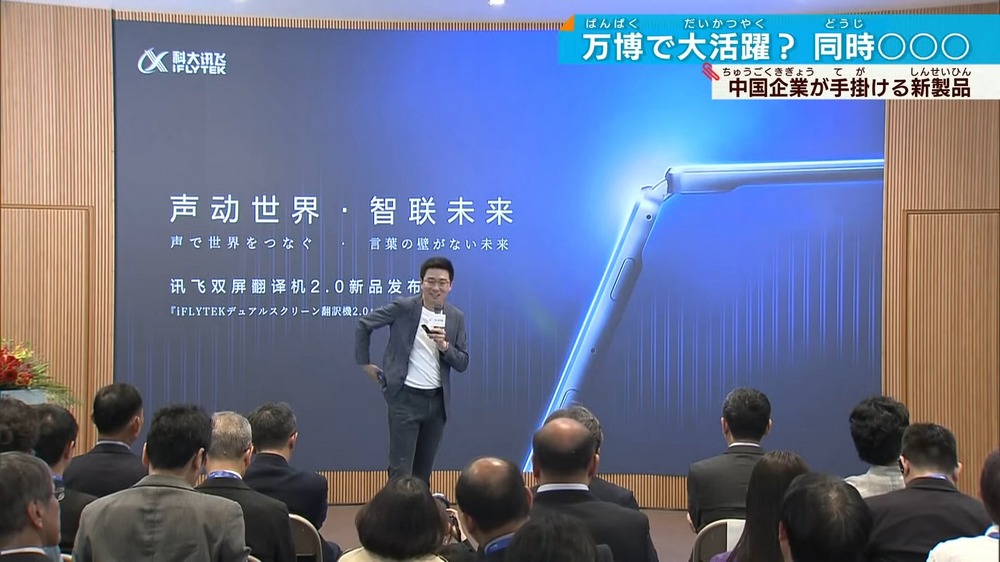
Japanese media use dual-screen translator 2.0 inRandomly finding people to conduct at the Osaka-Kansai World ExpoInterviewThe first group of interview guests came from Xi’an, Shaanxi Province, China. At first, the Japanese-to-Chinese translation of “Where are you from?” and “I’m from Xi’an, Shaanxi Province” was fine. However, when the Japanese reporter later asked “Did you see anything impressive?” the translation was a bit off, as it was directly rendered as “What’s so great?” Fortunately, the Chinese interviewee seemed to understand Chinese and replied that he had just arrived and was about to start looking. Otherwise, a translation like “What’s so great?” could have caused some misunderstandings. Although it wasn’t exactly a translation error, suddenly blurting out “What’s so great?” in a formal interview was still somewhat inappropriate. You can watch the video below to understand the interview process:
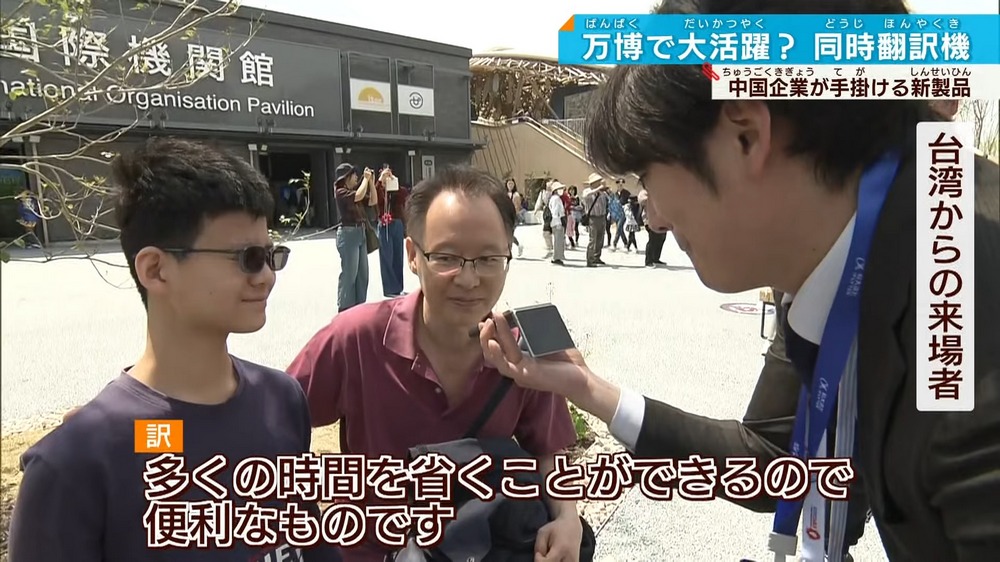
Although the earlier interview had a bit of an issue, the second group’s interview was much better. The reporter asked, “What does Dad think of the translation machine?” and Dad replied, “It can save a lot of time, so it’s a convenient thing.” Clearly, the translation in the second interview was done better.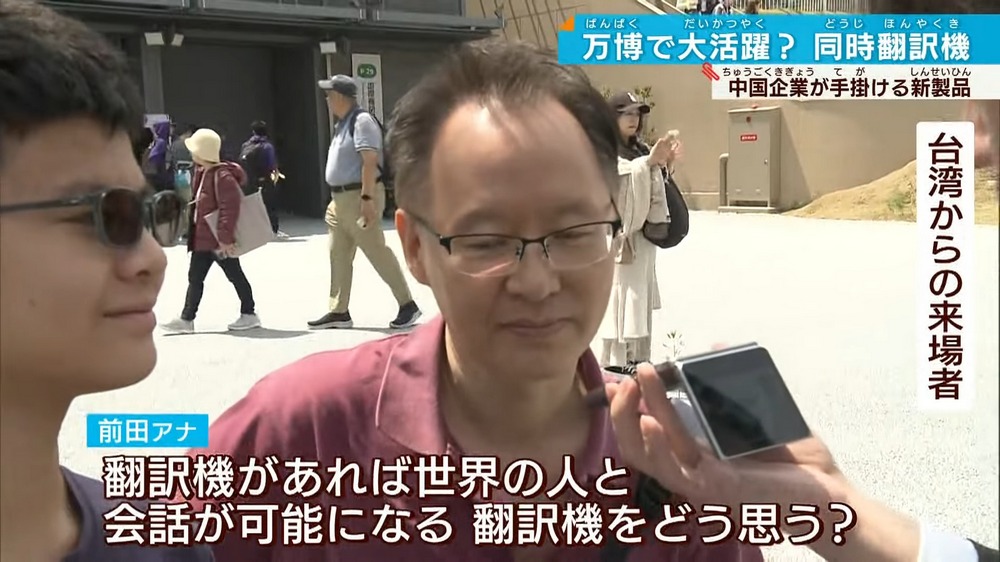
University of Science and TechnologyInquiryNewly launched AI-powered translatorInterrogateflyDual-screen translation device 2.0” It will go on sale in China starting next month, and will be released in Japan in August, priced at about 120,000 yen (approximately 27,000 NT dollars). Aside from a small translation error earlier, it’s actually quite practical, but would you all be willing to buy one at 27,000 NT dollars? If you’re interested, you can watch the full video clips of the two interviews below:
Source: KOCPC Chinese