


If you feel now iPhone Although the dynamic island is practical, it still takes up a bit of space visually. Then this next rumor may make your eyes light up. The latest revelations point out that, Apple On the way for 2026 iPhone 18 Pro Planning a new upper screen configuration, not only the position of the front lens may be moved from the center to the upper left corner, but also the dynamic island will be moved accordingly, and the size may be further reduced.
This change is not just about good-looking appearance, but also affects whether the Face ID technology under the screen has finally matured, and Apple has once again refined the visible area of the screen. It’s worth seeing what problem this design wants to solve and how credible it is.
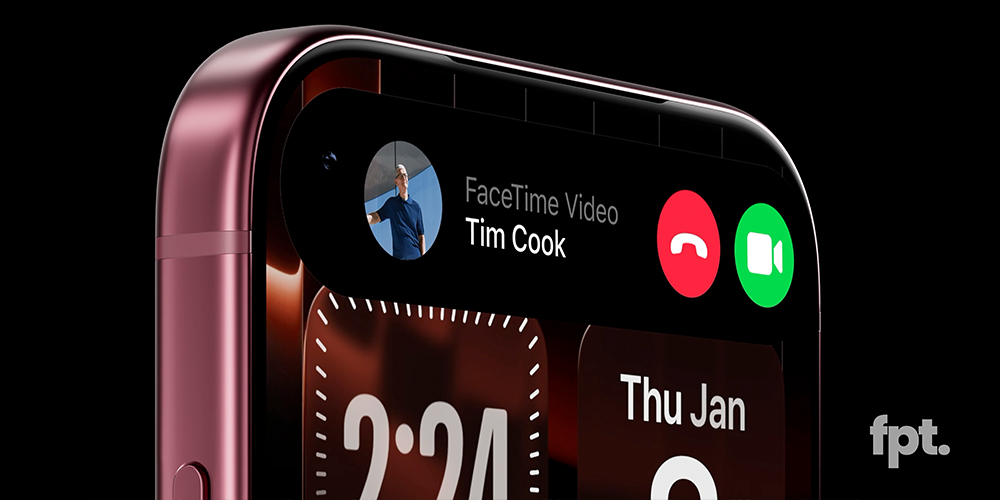
Jon Prosser reveals the new dynamic island screen of iPhone 18 Pro, analyzing the detailed changes
The dynamic island, which debuted on the iPhone 14 Pro, has evolved from a “very obtrusive black capsule” to a part of system interaction in recent years. Whether it is navigation, music playback, call status or delivery progress, it can be displayed in real time on the top. However, it is still a compromise solution of physical openings and software masks. For users who pursue a minimalist screen, it is still far from perfect.
Recently, whistleblower Jon Prosser pointed out in the latest iPhone 18 Pro leak video that Apple is testing a new front lens and dynamic island layout for the iPhone 18 Pro. There are two biggest changes. First, the front lens hole will no longer be located in the center of the screen, but will be moved to the upper left corner. Second, the dynamic island will also move to that position and stay close to the lens in the zoomed-out state.
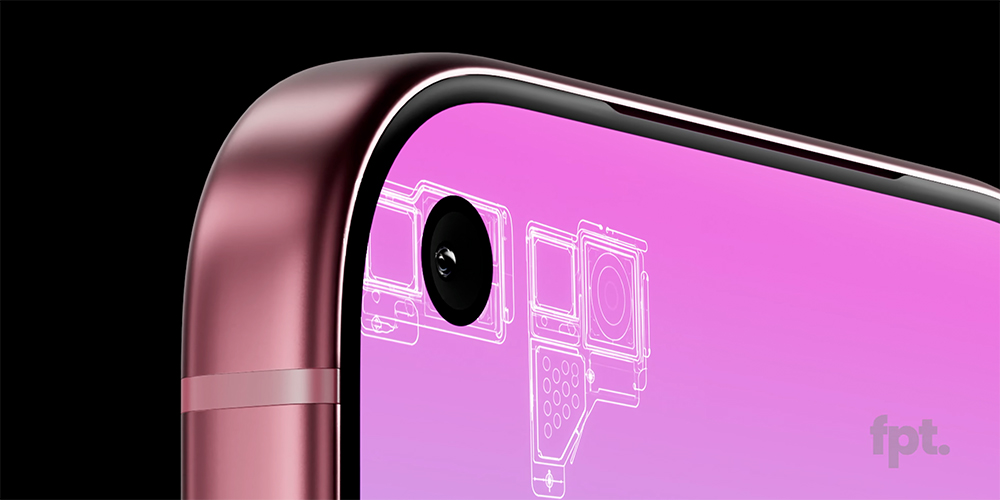
The benefits of doing this are intuitive. The current lens is no longer stuck in the center of the screen, and the symmetry of the entire display area will be greatly improved, making it look more like a complete screen. Concentrating the lens and dynamic island in the upper left corner can also reduce visual interference when using it, especially when watching movies or playing games.
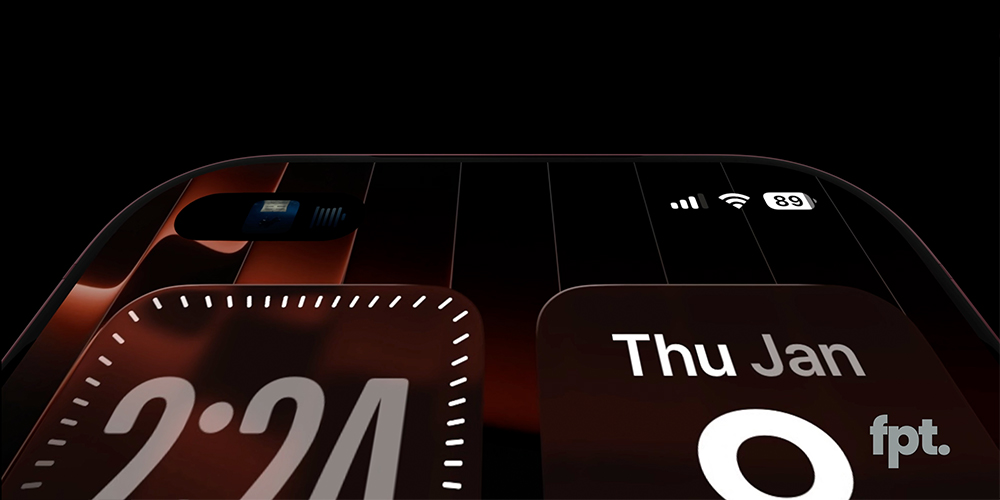
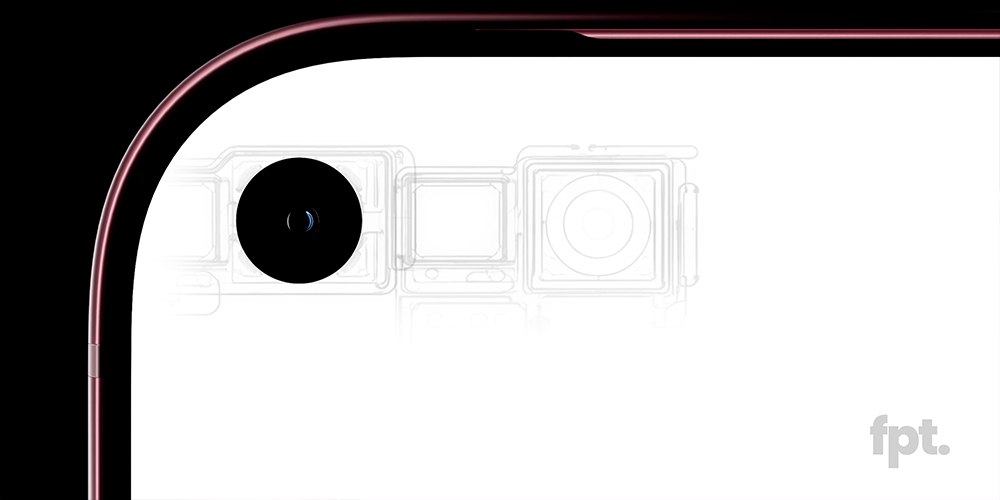
Another key premise is the rumored under-screen Face ID technology. If the infrared module of Face ID can really be hidden under the screen, then there will be only a single front lens hole above the screen, and the area that needs to be “camouflaged” will naturally become smaller, and there will be no need for the dynamic island to maintain its current size.
In the diagram provided by Jon Prosser, the future dynamic island may become a small black circle that tightly wraps the front lens. When there is a notification or background activity in the system, the circle extends to the right to display icons and information content. In the expanded state, the entire UI element will be tilted to the right of the screen, avoiding the lens hole in the upper left corner.
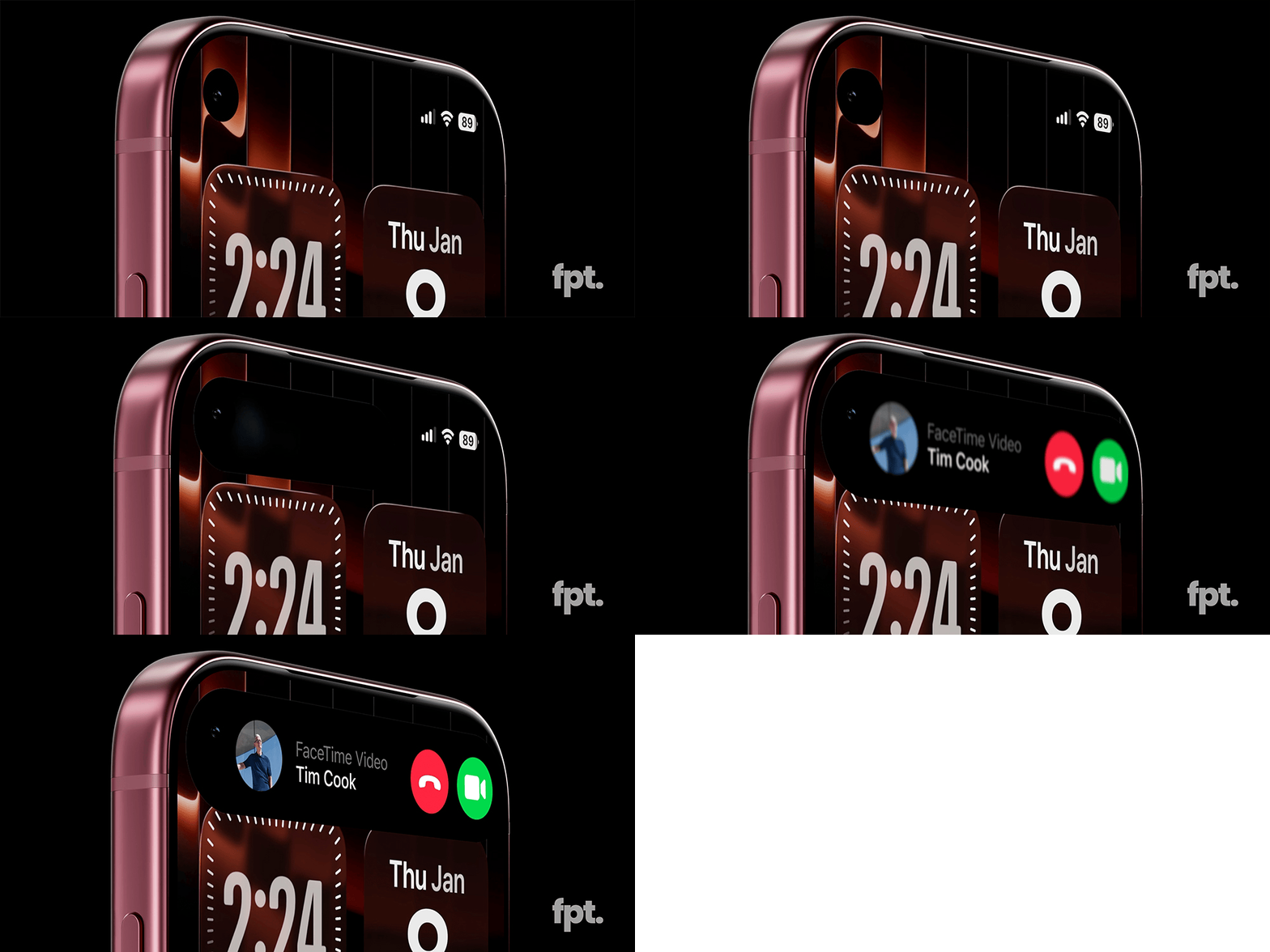
This configuration is actually more reasonable than now. The current dynamic island is positioned slightly lower to avoid the physical structure of the lens and Face ID sensor. If only a small lens hole is left in the future, the entire upper UI will have more flexibility to adjust.
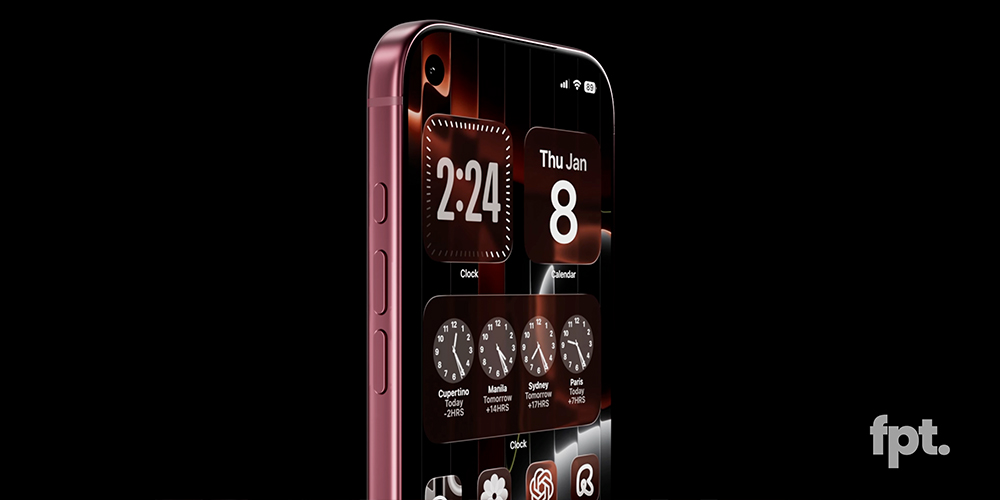
However, it must be made clear that all this is still in the stage of revelations and speculation. Prosser’s renderings are not Apple’s official design drafts, and there is no guarantee that the final product will look like this. The real mass production design is often closer to reality until a few months before the release, when the actual machine photos or mold drawings leaked from the supply chain.
But this idea is not groundless. There have been many rumors in the past that Apple plans to introduce smaller screen openings for flagship models in 2026, and even attempts to completely hide the Face ID module under the panel. There is also another school of thought that this technology may be delayed until 2027.
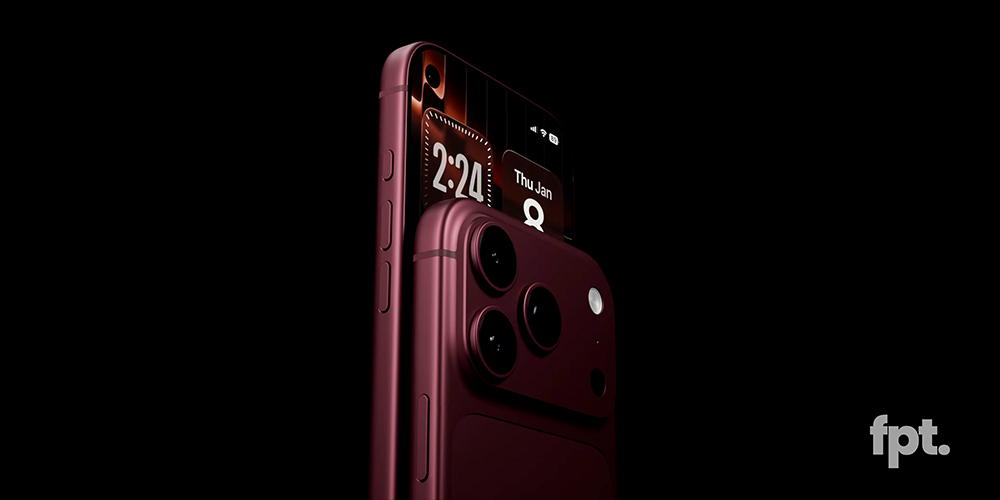
As for Jon Prosser’s own breaking record, the reviews are actually quite polarizing. He revealed the Liquid Glass visual style of iOS 26 in advance, which was later confirmed to be quite close to the actual design, which also got him involved in a legal dispute with Apple. Apple accuses him and his associates of obtaining unauthorized access to internal information that has not yet been made public, and the case is ongoing.
This lawsuit indirectly proves that he did have access to Apple’s internal sources. But on the other hand, he also has a record of obvious overturning. For example, before the Mac mini was revamped, he once broke the news about a new design with a completely different appearance, which turned out to be quite different from the actual product.
Therefore, this statement about the relocation of the iPhone 18 Pro front lens and dynamic island is more likely to be an inference based on supply chain trends and internal test prototypes, rather than the final design that has been finalized.
In addition, Jon Prosser broke the news and also mentioned this time iPhone 18 The Pro may come in three new colors, namely burgundy, bronze and purple. However, the final color of the iPhone 18 Pro will not be clearer until a few months later.
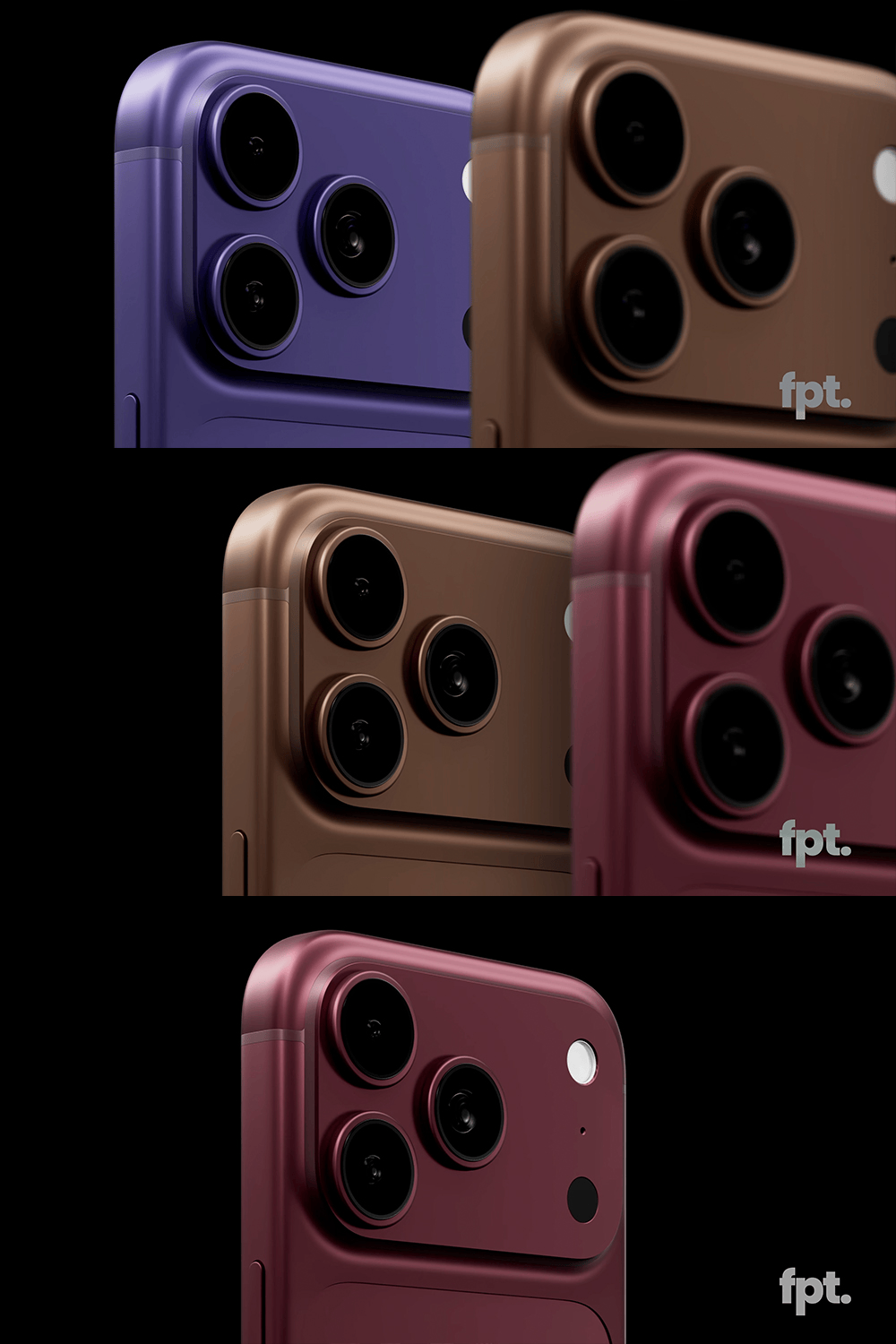
According to information leaked from the current supply chain, the iPhone 18 Pro series is expected to be equipped with the new A20 Pro chip, which is expected to improve computing performance by about 15% compared to the previous generation. However, what is more worthy of attention than pure running score growth is the substantial evolution of energy efficiency. It is reported that the overall power consumption performance has the opportunity to improve by about 30%.
This means that with the same amount of power, the system can last longer, and the stability of battery life during long-term navigation, photography, video or gaming will also be significantly improved. It also helps reduce the risk of heat generation and frequency reduction. The actual bonus to the daily use experience may be more meaningful than the performance number itself.

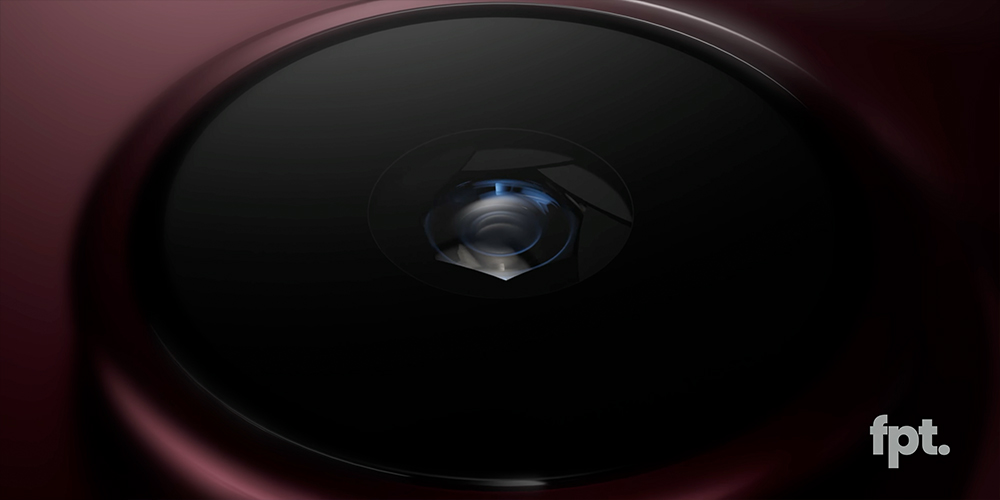
It is rumored that the iPhone 18 Pro will introduce a “variable aperture” system that switches between f/1.4 and f/2.8 apertures to introduce more light during night shots, improving dark details and noise performance. At the same time, in bright scenes during the day, the aperture can be narrowed to avoid overexposure and color dilution, making the overall image closer to what the naked eye sees. In addition, the iPhone 18 Pro Max model is expected to exclusively feature a 48-megapixel periscope telephoto lens with a large aperture of f/2.0.
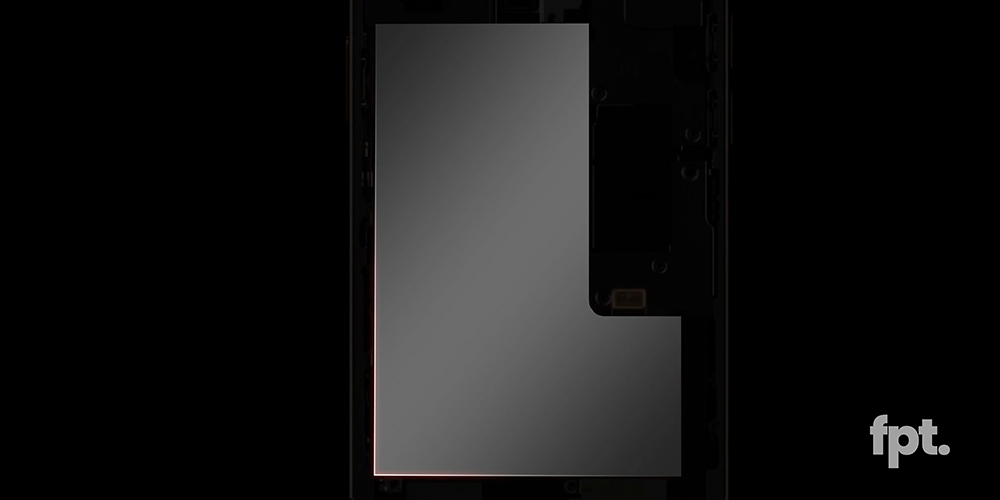
Battery life performance is also expected to be further improved this time, and a larger-capacity battery is expected to bring longer-lasting performance to the iPhone 18 Pro series.
Conclusion
If Apple really implements off-screen Face ID on the iPhone 18 Pro and shrinks the dynamic island and moves it to the upper left corner, it will be the biggest evolution in front design since the iPhone 14 Pro. For most users, this is not just a better-looking appearance, but a purer overall display experience with less interference.
However, judging from past experience, Apple often adjusts its plans repeatedly before mass production. As long as there is any unsatisfactory yield, cost or user experience, it may be temporarily blocked or delayed for a year. Therefore, before the actual machine is exposed, this design can still only be regarded as a “highly credible rumor”.
However, what is certain is that Apple’s obsession with screen integrity has never stopped, and it is almost a matter of time before the dynamic island continues to “get smaller and invisible” in the future. As for whether the iPhone 18 Pro will become that critical turning point, it depends on what new clues will emerge from the supply chain.
Image source for this article:fpt. (YouTube)
Further reading:
Source: KOCPC Chinese