


Most of us are very familiar with QR Codes, for a simple reason: they are convenient, inexpensive, and extremely versatile. Modern smartphones almost all come with built-in QR Code scanning, and generating a QR Code costs very little. More importantly, they can exist in both the physical and digital worlds. From restaurant menus and product information to sharing contact details, they can be seen everywhere—and they even come in handy for organizing a garage, managing events, and handling digital payments.

What does “QR” mean in QR Code?
QR codes are so ubiquitous that we’ve naturally come to accept their name. But have you ever wondered what “QR” actually stands for? In fact, it’s an abbreviation for “Quick Response,” and since scanning a QR code is much faster than typing in a URL or text, the name couldn’t be more fitting. Although QR codes are now just about everywhere, their origins are surprisingly specific—they come from the Japanese automotive industry.
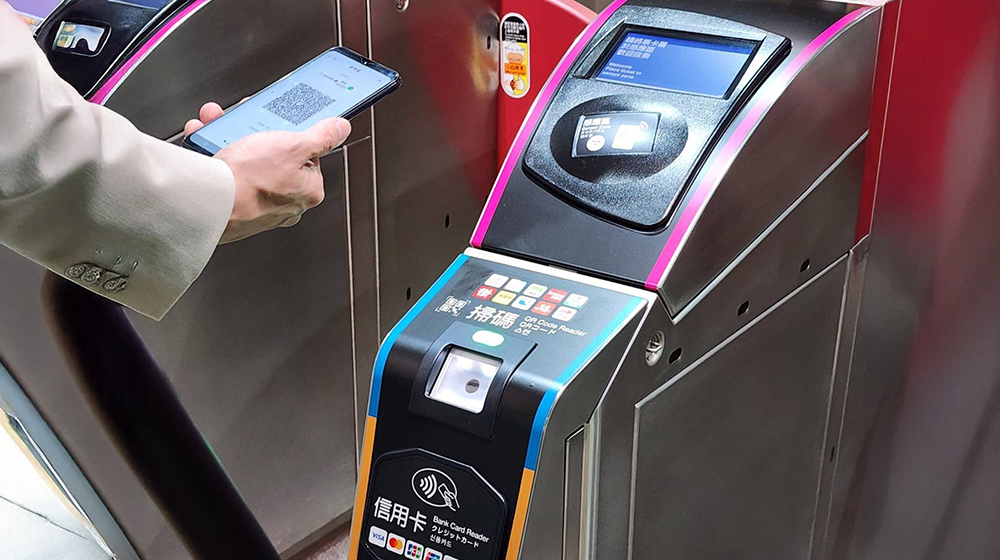
The birth of the QR Code is closely tied to Japanese automaker Toyota. Although the inventor was not Toyota itself, but its subsidiary Denso Corporation. Masahiro Hara of Denso Corporation Wave and his team originally designed the QR Code to solve the problem of tracking automotive parts in factories. Before the QR Code, factories relied on traditional barcodes, but as manufacturing processes became increasingly complex, the limitations of barcodes began to surface. A barcode could hold only about 20 characters at most, and workers had to scan tens of thousands of barcodes every day, severely affecting efficiency. In addition, barcodes had a minimum size limit and could not be reduced to fit the growing number of small parts. The QR Code perfectly solved these problems: it can store more information in a smaller space and be read faster.
In factory environments, QR Codes are more practical, as they can still be read even when partially damaged or covered with oil stains. Masahiro Hara and his team’s invention not only improved manufacturing processes but also made our daily lives more convenient. However, while QR Codes bring efficiency, they also introduce new risks, especially security-related issues. One of the biggest risks is that when you scan a QR code with your phone, you often cannot verify its authenticity before clicking the link. Scammers frequently use QR Codes to trick users into downloading malicious applications or visiting counterfeit websites, thereby stealing personal data or credit card information.
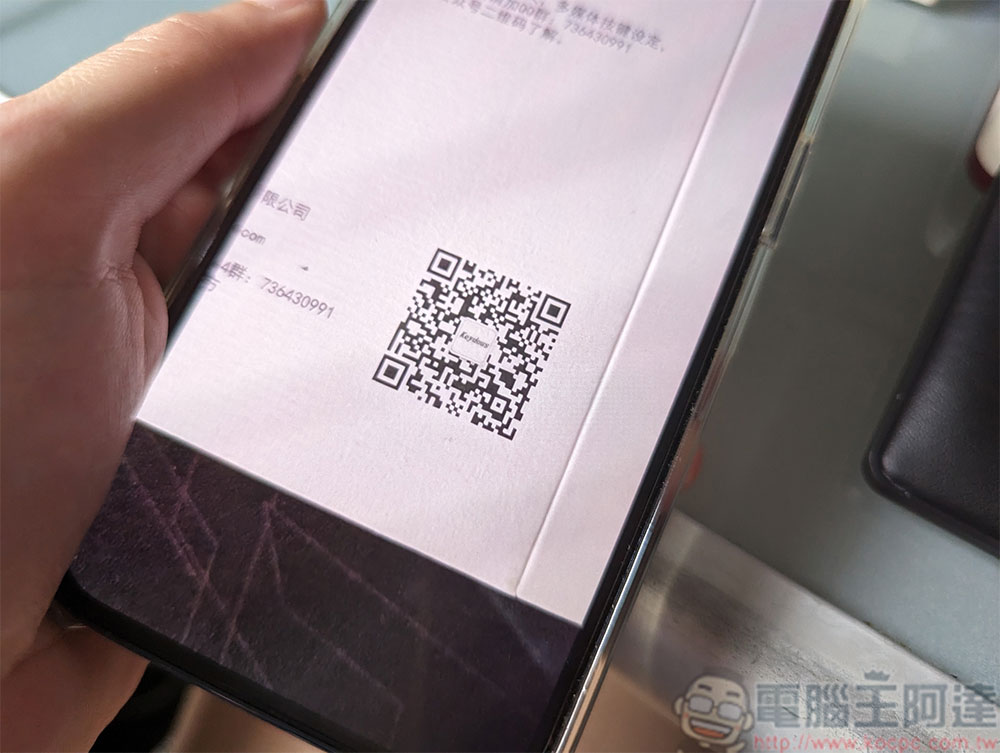
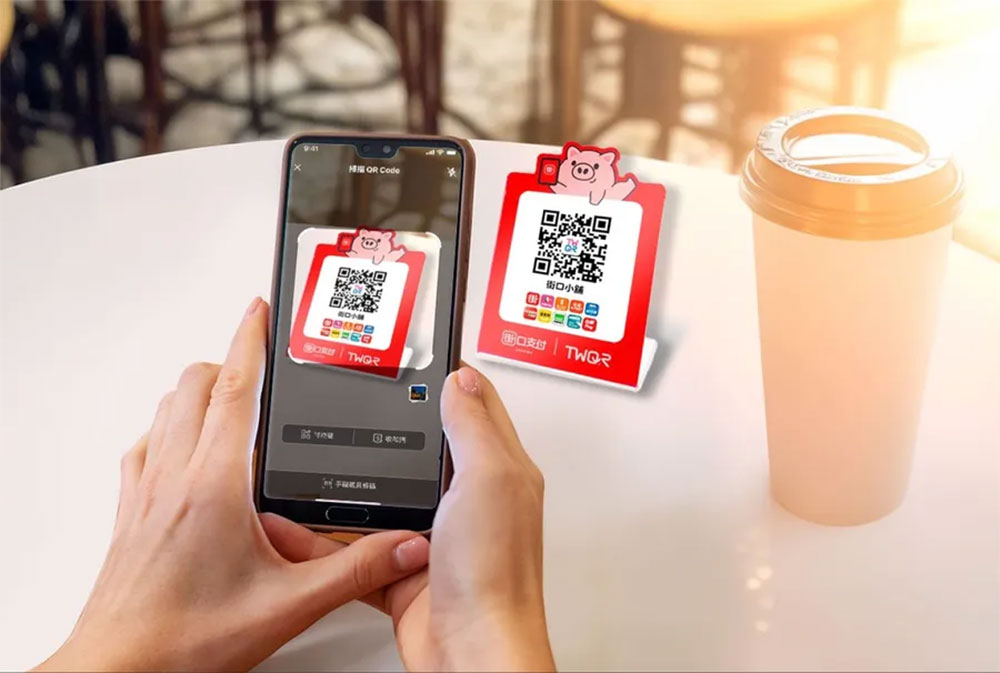
Therefore, scanning QR codes from unknown sources carries considerable risks. It’s best to avoid scanning QR codes of unclear origin, such as stickers posted in public places or labels on packages from unknown senders. If a QR code leads to an app that isn’t available on an official app store, it’s not recommended to download it unless you trust the developer. If you use QR codes to make payments, be sure to confirm that the payee information is correct before completing the transaction. If you’d rather not use your phone to scan, or if you want extra security, you can also use a dedicated app, Chrome extension, or online scanner to check QR codes on your laptop—some tools can even analyze the link before you click it.
Although QR Code is not entirely risk-free, it still has many safe and convenient uses at home. For example, you can turn your home Wi-Fi password into a QR Code so that visiting friends can connect simply by scanning it, without having to manually enter a long and complicated password.
Source: KOCPC Chinese