


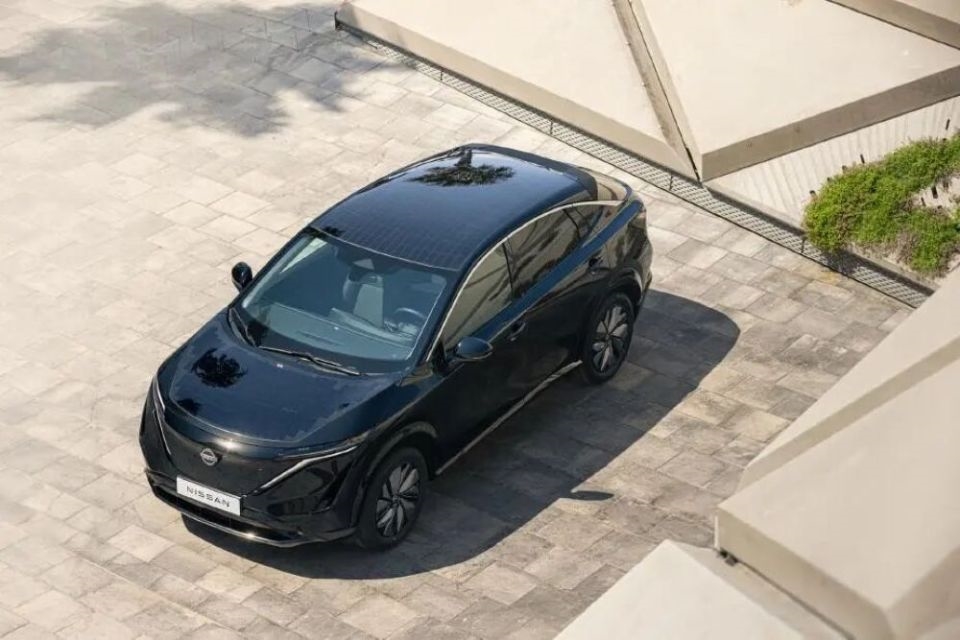
Recently, Nissan released a solar concept car based on the Ariya electric SUV at the 2026 “Clean Energy Day” event. This concept car integrates solar energy (PV) components into the body, which can directly convert sunlight into electrical energy and input it into the drive battery. Under optimal sunlight conditions, it can add an additional 23 kilometers of cruising range in a single day.
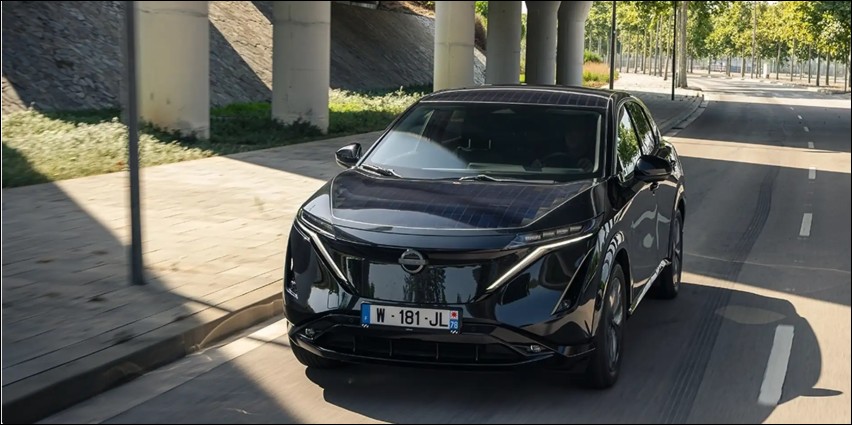
International collaboration: Nissan x Dutch Lightyear
This concept car is the result of a cross-border collaboration between Nissan and the Dutch company Lightyear:
Nissan Dubai Product Planning Team: Responsible for vehicle integration and concept development
Nissan Barcelona Powertrain Planning Team: Responsible for Energy Management Systems
Dutch company Lightyear: Provides solar photovoltaic technology
Lightyear is a Dutch startup focusing on solar electric vehicles. It will produce the world’s first solar-powered car from 2022 to 2023 Lightyear 0, the price is as high as 250,000 euros (approximately NT$9.375 million). When the company conducted actual tests in southern Spain, it could increase the range by 70 kilometers per day under sunny conditions in summer.
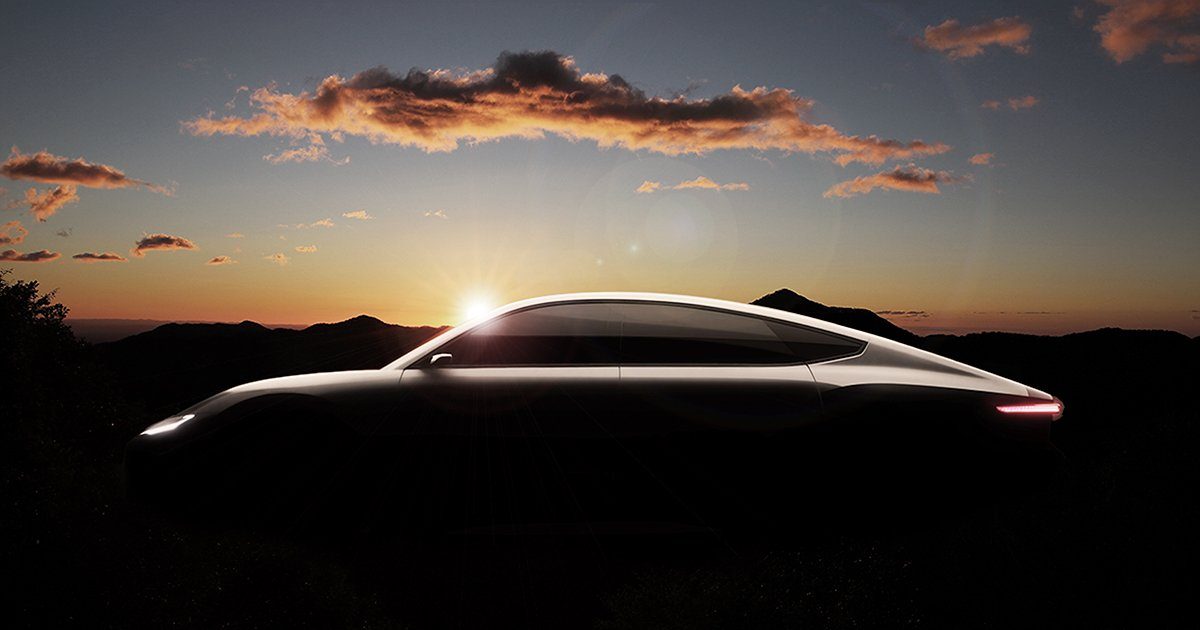
“We are beyond the proof-of-concept stage and the technology is ready to enter the market,” said Herman van Barneveld, Lightyear CEO.
Technical specifications
According to official information, this concept car has solar photovoltaic modules embedded in the following locations:
| Installation location | Area Description |
|---|---|
| hood | Integrated photovoltaic modules |
| roof | Main solar panel area |
| tailgate | Additional power generation area |
The total power generation area of the vehicle is approximately 3.8 square meters, and the electricity generated is directly input into the vehicle’s drive battery system without additional conversion.
Global measured data: the impact of geographical environment
The energy supplement effect of the solar system is significantly affected by regional lighting conditions. Nissan has conducted actual measurements in many places around the world:
| Test location | climatic conditions | Increased single-day battery life |
|---|---|---|
| Dubai | plenty of sunshine | 21.2 km |
| New Delhi | plenty of sunshine | 18.9 km |
| barcelona | Moderate sunshine | 17.6 km |
| London | Cloudy and rainy | 10.2 km |
The actual road test also verified the performance of the system: In a 2-hour test with a driving range of 80 kilometers, the solar module generated 0.5 kWh of electrical energy, corresponding to an increase of approximately 3 kilometers in battery life. According to Nissan’s estimates, this solar system can bring the following benefits to electric vehicle owners: a 35% to 65% reduction in external charging needs. For commuters who drive about 6,000 kilometers per year, under ideal conditions: the number of external charging times per year is reduced from 23 times to 8 times, which can significantly reduce dependence on public charging stations.
Elon Musk questions: The surface area is not large enough
However, the technical feasibility of solar electric vehicles has been controversial. Tesla CEO Elon Musk oncepublic expression, integrating solar panels into the car body is not practical:
“The available surface area of a typical car is about 4-5 square meters. Even at a conversion efficiency of 20-25%, it can only generate about 1-2 kilowatt hours (kWh) per day and only provide 5-10 miles (about 8-16 kilometers) of range. This will increase weight, cost and complexity without substantial benefits. Expandable solar panels may be feasible, but they are not practical for daily use.”
Tesla’s alternative strategy is to focus on home solar charging solutions rather than integrating solar panels into the car’s body. However, some foreign car enthusiasts have made their own solar panel arrays placed on the roof of the car. Under ideal conditions, it can increase the driving range by 20 to 60 miles per day.
No mass production plans yet
Despite the impressive display of technology, Nissan has made it clear that there are no plans for mass production of the solar-powered concept car. Currently, this system is mainly used to verify technical feasibility and demonstrate a high degree of aesthetic integration, performance and reliability, in line with automotive industry standards. Lightyear is currently actively negotiating cooperation with a number of car manufacturers, hoping to promote solar technology to a wider range of market applications.
Conclusion: The future of solar electric vehicles?
This concept car jointly developed by Nissan and Lightyear proves that body-integrated solar technology is technically feasible, but it faces the following challenges:
| Challenge project | illustrate |
|---|---|
| Power generation efficiency is limited | Due to body surface area limitations, the Nissan concept car can only increase its range by up to 23 kilometers per day. |
| geographical restrictions | The effect is greatly reduced in cloudy areas |
| Cost and complexity | Increase body weight and manufacturing difficulty |
| market acceptance | Are consumers willing to pay for limited benefits? |
Elon Musk’s doubts are not unreasonable. For users with long daily commutes, the benefits of vehicle-mounted solar panels are indeed limited. However, this technology still has certain appeal for users who commute short distances and park fixedly outdoors. Nissan’s demonstration may be a “cast-off” for more mature solar electric vehicle technology in the future.
Source: KOCPC Chinese