


The Android operating system is an open system. In order to highlight the features of its own products, each mobile phone brand will develop its own UI and functional design based on the original version of Android. The well-known Android mobile user interfaces (UI) include Samsung One UI, Xiaomi HyperOS, OPPO ColorOS, vivo OriginOS, Google’s native Android UI, ASUS ZenUI, MOTO Hello UI, HTC Sense UI… and so on.
What are the characteristics of the UI user interfaces of various Android mobile phone manufacturers? Here is a summary:
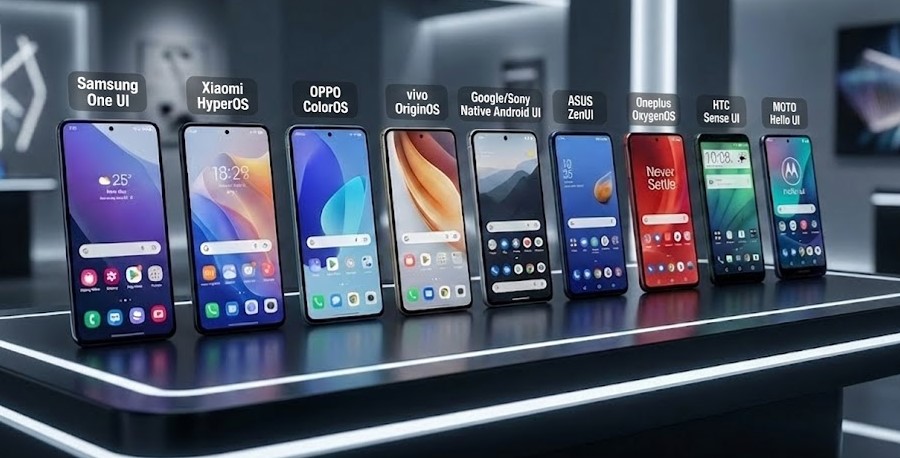
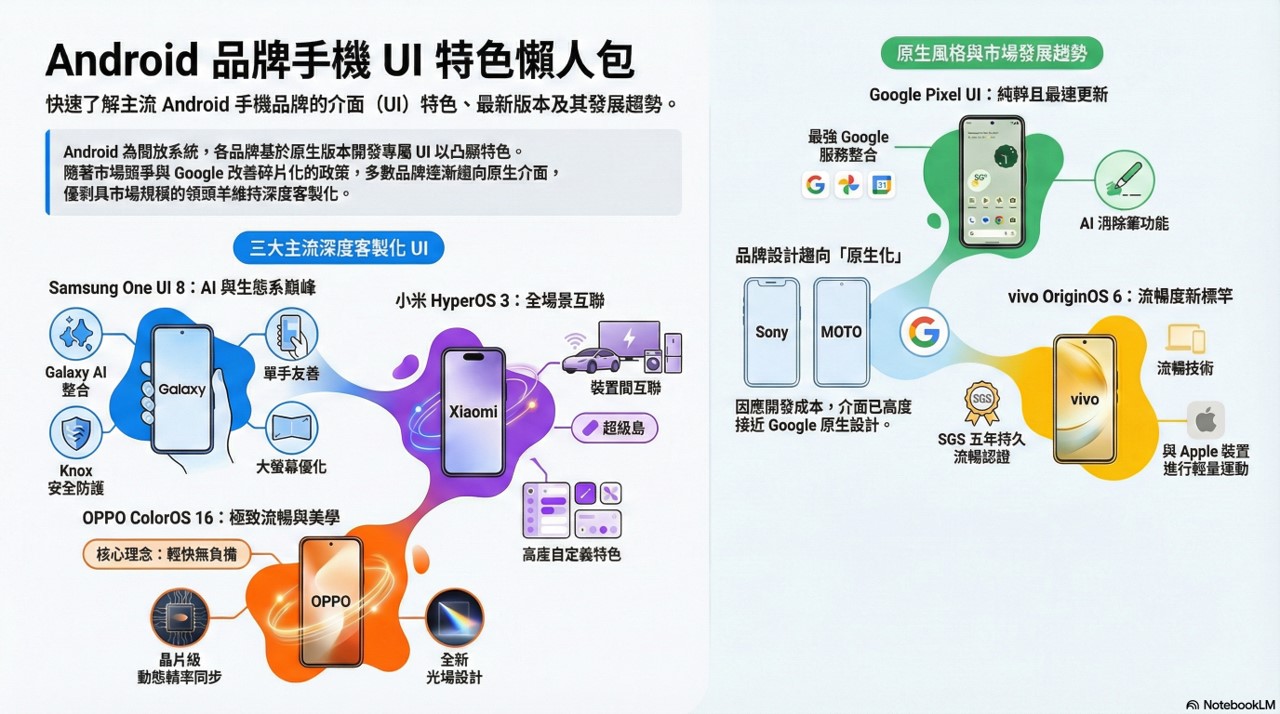
In order to highlight the characteristics of their own mobile phones, Android mobile phone manufacturers each develop their own UI and functional designs.Chinese netizensAccording to statistics, there are 24 brands and 25 Android UIs in the market.. With the demise of mobile phone brands and Google’s implementation of many measures to improve the fragmentation problem of various Android versions, except for a few major market brands that continue to develop exclusive UI interfaces, many brands have gradually moved towards the Android native UI and only built some exclusive apps out of the factory. The following is a summary video and detailed description of the main Android mobile UI user interface features currently on the market:
1.Samsung One UI:
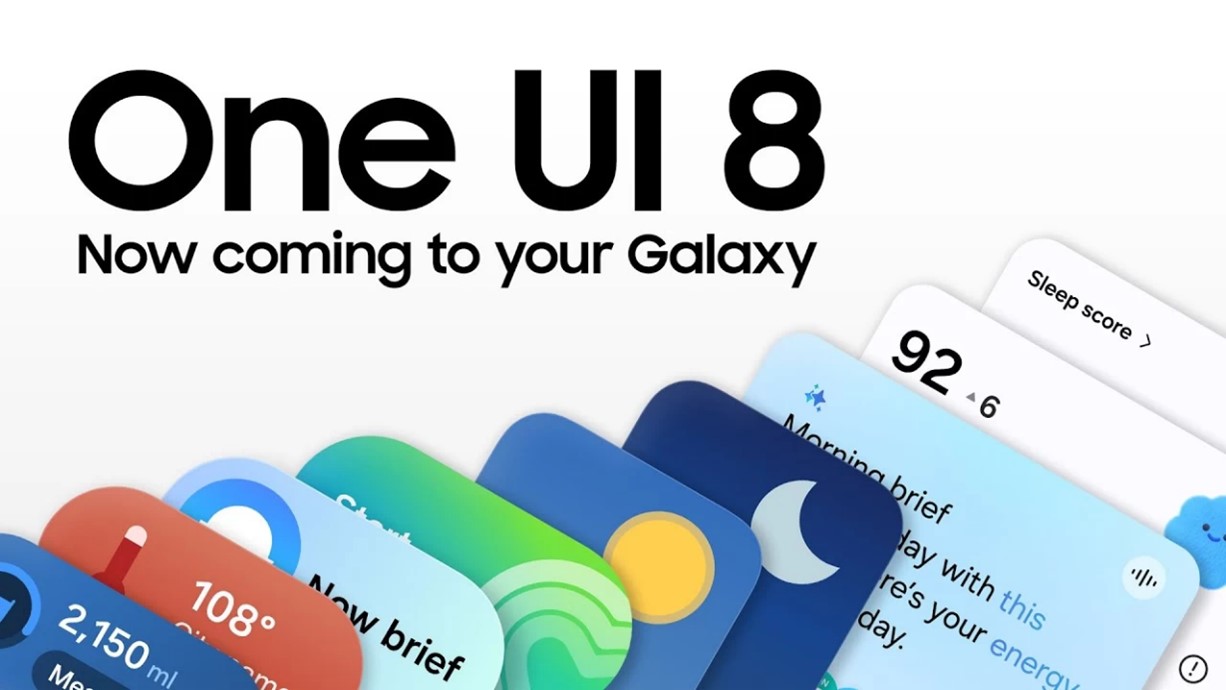
Samsung mobile phone user interface is ONE UI, and the latest version is ONE UI 8 based on Android 16.
The main features of Samsung One UI are user-centered intuitive design, designed for “one-handed friendliness”, powerful Galaxy AI integration, deep ecosystem linkage, high customization and solid security, advanced security protection (Knox), support for Good Lock deep customization, smooth user experience and large screen optimization and high system stability.
The highlight of the latest ONE UI 8 emphasizes the deep integration of multi-modal Galaxy AI, providing automatic voice fraud detection, smart lock screen clock, enhanced Quick Share, and application icons and interface fine-tuning.
2.Xiaomi/POCO HyperOS:
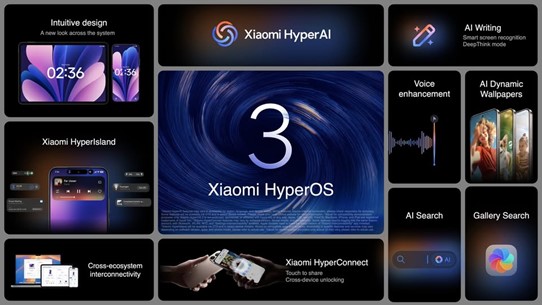
The mobile phone user interface of Xiaomi and POCO is HyperOS (formerly MIUI), and the latest version is HyperOS 3.
Xiaomi HyperOS features a high degree of customization, full-scenario performance optimization, deep AI integration, and device-to-device interconnection experience (connecting cars and home appliances). The highlights of the latest HyperOS 3 emphasize the “Super Island” notification system, upgraded version of Super Little Love AI, smoother system dynamic effects (more than 100 optimizations) and optimized privacy security mechanisms.
3.OPPO /realme/OnePlus ColorOS (OxygenOS is used in overseas markets):
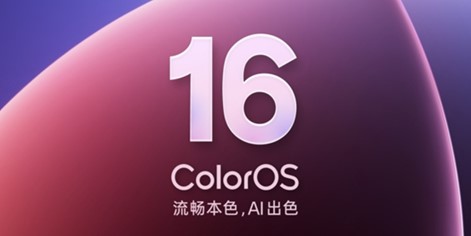
OPPO, Realme, and One Plus mobile phones use ColorOS (overseas parts use OxygenOS), and the latest version is ColorOS 16.
OPPO ColorOS takes “light and burdenless” as its core design concept, emphasizing smoothness, intelligent AI applications and beautiful visual interfaces. In recent years, it has focused on optimizing the underlying system and introduced mechanisms such as “Apex Guard” to ensure that the phone will not lag during long-term use.
The latest ColorOS 16 focuses on “smooth nature, excellent AI”. The core highlights are the ultimate smooth experience, the first chip-level dynamic frame rate synchronization technology, all-round AI capabilities, seamless interconnection across ecosystems, new light field design and optimized desktop grid and Dock bar for large-screen devices.
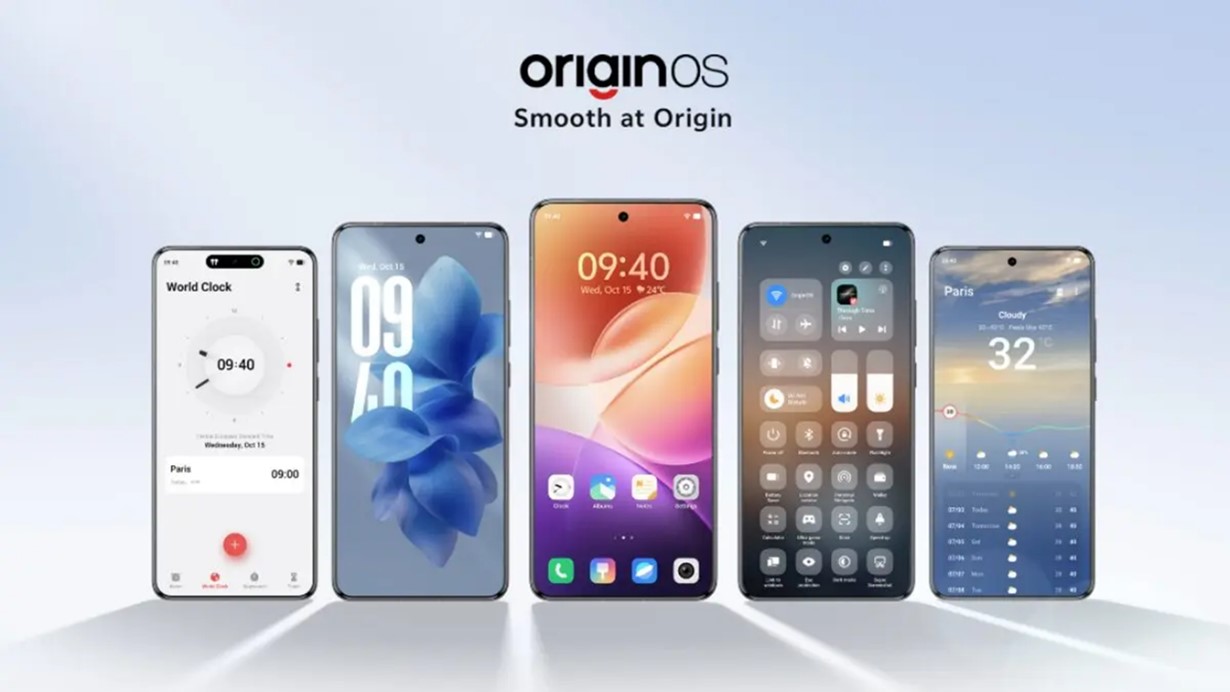
3.vivo /iQoo OriginOS/ Funtouch OS:
The user interfaces of vivo and iQoo mobile phones are OriginOS (Taiwan International Version), Funtouch OS (International Version) and OriginOS (China Version). The latest versions are Funtouch OS 16 and OriginOS 6.
Vivo Funtouch OS is close to native Android but has unique features including OriginOS’s gorgeous visuals and operational innovations.
Taiwan’s OriginOS 6 features high fluency, deep integration of Google AI (including instant search, AI elimination) and Atomic Island functions, and features lightweight linkage with Apple devices and SGS five-year long-term fluency certification. The highlight is the deep integration of Blue River’s self-developed technology (Origin Smooth Engine). Through the “8+1” super-core computing architecture, memory fusion technology and dual rendering technology, the app startup speed (18.5%↑) and animation fluency (35%↑) are greatly improved.
4.Google native Android UI:
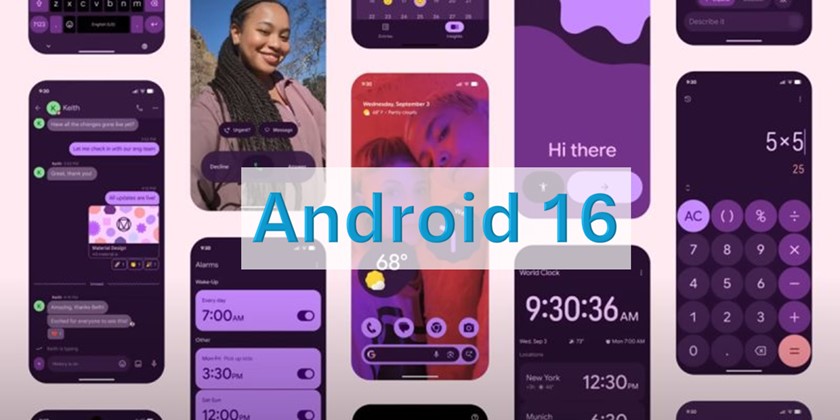
Google uses Android native UI (Pixel UI), and the latest version is Android 16.
The characteristics of Android’s native UI are simple, smooth, and native. It can get Android version upgrades as quickly as possible. It has powerful AI functions (such as pen elimination, instant translation) and is deeply integrated with Google services.
Android 16 has introduced a number of major updates in user interface and interactive design to improve multitasking efficiency and system visual sophistication, including communication and notification interface innovations, visual and personalization upgrades using Material 3 Expressive, multitasking and tablet optimization, etc.
5.ASUS ZenUI:
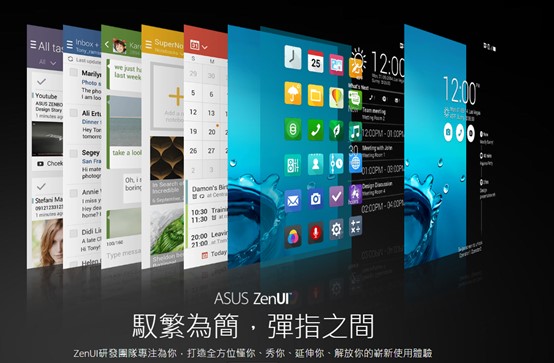
The mobile interface used by ASUS mobile phones is ZenUI, and the latest version is ZenUI based on Android 16.
ASUS ZenUI is a customized user interface developed by ASUS for its Android phones (ZenFone/ROG Phone) and tablets (ZenPad). It is close to using the native Android UI, emphasizing simplicity, intuition and personalization. Featured functions include ZenMotion gesture operation, self-defense bodyguard security functions, game wizards, application dual-opening and PixelMaster camera optimization.
Since Asus has officially announced its withdrawal from the mobile phone market, it is expected that the operating system will still be upgraded as promised, but ZenUI will be discontinued.
6.Sony Xperia UI:
The user interface of SONY mobile phones and tablets is Xperia UI, which features the integration of professional modes for audio, video and photography. In recent years, Sony has simplified the Xperia UI to make it closer to the pure Google Android native UI, retaining only key Sony applications. The advantage is that the upgrade speed is accelerated.
7.MOTO Hello UI:
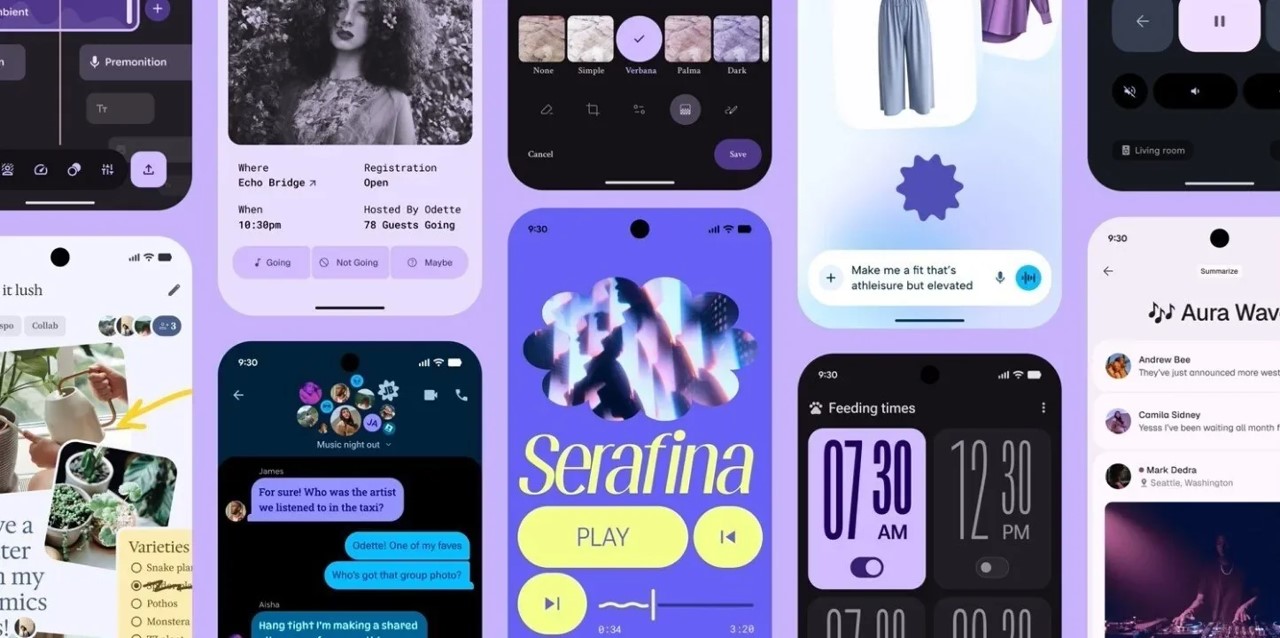
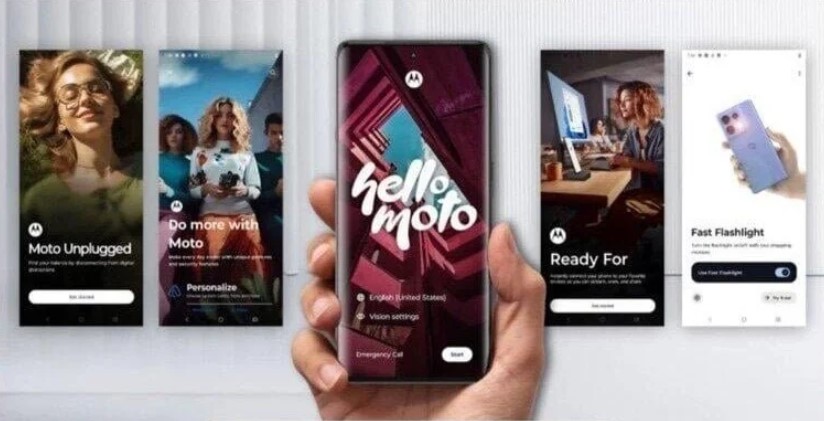
The MOTO mobile phone user interface is Hello UI, which will be launched in 2024 and replace the old My UX.
The design style of Hello UI is close to the native Android system, but it adds some “Moto” applications and unique customized functions and design elements, including Smart Connect, Hello UI Control Center, Moto Unplugged…
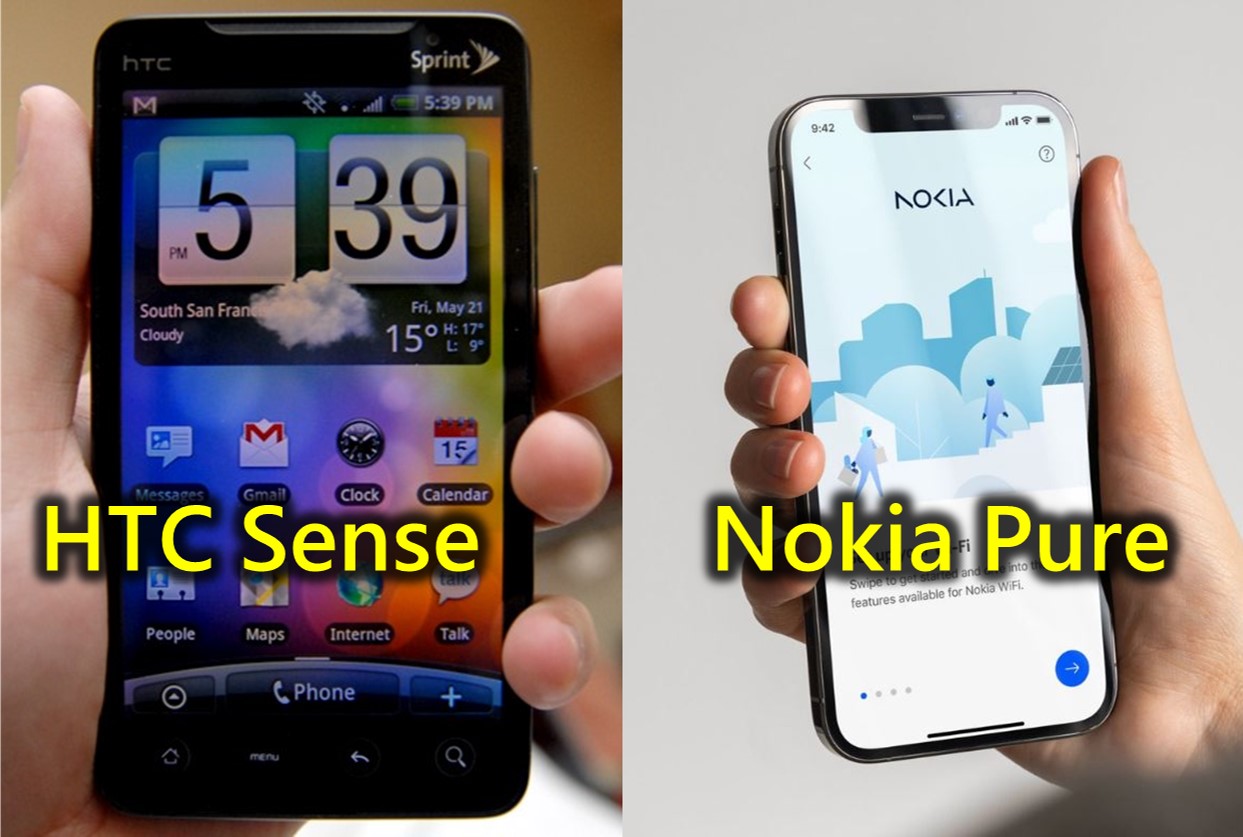
Due to the fierce competition in the mobile phone market, many well-known mobile phone brands in the past have gradually withdrawn from the market. Not only have their exclusive UIs been no longer updated early, but they have also retired as the mobile phones have withdrawn from the market, leaving only the tears of the times, such as HTC Sense, LG Optimus OS… and so on.
Generally speaking, as the iPhone accounts for most of the mobile phone market, if Android brands cannot gain a certain market share, they must continue to maintain customized UI designs with half the effort and do not meet the requirements of Google partners. It is expected that except for Samsung, Xiaomi, OPPO and vivo and other brands with certain market share and cross-ecosystem advantages, other international versions of Android UI are expected to be very close to the pure Google Android native UI, and instead add exclusive APPs at the factory to highlight the unique features of their own products!
Source: KOCPC Chinese