


Twelve years ago, internationally renowned director Tsai Ming-liang and Asia-Pacific movie star Lee Kang-sheng bought a row of ten abandoned tenement houses on a hillside in Xindian, New Taipei City. At that time, Tsai Ming-liang was suffering from panic disorder. He just wanted to find a quiet place on the edge of the city to recuperate. However, he accidentally came across this row of old buildings that had been abandoned for many years and were almost like unfinished buildings. Over the years, he has gradually restored and renovated it with the same obsession as a studio. He even sold three of his paintings three years ago to raise funds for the project. Today, “Tsai Ming-Liang Art Space” was officially unveiled to the outside world. What prompted this cross-border debut was the high-quality air conditioning brand jointly created by Shanghai Industrial and Japan’s Mitsubishi Heavy Industries Air Conditioning:air aesthetics office。
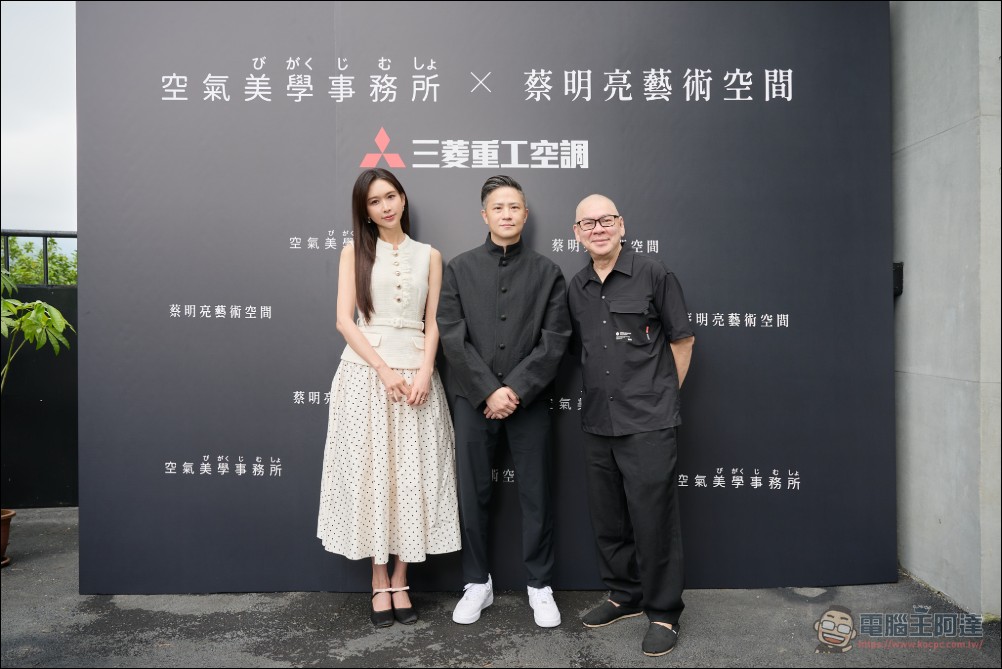
Air as invisible art
In this event, a seemingly strange combination appeared: Taiwan’s most internationally renowned artistic film director, a French fashion supermodel, and a brand that sells air conditioners. However, if you carefully savor the dialogue at the scene, you will find that there is a hidden logical axis between the three:How does air transform from a functional requirement into a perceptual experience and aesthetic language?。
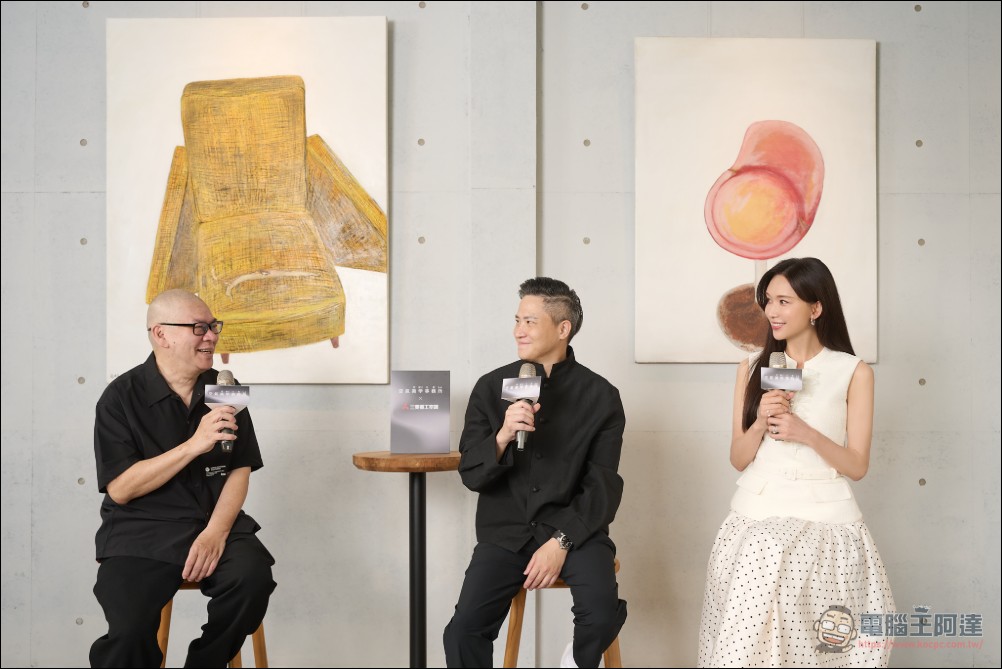
Tsai Ming-liang said: “The art museum is not just a place to display decorative works, but more like a space for people to slow down, and the air in it determines whether this ‘slowness’ can be established. When the audience enters the space, they may not be aware of the existence of air, but the feeling of quietness, stability, and staying is actually supported by the air.”
Lin Chiling responded to this proposition in a more everyday context. She said that although air cannot be seen, it is closely related to people’s emotional state. “When the air is comfortable, clean, and relaxing, you will find that your whole heart will gradually settle down, and the pace of life will become more leisurely.” As a mother, she has made a personal observation: “Children are actually very sensitive to the environment. If the air is stuffy or the temperature is uncomfortable, they will be more irritable and have a harder time concentrating. This makes me think that good air is actually a very daily but important care.”
The ruins on the mountainside of Xindian are reborn: the four major exhibition areas are exposed for the first time
“Tsai Ming-Liang Art Space” is located in Xindian District, New Taipei City. It is a private art space renovated next door to Tsai Ming-Liang’s residence. He and Li Kangsheng opened up and renovated three of the buildings, and the overall space was planned into four major exhibition areas:
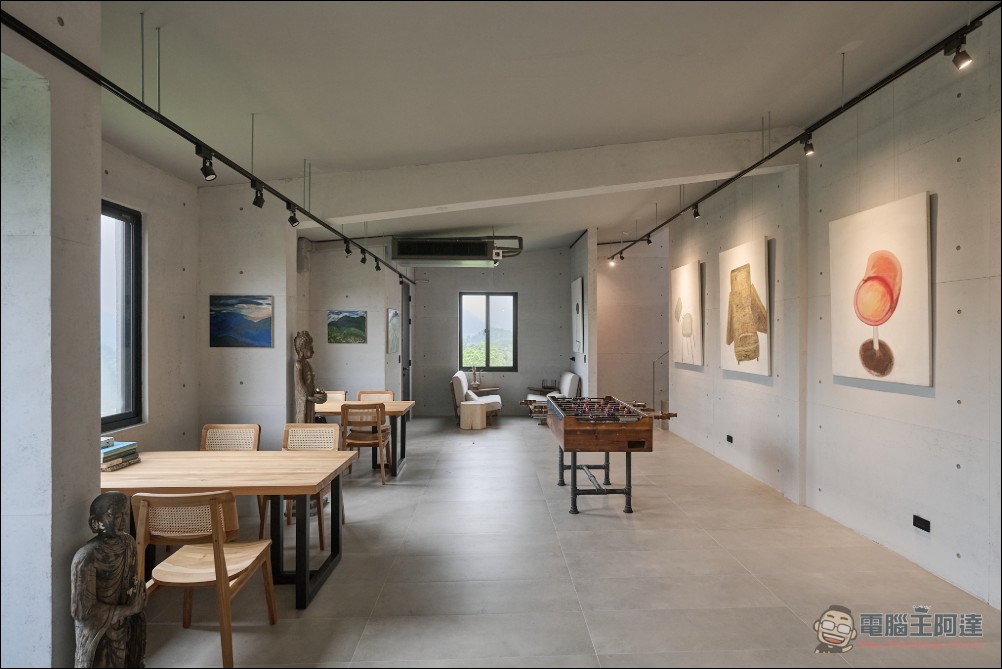
coffee corridor: Providing “Cai Li Lu” handcrafted coffee named after Tsai Ming-Liang, Lee Kang-sheng and their partner Lu Yijing, as well as Tsai Ming-Liang’s private delicacies, allowing visitors to feel the temperature of the space with their sense of taste in addition to viewing the exhibition.
paintings of days: The exhibition of a series of paintings created by Tsai Ming-liang as an extension of the movie “Days” is the first time that his painting creations have been fully disclosed to the public.
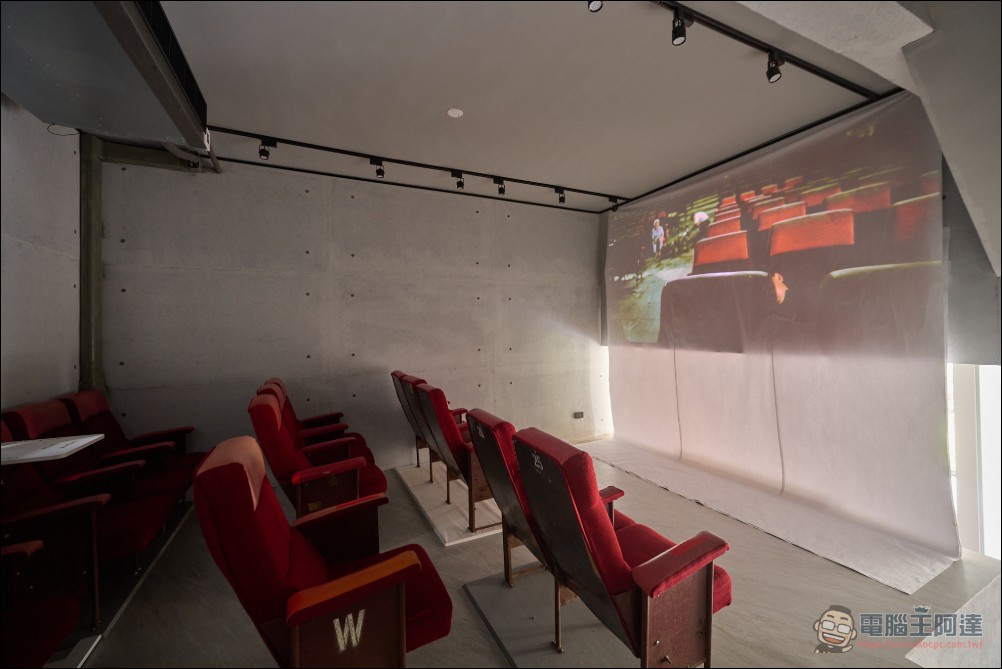
Little movie theater: For screening video short films, allowing the audience to feel the resonance of images and space in a quiet environment.
poster wall: A complete presentation of the exquisite movie posters of Tsai Ming-Liang’s eleven feature films, like a miniature retrospective of his forty-year video creation career.
The overall space is expected to be officially opened to the public in June this year. Tsai Ming-liang is currently recruiting staff through Facebook, and plans to start a trial operation with three employees. He also revealed that in the future, he will invite artists to live in the village, allowing creators to experience the mountain environment. “He can do whatever he wants. If he has some works, we can also help him sell them.”
Mitsubishi Heavy Industries Air Conditioning: Invisible Artwork, Visible Technical Role
In the overall planning of “Tsai Ming-Liang Art Space”, Mitsubishi Heavy Industries air conditioners play more than just a supporting role behind the scenes. The preservation of artworks has extremely high requirements on temperature and humidity. Once the environment is unstable, it may cause irreversible damage to paintings, paper documents and video media. Air Aesthetics Office uses Mitsubishi Heavy Industries’ air-conditioning system to accurately control the air flow, temperature and humidity inside the space to create the best preservation and display conditions for art works, while also ensuring that visitors can stay in a comfortable and stable environment.
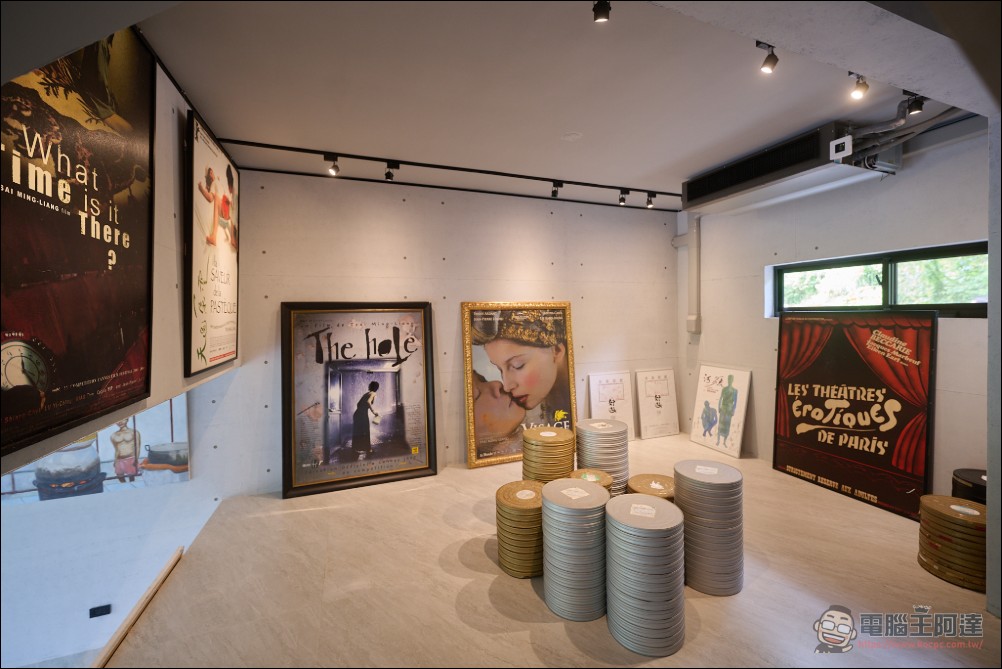
Tsai Ming-liang describes this feeling in poetic language: “The air is like an invisible work, invisibly shaping the mood and narrative of the space.” This sentence can almost directly become the brand interpretation of Mitsubishi Heavy Industries air conditioners.
Air Aesthetics Office: Premium logic subverts the air-conditioning consumption experience
“Air Aesthetics Office” is an air-conditioning brand under Shanghai Ocean Industry (stock code: 6728) with quality services as its core. Currently, its flagship store is located in Taipei Breeze Xinyi Department Store B1, redefining the entire experience process of purchasing air conditioners with the service logic of high-end consumers.
The brand’s service structure focuses on “one-stop integration” and has three major professional roles:Project consultant(Providing multi-lingual services in Chinese, English and Japanese, responsible for communication needs),air planner(Combining technology and aesthetics, tailor-made air solutions), andProgram Practitioner(Responsible for the precise adjustment of construction installation and space atmosphere).
Brand first at the same time“Air conditioning planning resume”The system will fully record every step from demand interviews, system design to installation and construction, so that customers’ usage requirements and design decisions are traceable. In the future, whether it is equipment maintenance or upgrades and modifications, historical records can be quickly accessed, significantly reducing communication costs.
Jiang Zhonglun, brand manager of Air Aesthetics Office, said: “We have observed that Taiwanese people are paying more and more attention to the quality of life, and more and more customers are not only paying attention to the details of life, but also pursuing quality experiences. We provide multilingual services so that consumers with different cultural backgrounds can feel the best air experience. In the future, we do not rule out expanding this concept to other cities, but the focus is not just on replicating the space, but on responding to the local environment and culture, and making differences for different sites, environments, and cultures.”
From washing machine agent to air conditioner aesthetics: the brand evolution history of Shangyang Industry
Behind Air Aesthetics Office is a medium-sized Taiwanese company that started out as a laundry company but has become deeply diversified. Shangyang Industrial was listed on the OTC market in 2020. It initially started as an agent for commercial washing and drying equipment such as Japan’s AQUA and the United States’ Ubiwash. Its service scope covers campuses and hospital dormitories across Taiwan, and it has built its own chain of self-service laundry brands “SeSA Laundry Bar”.
In 2016, Shangyang stepped into the home appliance agency business and introduced Mitsubishi Heavy Industries air conditioners, ranging from household models to large commercial systems. In recent years, it has continued to expand its brand territory: it includes its own lifestyle brand “one-meter”, gift selection brand “Heart Picks”, and is an agent of the French glass tableware brand “Duralex”, actively building a high-quality image among young consumer groups. “Air Aesthetics Office” is Shangyang’s most representative brand attempt in the high-end service market. It uses quality logic to reshape air conditioning, a category that has long been regarded as an engineering product.
New issues in contemporary life aesthetics: Can air design become mainstream?
The exposure of Tsai Ming-Liang Art Space is essentially a means of brand storytelling: but the proposition it carries is far more than just an advertising campaign. Air is the most ubiquitous yet most overlooked element in life. When a brand chooses to package an air conditioner usage scenario with film aesthetics and artistic dialogue, it is actually trying to reshape the consumer’s perception framework: air conditioners are no longer just appliances to escape the heat in summer, but are life infrastructure that can actively design emotions and create a sense of space.
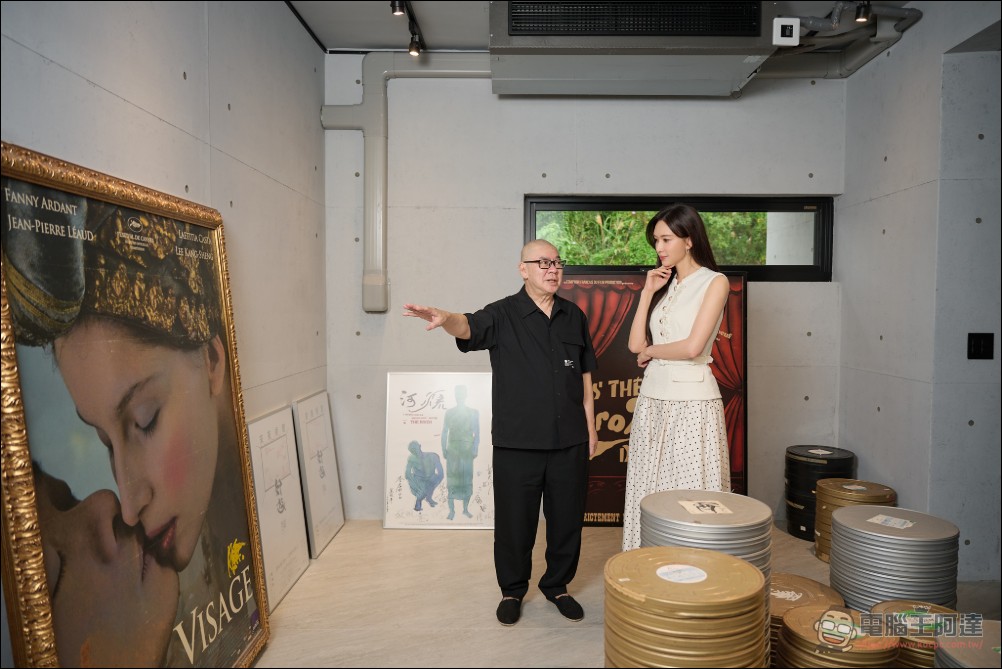
Lin Chiling’s views on parenting are the most convincing folk discussion on this proposition. Tsai Ming-liang’s artistic language is the most profound intellectual endorsement of this proposition. The two work together to establish a cultural significance for the concept of “air aesthetics” that goes far beyond product specifications.
“Tsai Ming-Liang Art Space” is expected to open in June. For fans who have followed Tsai Ming-liang’s creative process for many years, this may be a rare opportunity to enter his personal universe outside of his movies. For Air Aesthetics Office, this is just the starting point for their cross-border exploration.
Source: KOCPC Chinese