


Whether you are shopping for headphones or a Sound Bar, you may have seen the product advertised as supporting features such as “virtual surround sound.” It literally looks like you only need to use a set of stereo headphones, or at most the aforementioned listening device, to get surround sound. But can virtual surround sound replace traditional surround sound consisting of several speakers? The answer isn’t just a simple no.
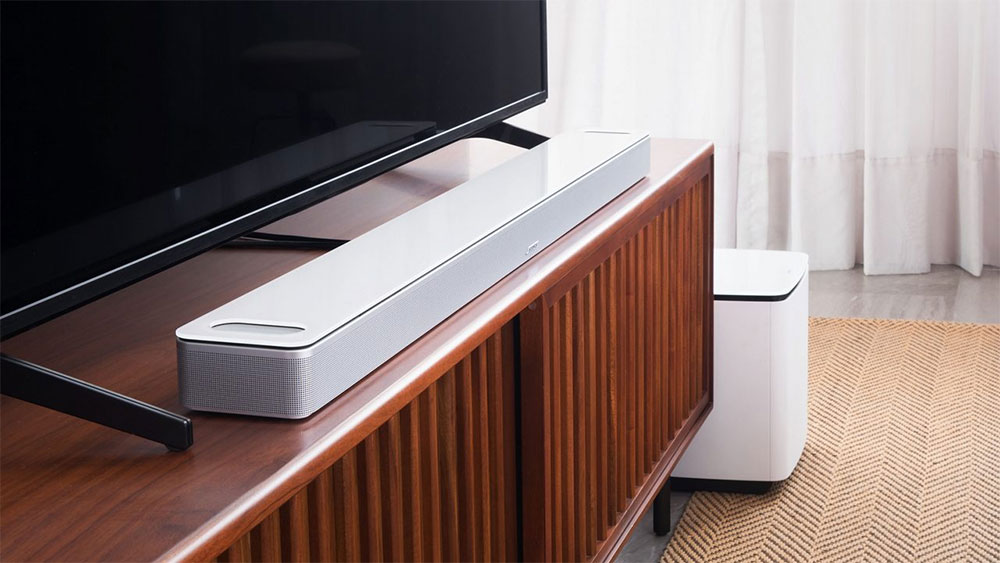
What is virtual surround sound? Can it replace traditional surround sound?
On paper, virtual surround sound sounds like the perfect solution. All you need is a pair of stereo speakers or a sound bar, and through the magic of software, you can bring the feeling of a complete 5.1 or even 7.1 surround sound system. It sounds great, but after all, large surround sound systems are complex, expensive, and take up a lot of space. Doesn’t virtual surround sound sound much simpler in comparison? So why do people still spend so much money and time on surround sound systems?
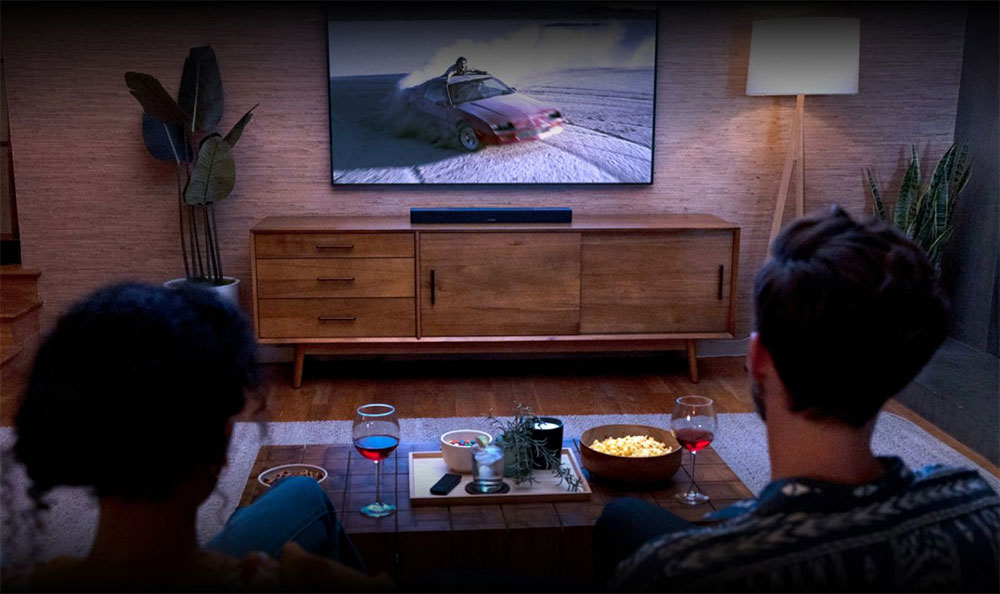
How virtual surround sound actually works
Virtual surround sound relies on psychoacoustics, essentially tricking your brain into hearing sounds where there are no speakers. By adjusting timing, phase, and equalization, audio engineers can trick your ears into thinking something is coming from behind or above you. You only have two ears, and the human body does not have surround sound hearing on a “hardware level.” Therefore, your ears and brain must perform some clever processing to use the small differences in hearing between the two ears to infer the location of the audio source. After understanding how the human brain processes audio positioning in space using just two ears, audio engineers began to take advantage of it, with virtual surround sound effects trying to simulate how sound bounces around your head when it actually comes from multiple directions.
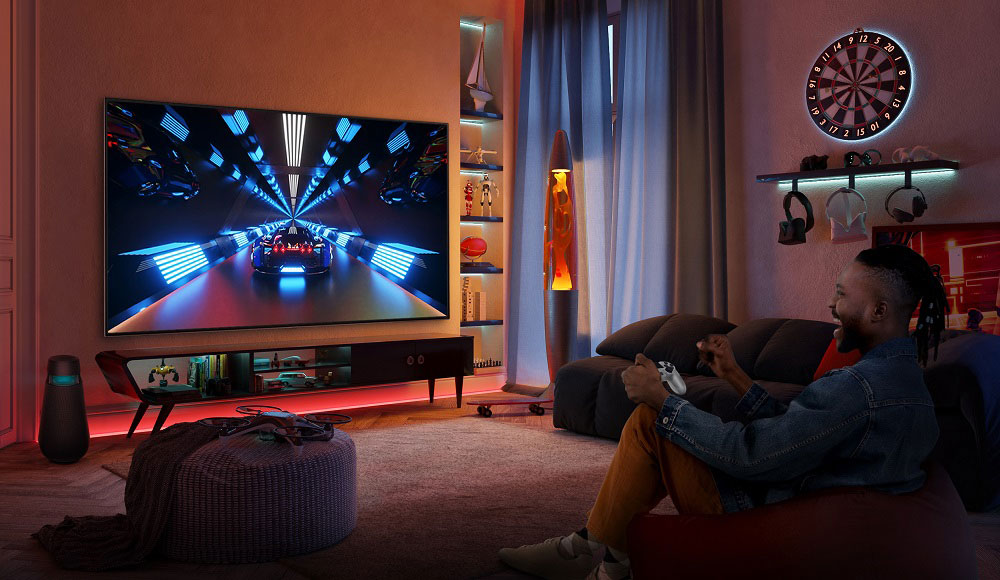
Why virtual surround sound can’t compete with real surround sound
The root cause is simple: there aren’t enough speakers. Virtual surround sound relies on just 2 speakers to do the work of 5, 7 or more speakers, which means there are no true divergent channels and a lot of missing spatial detail. Sounds from the rear are notoriously difficult to simulate; your ears are better at picking up sounds coming from the front, and virtual processing has a hard time duplicating sounds from the rear properly. Overhead sounds (such as helicopters flying overhead) are more difficult to simulate without overhead speakers, and virtual surround sound can only make it sound like they are next to or behind the person.
Then there is the issue of room acoustics. With the right surround sound system, you will have a large space to adjust and position the speakers so that the sound better matches the space. Although there is still a little wiggle room for higher-end virtual surround sound effects, the options are very limited.
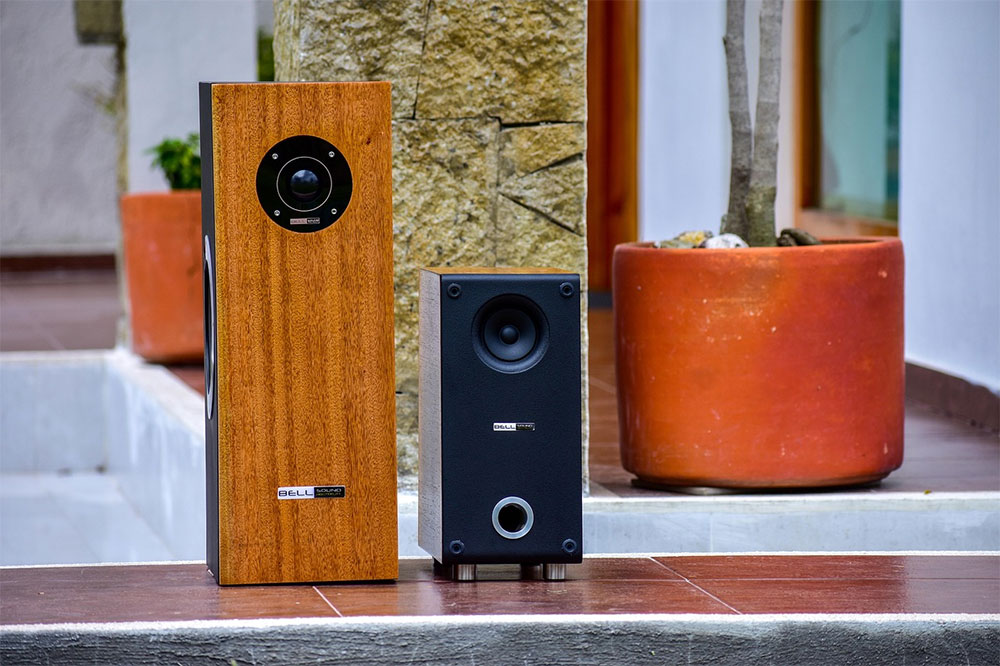
Best applications for virtual surround sound
In fact, the virtual surround sound effect is still very good. The problem is not the technology itself but the naming. Virtual surround sound, while not the same as real surround sound, will significantly improve immersion in media, but you have to sit in the exact sweet spot to get better results, so it’s not very friendly for group viewing. Headphones are probably the best use of virtual surround sound because the sound goes directly into your ears without being affected by the acoustics of the space.

Virtual surround sound isn’t a scam, but the technology’s marketing name is very misleading. In fact, virtual surround sound technology is great and can improve the audio-visual experience under limited hardware, but don’t think it can replace real surround sound.
Source: KOCPC Chinese