


Just earlier this month, Dutch media “Trouw” in a report conducted an in-depth analysis of the partnership between Niantic Spatial, a technology company spun off from the “Pokémon GO” developer team Niantic, and the US military technology company Vantor, and the final result suggested that the data collected by “Pokémon GO” through players is likely to be used to train US military drones, and the players themselves have never been clearly informed of the actual use of this data.
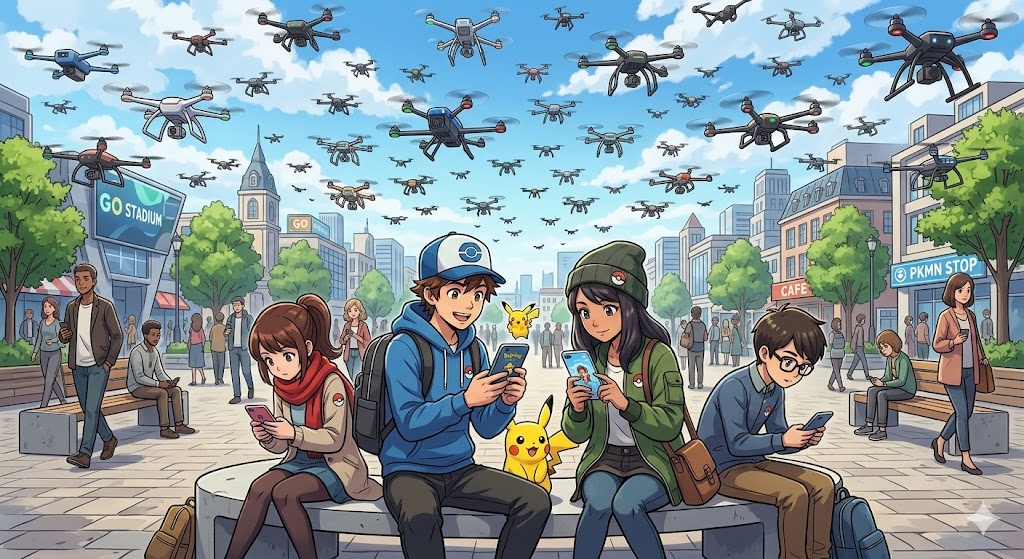
Niantic Spatial officially launched its partnership with Vantor last December. According to Niantic Spatial at the timestatement, the purpose of this cooperation is to improve the navigation capabilities of Vantor drones, especially to provide registration when the GPS signal is insufficient or interfered with or blocked.
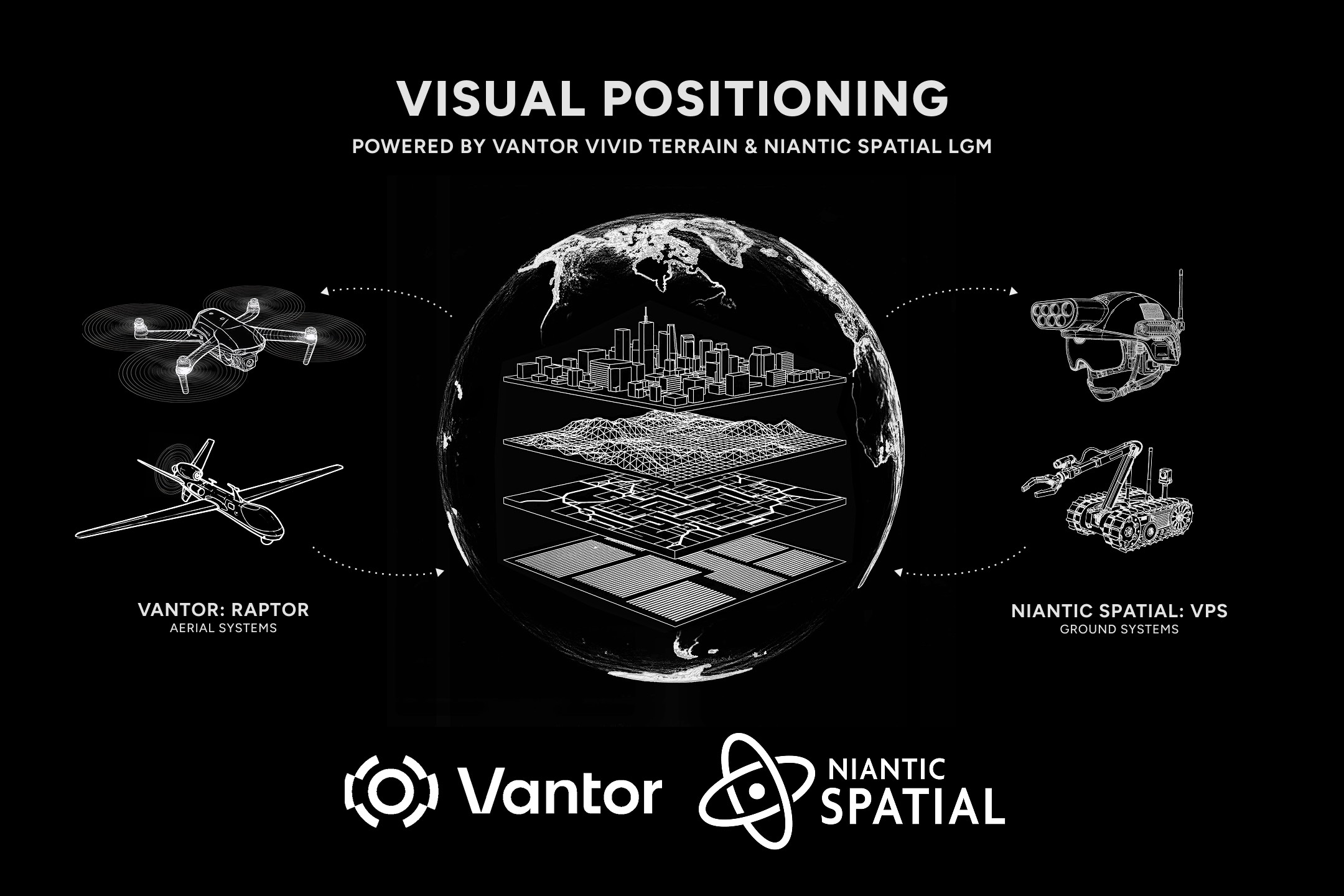
However, although the official did not mention that they would use player data from “Pokémon GO” in this cooperation, Niantic Spatial’s GPS technology experience did come from this popular game around the world. Not only that, the official announcement did not mention anything related to military use, but Vantor, formerly known as Maxar Intelligence, has long had a close cooperative relationship with the U.S. military and just won a new contract in February this year.
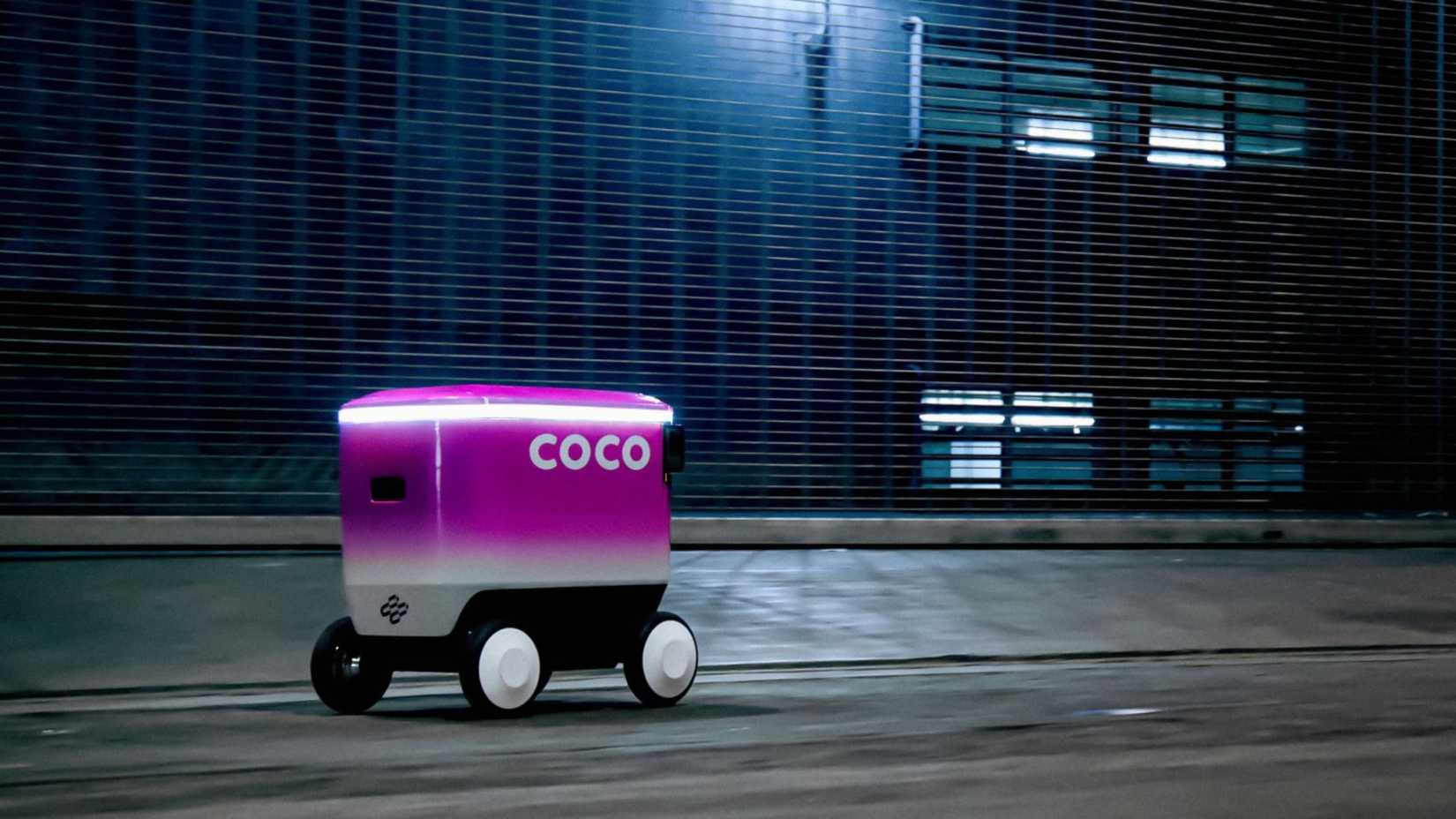
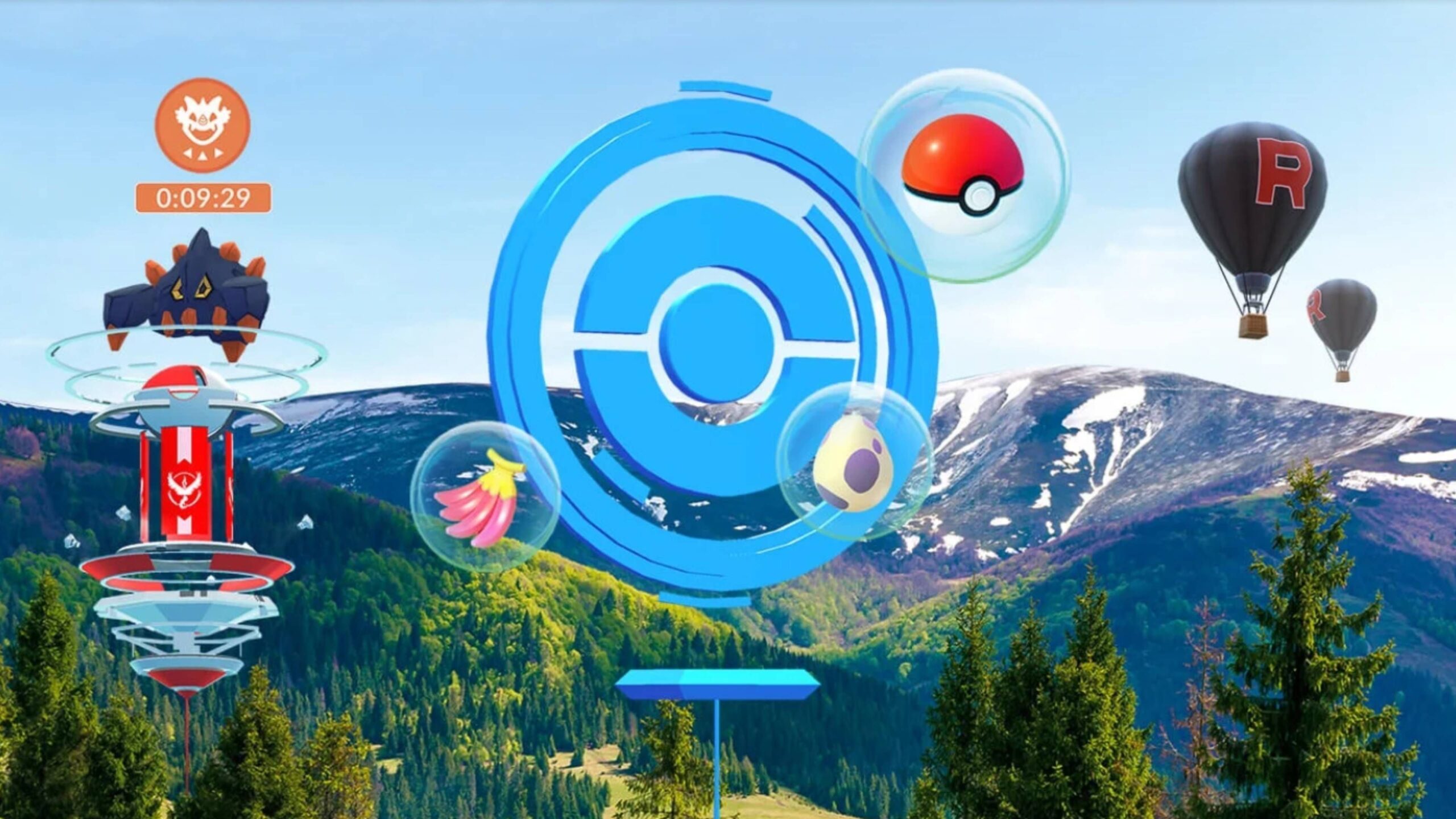
According to a report by “Trouw”, the data used by both parties in this cooperation includes 30 billion street images taken and uploaded by “Pokémon GO” players around the world when using the “supply station scanning” function in the game. In addition, this data is also said to be used in other applications such as automated delivery.
“Trouw” also pointed out that Vantor has begun to apply the AI technology system provided by Niantic Spatial. And if the AI system is used in Vantor’s cooperation project with the US military, then “Pokémon GO” player data is likely to be included in it. Although Vantor has clearly denied that they directly used data related to “Pokémon GO”, they “would not respond” as to whether the AI technology used was trained with player data from the game.
As for Niantic Spatial, it generously admitted that the player data of “Pokémon GO” was indeed used for the “early version” training of the AI system, but emphasized that this is still within the scope of use agreed by the players, saying that whether they, customers or partners will work together to ensure that Niantic Spatial’s products are used in the most responsible manner and respect human rights and ethical principles.
Since these systems are based on AI technology, the issues behind them appear to be more complex. As we all know, after an AI model is officially completed, it is often difficult to trace the source of the data used in the training process, and companies often avoid talking about whether there are some copyright-protected materials behind the training. Now, the data provided by “Pokémon GO” players without consent may become a tool for the US military to train weapons, which undoubtedly brings another worrying new problem.
Source: KOCPC Chinese