


What are people using generative AI for these days? As for me, since I’m worried about AI producing nonsense, I only use it for simple translation work. Articles that would normally take about an hour to read and understand can now be translated in just a few seconds with generative AI—I only need to double-check the translation for accuracy while reading. I’m sure I’m not the only one—many people probably use generative AI for translation. If it’s just for personal use, it’s not a big deal, but when applied to the translation industry, it sparks controversy. Japanese publishing startup Orange uses Anthropic’s flagship large language model, Claude, to help translate Japanese manga into English, allowing Orange to release translated works to overseas readers within days. Orange’s original intention was to make Japanese manga accessible to more people outside Japan, but their use of AI for manga translation has sparked industry debate and angered some manga fans.
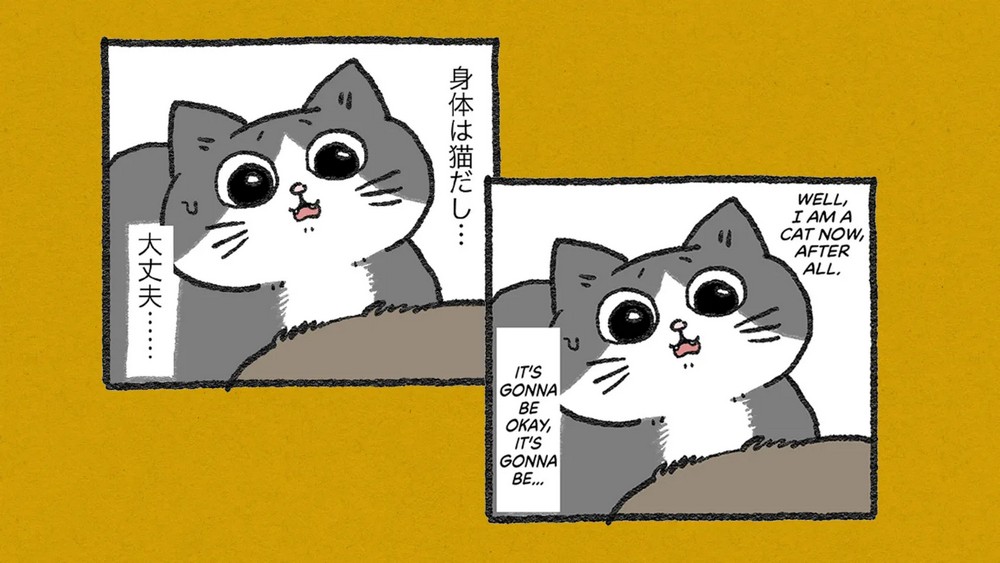
Challenges in Japan’s manga translation industry! Japanese startup Orange sparks industry debate with AI use
Japanese publishing startup Orange was founded by Shoko Ugaki, a super manga fan, with the goal of making Japanese manga accessible to more people beyond Japan. Because manual manga translation is so time-consuming—a single work can take 2 to 3 months to complete—only about 2% of manga published in Japan ever makes it to the U.S. market. Orange, however, uses Anthropic’s flagship large language model Claude to translate Japanese manga into English in just a few days, meaning they can complete a work in one-tenth of the time and bring it to Western readers.
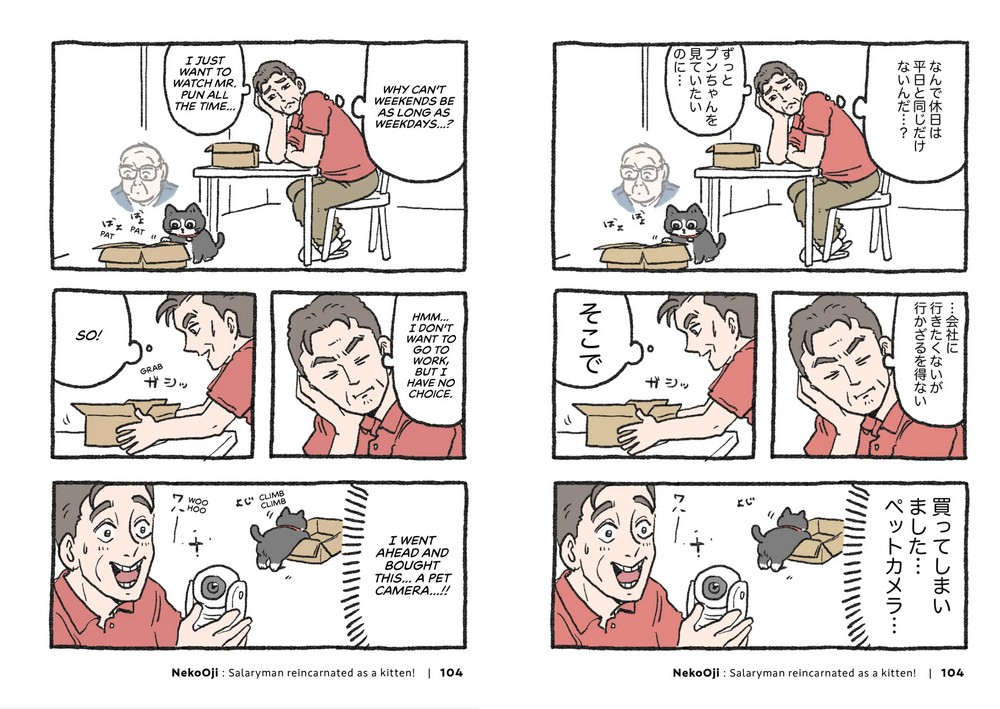
Although Orange’s starting point for using AI to translate manga is to help more people see Japanese comics, and they also understand that manga translation is a sensitive issue, and they say human creativity can never be replaced, there are still people who cannot accept this approach. Sociologist Casey Brienza, author of “Manga in America: Transnational Book Publishing and the Domestication of Japanese Comics,” said, “No matter how good Orange’s intentions are, I find using AI to translate manga offensive and insulting to a traditional art form.”
Although Orange stated that AI only serves as an auxiliary tool—extracting Japanese text from manga panels, translating it into English, and then pasting the English back into the comics—manga itself is a complex art form where the blend of images and text sometimes appears in dialogue bubbles and sometimes is scattered across the entire page. As a result, humans still need to closely monitor the AI translations throughout the process to prevent translation errors or misunderstandings of Japanese. At most, AI can serve as a tool to help humans streamline workflows that would otherwise be too time-consuming.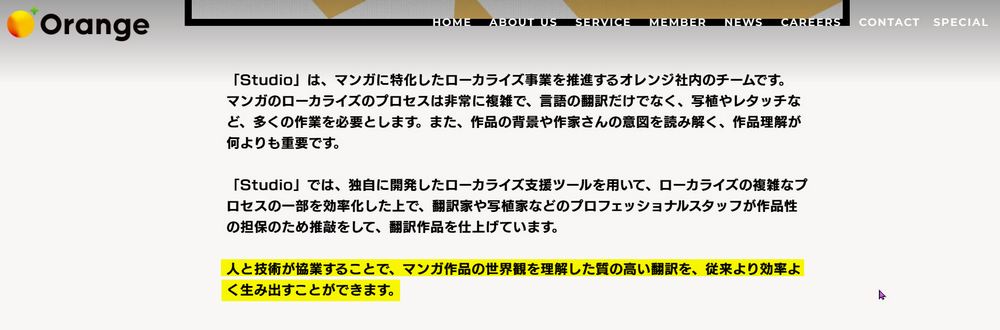
Orange has already provided an explanation for using AI to translate manga, but many remain unconvinced. For example, Japanese-to-English translator Jan Mitsuko Cash shared her views on Orange’s presence at Anime NYC 2024 in the US. She believes that companies like Orange should not appear at an event like Anime NYC, which celebrates the industry’s manga and manga professionals. She also publicly called on everyone to urge Anime NYC to ban AI companies from appearing.
A company like Orange has no place at the convention hosting the Manga Awards, which celebrates manga and manga professionals in the industry
If you agree, please encourage @animenyc to ban AI companies from exhibiting or hosting panels— Jan Mitsuko Cash 🧭 ジェン・光子・キャッシュ (@Jmitsu) August 26, 2024
Actually, besides Orange, there are other companies in Japan working on AI translation, such as Mantra, which I introduced before—a Japanese company specializing in AI manga translation technology. Mantra also uses AI technology to translate Japanese manga, and has even secured 780 million yen in funding from major Japanese publishers like Shueisha, Shogakukan, Kadokawa, and Square Enix. If you’re interested, you can click the link below to read the full article:
I wonder how everyone sees it? If you’re not working in manga translation, many people probably just want to get their hands on Japanese manga translated into English as early as possible. But people who work in manga translation might lose their jobs because they’re replaced by AI. And those who remain are just supervising the AI’s work, which is quite different from translating word by word on their own like before. It feels like the current dynamic between AI and humans is pretty much the same across the board—once AI comes in, a group of people lose their jobs, and the ones who stay are usually senior managers who can oversee the AI’s work. The news production industry we covered before is a similar case. If you’re interested, feel free to click the link below to read the related report:
Source: KOCPC Chinese