


The next generation of AMD consumer processors, the Ryzen 7000 series code-named “Raphael”, has recently received a new rumor. Tipster Tohsaka Komachi (KOMACHI_ENSAKA) believes that AMD Raphael will have a built-in RDNA2 architecture graphics core, and this may be an opportunity for AMD to break the convention of dividing CPU and APU according to whether there is internal graphics or not. In the past, we could tell whether this was an AMD APU with built-in graphics by looking at the “G” suffix in the model number. But in the future, there may not be a distinction between CPU and APU. If rumors say, all AMD Ryzen processors will be sold with built-in graphics in the future:
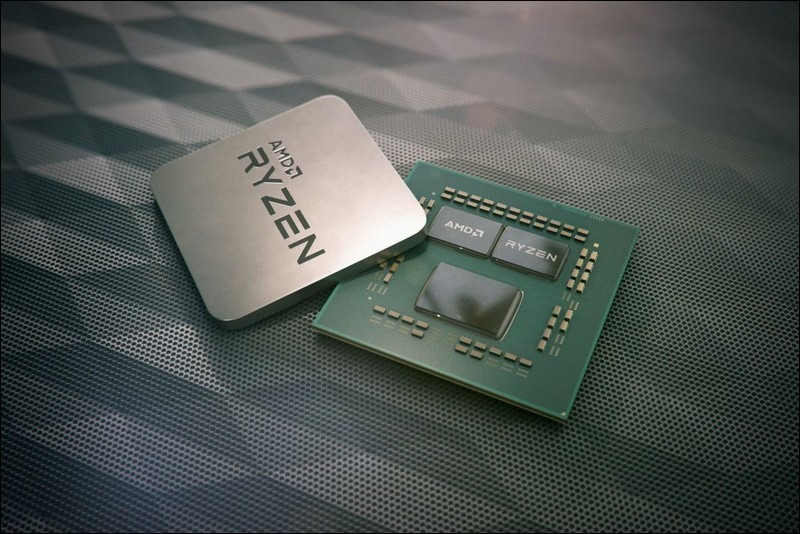
▲In the future, AMD Ryzen processors may not distinguish between CPU and APU, and all of them will have built-in graphics? (Image source)
AMD Raphael, also known as the AMD Ryzen 7000 series, is the next generation of AMD processor series that will be launched around the second half of this year. There were not many rumors about AMD Raphael last year. At present, it is only known that this new series of processors using the Zen 4 architecture will abandon the AM4 pin and embrace the new AM5 pin platform. and in The EPYC brand may launch a 128-core supercomputer processor. This time there is a new rumor, that is, Ryzen 7000 will be a new series that integrates CPU and APU. Next, we may see that both CPU and APU will have built-in display chips. The “G” in the model may disappear because of this, or other new naming logic may appear.
According to information provided by tipster Tohsaka Komachi, this internal display is known to use AMD RDNA 2 architecture. Some people may not understand the name of this display core, but if we mention that the GPUs used in game consoles such as PS5, Xbox Series X/S, and Steam Deck all come from this architecture, I believe players will have a clearer understanding of it. Tohsaka Komachi mentioned that the graphics core specifications used by AMD Raphael are 2 WGPs (WorkGroup Processors, commonly known as workgroup processors). There are a total of 4 CUs (Computer Units) in these 2 WGPs. According to the AMD SMU driver information, the maximum clock speed is 1.1GHz. Judging from this information, the single-precision computing performance of this internal display is estimated to be about 0.5 TFLOPs.
2WGP/4CU@1100Mhzならまあまあ使い物になるのでは?>RaphaelさんのiGFX。
— 遠坂小町 (@KOMACHI_ENSAKA) February 24, 2022
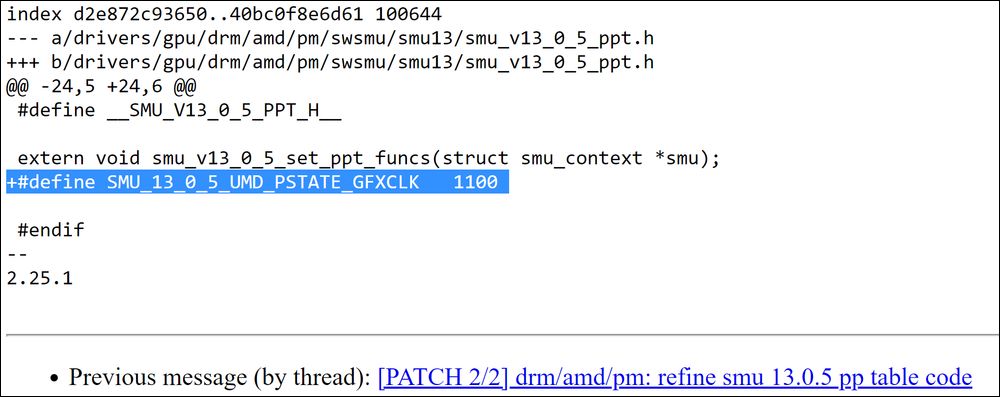
▲The SMU driver for Linux Kernel revealed that this internal display will have a clock speed of 1.1GHz (Image source)
The performance of 0.5 TFLOPs is certainly not comparable to that of the big guys’ beloved independent graphics. If we want to set a comparison object, we can compare it with the Steam Deck, which also uses RDNA 2 GPU. The single-precision computing performance of the Steam Deck is about 1.6 TFLOPs. However, the graphics core specifications of the Steam Deck are slightly better. It has 8 CUs and the clock is set at 1.1GHz to 1.6GHz. Therefore, compared to the legendary AMD Raphael internal graphics chip, the theoretical performance is about three times faster:

▲The theoretical performance of this new internal display is roughly equivalent to one-third of the GPU in the Steam Deck (Image source)
The internal graphics used by AMD Raphael are usually unlikely to be very powerful, but they must at least be usable. Because the purpose of the internal display is usually to block the scene when there is no chance for the independent display to perform. For example, on barebones or ultra-thin laptops with limited space, or when gamers are faced with a graphics card failure and need to be repaired, the internal display plays its role in:
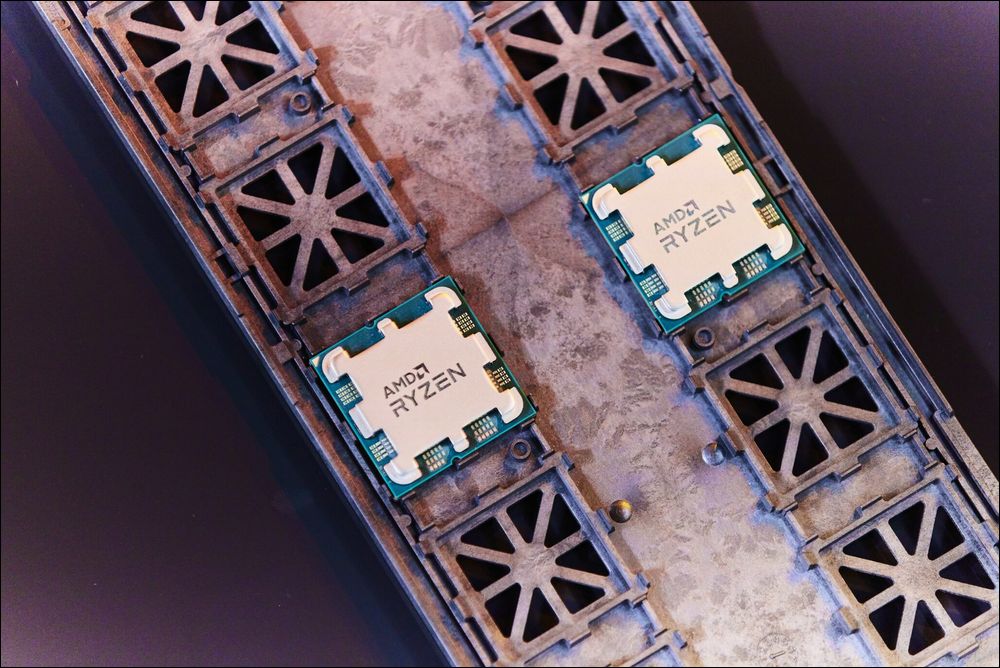
▲AMD “Raphael” Ryzen 7000 series is expected to be released in the second half of this year (Image source)
However, it is not yet known how high AMD Raphael will set the internal display in the desktop and notebook versions of the processor, so just listen to the rumors for now, and the specifications of the final product should be based on.
Source: KOCPC Chinese