


Midjourney, known for its AI image generation, yesterday announced the launch of a full-body ultrasound scanner, which is probably one of the most unexpected product launches in the tech world in 2026. Midjourney unveiled its first hardware product “Midjourney Scanner”, a whole-body computed tomography device based on ultrasound technology, at a live broadcast conference on June 17. It also announced the establishment of a new department “Midjourney Medical”. Midjourney plans to open its first “Midjourney Spa” in San Francisco’s Union Square before the end of 2027, integrating medical-grade scanning with hot springs, saunas, and cold baths to create a new consumer health experience.

Midjourney Scanner: Ring scan of 8,960 transducers
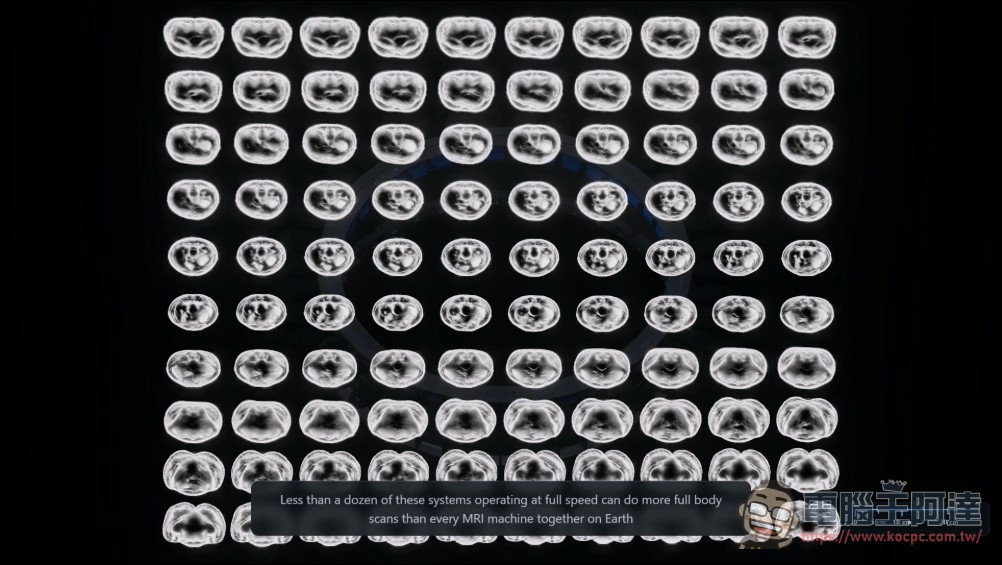
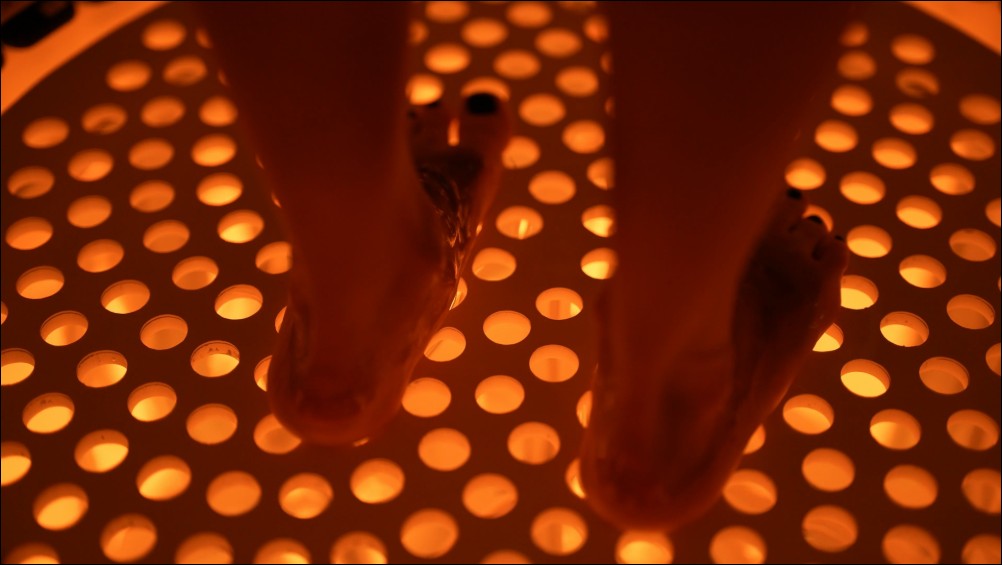
The Midjourney Scanner works differently than a traditional MRI or CT. The user steps onto a platform and slowly sinks into the water, while the body passes through a ring-shaped structure full of sensors. The ring is equipped with 8,960 independent transducers (transducers). Each transducer plays the role of a transmitter and a receiver at the same time, emitting ultrasonic waves from various angles, then receiving the echo signals after passing through the human body, and reconstructing a detailed 3D image through calculation.
A technical dive inside our new “Midjourney Scanner” pic.twitter.com/wJBHz2O7ro
— Midjourney (@midjourney) June 18, 2026
The hardware specifications of the entire system are quite amazing. According to Midjourney, each scanner uses 40 Butterfly Network’s Ultrasound-on-Chip imaging modules. The system can process 17GB of data per second, with a raw data volume of 40GB per cross-section and a computing power of 2 petaflops. The scanning process takes about 60 seconds, and the platform descends at a speed of about 5 centimeters per second.
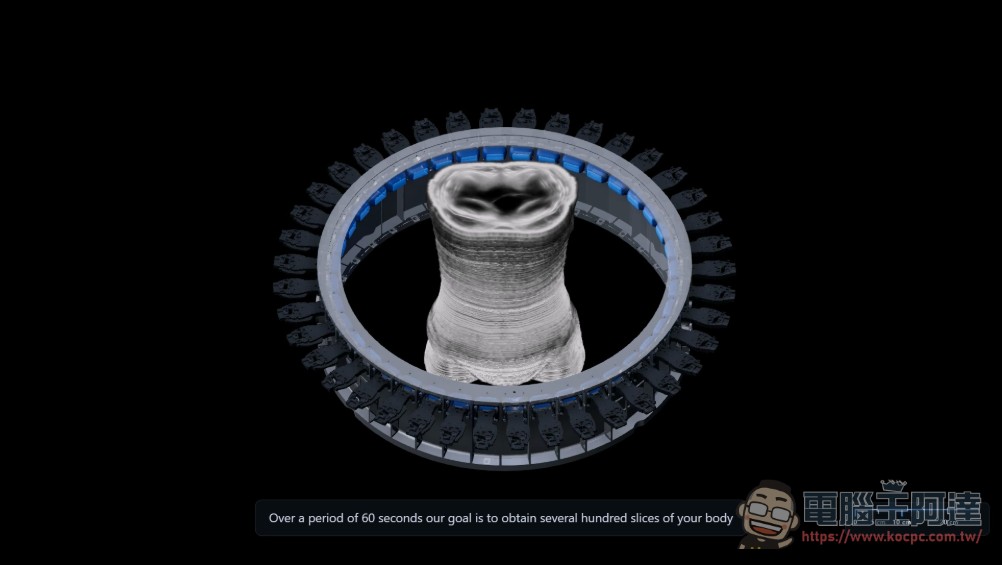
Holz said the scanner is “better than MRI in many ways” and uses no radiation or powerful magnets. He also made a bold comparison: With fewer than a dozen Midjourney Scanners around the world, it could theoretically perform more full-body scans than all the MRI machines on the planet combined.
Butterfly Network Licensing Deal: $44M Bet
Midjourney didn’t build the scanner from scratch, but it’s built on Butterfly Network’s semiconductor ultrasound technology. On November 17, 2025, BFLY Operations, a wholly owned subsidiary of Butterfly Network, signed a five-year co-development and licensing agreement with Midjourney.

Trading conditions include:
- Early authorization fee: US$15 million (approximately NT$488 million)
- annual licensing fee: US$10 million (approximately NT$325 million) per year for five years
- Milestone payments: Up to US$9 million (approximately NT$29.25 million)
- revenue share: Revenue share after hardware shipment
Overall, the fixed expenses alone amounted to more than US$65 million (approximately NT$2.1 billion). Coupled with milestone payments and revenue sharing, Midjourney’s investment in this transaction is considerable.
Butterfly Network itself is a leader in handheld ultrasound devices, with revenue of $21.5 million in the third quarter of 2025 and a record high of $31.51 million in the fourth quarter, achieving positive operating cash flow for the first time. This Midjourney deal is a major strategic collaboration for Butterfly, and the stock price soared by more than 16% after the news was announced.
Midjourney Spa: Packaging medical imaging with spa
Midjourney’s business strategy skips the traditional medical device sales pipeline. It doesn’t plan to sell the scanners to hospitals or imaging centers, but to open its own consumer-oriented physical spaces.
The first Midjourney Spa will be located in Union Square, San Francisco, and is expected to open before the end of 2027. The facility features 10 scanners, a gym, sauna, cold tub, and scanning room with hot tub. Users can complete a full-body scan in a resort-like environment.
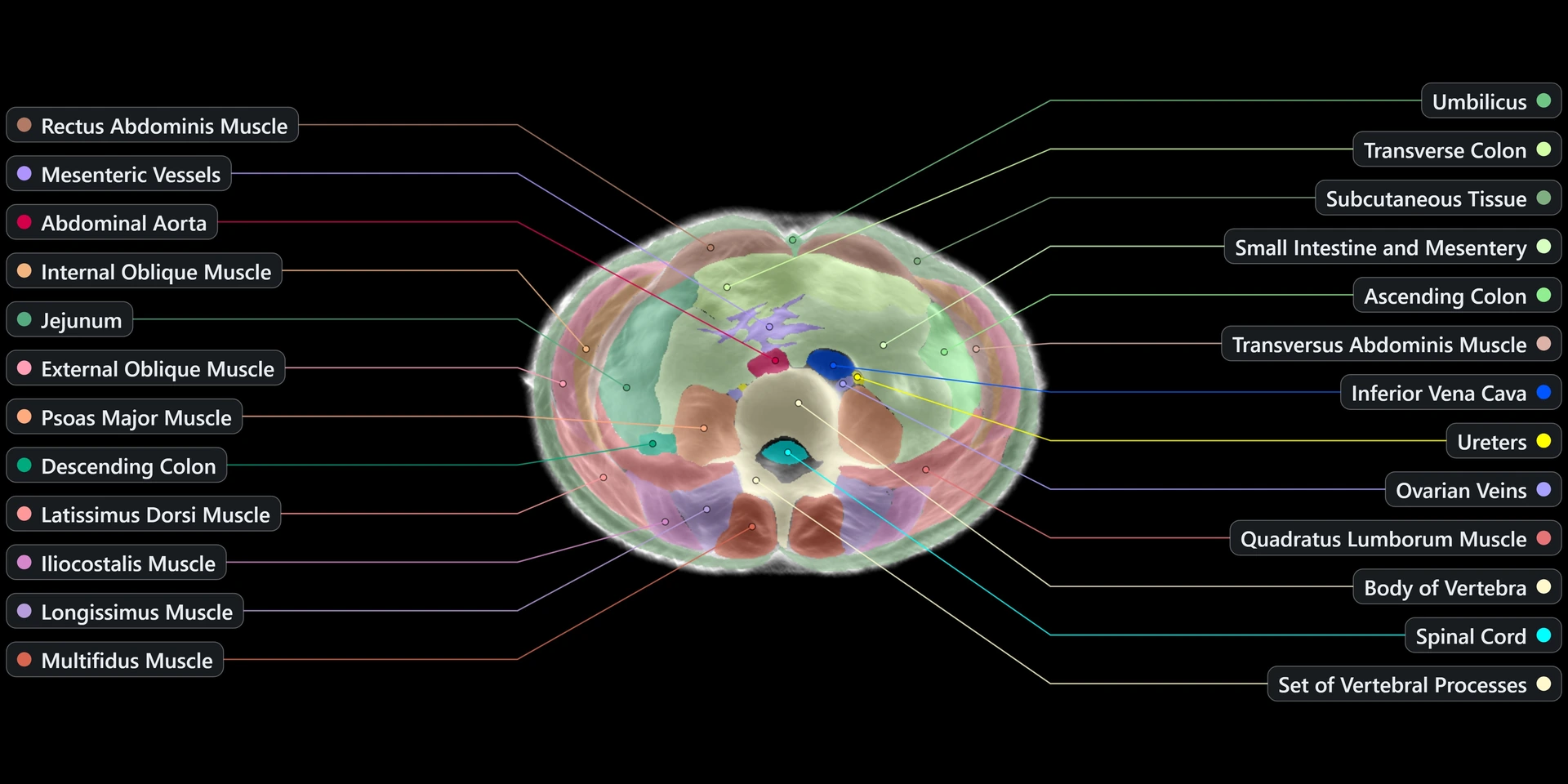
The genius of this strategy is regulatory avoidance. Midjourney has made it clear that its current product positioning is “body composition maps”, covering the composition analysis of muscles, fat, bones and organs, rather than disease diagnosis. The latter requires a 510(k) review from the FDA or a higher level of certification, while the former has a lower threshold. The database of user-generated scans can be shared with doctors or AI health tools, but Midjourney will not make medical diagnoses just yet.
Vision of 50,000 scanners, 1 billion monthly scans
Midjourney’s long-term plans are extremely ambitious. The company aims to deploy more than 50,000 scanners globally by 2031 and perform 1 billion scans per month.
Midjourney CEO Holz envisions a use case where people scan it once a year or even daily to track how their bodies respond to changes in diet and exercise. “I’m not the most measured person on the planet yet, but maybe I would like to have these quantifiable data every day,” he said at the press conference.
From a business perspective, the real stakes may not be in spa admission or scanning fees, but in the materials themselves. Midjourney built its AI image generation business by learning from vast amounts of visual material. If it could collect billions of repeated ultrasound scans, tracking changes in the same person’s body over time, the image data set could be worth far more than the spa or the scanner itself.
The confidence of hardware dreams: Holz’s previous chapter is Leap Motion
Midjourney’s move into hardware may seem out of the blue, but once you understand Holz’s background, it’s less surprising. Prior to founding Midjourney, Holz co-founded Leap Motion in 2010, a company focused on optical hand tracking technology that provides interactive interfaces for virtual reality and augmented reality applications. He served as chief technology officer at the company until 2019, when Leap Motion was acquired by Ultrahaptics (now Ultraleap).
In addition, Midjourney recruited Ahmad Abbas as head of hardware department in August 2024. Abbas previously served as Hardware Engineering Manager on the Vision Pro project at Apple. According to the company, the scanner, which is internally codenamed “Orb,” has been physically present in Midjourney’s offices for a long time and can be seen every day.
unanswered questions
Despite the visually stunning presentation, several key questions remain unanswered. First, the exact connection between Midjourney’s AI image-generating technology and this scanner is unclear. What are the technical synergies between the two, besides “being used to handle a lot of computing”? The Verge’s Richard Lawler said after watching the livestream that he still doesn’t know the exact connection between Midjourney’s AI image-generating technology and Midjourney Medical’s plans.
Secondly, these specifications: “better than MRI in many ways”, “completes full-body scan in 60 seconds”, “costs only a few dollars” – all come from Midjourney’s own claims and have not been verified by an independent third party. Holz said about a dozen people have been scanned so far, and it’s still a long way from clinical validation and FDA approval.
Third, the complexity of hardware operations far exceeds that of software. Midjourney must build scanners, maintain the equipment, operate physical consumption locations, protect sensitive health data, handle equipment failures, and earn public trust in a field where one wrong answer can have serious consequences.
8 parallel projects for Midjourney
In addition to the scanners, Midjourney revealed that the company currently has eight projects underway: four software projects and four hardware projects. Two of the hardware projects are “small devices that can be held in your hand,” and the other two are “huge devices” like scanners. All projects are currently marked “To Be Announced” (TBA) on the website.
Conclusion
Midjourney’s jump from AI image generation to medical image scanning may seem like an unrelated crossover, but as the AI image generation market becomes increasingly crowded, with Adobe, Google, OpenAI, and a host of small model companies all vying for food, Midjourney has chosen a path that is heavier, slower, but also harder to copy: physical infrastructure, regulatory experience, and an endless stream of human body image data.
The success or failure of this bet will be revealed as soon as the opening of Union Square in San Francisco at the end of 2027. The preliminary answer will be: Is anyone really willing to walk into that golden pool?
Source: KOCPC Chinese