


The big.Little architecture on ARM is expected to become a reference for major x86 processor manufacturers. I believe this is not news. But in addition to Intel using the Lakefield architecture to explain the advantages of the “big.Little-like” architecture, AMD has also been gaining momentum. It is nothing new for AMD to launch new processors similar to the big.Little architecture. I also heard a lot of rumors. But recently the company applied for a patent for a new technology. According to the description of the patent, it may be hinted that AMD has already prepared a new processor technology similar to the big.Little architecture principle, and has even developed it to a certain extent. Although we don’t know whether the AMD version of the hybrid core architecture will be positioned for mobile devices that require energy saving like Intel Lakefield, it is certain that the two major players in future x86 processors may regard the concept of this type of hybrid core as the design direction of future processor architectures.
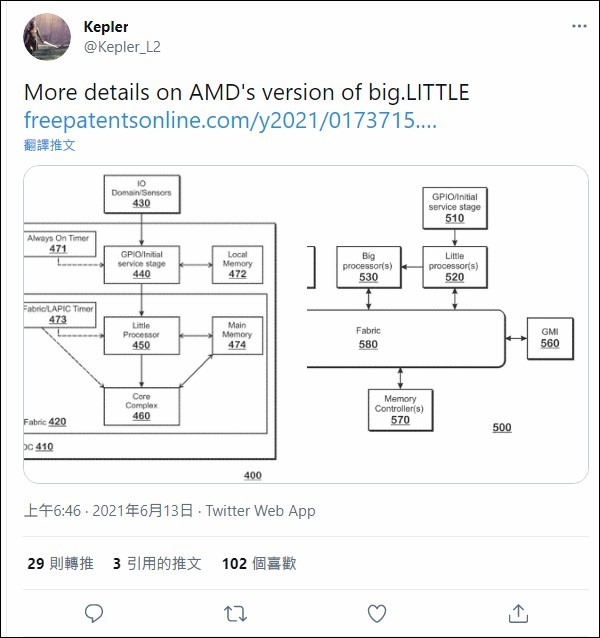
▲Whether AMD’s big.LITTLE architecture will produce surprising products in the future is still worth looking forward to (Image source)
Last year, Intel launched the Lakefield processor with a hybrid core architecture as the dominant x86 processor. The processor combines one big Ice Lake core with four small Tremont cores. The Alder Lake architecture that will be launched in the future is even rumored to have 8 low-power Gracemont cores and 8 high-performance Golden Cove cores. It is obvious that Intel has already taken a step forward in the hybrid core architecture, but AMD has not yet seen similar processor products come out. Perhaps the success of the Zen architecture has given AMD a chance to stabilize, but after seeing the exposure of AMD’s new patents, it may be found that the company has some different ideas for the design of new architectures in the future.
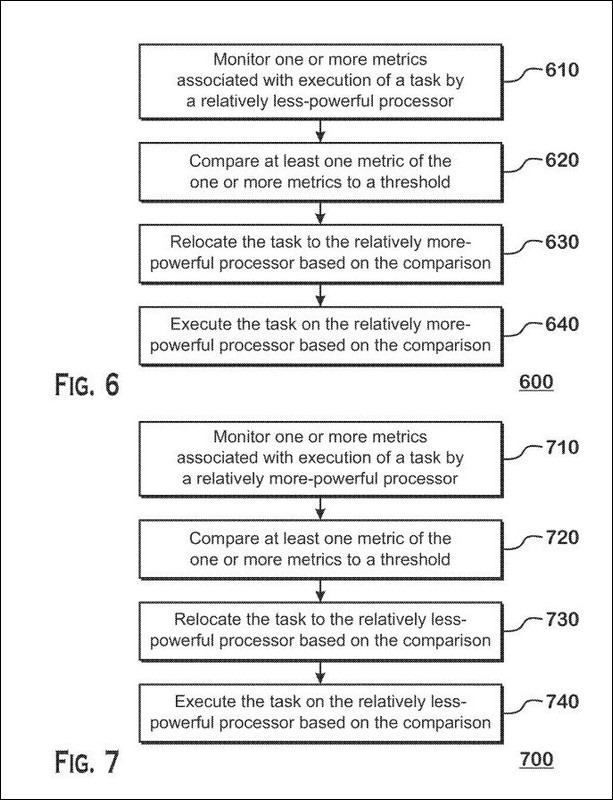
目前曝光的 AMD 混合核心专利中,并非提及 AMD 将采用何种形式的混合核心配置,而是提出了一种由 CPU 核心将工作转移到另一个 CPU 核心的方式。 When work is transferred between two cores, the idle core goes directly to the idle state. Whether it is transferring work from a small core to a large core, or vice versa, this technology can achieve this state. In other words. What this patented technology obviously wants to emphasize most is that the AMD version of the hybrid core may have greater improvements in energy consumption ratio:
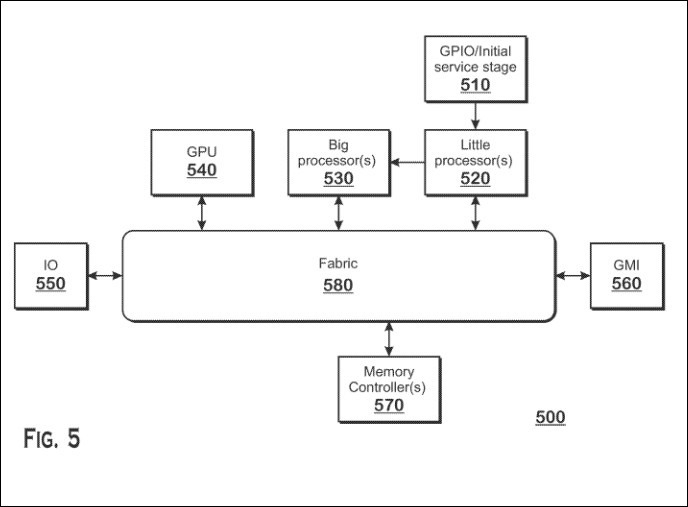
▲The patent document mainly describes how AMD transfers work between different cores, indirectly discovering that AMD is actually capable of making hybrid core architecture processors (Image source)
Of course, even if the new architecture is to achieve a higher energy consumption ratio, the key is not just the renovation of the hardware architecture. Just look at the M1 from Apple next door for an example. Although this chip is powerful, the real power is that Apple has integrated M1 and macOS with each other, using macOS to take advantage of the powerful performance of the new architecture. If AMD and Intel are going to compete for life and death with hybrid core processors in the future, it will be very important whether the Windows system optimizes them. Therefore, it is speculated that even if the hybrid core has progressed to the point that it will be launched within a year, the top priority may be optimization for Windows 10 or the future Windows 11:
▲There is currently no trace of AMD’s hybrid core architecture, and we can only speculate from fragments of information (Image source)
However, at this stage, it is still unknown whether Windows 11 has a better chemical effect with the new architecture processors of the two companies. In the past, Microsoft’s optimization of new processors was not very fast, but Intel Alder Lake seems to be a major driver of Windows 11’s optimization of hybrid core processors. After all, this series of hybrid core processors is the fastest to be launched at this stage. Perhaps after Intel breaks through all the obstacles and opens a new path, it is unknown whether the two companies will have more interesting ideas on this type of architecture in the future: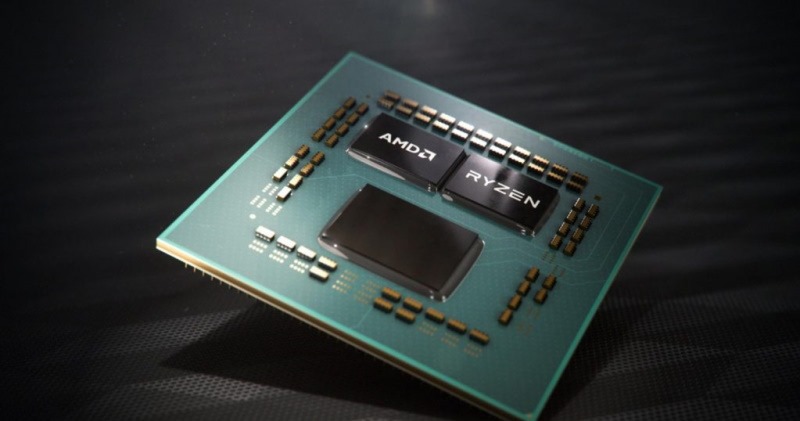
▲No matter how powerful the processor is, it will still be difficult to use its full capabilities without integration with the operating system (Image source)
Source: KOCPC Chinese