


Building a humanoid robot from scratch might seem like a tall order for most people, but Menlo Research’s open-source humanoid robot project Asimov has recently announced two ways to obtain it: users can either source parts themselves to assemble the Asimov 1, or purchase the official “Here Be Dragons Edition” DIY kit directly. The Asimov 1 is not a traditional “plug-and-play” commercial robot—it’s an open-source bipedal humanoid robot standing 1.2 meters tall and weighing 35 kilograms, licensed under CERN-OHL-S-2.0 for hardware and GPL-2.0 for software. All CAD files, circuit schematics, simulation models, and BOM (Bill of Materials) are publicly available on GitHub. This means anyone with a technical background can build this robot from the ground up.
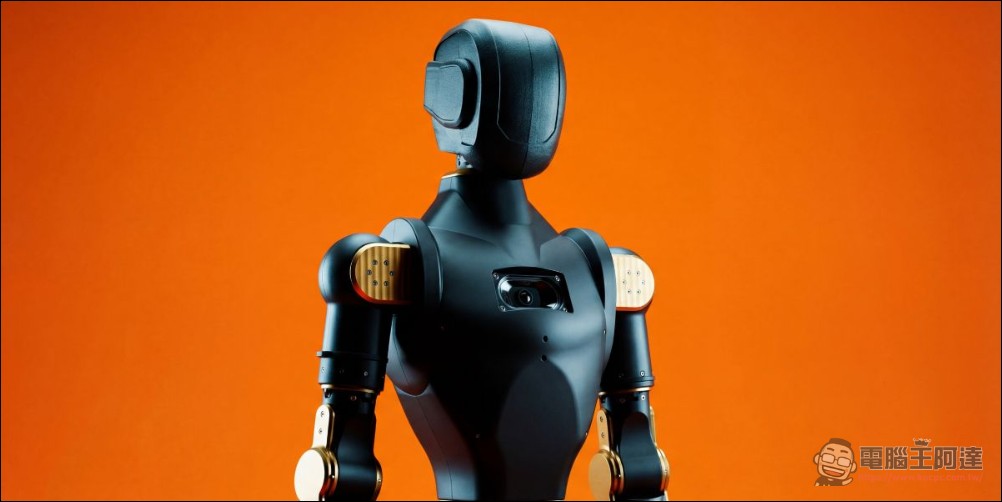
Open-source Humanoid Robot Asimov 1 Now Available for DIY Kit Pre-order
Asimov 1 Technical Specifications:
Asimov 1 is a bipedal robot that stands 1.23 meters tall and weighs 35 kg, with 25 active degrees of freedom (DOF) plus 2 passive toe joints.
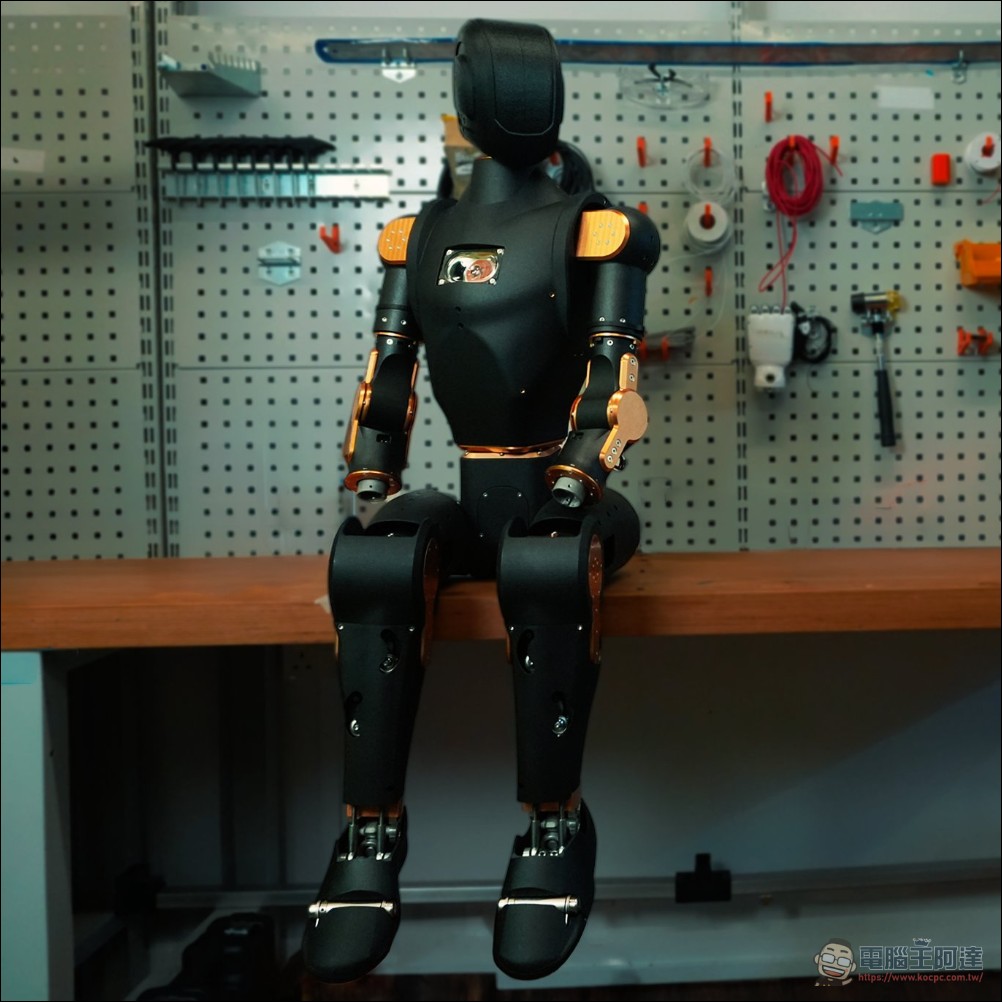
- Leg6 DOF per leg + 2 toe DOF, featuring an innovative RSU (Revolute-Spherical-Universal) ankle mechanism that provides more natural ground reaction force handling through parallel actuation
- armEach arm has 5 DOF (shoulder pitch/roll/yaw, elbow, wrist yaw)
- torso1 DOF waist rotation, equipped with 10W 4-ohm speaker, 6 DOF IMU
- Head2 DOF neck (yaw + pitch), built-in quad-microphone array, and 2MP single-lens camera
- Peak Torque:120 Nm
- load capacitySquat: 5 kg, bicep curls: 15 kg per arm, lateral raises: 18 kg per arm
The computing system uses a dual-chip design: one Raspberry Pi 5 handles multimedia and network communication, while one Radxa CM5 handles real-time motion control. The communication architecture consists of five 1Mbps CAN Buses plus one 500kbps CAN Bus.
Two ways to get it: Buy yourself vs. Kit
According to official information, there are two ways to obtain Asimov 1:
Asimov 1 is an open-source humanoid robot you can build and customize yourself.
Two ways to get one:
1) Source the parts yourself: https://t.co/yliuWzFpdp
2) Get the DIY kit: https://t.co/DMIO7Q9LhyThe kit bundles every part as a group buy, cheaper than sourcing one by one,… https://t.co/OsBGCzXkW0 pic.twitter.com/AqTD2KziJJ
— Asimov (@asimovinc) July 1, 2026
Option 1: Self-source the parts
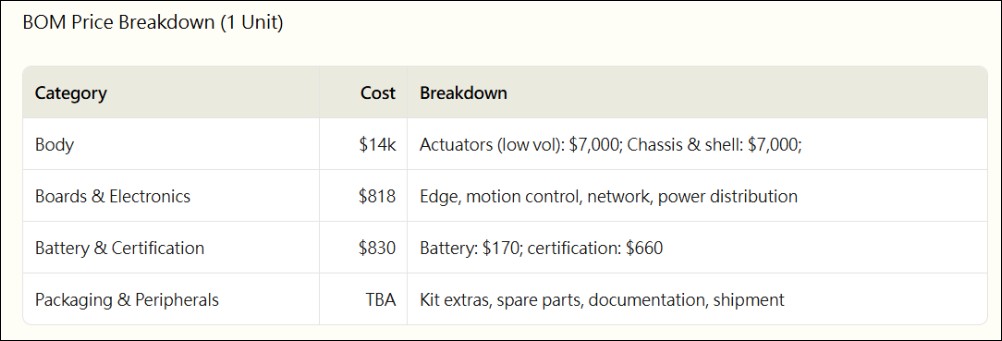
Go to Asimov 1 BOM Pagewhich lists all off-the-shelf component models and recommended suppliers. According to official estimates, the cost per unit for self-procurement is approximately $16,000 (approximately NT$520,000)Most of the cost comes from the actuators (approximately $7,000 for low-volume procurement) and the chassis housing (approximately $7,000). The circuit boards and electronic components are about $818, and the batteries and certification are about $830.
Option 2: DIY Kit “Here Be Dragons Edition”
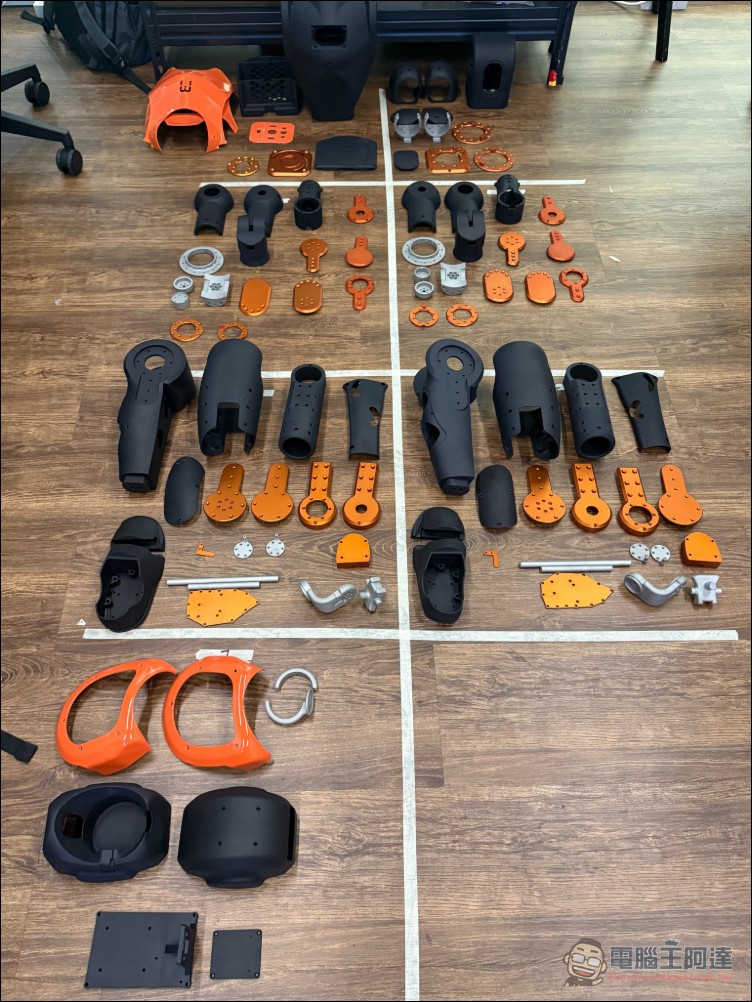
approximately the selling price target 15,000 USD (approximately NT$487,000)Pre-order by paying a $499 deposit, with the balance due before shipment. The kit includes all BOM components (unassembled), power supply and cables, spare parts, Raspberry Pi edge board, motion control board, network board, power distribution board, sensors (monocular camera, IMU, microphone, speaker), wireless emergency stop button, and safety guide. ⚠️ Not included: tools, hands, battery, 4G/5G module, LiDAR, 360° camera.
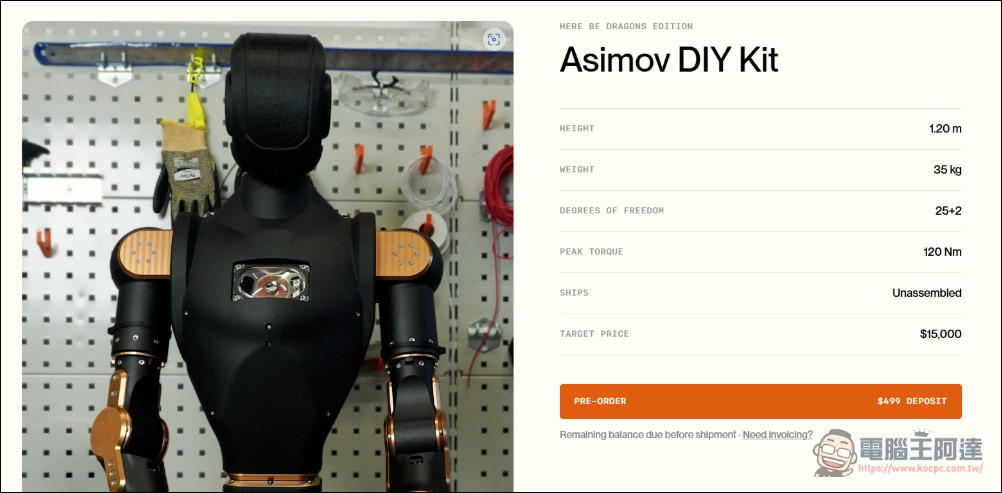
The official emphasizes that the DIY Kit’s lower price compared to purchasing separately is due to bulk orders driving down the unit cost of key components like actuators. Expected shipping is summer 2026.
The ecological significance of open-source hardware
This move by Menlo Research has sparked discussion in the robotics field. Traditionally, developing humanoid robots has been extremely门槛 high—not just due to hardware costs, but more importantly because all key technologies are locked in “black boxes.” Tesla Optimus, Boston Dynamics Atlas, Figure 02, and similar systems are all closed platforms, where external researchers cannot access original design files nor modify hardware for specific research needs.
Asimov 1 was designed from the ground up with openness as its core principle: the GitHub repository contains complete mechanical CAD files (7 sub-assemblies), circuit schematics and PCB files, MuJoCo simulation models, and electrical wiring diagrams. Researchers can not only view all design details but also modify, customize, and even mass-produce their own versions. This represents a completely different approach from commercial robots like the Unitree G1 or H1. While those products are relatively affordable, their original designs remain closed-source.
Asimov 1 Github page
Cost analysis: more than $15,000
Although the DIY Kit is priced at $15,000, there are additional costs to consider once you actually get started. Menlo Research explicitly states in their document that the complexity of Asimov 1 is closer to a car than a weekend project, requiring solid mechanical, electrical, and control knowledge to complete assembly and calibration.
Tools and accessories you’ll need to source yourself include: a screwdriver set, hex wrenches, welding equipment, a multimeter, and most importantly, a battery (not included in the kit). The official documentation also mentions “expect extensive integration work” across four major domains: mechanical structure, power systems, electronics, and control systems. According to eWeek’s review, the $15,000 price tag gets you “a collection of parts” rather than a robot that can walk right out of the box; transforming it into a functional humanoid robot requires hundreds of hours of work and deep technical expertise.
Currently, there are still several items remaining on the Asimov 1 development roadmap: the Asimov API, locomotion policy, and the mobile app. The official forum and Discord are now open for community participation in development discussions.
Summary
The emergence of Asimov 1 symbolizes humanoid robots transitioning from “black boxes monopolized by a few giants” to “a platform anyone can assemble on their own.” Though the $15,000 threshold isn’t low, compared to Tesla Optimus (estimated at tens of thousands to over $100,000) or Boston Dynamics (not sold commercially), it has already lowered the cost of development platforms by several orders of magnitude. For researchers, advanced enthusiasts, or research institutions with technical backgrounds who want to build humanoid robots themselves, Asimov 1 might be the most viable entry point currently. That said, for ordinary people, it’s still a pretty steep price.
Source: KOCPC Chinese