


Apple has promoted “Privacy Labels/App Anti-Tracking Transparency (App Tracking Transparency)” since iOS 14.3, and has started adding “Privacy Labels” to the App Store since December 8, causing serious dissatisfaction on Facebook, which accused APPLE of new transparency measures for user personal information collection, which will cause businesses to lose urgently needed customers.
What is Apple’s “Privacy Label/App Anti-Tracking Transparency” plan? Why is Facebook jumping on the bandwagon? Here’s an explanation:

1.What is Apple’s “Privacy Label/App Anti-Tracking Transparency”?
In order to protect users’ privacy, iOS 14.3 has added the “Privacy Label” project to provide users with major new privacy protection features, including using the color of the light to remind whether the APP in use is using the camera or microphone, displaying a prompt bar at the top of the screen to remind the user that the clipboard is being called, authorizing only specific photos or albums instead of all authorizations, user tracking of apps for advertising purposes will require user approval, and a mandatory privacy label will be added next to apps in the Apple App store.
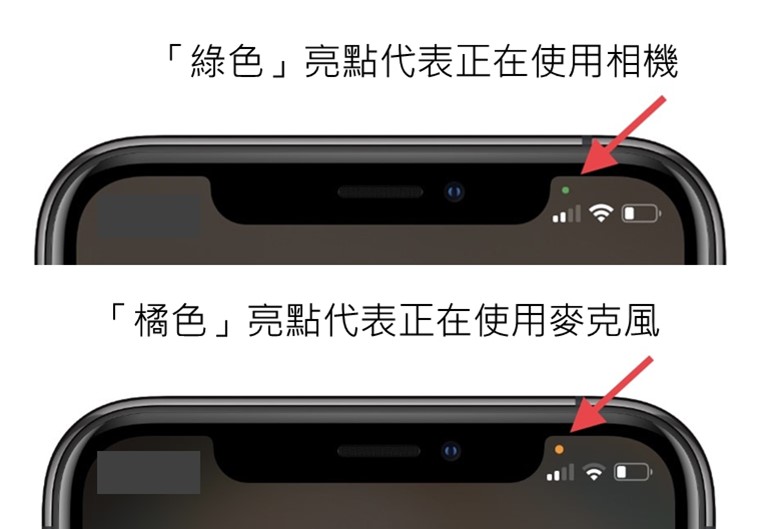
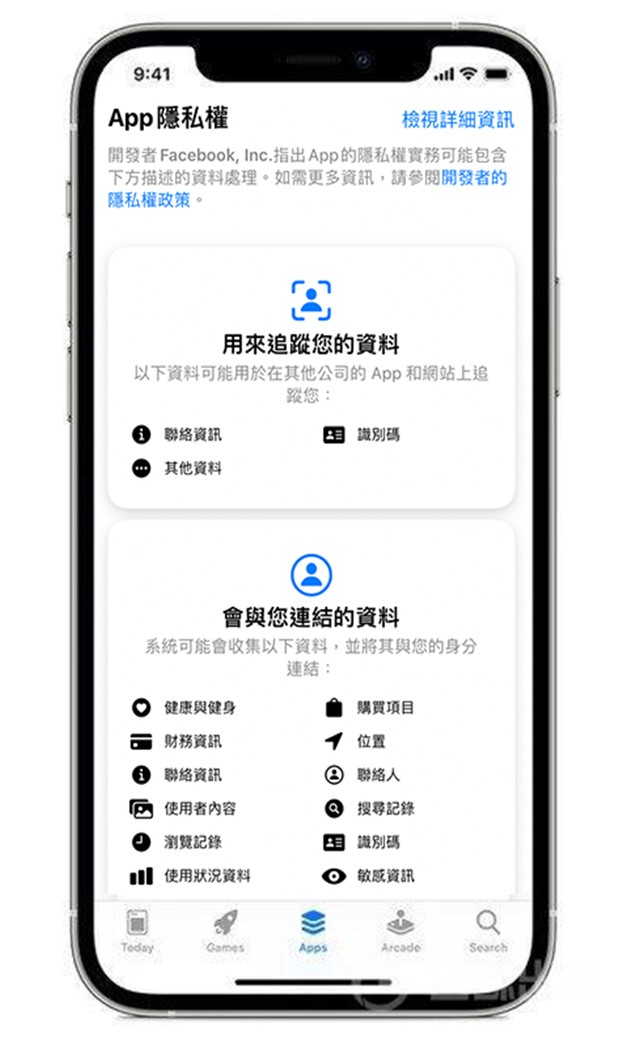
Among them, Apple has started to add “Privacy Label (AppTrackingTransparency, Application Anti-Tracking Transparency)” in the App Store since December 8, requiring that games, chats or other software in the App Store for mobile devices will be forced to mark what user personal information will be collected. The purpose is to allow users to see how the App uses the user’s contact list, location and other personal information.
“Privacy labels” are similar to nutrition labels on food. They will present the types of user data that the App may collect, as well as whether the App will use this data to track users and whether this data will be associated with the user. The data collected by the App is divided into three categories, including”Information used to track you(Date Used to Track You)”、”Information that will be linked to you(Data Linked to You)”、”Anonymous information not directly associated with you(Data Linked to You)”. In addition to displaying the types of user data collected in the App summary, this new iOS operating system also has other privacy features that allow users to more precisely control what types of data are allowed to be accessed by the App after downloading the App to the device. This means that users will be allowed to choose not to have data collected and choose whether advertisers can track their activities. According to the “Privacy Label (AppTrackingTransparency)” program, Apple requires developers to notify Apps If new privacy information is submitted to the Store, Apple’s internal App review team will review apps already in the App Store from time to time and randomly. If the review team finds that the app privacy summary reported by the developer is inconsistent with the actual situation, an investigation will begin; if the developer continues to fail to improve, Apple may remove the app or cancel the developer account. This privacy label applies to iPhone, iPad, Apple Watch, Apple TV and Mac computers.
2. Apple implements “privacy labels”, why does Facebook take a big leap?
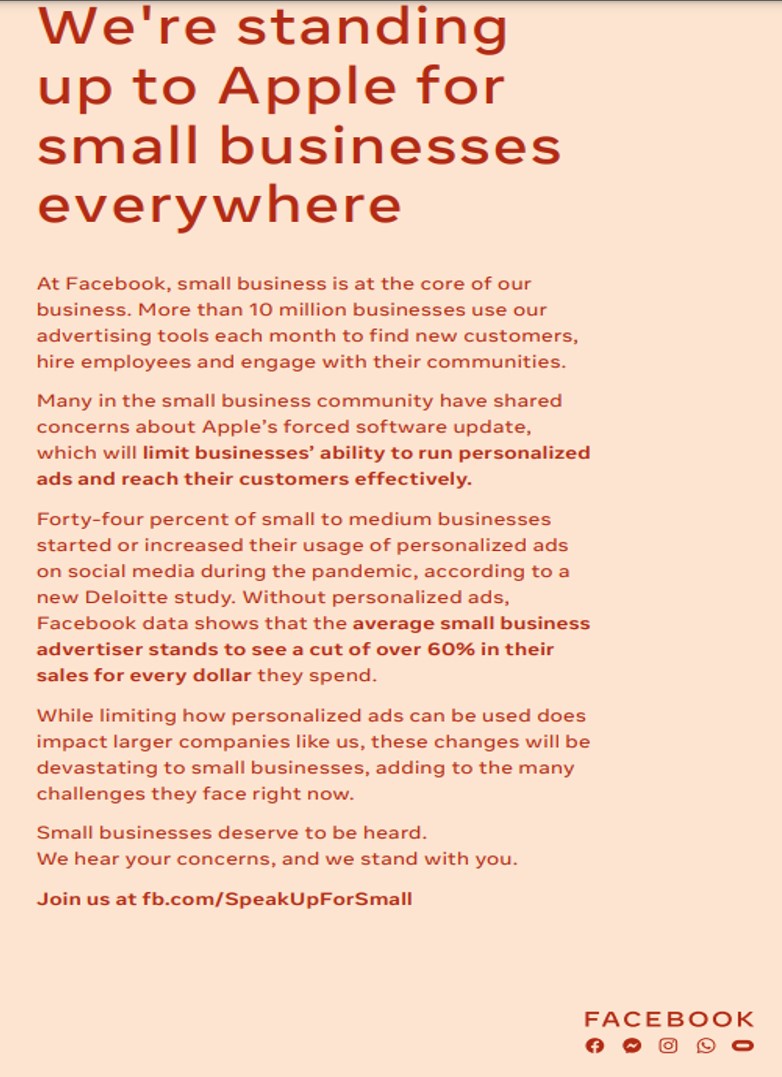
In response to the Apple App Store’s mandatory “privacy label”, Facebook spent heavily on December 16 to publish a series of full-page ads in major newspapers such as the New York Times and the Washington Post to criticize Apple’s “privacy label” plan. With the title “We Fight Apple for Small Businesses Around the World,” it claimed that Apple’s new changes in data collection and targeted advertising are detrimental to small businesses.
The main reasons for Facebook’s big jump are as follows:
A. Restrict the collection of mobile user data and disable targeted advertising functions:
After the implementation of the “Privacy Label (AppTrackingTransparency)”, all apps must obtain user permission before they can start tracking. The past “opt-out” system has been changed to an “opt-in” system. Digital advertising companies believe that most users will refuse permission. Agence France-Presse reported that tests found that when ads were difficult to target to individuals, revenue generated through Facebook’s Audience Network platform dropped by more than half.
B.APPLE’s move is an anti-competitive act:
Facebook believes that Apple is vigorously protecting user privacy, but in fact it is using its control of the App Store to engage in anti-competitive behavior, sacrificing creators and small businesses, and benefiting its own financial statements. For ordinary small businesses, they already rely on digital online marketing, but if these online data cannot be tracked now, personalized advertising will lose its function. However, Apple’s personalized advertising is not subject to the iOS 14 policy, which will cause many online companies to take a commission from Apple’s App Store or join APPLE’s online advertising business.
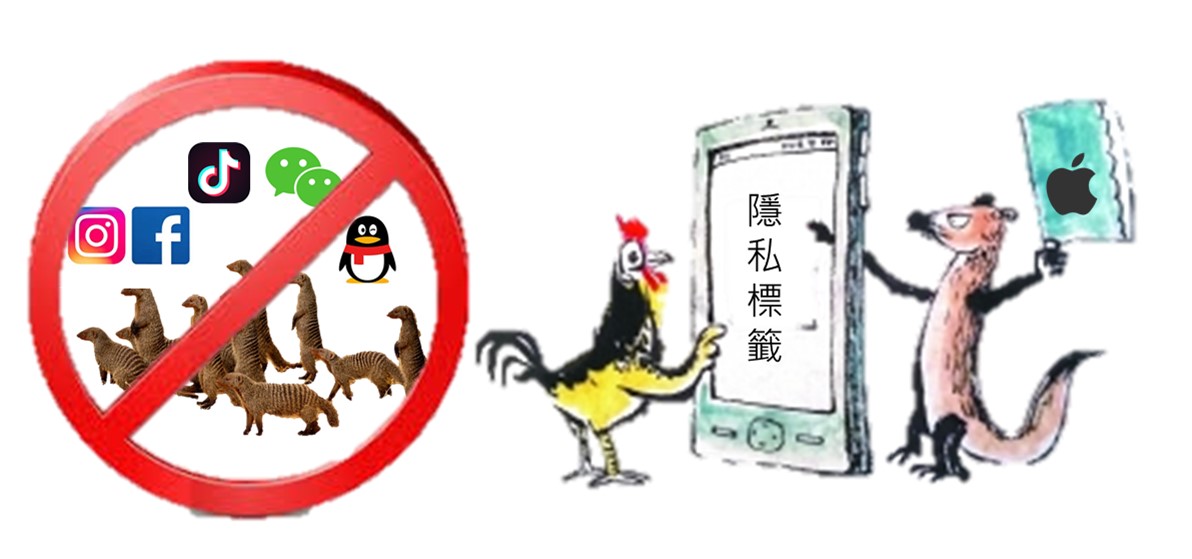
With free apps becoming the mainstream, collecting user data for targeted advertising is a powerful tool that many manufacturers rely on to make profits. Apple has vigorously protected user privacy and allowed users to choose whether to be tracked by apps. This is expected to make the accuracy of digital advertising more difficult and affect the development of the entire digital advertising ecosystem in the future. However, under Apple’s privacy label system, users will not receive any less digital advertisements on which the platform relies, but the advertisements will become increasingly inaccurate. Furthermore, Apple and Facebook are both giants that profit from user privacy. Both are out-and-out weasels. In the end, no one can escape the final devil ~ Apple and Google!
Source: KOCPC Chinese